
The Silent Signature of a Brand
Walk through any busy street or scroll through a crowded automotive marketplace, and something curious happens. Before you read a badge, before you catch the logo, you already know what youÔÇÖre looking at. A silhouette, a grille shape, a lighting signature, a stance. Recognition arrives like instinct.
That instinct is not accidental. It is the result of design language, carefully crafted and obsessively maintained. In automotive marketing, design language functions as a brandÔÇÖs visual dialect, a system of cues that communicates identity without saying a word.
For car brands, recognisability is not just aesthetic discipline. It is strategic leverage. In a market saturated with choice, where consumers often make snap judgments, visual consistency becomes a powerful differentiator. It reduces cognitive effort, builds familiarity, and ultimately reinforces trust.
This article explores how automotive brands construct, refine, and deploy design language to maintain recognisability across their model ranges, and why it has become one of the most critical tools in modern automotive marketing.

What Is Design Language in Automotive Terms?
Design language refers to the set of visual principles, shapes, proportions, and details that define how a brandÔÇÖs vehicles look and feel. It is not a single element like a grille or headlight, but rather a cohesive system.
Think of it as a grammar. Individual components are words, but their arrangement creates meaning.
For example, BMW uses a combination of kidney grilles, Hofmeister kink window lines, and a driver-focused stance. Meanwhile, Mercedes-Benz leans into flowing surfaces, restrained elegance, and a strong emphasis on proportion.
Design language operates across several dimensions:
ÔÇó Proportions and stance
ÔÇó Surface treatment and body sculpting
ÔÇó Lighting signatures
ÔÇó Front and rear identity elements
ÔÇó Interior layout and material philosophy
When these elements are applied consistently, they form a recognisable visual identity that transcends individual models.
The Marketing Power of Recognisability
In automotive marketing, recognition is currency. The faster a consumer identifies a brand, the stronger the association becomes.
Recognisability delivers three core advantages.
First, it builds familiarity. Repeated exposure to consistent design elements makes a brand feel known, even to first-time buyers.
Second, it reinforces positioning. A sporty brand must look sporty across its range. A luxury brand must consistently communicate refinement.
Third, it reduces decision friction. When consumers recognise a brand instantly, they spend less time evaluating whether it aligns with their expectations.
Consider Audi. Its single-frame grille and sharp LED lighting create immediate recognition. Whether it is an entry-level sedan or a flagship SUV, the brandÔÇÖs identity is unmistakable.
From a marketing perspective, this consistency ensures that every vehicle acts as a brand ambassador.
The Anatomy of a Strong Design Language
A successful design language is not rigid, but it is disciplined. It balances consistency with evolution.
Proportion as the Foundation
Proportion is often the most overlooked yet most powerful aspect of design language. It defines how a car sits on the road.
Brands like Porsche maintain a rear-biased stance across models, reinforcing performance DNA. Even SUVs like the Cayenne echo this balance.
Proportion communicates intent before details are even noticed.
Signature Elements: The Visual Anchors
Certain features act as anchors within a design language.
The kidney grille of BMW.
The four-ring identity of Audi.
The three-pointed star presence of Mercedes-Benz.
These elements evolve over time, but their essence remains intact. They act as visual shortcuts, allowing consumers to identify the brand instantly.
Lighting as a Modern Identity Tool
Lighting has become one of the most distinctive elements in contemporary automotive design.
LED and matrix lighting technologies allow brands to create unique light signatures. These are not just functional components but branding tools.
Volvo Cars, for instance, uses ÔÇ£ThorÔÇÖs HammerÔÇØ daytime running lights, creating a consistent and recognisable face across its lineup.
Lighting also plays a critical role at night, extending brand visibility beyond daylight conditions.
Surface Language and Emotional Tone
Surface treatment defines how light interacts with a vehicle. It influences whether a car feels aggressive, elegant, or playful.
Lexus employs sharp creases and bold surfacing to create a sense of dynamism and drama. In contrast, Bentley uses smooth, flowing surfaces to evoke timeless luxury.
These choices are not arbitrary. They align with brand positioning and target audience expectations.
Design Language Across Model Ranges
One of the greatest challenges for automotive brands is maintaining consistency across diverse vehicle types.
A compact hatchback, a luxury sedan, and a large SUV serve very different purposes. Yet they must all feel like members of the same family.
Scaling Identity
Design elements must adapt to different sizes and proportions without losing their essence.
For example, Volkswagen applies a clean, horizontal design language across everything from the Polo to the Touareg. The scale changes, but the visual logic remains consistent.
Platform Sharing and Design Cohesion
Modern automotive manufacturing often relies on shared platforms. While this improves efficiency, it also risks visual homogenisation.
Design language helps counteract this by ensuring each model retains brand identity, even when underlying structures are similar.
Differentiation Within Consistency
While consistency is critical, excessive uniformity can lead to monotony.
Brands must strike a balance by introducing subtle variations.
Hyundai has embraced a ÔÇ£parametric dynamicsÔÇØ design philosophy, allowing for variation while maintaining a cohesive identity.
This approach ensures that each model feels unique, yet unmistakably part of the same brand.
The Role of Concept Cars in Shaping Identity
Concept cars act as laboratories for design language.
They allow brands to experiment with new ideas, test consumer reactions, and set the direction for future models.
Jaguar and Land Rover frequently use concept vehicles to preview design evolution.
From a marketing perspective, concept cars generate excitement and signal innovation, while also preparing consumers for upcoming changes in design language.
Heritage vs Evolution: Walking the Tightrope
Automotive brands often have decades, sometimes over a century, of design heritage.
Maintaining recognisability while evolving with modern trends is a delicate balancing act.
Respecting Heritage
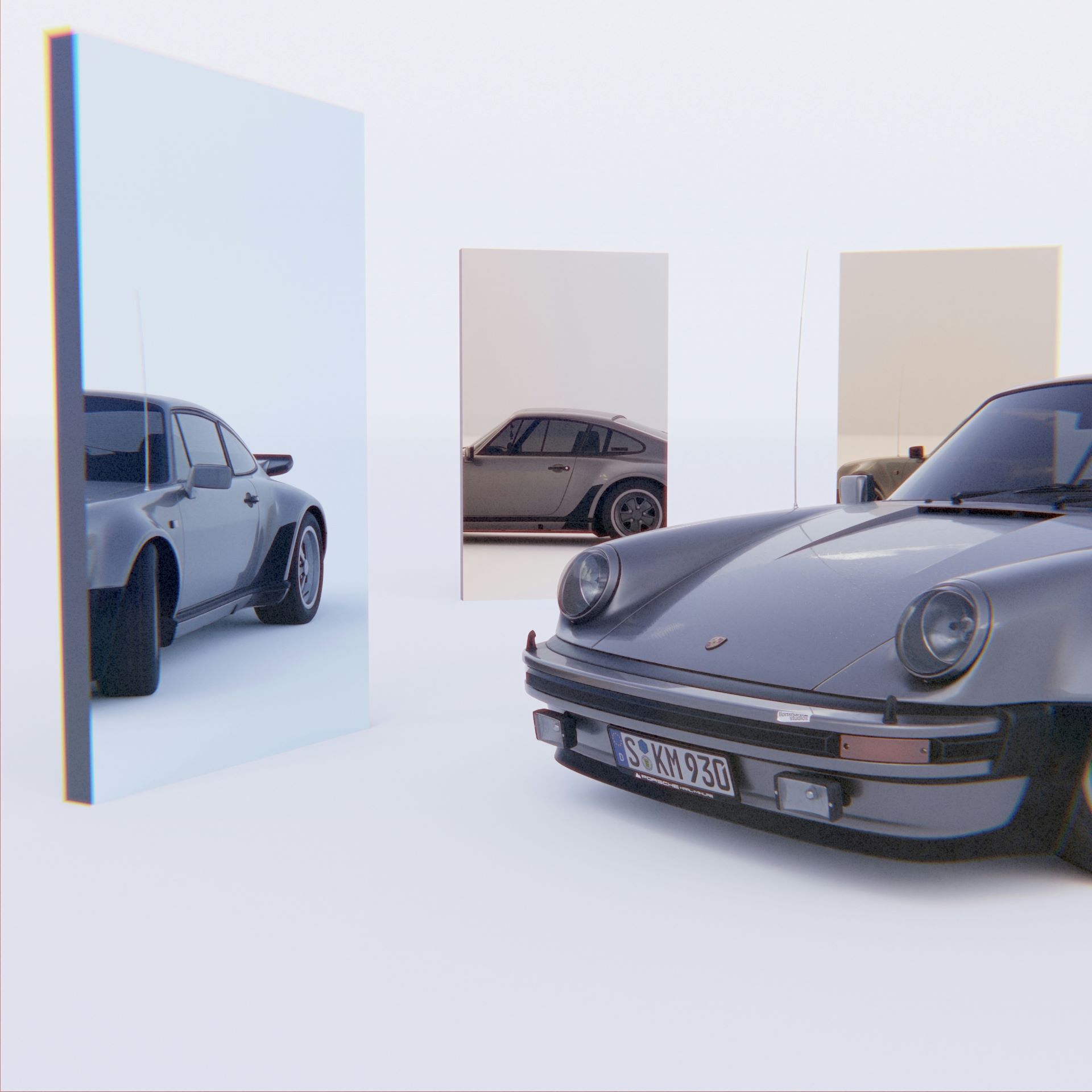
Brands like Ford and Chevrolet leverage iconic models to reinforce identity.
The Ford Mustang, for instance, retains key design cues across generations, ensuring continuity.
Embracing Modernity
At the same time, design language must evolve to reflect changing technologies and consumer preferences.
Electric vehicles, for example, have introduced new design opportunities. Without the need for large cooling grilles, brands are rethinking front-end identity.
Tesla has built its design language around minimalism, reflecting its technological positioning.
Interior Design Language: The Overlooked Battlefield
While exterior design captures attention, interior design shapes long-term perception.
A consistent interior language reinforces brand identity every time the driver interacts with the vehicle.
Layout and User Experience
Brands develop signature layouts for dashboards, infotainment systems, and controls.
BMW emphasises driver-centric cockpits, while Mercedes-Benz focuses on luxury and digital integration.
Materials and Craftsmanship
Material choices also communicate brand values.
Premium brands use leather, metal, and wood to convey quality. More affordable brands may prioritise durability and practicality.
Consistency in materials ensures that customers know what to expect across different models.
Global Markets, Local Sensibilities
Automotive brands operate in diverse markets with varying tastes and preferences.
Design language must be flexible enough to resonate globally while maintaining a core identity.
Regional Adaptation
Certain design elements may be adjusted for specific markets.
For example, grille sizes and chrome usage can vary depending on regional preferences.
Maintaining Core Identity
Despite these adaptations, the underlying design language must remain intact.
This ensures that a vehicle is recognisable as part of the brand, regardless of where it is sold.
The Digital Era and Design Language
The rise of digital platforms has amplified the importance of visual identity.
Cars are now often experienced first through screens rather than physical showrooms.
Thumbnail Recognition
In online marketplaces, vehicles are often viewed as small images.
Strong design language ensures that a brand stands out even at reduced sizes.
Social Media and Visual Consistency
Platforms like Instagram and YouTube prioritise visual content.
Consistent design language helps brands maintain a cohesive presence across digital channels.
Electric Vehicles and the Reinvention of Identity
The shift to electric mobility is reshaping automotive design.
Without traditional engine constraints, designers have greater freedom.
New Proportions
Electric vehicles often feature longer wheelbases and shorter overhangs.
This changes the overall silhouette, requiring brands to adapt their design language.
Reimagining Front-End Identity
With reduced cooling requirements, grilles are becoming less functional and more symbolic.
Brands must find new ways to create recognisable front-end designs.
Kia has introduced a ÔÇ£digital tiger face,ÔÇØ evolving its traditional grille into a modern interpretation.
Risks of Inconsistent Design Language
When design language is not maintained, brands risk losing identity.
Brand Dilution
Inconsistent design leads to confusion. Consumers may struggle to identify a vehicle as belonging to a particular brand.
Reduced Market Impact
Without recognisability, marketing efforts become less effective.
Each model must work harder to establish its identity, increasing costs and reducing efficiency.
Case Studies in Strong Design Language
BMW: Evolution Within Structure
BMW has maintained a consistent design language for decades while continuously evolving.
Its kidney grille has grown and changed, but it remains a defining feature.
Audi: Precision and Minimalism
AudiÔÇÖs focus on clean lines and sharp detailing creates a cohesive and modern identity.
Volvo: Safety Meets Scandinavian Design
Volvo combines minimalist aesthetics with strong brand messaging around safety and sustainability.
The Future of Automotive Design Language
As technology advances, design language will continue to evolve.
Autonomous driving, connectivity, and sustainability will influence how vehicles are designed.
However, the core principle will remain the same.
Recognisability matters.

Design as a Strategic Asset
Design language is more than an aesthetic framework. It is a strategic asset that shapes how consumers perceive and interact with a brand.
In automotive marketing, where competition is intense and attention spans are short, recognisability provides a critical advantage.
A well-executed design language ensures that every vehicle contributes to a unified brand identity.
It turns individual models into a cohesive story.
And in a crowded marketplace, that story is what makes a brand unforgettable.
Breyten Odendaal
Specializing in high-performance automotive advertising and digital marketing solutions, delivering cutting-edge insights and the latest news shaping the automotive industry in South Africa.
More From Advertising

Automotive Digital Ads in South Africa: A Shift
Exploring how South Africa’s automotive advertising evolved from print and broadcast to data-driven, programmatic digital ecosystems.

The Video Shift in Car Buying Decisions in SA
Explore how video content shapes car purchase decisions in South Africa, comparing short-form and long-form strategies for automotive marketers.

Why Automotive Ads Must Think Like E-Commerce
Automotive ads in South Africa need e-commerce style conversion thinking to boost leads, optimise funnels, and improve dealership ROI.