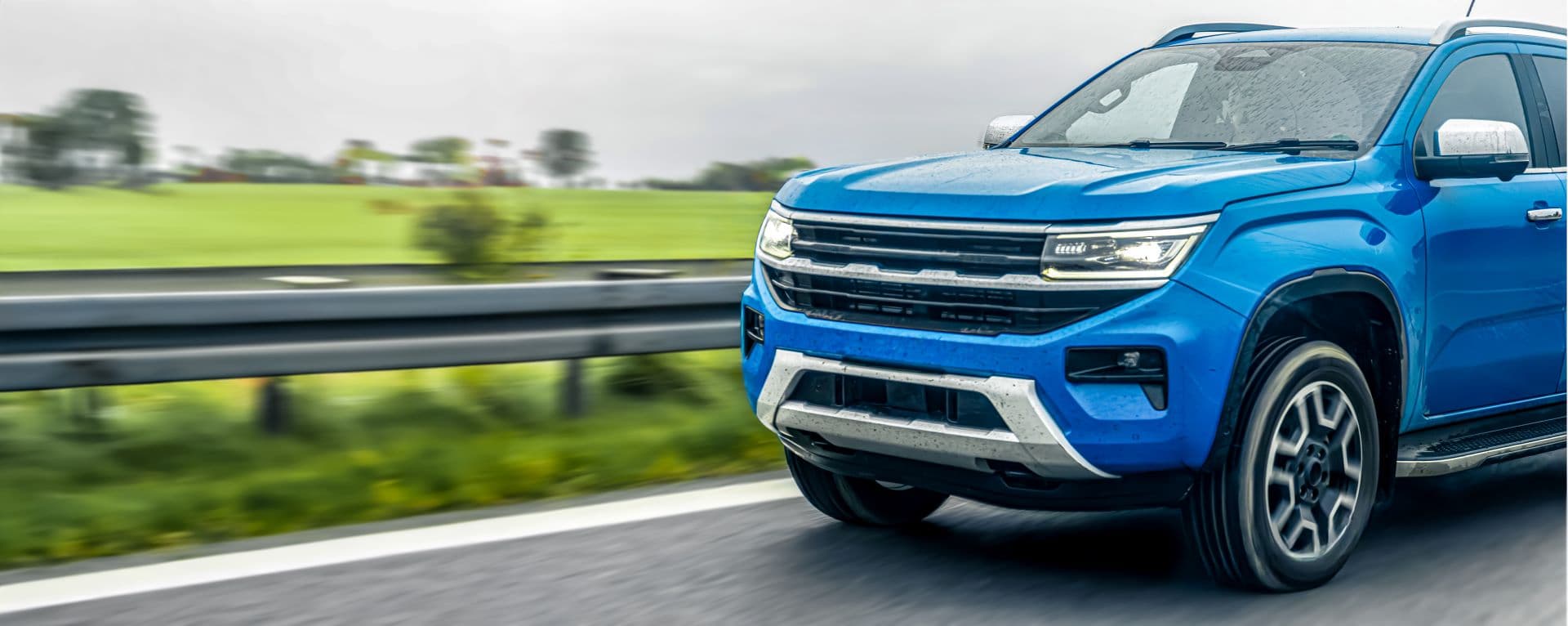
In South Africa, the automotive landscape is as diverse as its terrain, and the vehicles that traverse it reflect this multiplicity. From the dusty gravel roads of the Karoo to the bustling highways of Johannesburg, the marketing approach for a bakkie is dramatically different from that of a passenger car. Understanding these distinctions is crucial for brands that aim to resonate with their audience, drive engagement, and ultimately convert interest into sales.
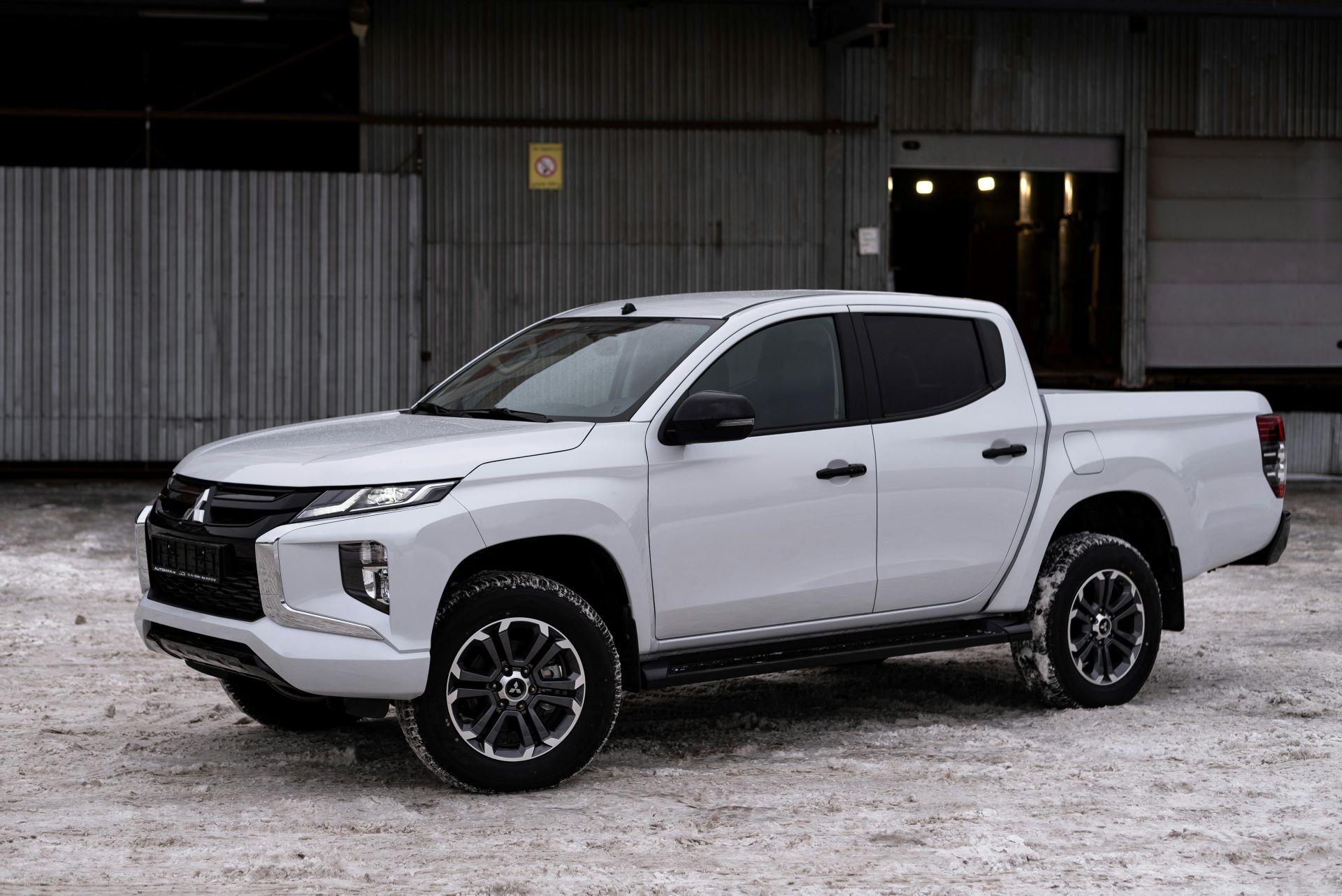
Bakkies: Emphasising Rugged Utility and Reliability
Bakkies occupy a unique cultural and functional space in South Africa. They are not just vehicles; they are tools, lifelines, and status symbols within the commercial and rural sectors. Marketing for bakkies focuses heavily on their utility, durability, and adaptability.
South African bakkie owners often see their vehicles as extensions of their work, whether itÔÇÖs hauling construction materials, navigating rural landscapes, or supporting entrepreneurial ventures in agriculture and small business. Campaigns that highlight payload capacity, towing strength, engine longevity, and off-road capability resonate strongly.
Visual storytelling is a critical tactic here. Bakkie campaigns frequently showcase vehicles in rugged, real-world scenarios. Dusty farm roads, construction sites, and coastal trails provide the backdrop, communicating that these vehicles are built to endure harsh conditions. In this context, authenticity is paramount: overly polished, urban-centric imagery can alienate core bakkie audiences who value substance over style.
Passenger Cars: Lifestyle, Comfort, and Urban Sophistication
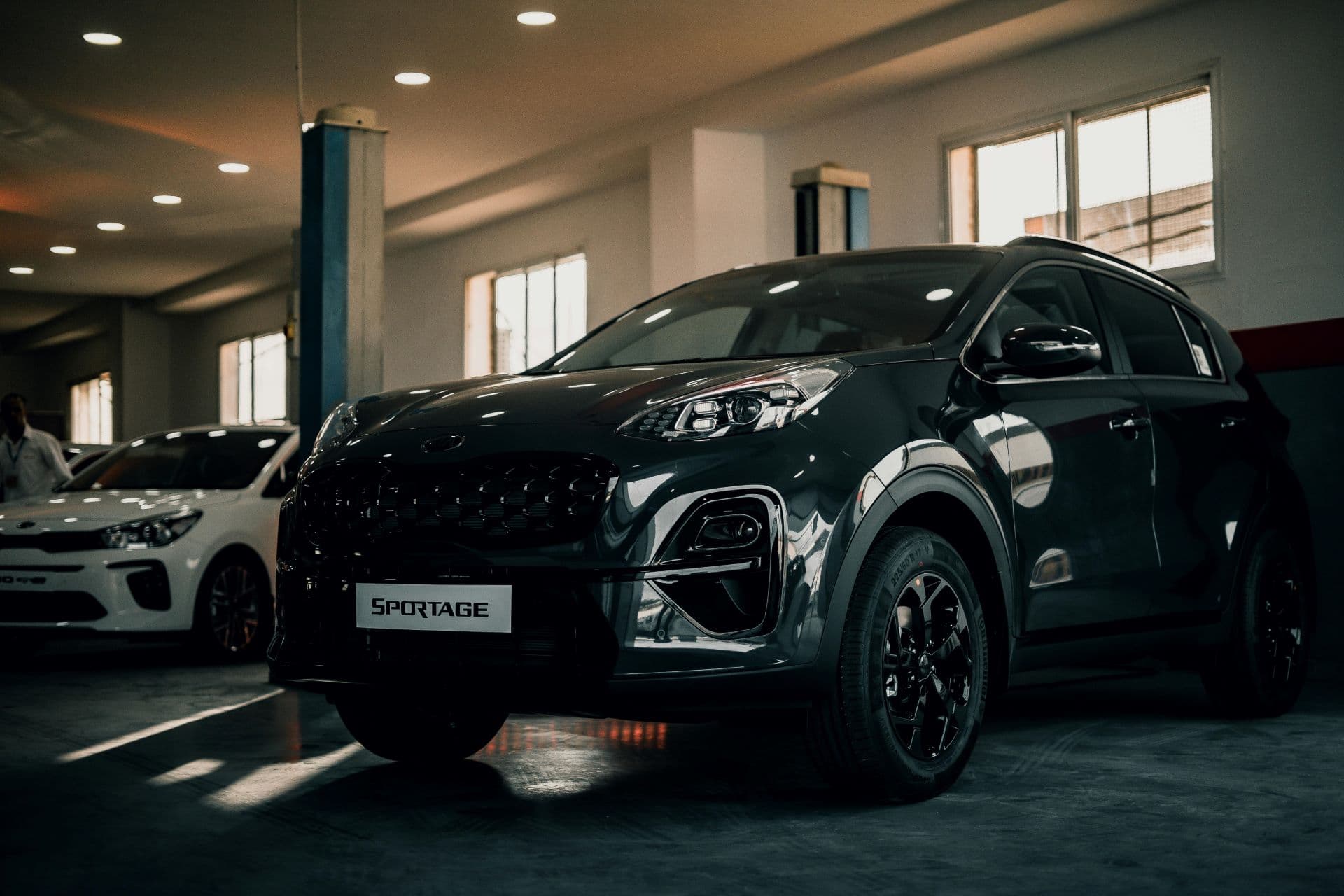
In contrast, passenger cars are often marketed as lifestyle enhancers. Urban dwellers and families are typically the target demographic, where comfort, design, technology, and brand prestige carry more weight than payload metrics. Marketing strategies for passenger cars in South Africa lean on aspirational imagery, appealing to consumersÔÇÖ desires for sophistication, convenience, and emotional gratification.
Features like advanced infotainment systems, safety technologies, fuel efficiency, and sleek design elements are highlighted to differentiate one model from another. Advertisements often place these vehicles in stylish urban environments, chic neighborhoods, or scenic weekend destinations, reinforcing the narrative that the car is a facilitator of lifestyle and experiences rather than purely a tool.

Messaging Nuances: Utility vs Emotion
The divide between bakkies and passenger cars in marketing extends beyond visuals to the messaging itself. For bakkies, communications are often direct, practical, and benefit-focused. Copy emphasizes strength, endurance, and versatility. A tagline like ÔÇ£Built to Last, Ready for WorkÔÇØ speaks directly to functional priorities.
Passenger cars, however, invite a more emotive approach. Here, storytelling often revolves around personal aspiration, status, and the emotional experience of driving. Phrases like ÔÇ£Elevate Your EverydayÔÇØ or ÔÇ£Where Comfort Meets AdventureÔÇØ position the vehicle as an enabler of lifestyle goals rather than a workhorse.
Digital and Social Media Strategies
Digital channels amplify these differences. Bakkie marketing in South Africa benefits from user-generated content, customer testimonials, and real-life demonstrations of toughness. Social media campaigns frequently feature challenges, off-road expeditions, or endorsements from local tradespeople to reinforce authenticity and trust.
Passenger car campaigns, conversely, lean on curated visuals, influencer partnerships, and interactive experiences. Augmented reality showrooms, virtual test drives, and lifestyle-focused social campaigns target aspirational buyers who value aesthetics and brand narrative as much as performance metrics.
Regional Considerations
South AfricaÔÇÖs regional diversity also influences marketing strategies. Rural provinces like Limpopo or the Eastern Cape may have a higher concentration of bakkie buyers, whereas Gauteng, Western Cape, and KwaZulu-Natal urban centres attract a larger passenger car audience. Tailoring campaigns to these realities is essential, with regional messaging reflecting local lifestyles, roads, and cultural priorities.
Understanding Your Audience is Key
At the core of these distinctions lies a fundamental truth: effective automotive marketing is not about pushing vehicles universally. ItÔÇÖs about understanding the consumerÔÇÖs relationship with the vehicle. For bakkies, this is often utilitarian, rugged, and performance-focused. For passenger cars, itÔÇÖs aspirational, lifestyle-oriented, and experience-driven. Brands that master these nuanced approaches can forge deeper connections, foster loyalty, and ultimately capture greater market share in South AfricaÔÇÖs diverse automotive landscape.
In essence, while a bakkie tells the story of work, reliability, and rugged endurance, a passenger car narrates aspiration, comfort, and lifestyle enhancement. Marketers who can switch fluently between these languages ÔÇö celebrating both the functional and the emotional ÔÇö will find their campaigns striking the right chord with the right audience, at the right time.
Breyten Odendaal
Specializing in AutoAds solutions and spatial computing, delivering cutting-edge experiences while sharing the latest news, insights, and developments shaping the AR industry.
More From Advertising
How AI Is Writing Car Ad Copy and Changing Marketing
Explore how generative AI is transforming automotive ad copywriting, balancing speed, efficiency, and consistent brand voice in marketing

Designing Identity: How Car Brands Stay Recognisable
Explore how automotive brands use design language to build identity, ensuring recognisable styling across models and markets.

Marketing Entry-Level Cars to First-Time Buyers SA
How South African brands can win first-time car buyers through trust, simplicity, and smart affordability strategies.