
The Car as a Cultural Mirror
From the golden era of muscle cars to todayÔÇÖs electric revolution, the car has long been more than just a means of transportation. It is a mobile billboard, a status symbol, andÔÇöcruciallyÔÇöa reflection of the self. Nowhere is this more powerfully reinforced than in the realm of automotive advertising. These carefully constructed narratives donÔÇÖt just sell vehicles; they sell values, aspirations, and identities.
In the modern age, where individuality is often expressed through consumer choices, automotive advertising holds a unique power. It tells us who we areÔÇöor, more pointedly, who we might become if we drive the right car. This article explores how automotive marketing has evolved to shape personal identity, examining historical trends, psychological drivers, gender dynamics, class symbolism, and the emerging role of sustainability and inclusivity in brand narratives.
The Psychology of Automotive Branding
At the heart of automotive advertising is the promise of transformation. Buy this car, and you donÔÇÖt just get leather seats and horsepowerÔÇöyou get confidence, sex appeal, prestige, freedom, or rugged independence. This approach taps into one of advertising's most potent psychological levers: identity congruence. When a consumer sees a car ad, they subconsciously ask, "Is this me?" or "Is this who I want to be?"
Advertisers skilfully build these connections through narrative, tone, visual styling, and language. A Jeep commercial, for instance, rarely focuses on the vehicleÔÇÖs technical specifications. Instead, it invites viewers into a rugged, adventurous lifeÔÇöone where muddy boots and uncharted trails replace the 9-to-5. In contrast, a Lexus ad oozes sophistication, design, and discretion, appealing to the consumer who values refinement and subtle affluence.
These identity-driven appeals arenÔÇÖt accidental. TheyÔÇÖre the result of deep demographic and psychographic research, ensuring that every camera angle and sound bite resonates with a specific consumer archetype.
Masculinity, Femininity, and the Gendered Car
Historically, automotive advertising has been deeply gendered. Mid-century campaigns often positioned cars as extensions of masculinityÔÇömuscle cars roared across pages and screens, driven by square-jawed men in leather jackets. Women, when present, were either the admiring passenger or a passive aesthetic addition.
This pattern reinforced a view of driving as an inherently male domain, and of cars as tools of male agency and virility. The tagline for DodgeÔÇÖs 1966 Charger, ÔÇ£The ManÔÇÖs Car,ÔÇØ left little room for ambiguity.
But times have changed. Modern automotive marketing increasingly reflects diverse gender identities and evolving social roles. Cars are now portrayed as enabling empowerment for everyone, with campaigns focused on female leadership, family decision-making, and freedom of choice. Brands like Volvo, Mini, and Hyundai have released campaigns specifically designed to challenge outdated gender rolesÔÇöplacing women behind the wheel both literally and symbolically.
This shift is not just about ethics; it's also good business. Women influence more than 80% of car-buying decisions globally. Recognising this, brands are adjusting their narratives to ensure they speak to a broader spectrum of self-identities.
Social Class, Aspiration, and the Luxury Vehicle
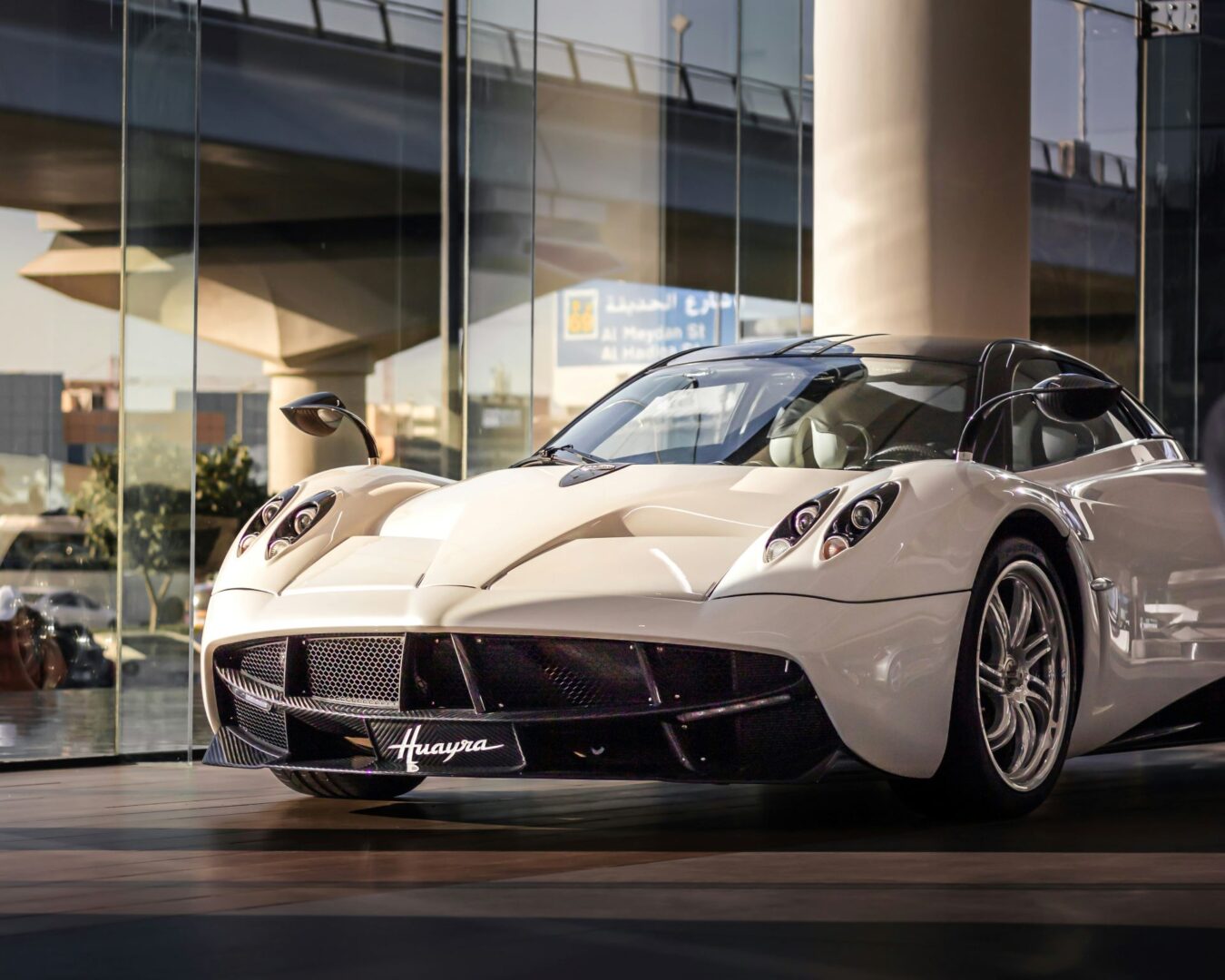
Few objects telegraph social class as loudly as a car. A luxury badge doesnÔÇÖt just signify financial success; it serves as a social cueÔÇöa way of stating, ÔÇ£IÔÇÖve made it.ÔÇØ
Automotive advertising plays into this aspirational model by crafting a world of exclusivity. A Bentley or Mercedes-Benz ad rarely shows traffic jams or parking struggles. Instead, it frames the vehicle within landscapes of privilege: sweeping coastal highways, high-rise penthouses, black-tie events. The message is clear: this isnÔÇÖt just transportation; this is transcendence.
But what about the middle class? Mass-market brands like Ford, Toyota, or Kia often use reliability, family, and safety as emotional pillars. These campaigns appeal to values over status, reinforcing the car as a facilitator of lifeÔÇÖs real momentsÔÇösoccer practices, weekend getaways, or commutes made bearable.
Interestingly, even within economy segments, thereÔÇÖs subtle positioning. A compact hatchback might be marketed to young urban professionals seeking independence and practicality, while a rugged bakkie (pickup truck) in South Africa might play into themes of resilience and rural authenticity. Identity cues are layered, adaptable, and incredibly precise.
Race, Representation, and the Global Stage
Diversity in automotive marketing has historically lagged behind consumer realities. For decades, ads overwhelmingly featured white, Western protagonists, subtly reinforcing the idea that status and modernity belonged to certain demographics.
However, the landscape is shifting. TodayÔÇÖs global consumers demand representation that reflects real-world diversity, and forward-thinking brands are listening. Campaigns now increasingly feature people of colour, multicultural families, and global locations beyond the Euro-American aesthetic.
In South Africa, for example, automotive ads are beginning to reflect the countryÔÇÖs multilingual, multiethnic identity. Brands like Toyota South Africa or Volkswagen have created campaigns that embrace local cultureÔÇöthrough language, music, and lifestyleÔÇöpositioning vehicles not just as objects of status, but as meaningful parts of a shared national identity.
Globally, brands are also embracing cultural nuance. In China, EV brands often emphasise futuristic tech and filial piety; in India, ads might focus on family togetherness or financial prudence. As the automotive market globalises, so too does the responsibility of brands to speak meaningfully to the diverse individuals who constitute their customer base.

Electric Vehicles and the Eco-Conscious Identity
The rise of electric vehicles (EVs) has introduced a new dimension to automotive identity: environmental consciousness. Tesla, Rivian, Polestar, and traditional marques like BMW and Hyundai have all leaned into a marketing narrative that merges cutting-edge innovation with ethical living.
EV advertising often positions the driver as a forward-thinkerÔÇösomeone who values sustainability, science, and responsibility. This ÔÇ£eco-eliteÔÇØ identity is particularly attractive to younger consumers and urban professionals who want to combine performance with principles.
But this shift also brings new challenges. GreenwashingÔÇöthe act of overstating environmental credentialsÔÇöhas become a concern, prompting more scrutiny from consumers. Smart automotive advertising in the EV space now balances idealism with transparency, focusing on real data, lifecycle emissions, and corporate sustainability initiatives.
The evolution of this identity segment is ongoing. As infrastructure improves and prices fall, EVs will no longer be niche or novelÔÇöbut their marketing will continue to tap into that most powerful human desire: to do good, and be seen doing it.
The Car as Digital Lifestyle Accessory
As cars become increasingly connected, autonomous, and software-defined, they are also becoming digital lifestyle accessories. Modern automotive ads now highlight infotainment systems, voice control, AI features, and seamless smartphone integration. The car is less a machine, more a mobile smart device.
This narrative aligns closely with millennial and Gen Z values: convenience, connectivity, and tech savviness. In this framework, the car becomes a ÔÇ£third spaceÔÇØÔÇöneither home nor work, but an extension of digital life. Tesla's ÔÇ£Easter eggsÔÇØ and over-the-air updates, for example, foster a sense of playfulness and community, inviting drivers to see themselves as early adopters or tech connoisseurs.
The language of car ads has evolved accordingly. Words like ÔÇ£ecosystem,ÔÇØ ÔÇ£platform,ÔÇØ and ÔÇ£interfaceÔÇØ are now just as common as ÔÇ£torqueÔÇØ and ÔÇ£horsepower.ÔÇØ This shift reflects a broader cultural transformation, where identity is increasingly shaped by the tools we use to interact with the worldÔÇöand the car is no exception.
Cars and the Myth of Freedom
One of the most enduring tropes in automotive advertising is freedom. The open road, the distant horizon, the idea that at any moment you can escape your routine life and head anywhere you choose.
This myth of freedom is deeply embedded in Western culture, but itÔÇÖs equally resonant across the world. In South Africa, the bakkie serves as a symbol of self-reliance and mobility in a country where public transport is often unreliable. In America, the SUV dominates because it feeds the fantasy of rugged independenceÔÇöeven if it rarely leaves suburbia.
Automotive advertisers use this mythology to powerful effect. A car is not just an objectÔÇöitÔÇÖs a promise. A promise of open roads, spontaneity, and control. ItÔÇÖs a promise that you can be whoever you want to be, so long as youÔÇÖre behind the right wheel.
But this mythology is increasingly at odds with reality. Gridlock, emissions, rising costs, and urban densification have made driving more chore than choice for many. The challenge for advertisers is to evolve this narrativeÔÇöperhaps by recasting freedom not as physical escape, but as emotional or psychological liberation.

Your Car, Your Self
Cars are more than machines. They are carriers of meaning, status, emotion, and identity. Automotive advertising plays a pivotal role in shaping these associationsÔÇötelling us who we are, who we should be, and what kind of world we belong to.
As consumer values shift, so too must the stories that brands tell. From gender representation to climate consciousness, from local cultural nuances to digital integration, automotive ads must continue to reflectÔÇöand sometimes leadÔÇöthe evolution of self in a globalised world.
In the end, the question isnÔÇÖt just ÔÇ£What car do you drive?ÔÇØ ItÔÇÖs ÔÇ£What does your car say about you?ÔÇØ And perhaps more provocatively, ÔÇ£Who are you becoming, with every mile?ÔÇØ
Breyten Odendaal
Specializing in high-performance automotive advertising and digital marketing solutions, delivering cutting-edge insights and the latest news shaping the automotive industry in South Africa.
More From Advertising

Automotive Advertising in 2026: Selling Confidence in a More Competitive Market
As South Africa’s vehicle market becomes more competitive, automotive advertising needs to do more than announce a price or specification. It needs to help buyers understand value, ownership costs and why a vehicle suits their lives.

Automotive Digital Ads in South Africa: A Shift
Exploring how South Africa’s automotive advertising evolved from print and broadcast to data-driven, programmatic digital ecosystems.

The Video Shift in Car Buying Decisions in SA
Explore how video content shapes car purchase decisions in South Africa, comparing short-form and long-form strategies for automotive marketers.