
Have you ever watched a car commercial and felt an unshakable urge to own the vehicle, even if you werenÔÇÖt actively looking for a new ride? ThatÔÇÖs no accident. Automotive advertising isnÔÇÖt just about showcasing horsepower or sleek designs; itÔÇÖs a masterful blend of psychology and creativity designed to tap into our deepest desires and emotions. From the thrill of adventure to the comfort of safety, car brands know exactly how to strike the right chord.
In this article, we delve into the fascinating world of automotive advertising strategies, uncovering how brands use psychology to influence consumer behavior. From emotional appeals to the power of storytelling and technological innovation, youÔÇÖll discover why these ads are so effectiveÔÇöand why they make us want to buy. Buckle up as we explore the art and science behind these captivating campaigns.
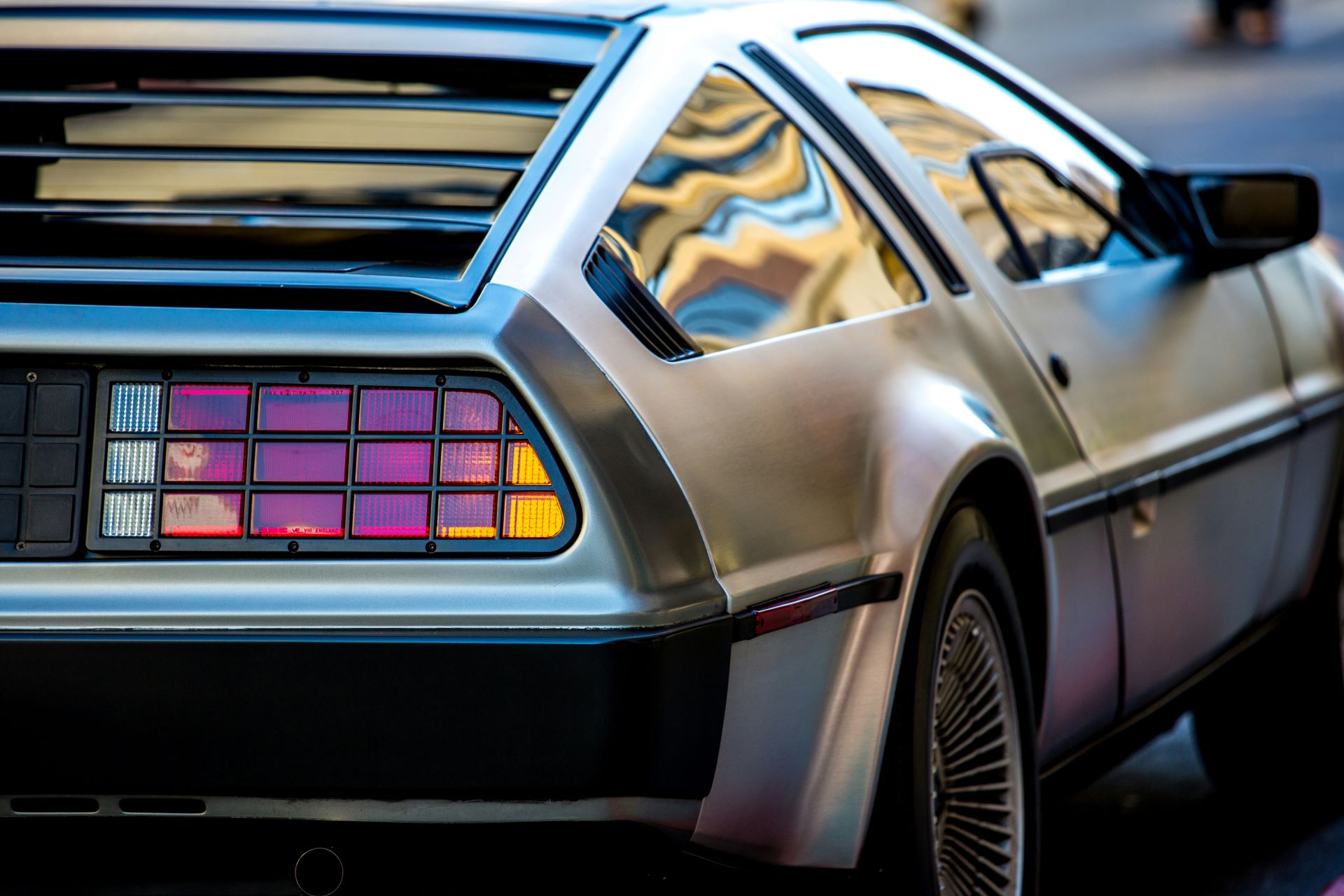
The Role of Emotions in Car Purchases
Buying a car is rarely a purely rational decision. Instead, emotions often take the driverÔÇÖs seat, steering us toward certain brands or models. Advertisers know this well and craft campaigns that evoke feelings of freedom, status, safety, and even nostalgia.
Freedom: Many car ads highlight the sense of liberation that comes with owning a vehicle. Think of JeepÔÇÖs iconic ÔÇ£Go Anywhere, Do AnythingÔÇØ campaign. With rugged landscapes and adventurous music, these ads inspire viewers to envision themselves exploring the great outdoors.
Status: Luxury brands like Mercedes-Benz or BMW often focus on exclusivity and prestige. Their commercials emphasize elegance and sophistication, appealing to consumers who equate owning such vehicles with personal success.
Safety: For families, safety is a top priority. VolvoÔÇÖs advertising often revolves around their carsÔÇÖ unparalleled safety features. Campaigns showcasing crash-test simulations or family road trips evoke trust and reliability, making parents feel reassured.
Nostalgia: Some brands tap into memories of simpler times. VolkswagenÔÇÖs ÔÇ£The Last Mile,ÔÇØ which bid farewell to the iconic Beetle, used heartwarming visuals and sentimental music to create a touching narrative. It wasnÔÇÖt just about saying goodbye; it was about cherishing memories.
By leveraging these emotions, automotive ads transcend the product itself, connecting with consumers on a deeply personal level.
Understanding Consumer Identity and Lifestyle
Your car says a lot about who you are. ThatÔÇÖs why automotive brands invest heavily in aligning their messaging with consumer identities and lifestyles.
Brand Personality: Each car brand projects a unique personality. Subaru, for instance, markets itself as the choice for the adventurous and eco-conscious. Their tagline, ÔÇ£Love. ItÔÇÖs what makes a Subaru, a Subaru,ÔÇØ appeals to those who value reliability and emotional connection.
Consumer Self-Perception: Advertisers often create campaigns that reflect their target audienceÔÇÖs aspirations. ToyotaÔÇÖs ÔÇ£Start Your ImpossibleÔÇØ initiative aligns with themes of perseverance and innovation, resonating with people striving to achieve their dreams.
Lifestyle Alignment: Brands craft ads to fit specific demographics or lifestyle aspirations. For example, TeslaÔÇÖs marketing doesnÔÇÖt just sell cars; it sells a vision of the future. With sleek designs and an emphasis on sustainability, Tesla appeals to forward-thinking consumers who value innovation.
These strategies arenÔÇÖt just effectiveÔÇötheyÔÇÖre transformative. By aligning their brands with consumersÔÇÖ identities, automotive companies foster loyalty and connection that go far beyond the showroom.
The Power of Storytelling in Automotive Advertising
Stories captivate us, and advertisers know that weaving a compelling narrative can make a car commercial unforgettable.
Resonating Narratives: Consider the Dodge ÔÇ£FarmerÔÇØ ad from the Super Bowl. Using Paul HarveyÔÇÖs iconic speech and imagery of hardworking farmers, the ad created a powerful connection with its audience, highlighting values like dedication and resilience.
Emotional Depth: Stories allow advertisers to go beyond features and specs. AudiÔÇÖs ÔÇ£DaughterÔÇØ ad told the story of a young girl racing go-karts, backed by her fatherÔÇÖs reflections on gender equality. The ad ended with AudiÔÇÖs commitment to progress, tying the brand to societal values.
Case Studies: One standout example is HondaÔÇÖs ÔÇ£The Power of DreamsÔÇØ campaign. By showcasing the brandÔÇÖs journey from a small motorbike company to an automotive giant, Honda connected with viewers through themes of perseverance and innovation.
These stories do more than sell cars; they create emotional imprints, ensuring the brand stays top-of-mind for consumers.
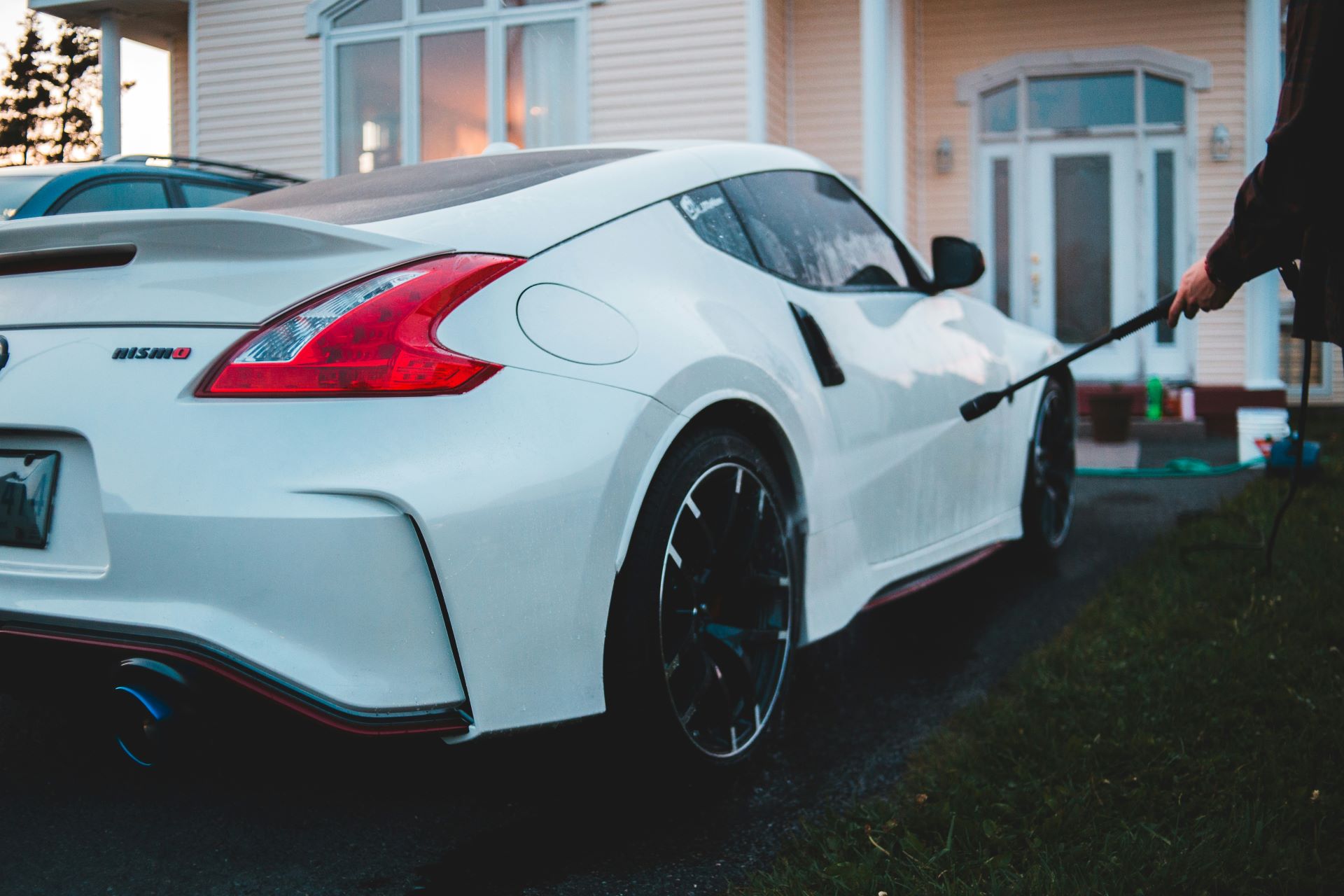
The Use of Social Proof and Influencers
Humans are social creatures, and we often look to others for guidance. Automotive advertisers harness this through social proof and influencer marketing.
Testimonials and Reviews: Car companies frequently showcase customer testimonials and expert reviews in their ads. ÔÇ£Best in ClassÔÇØ ratings or ÔÇ£Car of the YearÔÇØ awards are prominently featured to build trust and credibility.
Celebrity Endorsements: Influencers and celebrities bring their own brand of appeal. Matthew McConaugheyÔÇÖs contemplative Lincoln commercials, for example, made waves for their quirky yet sophisticated vibe, reinforcing LincolnÔÇÖs image as a luxury brand.
Social Media Campaigns: Platforms like Instagram and TikTok have become crucial for reaching younger audiences. Brands like Ford and Chevrolet engage influencers to create relatable and shareable content, amplifying their reach and relatability.
Through these strategies, car brands tap into our inherent desire for social validation, making their offerings even more appealing.
Technology and Innovation in Advertising
In the digital age, automotive advertising has embraced cutting-edge technology to create immersive and personalized experiences.
Virtual Reality (VR): Imagine taking a virtual test drive from the comfort of your living room. Brands like Audi and Jaguar have incorporated VR into their campaigns, allowing potential buyers to experience their cars in a whole new way.
Artificial Intelligence (AI): AI-driven advertising enables brands to target consumers with pinpoint accuracy. Personalized ads based on browsing history or location ensure the right message reaches the right audience.
Data Analytics: By analyzing consumer behavior, companies can predict trends and tailor their campaigns accordingly. For example, Hyundai used data insights to launch its IONIQ 5 ad campaign, highlighting features that consumers cared about most.
These innovations not only make ads more engaging but also redefine how we interact with brands, creating a seamless blend of technology and marketing.

Automotive advertising is far more than glossy visuals and catchy taglines. ItÔÇÖs a sophisticated dance between psychology and marketing, designed to tap into our emotions, identities, and aspirations. By leveraging storytelling, social proof, and cutting-edge technology, car brands create campaigns that captivate and inspire.
Next time you see a car commercial, look beyond the surface. Notice the emotions it stirs, the story it tells, and the subtle cues designed to resonate with you. Automotive advertising isnÔÇÖt just about selling cars; itÔÇÖs about selling dreams. And thatÔÇÖs why we buy.
Breyten Odendaal
Specializing in high-performance automotive advertising and digital marketing solutions, delivering cutting-edge insights and the latest news shaping the automotive industry in South Africa.
More From Advertising

Automotive Digital Ads in South Africa: A Shift
Exploring how South Africa’s automotive advertising evolved from print and broadcast to data-driven, programmatic digital ecosystems.

The Video Shift in Car Buying Decisions in SA
Explore how video content shapes car purchase decisions in South Africa, comparing short-form and long-form strategies for automotive marketers.
Why Automotive Ads Must Think Like E-Commerce
Automotive ads in South Africa need e-commerce style conversion thinking to boost leads, optimise funnels, and improve dealership ROI.