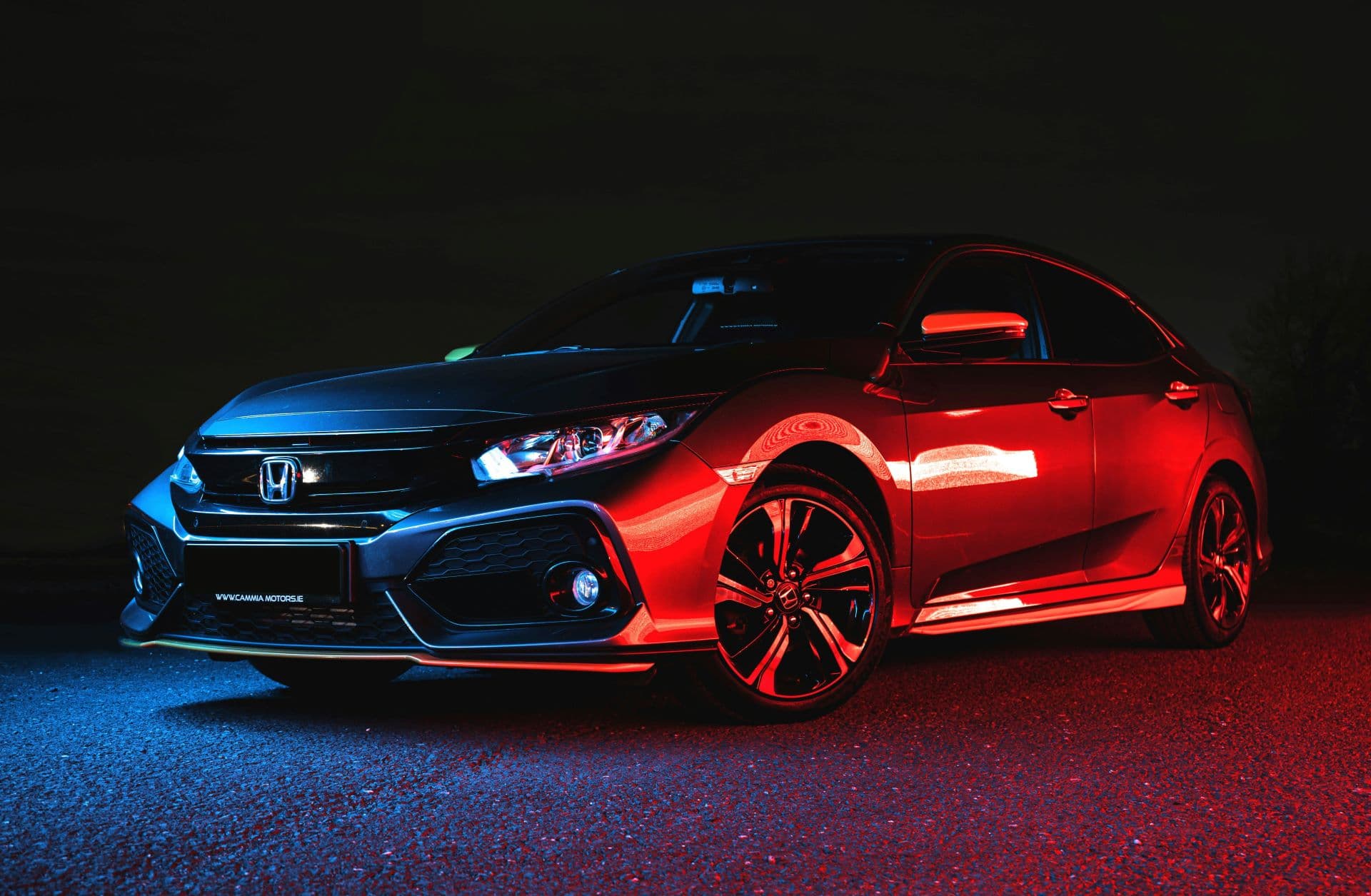
The automotive world thrives on an unrelenting passion for speed. No matter how consumer priorities shift, performance remains the beating heart of car marketing. Even as sustainability and safety gain prominence, the allure of raw power, acceleration, and track-ready capabilities continues to capture the imagination of enthusiasts worldwide. Recent launches of high-performance models, electrified hypercars, and record-breaking N├╝rburgring lap times reaffirm that speed remains a critical selling point. But why does speed still dominate car marketing in an era of evolving mobility?
Historical Context
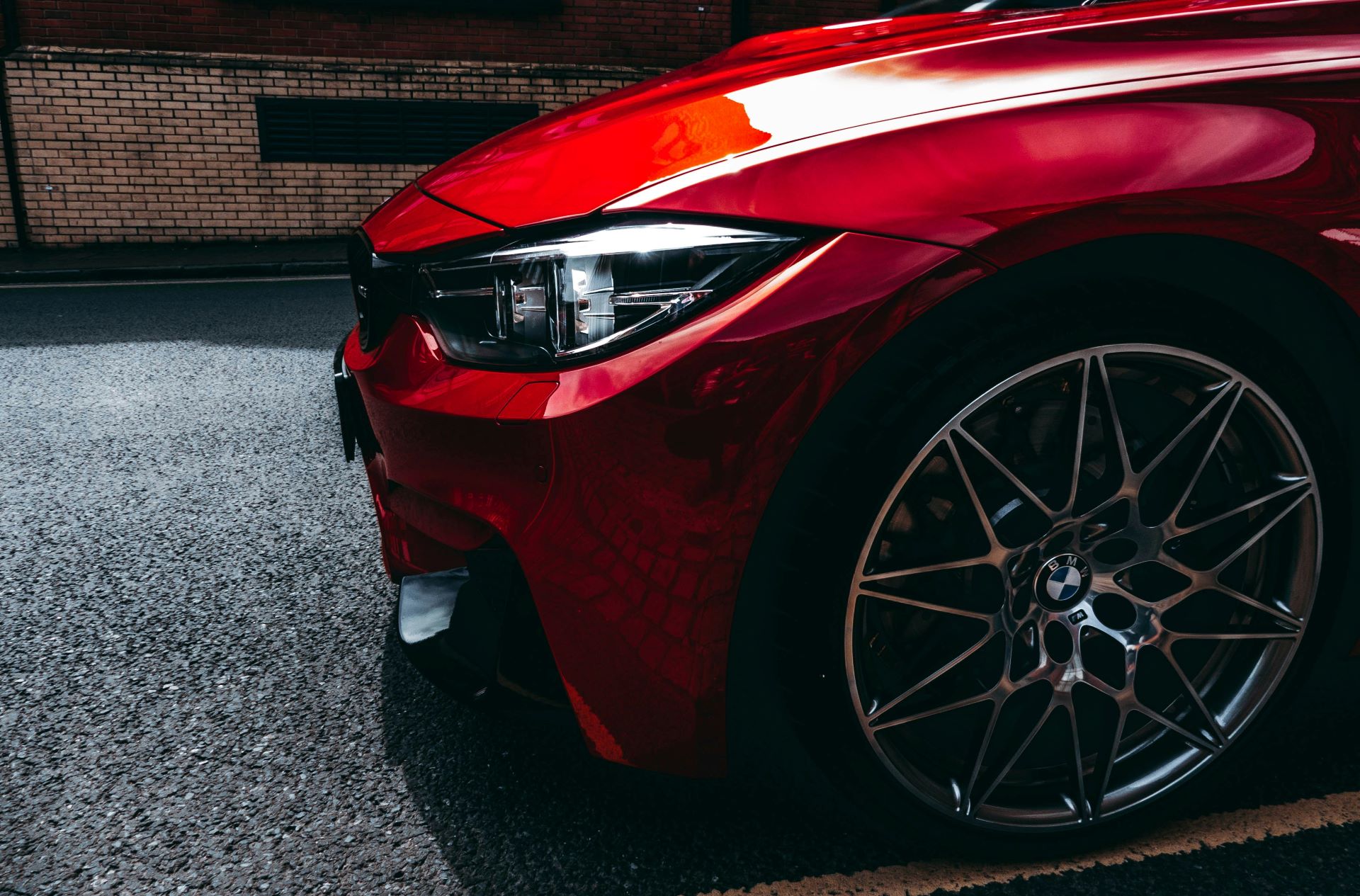
Speed and performance have always been synonymous with desirability in the automotive industry. From the early days of the Ford Model T racing across dirt roads to the Ferrari vs. Ford rivalry at Le Mans, high performance has been the hallmark of automotive excellence. Iconic advertisements, such as PorscheÔÇÖs timeless slogan, "There is no substitute," and DodgeÔÇÖs "Brotherhood of Muscle" campaign, have further cemented this association. Over time, Hollywood films, motorsports culture, and even video games have reinforced the idea that a car's worth is often measured in horsepower and top speed.
Technological Advancements
Engineering breakthroughs have continuously pushed the limits of speed and performance, ensuring they remain at the forefront of marketing. Innovations like turbocharging, carbon-fiber construction, and active aerodynamics have transformed what cars can achieve. Electric propulsion has entered the equation, with hypercars like the Rimac Nevera and Tesla Model S Plaid shattering acceleration records. Motorsports, from Formula 1 to endurance racing, serve as testing grounds for cutting-edge technologies that eventually trickle down to consumer vehicles.
Emotional & Psychological Appeal
The human fascination with speed is deeply rooted in emotion and psychology. The thrill of acceleration, the prestige of owning a high-performance machine, and the sense of personal freedom associated with fast cars are powerful motivators. Studies in consumer psychology suggest that speed equates to dominance, excitement, and self-expression. For many, driving a performance vehicle isnÔÇÖt just about getting from point A to BÔÇöitÔÇÖs about making a statement.
Car Marketing Strategies
Automakers leverage speed and performance to create aspirational branding. Advertisements featuring dramatic cinematography, roaring engines, and high-speed chases ignite the imagination. Recent campaigns, such as BMWÔÇÖs "M Town" series and LamborghiniÔÇÖs theatrical teasers, highlight how brands use digital storytelling to captivate audiences. Influencers, YouTube channels, and social media platforms play a crucial role in amplifying these messages, bringing performance-oriented narratives to a wider audience.
Counterbalancing Trends
While speed remains dominant, modern car marketing also integrates sustainability and safety. Automakers are introducing high-performance EVs and hybrid hypercars to merge thrilling acceleration with environmental consciousness. Brands like Porsche (Taycan), Lotus (Evija), and Mercedes-AMG (ONE) demonstrate that electrification and performance are no longer mutually exclusive. Even traditional combustion engine manufacturers are refining efficiency without sacrificing thrill, striking a balance between tradition and innovation.
Global Perspective
The emphasis on speed varies across global markets. In Europe, where emissions regulations are stringent, brands promote efficiency alongside performance. In the U.S., muscle cars and trucks celebrate raw power. Meanwhile, AsiaÔÇÖs market leans into technological advancements, with brands like Nissan and Toyota integrating hybrid performance models to cater to shifting consumer expectations. Cultural factors shape how speed is marketed, influencing regional advertising strategies.
Future Outlook
The future of speed in car marketing remains strong, though it may evolve with technology. Advancements in AI, aerodynamics, and electric propulsion will continue redefining performance benchmarks. Autonomous driving may introduce new challengesÔÇöwill enthusiasts still crave speed if cars drive themselves? Automakers are already preparing for this shift, incorporating adaptive driving modes that balance autonomy with high-performance driving experiences.
Speed and performance are not relics of the pastÔÇöthey are integral to the DNA of automotive marketing. As technology advances and consumer expectations shift, performance will continue to be redefined but never abandoned. For enthusiasts, the exhilaration of speed remains unmatched, ensuring that the worldÔÇÖs fastest machines will always find their place in the spotlight. The question is not whether performance will fade, but how it will adapt to the ever-changing landscape of the automotive world.
Breyten Odendaal
Specializing in high-performance automotive advertising and digital marketing solutions, delivering cutting-edge insights and the latest news shaping the automotive industry in South Africa.
More From Advertising
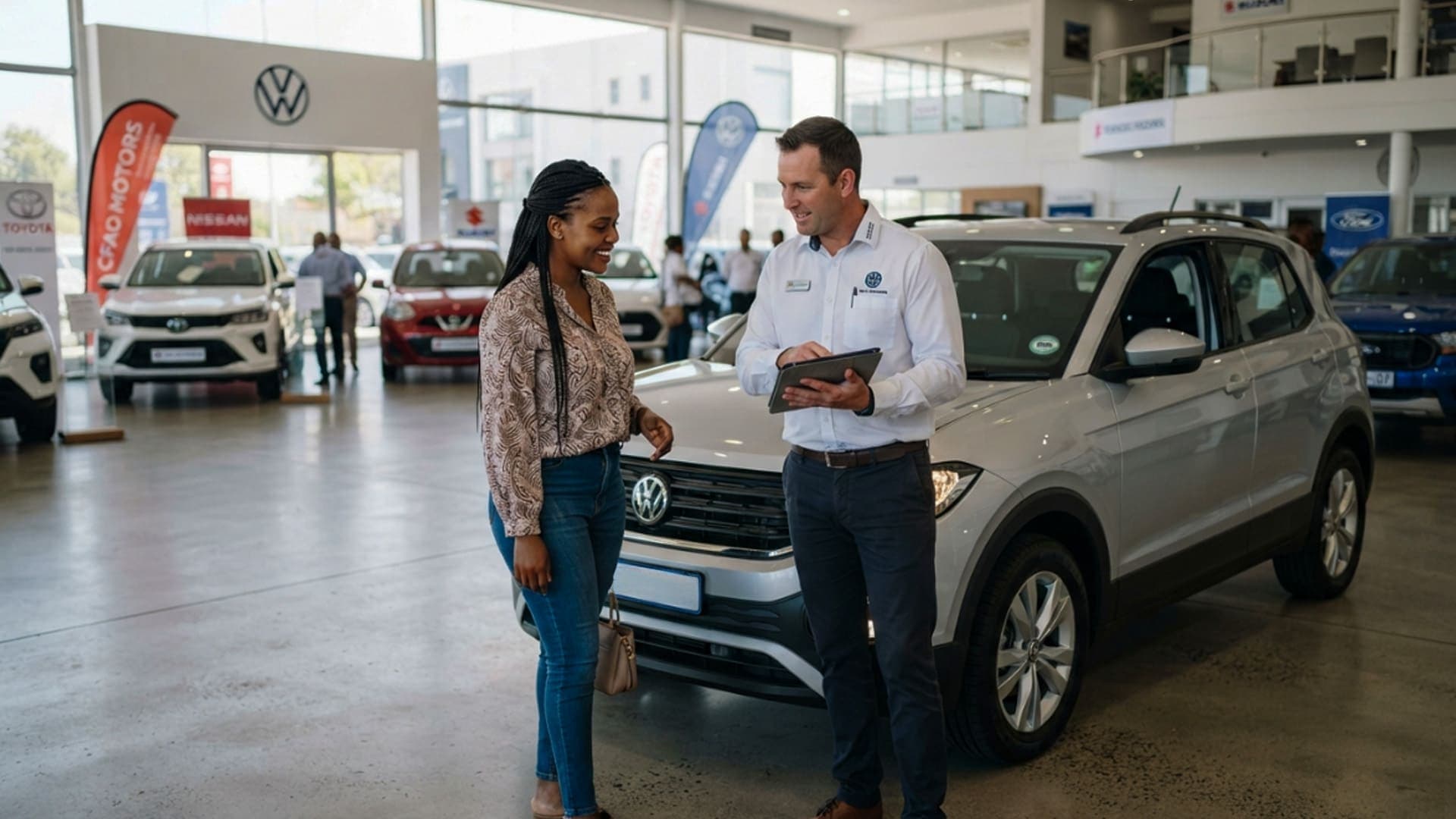
Automotive Advertising in 2026: Selling Confidence in a More Competitive Market
As South Africa’s vehicle market becomes more competitive, automotive advertising needs to do more than announce a price or specification. It needs to help buyers understand value, ownership costs and why a vehicle suits their lives.

Automotive Digital Ads in South Africa: A Shift
Exploring how South Africa’s automotive advertising evolved from print and broadcast to data-driven, programmatic digital ecosystems.

The Video Shift in Car Buying Decisions in SA
Explore how video content shapes car purchase decisions in South Africa, comparing short-form and long-form strategies for automotive marketers.