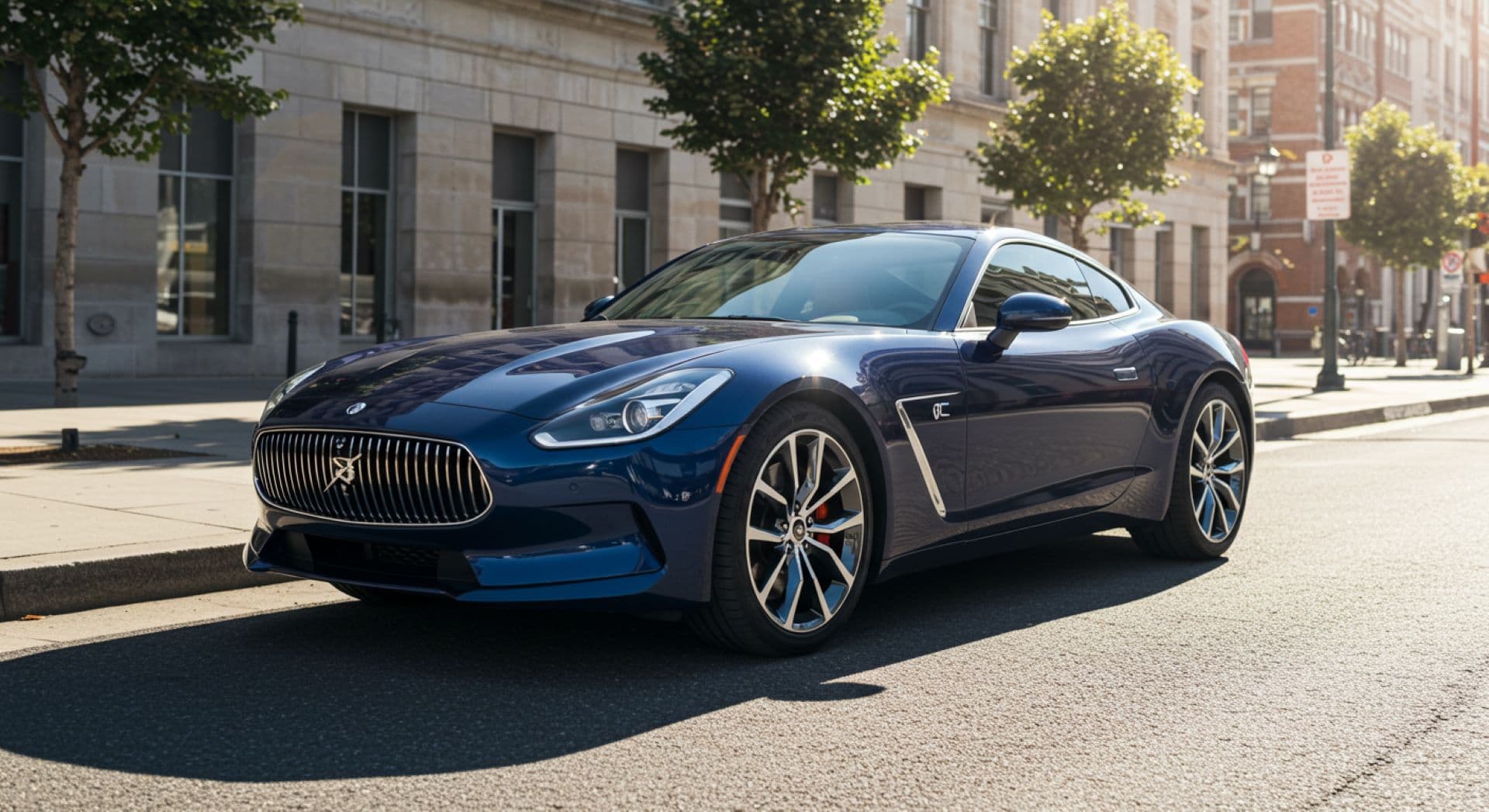
In the world of automotive advertising, few moments are as eagerly anticipated as the release of a big-budget car commercial during a high-profile event. A recent example? The jaw-dropping, multi-million-dollar Super Bowl ad from Mercedes-Benz, which starred David Schwimmer in a comedic, high-energy chase sequence featuring the brand's flagship EQS SUV. It was a commercial that clearly aimed to impress with its sleek production values, celebrity appeal, and high-octane excitement.
Contrast that with Kia's viral campaign for their EV6, a minimalist ad that relied on a quirky social media challenge and clever user-generated content rather than an extravagant production budget. It spread across TikTok, Instagram, and Twitter like wildfire, creating a conversation that lasted far beyond the initial post.
These two examples illustrate the vast chasm in car advertising strategies: one throws millions at the campaign, while the other leans on creativity and social media. But why do some companies spend such eye-watering sums on car ads, while others go viral for little or no cost at all? This article seeks to explore the reasons behind the drastically different approaches, examining why car brands invest millions in traditional advertising campaigns, and how others find success with minimal investment and a bit of luck.
The Allure and Impact of High-Budget Car Ads
Big Budgets Explained
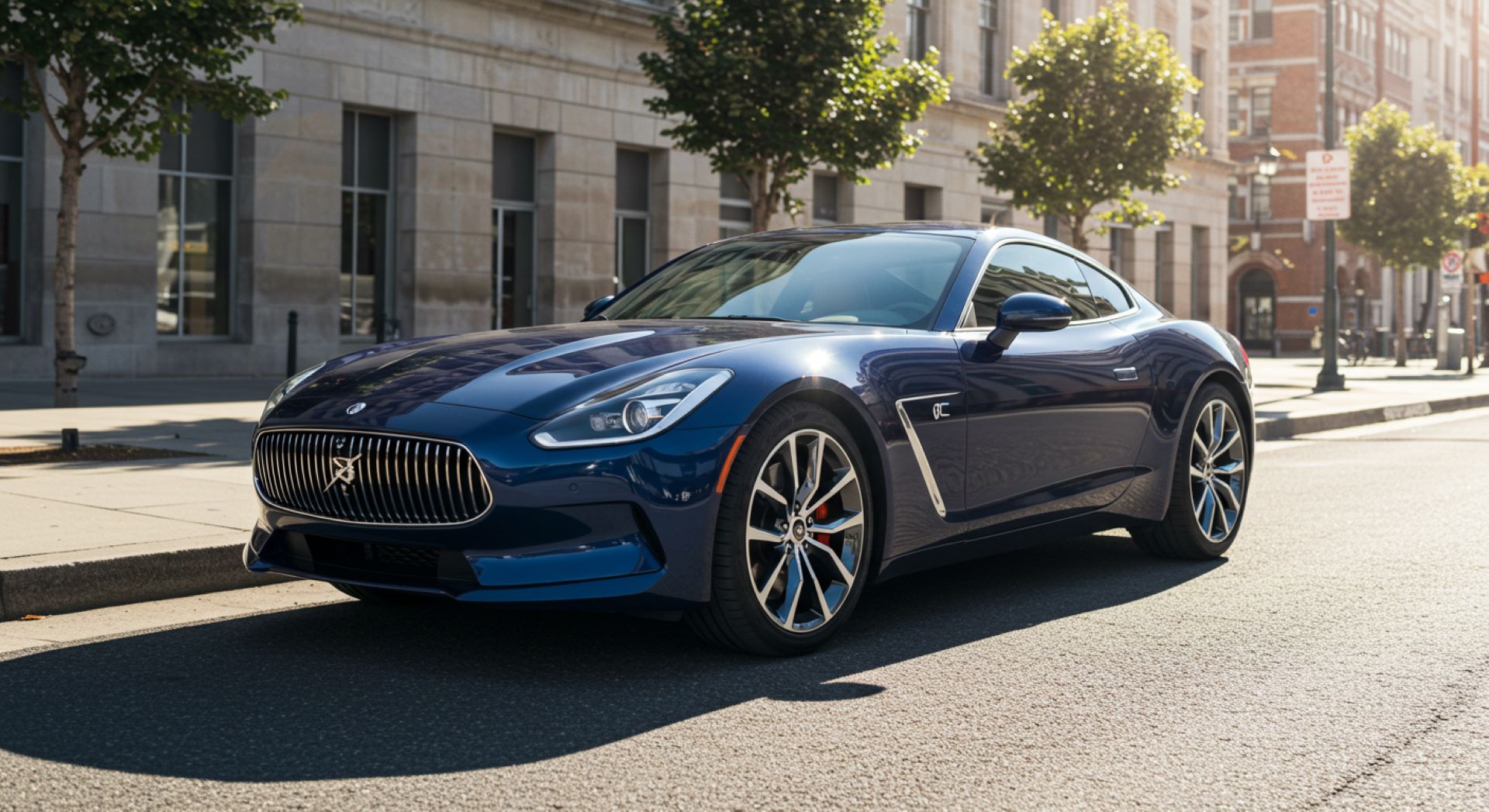
High-budget car ads are a staple of the automotive marketing world. These ads are often carefully constructed with one goal in mind: to maximize brand prestige and cement a car's image in the public consciousness. The budgets for these ads can be astronomical, with costs typically reaching millions of dollars, and sometimes even surpassing the budgets for small feature films.
What drives the costs behind these campaigns? Celebrity endorsements alone can run into the millions, and thatÔÇÖs before considering the cost of the exotic locations, high-end production crews, and cutting-edge special effects. When it comes to ad placements, prime-time slots during major events such as the Super Bowl or the Olympics come with their own hefty price tags. These events guarantee massive reach, which justifies the high investment for many brands.
For example, in 2021, AudiÔÇÖs Super Bowl ad featuring Tom Brady and a star-studded lineup cost the company an estimated $5 million for the 30-second spot alone. Throw in the production costs, celebrity fees, and promotional efforts, and the total expenditure can balloon well beyond that.
Case Studies: Big Budgets in Action
One of the most iconic high-budget campaigns in automotive history is Volkswagen's "The Force" ad, which debuted during the 2011 Super Bowl. Featuring a child dressed as Darth Vader, it took a simple concept and combined it with jaw-dropping production value, including CGI, sound design, and top-tier editing. The ad's appeal wasnÔÇÖt just about selling the productÔÇöit was about creating a memorable experience that would resonate with consumers for years to come. The commercial's success translated into sales boosts, a memorable brand association, and countless mentions across media outlets.
Similarly, FordÔÇÖs Super Bowl ads often feature powerful visuals, dynamic stunts, and the latest vehicles. Their 2020 ad for the Mustang Mach-E, showcasing electric vehicles, cost upwards of $6 million but was able to effectively position the brand in the rapidly growing electric vehicle (EV) market.
Measuring Success: Sales, Reach, and Prestige
For brands, the success of these big-budget campaigns is not measured merely in ad views or likes but also in more tangible metrics: sales, brand perception, and audience reach. Big-budget ads are designed to build brand prestige, establish an emotional connection with consumers, and encourage immediate purchases. The Super Bowl, for instance, has an audience of over 100 million viewers, meaning that a single 30-second ad can capture the attention of a significant portion of the US population.
However, while these campaigns often have a larger immediate impact, measuring ROI can be a murky business. Brands typically look at long-term effects: increased brand recall, greater customer loyalty, and the indirect benefits of positive media coverage. The hope is that these multi-million-dollar investments pay off over time by establishing a stronger foothold in the marketplace.
The Viral Sensation: How Minimal Investment Can Yield Maximum Returns
Defining Viral Success
The concept of a viral ad has revolutionized the way companies approach advertising. A viral ad doesnÔÇÖt require vast sums of money to produce, but it does need to capture the essence of what makes content shareable: relatability, humor, and often, timeliness. The beauty of a viral ad is that it doesnÔÇÖt need to be a polished, high-budget production. In many cases, simplicity, wit, and authenticity are the key ingredients.
Take, for instance, Volkswagen's "The Bark Side", a 2011 ad where a group of dogs ÔÇ£singÔÇØ the iconic opening theme of Star Wars. This campaign, while charming and visually captivating, was produced on a modest budget compared to its high-budget counterparts but quickly garnered millions of views online and extensive media coverage. It was fun, catchy, and easy to share.
Characteristics of Viral Car Ads
So, what makes a car ad go viral? Viral car ads often share a few key characteristics:
Case Studies: Viral Success Stories
One viral success story that stands out is Tesla's minimalist advertising approach. While the company has spent virtually nothing on traditional advertising, Elon Musk's social media presence has been enough to generate millions in media exposure and customer interest. TeslaÔÇÖs viral success is largely driven by MuskÔÇÖs own personal brand and the buzz surrounding electric cars.
Similarly, Honda's "The Cog" ad for the Honda Accord captured the internetÔÇÖs attention in the mid-2000s. The adÔÇÖs complex Rube Goldberg-style contraption, combined with simple visuals and an accessible narrative, became an instant internet sensation. Despite its modest budget, the ad achieved viral success due to its creativity and cleverness.
Comparative Analysis of Strategies
Resource Allocation
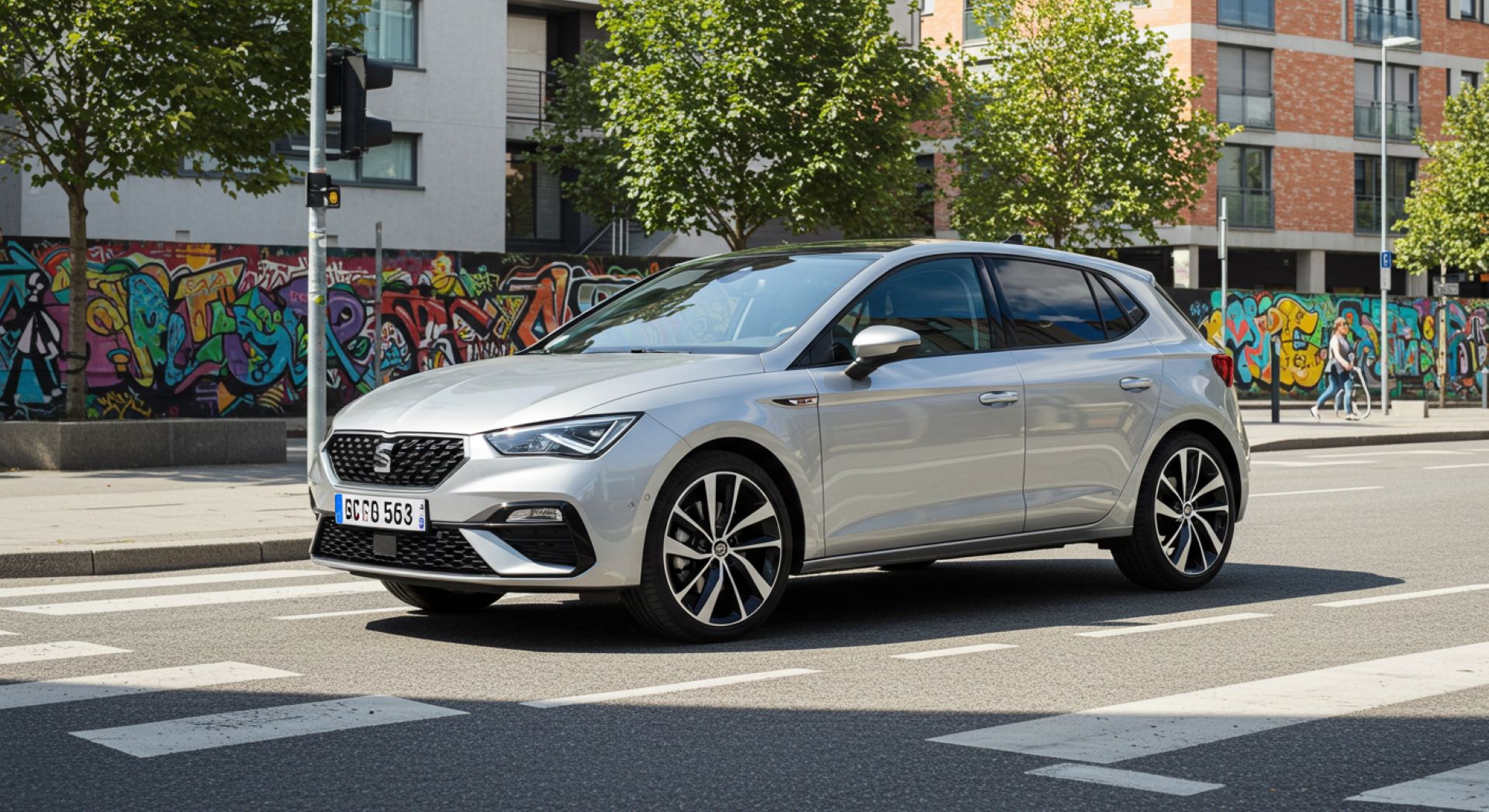
The stark contrast in resource allocation between high-budget and viral campaigns is a defining aspect of automotive advertising. High-budget ads invest heavily in tangible assets: production teams, celebrity appearances, and high-quality visuals. These ads are often large-scale, structured, and polished.
Viral campaigns, on the other hand, focus more on creativity, timing, and social media engagement. The investment often centers on creative talent and marketing strategies that maximize organic reach through influencers, user-generated content, and social media platforms.
Risk and Reward
Big-budget ads carry a high financial risk but, when successful, they can provide massive rewards. They are designed to have a broad reach, but there's always a chance that the hefty investment may not result in the desired sales. Conversely, viral campaigns have a much lower initial risk but can easily fall flat if the content doesnÔÇÖt resonate with audiences. However, when viral campaigns succeed, the return on investment can be astronomically high due to their organic spread.
Audience Engagement and Feedback
High-budget ads focus on curated engagementÔÇödirect responses through sales or brand recognition. Viral campaigns, however, thrive on community participation. Consumers actively engage by sharing, commenting, and creating content related to the campaign, thus amplifying its reach.
The Role of Social Media and Digital Platforms
The digital landscape has dramatically shifted how car brands advertise. Platforms like Instagram, YouTube, and TikTok provide avenues for free or low-cost advertising with huge reach potential. Traditional media like TV and print have given way to social media-first campaigns, where ads go viral based on their relatability, humor, or topicality.
Even big-budget campaigns are now complemented by a digital strategy that extends the lifespan of the ad beyond its initial broadcast. BMWÔÇÖs M3 campaign, for example, might run during prime-time TV, but its digital counterpart ensures it lives on through shareable clips and behind-the-scenes content posted on Instagram or YouTube.
What the Future Holds
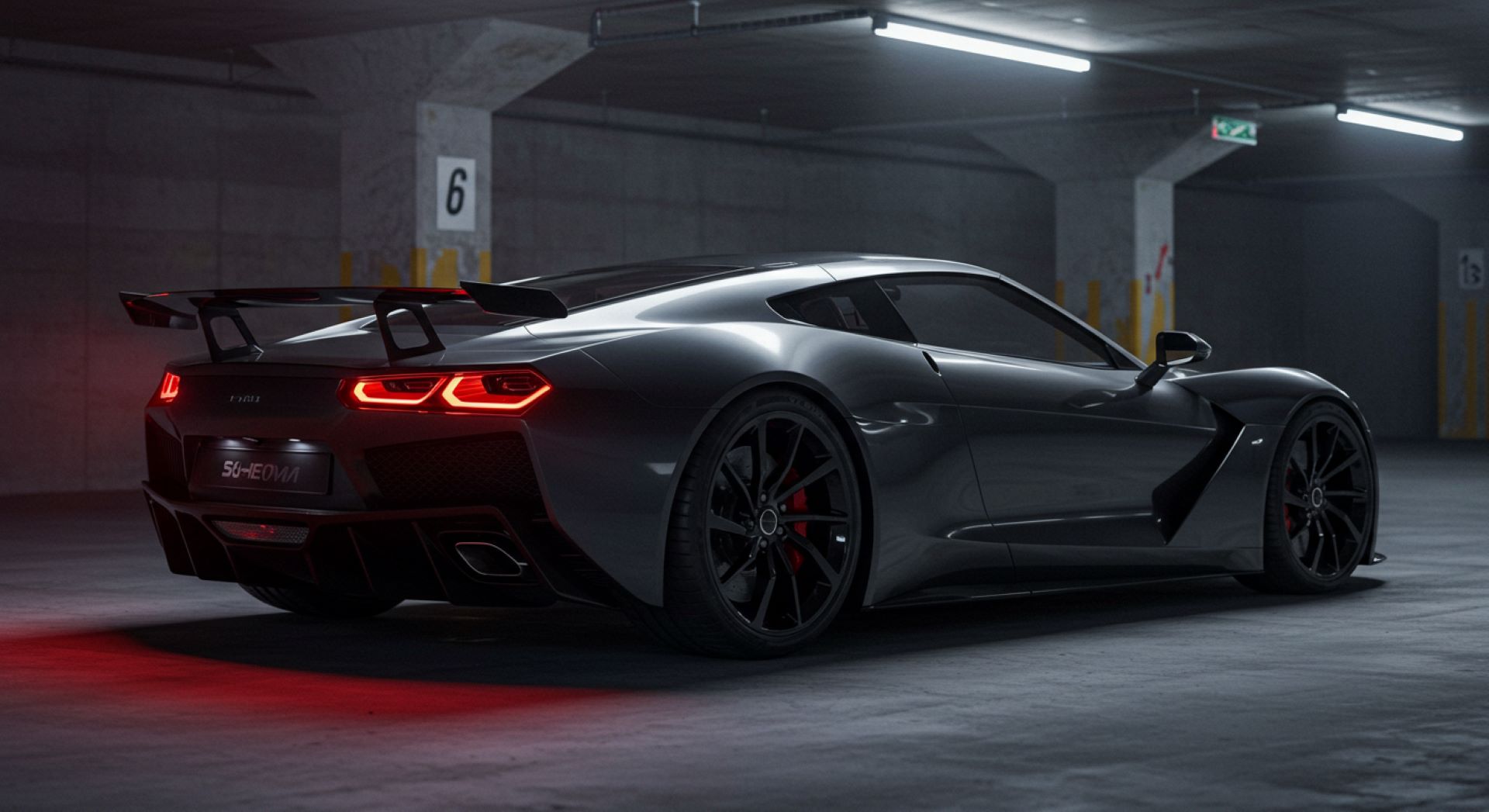
As digital media continues to evolve, the line between high-budget and viral campaigns will likely blur. The rise of AI and machine learning in content creation and distribution might allow smaller car brands to create sophisticated campaigns at a fraction of the traditional cost. The future of automotive advertising could well see an increased reliance on personalized and hyper-targeted campaigns that cater to niche audiences on social media platforms.
Call to Action
What car ad has left a lasting impression on you? Share your thoughts, favorite campaigns, or opinions on the future of automotive advertising in the comments below.
Breyten Odendaal
Specializing in high-performance automotive advertising and digital marketing solutions, delivering cutting-edge insights and the latest news shaping the automotive industry in South Africa.
More From Advertising
Automotive Advertising in 2026: Selling Confidence in a More Competitive Market
As South Africa’s vehicle market becomes more competitive, automotive advertising needs to do more than announce a price or specification. It needs to help buyers understand value, ownership costs and why a vehicle suits their lives.

Automotive Digital Ads in South Africa: A Shift
Exploring how South Africa’s automotive advertising evolved from print and broadcast to data-driven, programmatic digital ecosystems.

The Video Shift in Car Buying Decisions in SA
Explore how video content shapes car purchase decisions in South Africa, comparing short-form and long-form strategies for automotive marketers.