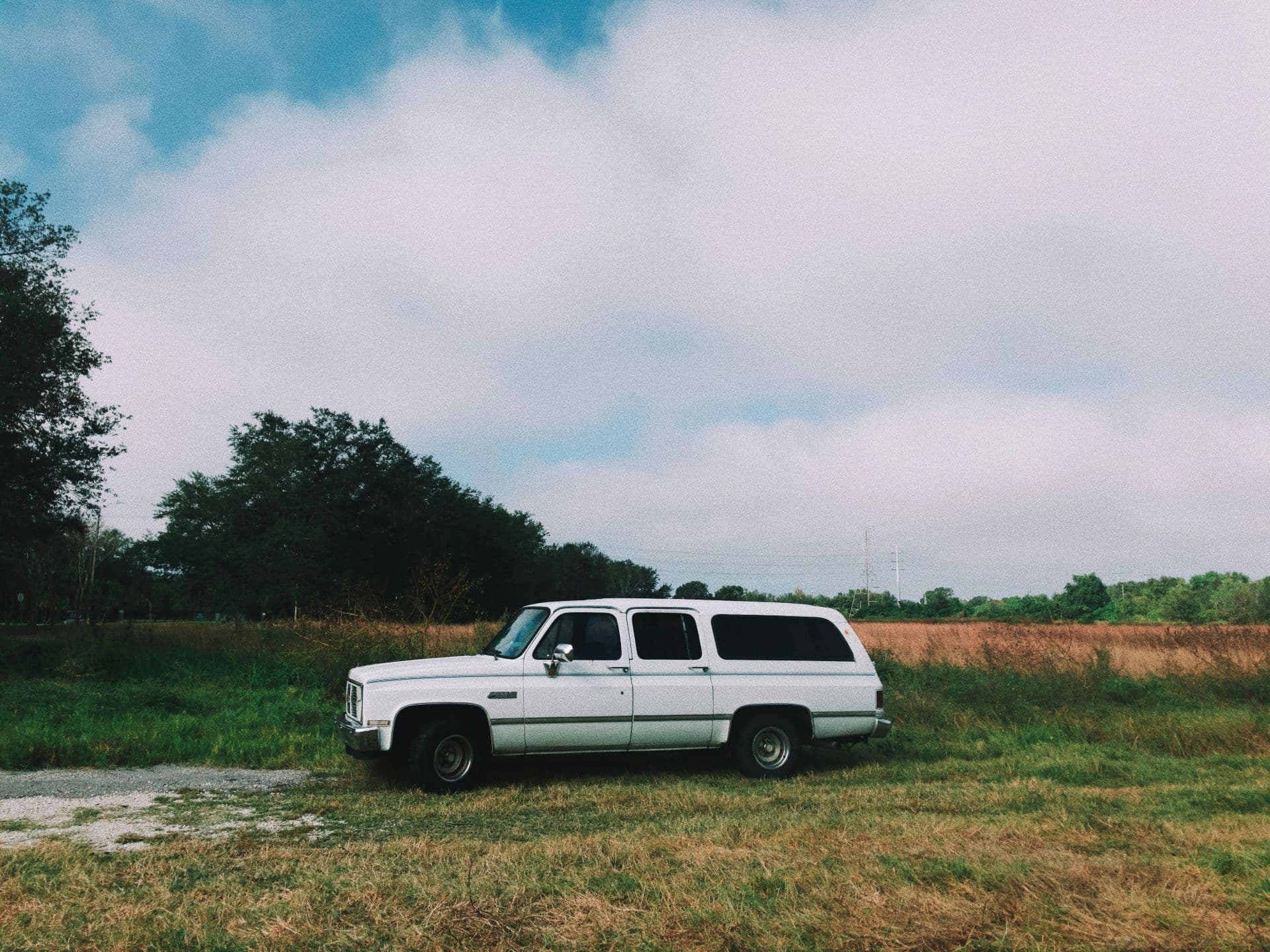
The landscape of automotive advertising has undergone a dramatic transformation in recent years. Gone are the days of flashy 30-second commercials featuring high-speed chases or sleek, close-up shots of a carÔÇÖs curves. Instead, many car brands are turning to cinematic short films to tell their stories. But why is this shift happening, and what does it mean for automotive enthusiasts?
In this article, we explore the rise of long-form advertising in the automotive industry, why car brands are embracing it, and the impact it has on both the industry and its devoted enthusiasts. From nostalgia-inducing storytelling to breathtaking visuals and emotionally-charged narratives, the world of car advertising is changingÔÇöletÔÇÖs take a closer look at this fascinating evolution.
The Changing Face of Automotive Advertising
The concept of long-form advertising isn't entirely new, but in the automotive world, itÔÇÖs gaining serious traction. Long-form content is typically defined as any advertising that exceeds the typical 30-60 second commercial length. For automotive brands, this often translates into cinematic short filmsÔÇösometimes as long as 10 minutes or more. These films are carefully crafted to evoke emotion, explore a brandÔÇÖs history, or showcase a vehicle's unique features in a way that resonates deeply with audiences.
In the past, traditional ads were focused on showcasing the carÔÇÖs featuresÔÇöspeed, design, and technologyÔÇöoften using fast-paced montages or dramatic soundtracks to convey these qualities. While these ads certainly grabbed attention, they were often fleeting, and their message rarely stuck with viewers. Now, brands are opting for long-form content to create stories that linger in the viewer's mind long after the screen goes dark.
For automotive enthusiasts, this shift towards cinematic short films is a welcome change. As people who have a deep passion for cars, they crave more than just a quick glimpse of a vehicle speeding down a highwayÔÇöthey want to see the artistry, craftsmanship, and thought that go into every design. These long-form ads are offering them just that.
Historical Context: The Evolution of Car Advertising
The art of car advertising has a rich history, shaped by the changing needs of consumers and the evolution of the car industry itself. In the early days, car ads were fairly simplistic, focusing primarily on the practical aspects of owning a carÔÇöefficiency, reliability, and comfort. The 1950s and 1960s saw the rise of the ÔÇ£dream carÔÇØ ad, with brands like Cadillac and Chevrolet showcasing luxury vehicles as symbols of success and elegance. These ads often relied on sleek, polished visuals and suave, sophisticated voiceovers to convey their message.
In the 1980s and 1990s, the car ad landscape shifted once again, embracing the power of action and adventure. Brands like Porsche, BMW, and Mercedes-Benz began incorporating dynamic shots of their cars speeding through dramatic landscapes or engaging in high-speed pursuits, tapping into the emotions of thrill-seeking enthusiasts. These ads had a powerful impact, but their influence was often limited to a brief, fleeting moment.
Fast forward to the 2000s and beyond, and the digital age revolutionized car advertising. With the explosion of the internet and social media, car manufacturers now had new platforms to connect with potential customers. Enter long-form advertising. By focusing on storytelling, automotive brands could create experiences that resonated more deeply with consumers, and long-form content was a natural next step in this evolution.
Why Long-Form Advertising?
So, why are car brands opting for short films instead of traditional ads? There are several reasons for this shift, many of which have to do with the way we consume media today.
First, traditional ads often fall short when it comes to conveying a brandÔÇÖs full narrative. While a 30-second commercial might highlight a carÔÇÖs design or performance, it rarely has enough time to build a connection with the audience. Long-form content, on the other hand, offers the space needed to tell a deeper, more compelling story. A well-crafted short film can evoke emotion, provide insight into a brandÔÇÖs values, and highlight the lifestyle that owning a certain vehicle can bring. This emotional connection is crucial in todayÔÇÖs world, where consumers are looking for more than just a productÔÇöthey want an experience.
Second, the rise of streaming platforms and social media has shifted the way we consume content. Viewers are no longer confined to television ads during commercial breaks. Instead, they have the power to choose what they watch, when they watch it, and for how long. This shift in consumption habits has led brands to rethink how they engage with consumers. A short film allows car brands to capture their audienceÔÇÖs attention for a longer period, providing a deeper connection than a quick commercial could.
Finally, long-form advertising allows car brands to showcase their vehicles in a more authentic and realistic way. Instead of relying on stylized shots or exaggerated claims, brands can demonstrate how their cars fit into real-life scenarios. This helps automotive enthusiastsÔÇöwho value authenticity and attention to detailÔÇöconnect with the brand on a personal level.
Case Studies: Successful Long-Form Car Ads
Several automotive brands have already embraced long-form content in their advertising strategies. LetÔÇÖs take a closer look at some standout examples.

Impact on Brand Image and Consumer Behavior
The shift to long-form advertising has had a profound impact on brand perception among automotive enthusiasts. These ads create an emotional connection that traditional ads simply cannot match. By investing in storytelling, car brands show that they understand the passions and values of their audience. This approach has helped to humanize these brands, making them feel more relatable and genuine.
Moreover, long-form content has helped to build stronger brand loyalty. Automotive enthusiasts often have deep connections to the brands they love, and these films further reinforce that bond. When a car brand invests in meaningful storytelling, it communicates that they value their customers and understand what drives them.
From a consumer behavior perspective, long-form ads also encourage more engagement. These films are more likely to be shared on social media, where viewers discuss and dissect them. This engagement leads to increased brand visibility and, in some cases, even drives sales. The combination of emotional storytelling and social media engagement has proven to be a powerful tool for automotive brands.
Challenges and Criticisms
Despite the many benefits of long-form advertising, there are challenges and criticisms to consider. One of the main concerns is the high production costs associated with creating these films. Cinematic storytelling requires skilled directors, writers, actors, and a significant budget for special effects, making it a costly endeavor for brands.
Additionally, thereÔÇÖs the issue of attention span. While long-form content has its advantages, it also runs the risk of losing viewers if the story doesnÔÇÖt resonate or if the pacing is too slow. Brands must ensure that their short films are engaging from start to finish, or they risk losing the audience's interest halfway through.
Another potential challenge is backlash. Long-form advertising is still a relatively new approach in the automotive world, and not all consumers may embrace it. Some enthusiasts may prefer the fast-paced, feature-driven commercials of the past. Brands must be mindful of this potential resistance and strike the right balance between traditional and long-form content.
The Future of Automotive Advertising
Looking ahead, the future of automotive advertising seems bright, with long-form content playing an even larger role. As technology continues to evolve, brands may incorporate virtual reality (VR) and augmented reality (AR) into their campaigns, allowing consumers to interact with cars in entirely new ways. Personalized advertising, where viewers are presented with content tailored to their preferences and interests, could also become more prevalent, further blurring the lines between entertainment and advertising.
One thing is certain: automotive advertising will continue to evolve. As long as car brands stay attuned to the needs and desires of their audiences, the possibilities for innovative, emotionally engaging campaigns are endless.

The shift towards long-form advertising in the automotive industry is an exciting development, particularly for enthusiasts who crave more than just the standard 30-second commercial. By embracing cinematic short films, car brands are able to tell deeper, more meaningful stories that resonate with viewers on a personal level. This trend has redefined the way automotive companies communicate with their audiences, blending art, technology, and passion into a compelling narrative.
As automotive advertising continues to evolve, we can only anticipate more captivating short films that showcase the artistry and innovation behind the vehicles we love. The future of car ads is not only about performance and designÔÇöitÔÇÖs about creating unforgettable experiences that speak to the heart and soul of every enthusiast.
Breyten Odendaal
Specializing in high-performance automotive advertising and digital marketing solutions, delivering cutting-edge insights and the latest news shaping the automotive industry in South Africa.
More From Advertising

Automotive Advertising in 2026: Selling Confidence in a More Competitive Market
As South Africa’s vehicle market becomes more competitive, automotive advertising needs to do more than announce a price or specification. It needs to help buyers understand value, ownership costs and why a vehicle suits their lives.

Automotive Digital Ads in South Africa: A Shift
Exploring how South Africa’s automotive advertising evolved from print and broadcast to data-driven, programmatic digital ecosystems.

The Video Shift in Car Buying Decisions in SA
Explore how video content shapes car purchase decisions in South Africa, comparing short-form and long-form strategies for automotive marketers.