
In recent years, nostalgia has become a powerful tool in marketing, particularly within the automotive industry. Car manufacturers have begun to revisit past glories by incorporating retro elements into their advertising campaigns, creating a bridge between classic appeal and modern innovation. This trend has proven to be incredibly effective, particularly when targeting automotive enthusiasts who often have a deep connection to the vehicles of their past. The emotional power of nostalgia plays a central role in selling modern cars, as it taps into sentiments of longing for simpler times, authenticity, and the enduring appeal of iconic designs. This article explores why retro ads resonate so strongly and how they continue to shape modern car sales.
The Power of Nostalgia
Nostalgia is more than just a fond recollection of the past; itÔÇÖs a psychological phenomenon that evokes a sense of warmth, comfort, and belonging. When consumers experience nostalgia, they are often transported back to a time they associate with happiness, security, or success. This emotional connection can be a potent tool in advertising, especially when the product being sold evokes those same positive memories.
For automotive enthusiasts, nostalgia is often tied to specific erasÔÇöwhether itÔÇÖs the muscle cars of the 1960s, the sleek designs of the 1980s, or the cultural milestones associated with certain vehicles. This emotional connection helps create positive brand associations that can drive loyalty. Nostalgic ads not only remind consumers of what they once loved but also provide a sense of continuity, blending the past with the present.
Nostalgia marketing has been successful across a wide range of industries, from fashion to technology. Brands like Coca-Cola and Nike have harnessed the power of retro-themed campaigns to reinforce their identity and evoke deep emotional connections with their audiences. This cross-industry success highlights the universal appeal of nostalgia as a marketing tool.
Case Studies of Successful Retro Car Ads
Several car brands have embraced nostalgia in their advertising strategies with remarkable success. VolkswagenÔÇÖs iconic ÔÇ£The ForceÔÇØ commercial from 2011 is one of the most memorable examples. The ad featured a young child dressed as Darth Vader attempting to use ÔÇ£The ForceÔÇØ to start a Volkswagen Passat. The blend of the Volkswagen brandÔÇÖs classic appeal with contemporary pop culture created an instant hit, sparking widespread discussions and a massive social media response. VolkswagenÔÇÖs clever use of nostalgiaÔÇöthrough its association with reliable family carsÔÇöhelped boost both brand awareness and sales.
Ford has also capitalized on its rich heritage through retro-themed ads, particularly with its Mustang. The brand's "The Mustang Has Always Been a Rebel" campaign highlighted the car's evolution while paying homage to its classic 1960s roots. By showing how the Mustang has stayed true to its rebellious spirit over the decades, Ford was able to appeal to a generation of enthusiasts who had fond memories of the original models while introducing the newer, more advanced Mustang to a younger audience.
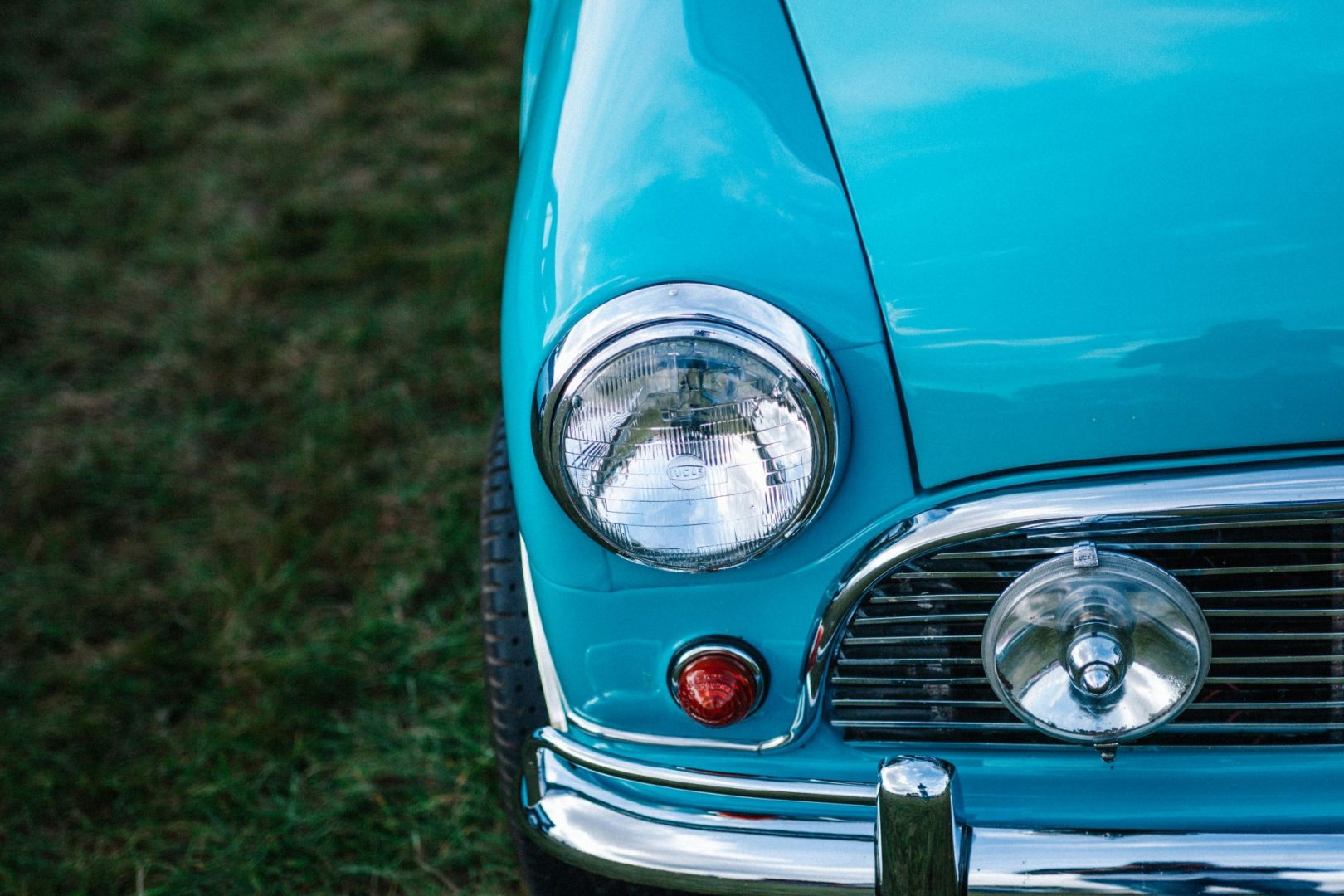
MINIÔÇÖs use of retro advertising is another case in point. The brand has built its identity on the timeless appeal of its classic 1960s design. MINIÔÇÖs marketing campaigns often feature imagery and messaging that evokes the carÔÇÖs roots, playing on its cultural significance and charm. These ads connect the classic, quirky essence of the MINI with the modern, tech-savvy features of the newer models, positioning the brand as both nostalgic and forward-thinking. MINIÔÇÖs ability to embrace retro aesthetics while incorporating cutting-edge technology has helped it maintain its appeal among both older and younger generations.
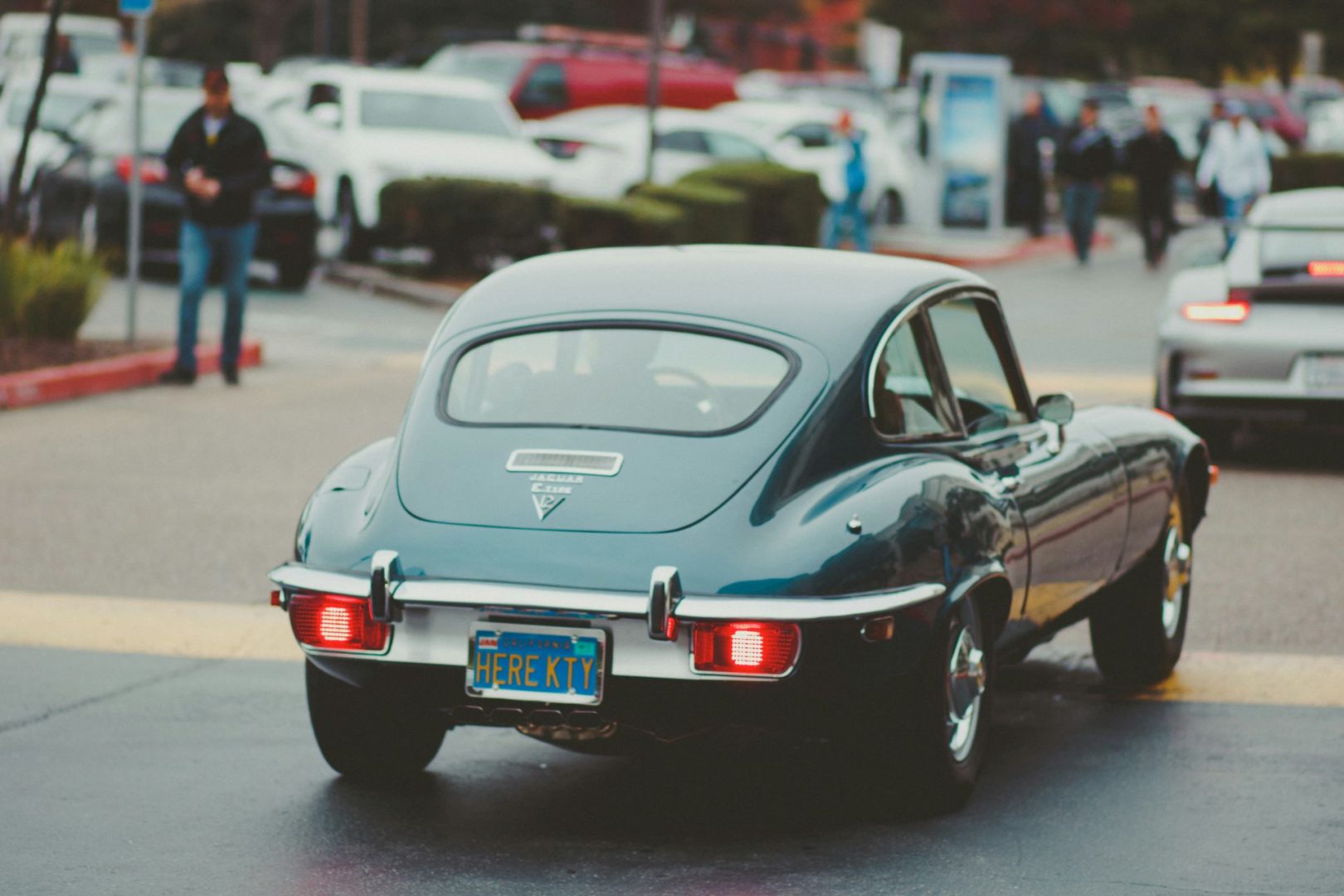
Connecting Past with Present
Car manufacturers have learned how to expertly balance nostalgic elements with modern sensibilities, creating campaigns that appeal to both traditional automotive enthusiasts and a younger audience. The key is to blend iconic design elementsÔÇösuch as classic body shapes, colors, or interior detailsÔÇöwith contemporary features that reflect technological advancements and current consumer demands.
The Ford Mustang, for instance, has kept its signature fastback silhouette while introducing modern performance upgrades like turbocharged engines and advanced infotainment systems. MINIÔÇÖs new models still carry the iconic compact design, but with updated, environmentally conscious technologies like electric drivetrains.
This strategy extends beyond the product itself to how itÔÇÖs marketed. Retro ads often use visuals, music, and messaging that hark back to an earlier era, but these elements are integrated seamlessly with modern aesthetics and values. The use of vintage-inspired music from the 60s or 70s, for example, can evoke memories of classic road trips or memorable TV moments while underscoring the productÔÇÖs connection to that era. This creates a sense of nostalgia while maintaining relevance in todayÔÇÖs competitive market.
The Role of Digital Media in Amplifying Nostalgia
The rise of digital media has provided a platform for retro ads to reach a broader audience more effectively than ever before. Social media platforms, particularly Instagram, YouTube, and TikTok, are ideal for nostalgic content because they offer a space for user-generated content, viral trends, and discussions that fuel engagement.
A prime example is ChevroletÔÇÖs ÔÇ£Find New RoadsÔÇØ campaign, which featured a combination of retro car footage and modern visuals. The ad was shared widely across social media, where users reminisced about classic models while also showcasing the innovation of newer cars. This fusion of old and new, amplified through digital media, helped strengthen ChevroletÔÇÖs brand perception as both nostalgic and forward-thinking.
User-generated content plays a significant role in enhancing the impact of nostalgia-driven campaigns. Fans and enthusiasts often create their own content based on retro ads or classic vehicles, further promoting the nostalgic elements associated with the brand. These grassroots efforts can create a snowball effect, generating even more attention for the brand and building a sense of community around its retro-inspired identity.
Potential Pitfalls of Nostalgia Marketing
While nostalgia marketing is powerful, itÔÇÖs not without its risks. Over-relying on nostalgia can alienate younger consumers who may not have the same emotional connection to the past as older generations. ThereÔÇÖs also the risk of appearing out-of-touch if the retro elements used in the ad feel too forced or disconnected from the brandÔÇÖs current identity.
One example of a nostalgia campaign that didnÔÇÖt quite resonate was PepsiÔÇÖs 2017 ad featuring Kendall Jenner, which attempted to tap into political and social movements with a sense of retro activism. The campaign was criticized for being tone-deaf and seemed disconnected from the modern-day issues it tried to reference.
To avoid these pitfalls, brands must carefully consider how they integrate nostalgia with modernity. Nostalgia should enhance, not replace, the brandÔÇÖs current values and technological advancements. A successful retro ad campaign should feel authentic and relevant, appealing to both past and present sensibilities.
Nostalgia marketing is a potent tool in the automotive industry, resonating deeply with consumersÔÇÖ emotional connections to past experiences and cultural milestones. Retro ads successfully tap into this emotional power, fostering brand loyalty and strengthening consumer relationships. However, itÔÇÖs essential for car manufacturers to balance nostalgic appeal with modern features to stay relevant in an increasingly competitive market. By blending vintage aesthetics with contemporary design and leveraging the power of digital platforms, brands can create campaigns that captivate automotive enthusiasts across generations. Ultimately, the blending of past and present enriches the car-buying experience, offering consumers a unique journey that celebrates both nostalgia and innovation.
Breyten Odendaal
Specializing in high-performance automotive advertising and digital marketing solutions, delivering cutting-edge insights and the latest news shaping the automotive industry in South Africa.
More From Advertising

Automotive Advertising in 2026: Selling Confidence in a More Competitive Market
As South Africa’s vehicle market becomes more competitive, automotive advertising needs to do more than announce a price or specification. It needs to help buyers understand value, ownership costs and why a vehicle suits their lives.

Automotive Digital Ads in South Africa: A Shift
Exploring how South Africa’s automotive advertising evolved from print and broadcast to data-driven, programmatic digital ecosystems.

The Video Shift in Car Buying Decisions in SA
Explore how video content shapes car purchase decisions in South Africa, comparing short-form and long-form strategies for automotive marketers.