
Nostalgia possesses a profound emotional power, serving as a bridge between our past experiences and present identities. In the realm of classic cars, this sentiment is particularly potent. These vehicles are not merely modes of transportation; they are time capsules that evoke memories of bygone eras, encapsulating the style, culture, and spirit of their times. The allure of classic cars lies in their ability to transport us to a different time, stirring emotions and memories that are both personal and collective.ÔÇïphable.io
The enduring appeal of classic cars is evident in the thriving communities of enthusiasts and collectors worldwide. Car shows, vintage rallies, and restoration clubs are testament to a collective yearning to preserve and celebrate automotive history. Each classic car tells a story, not just of its own journey through time but also of the era it represents. For many, owning or admiring a classic car is a way to connect with the past, to experience the craftsmanship, design, and driving experience of a different age.ÔÇï
Retro-themed marketing leverages this powerful sense of nostalgia to create emotional connections with consumers. By invoking memories of the past, brands can elicit feelings of comfort, familiarity, and trust. In the automotive industry, this approach has been particularly effective. Car manufacturers and marketers often draw upon the rich heritage of classic models, incorporating vintage design elements and storytelling into their campaigns to evoke a sense of timelessness and authenticity.ÔÇïphable.io
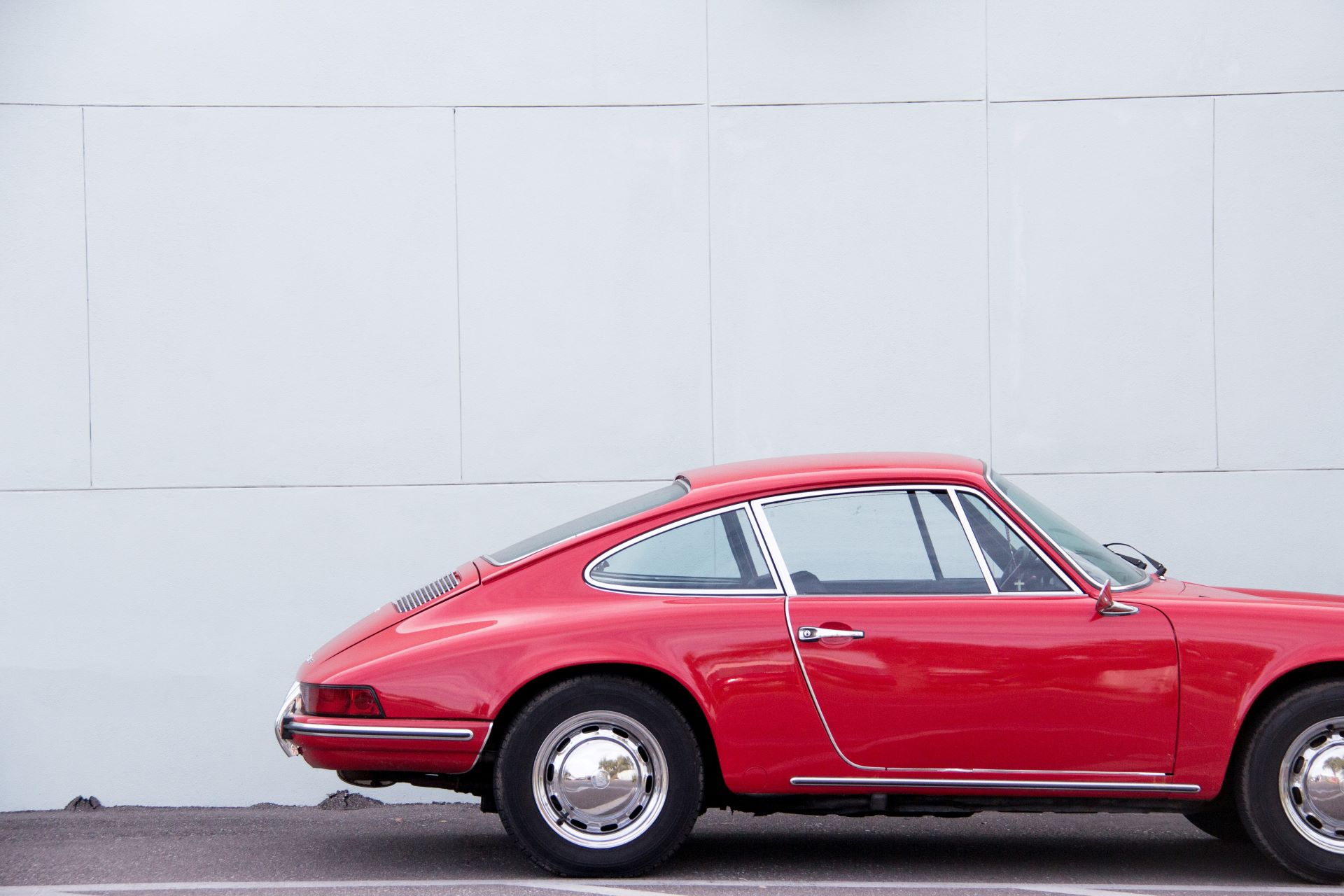
History of Classic Cars and Nostalgia
The history of classic cars is replete with iconic models that have left an indelible mark on automotive culture. Vehicles like the Ford Mustang, Chevrolet Corvette, and Jaguar E-Type are more than just cars; they are symbols of innovation, freedom, and style. Each of these models, upon their release, captured the zeitgeist of their respective eras, influencing not only automotive design but also popular culture.ÔÇï
The concept of "automotive nostalgia" stems from the emotional connections people form with these vehicles. Certain cars hold timeless appeal due to their distinctive designs, engineering excellence, or the cultural moments they represent. For instance, the Volkswagen Beetle, with its unique shape and history, evokes a sense of whimsy and rebellion associated with the 1960s counterculture. Similarly, the sleek lines of a 1950s Cadillac can transport admirers back to an era of post-war optimism and prosperity.ÔÇï
Collectors and enthusiasts often share personal anecdotes that highlight this deep-seated passion for vintage cars. One collector recalls restoring a 1965 Shelby Cobra, stating, "It's not just about the car; it's about preserving a piece of history and reliving the excitement of a golden era in motoring." Such stories underscore the emotional resonance these vehicles hold, serving as tangible links to the past.ÔÇï
Psychology of Nostalgia in Consumers
Nostalgia is a powerful psychological phenomenon that influences consumer behavior in significant ways. When individuals encounter nostalgic stimuli, it often triggers positive emotions such as joy, warmth, and a sense of belonging. This emotional response can create a comforting bridge between the past and present, enhancing one's mood and overall sense of well-being.ÔÇïphable.io
Research supports the effectiveness of nostalgia in marketing. Studies have shown that nostalgic content can increase consumers' willingness to spend and foster stronger brand connections. By tapping into cherished memories, brands can create a sense of familiarity and trust, making consumers more receptive to their messages. This strategy is particularly effective in the automotive industry, where heritage and legacy play pivotal roles in brand identity.ÔÇïphable.io
Retro-Themed Marketing Strategies in the Automotive Industry
The automotive industry has a rich history of successful retro-themed marketing campaigns that have effectively leveraged nostalgia to engage consumers. These campaigns often draw upon a brand's heritage, iconic models, and vintage aesthetics to create a sense of timelessness and authenticity.ÔÇï
Case Studies of Successful Retro-Themed Campaigns
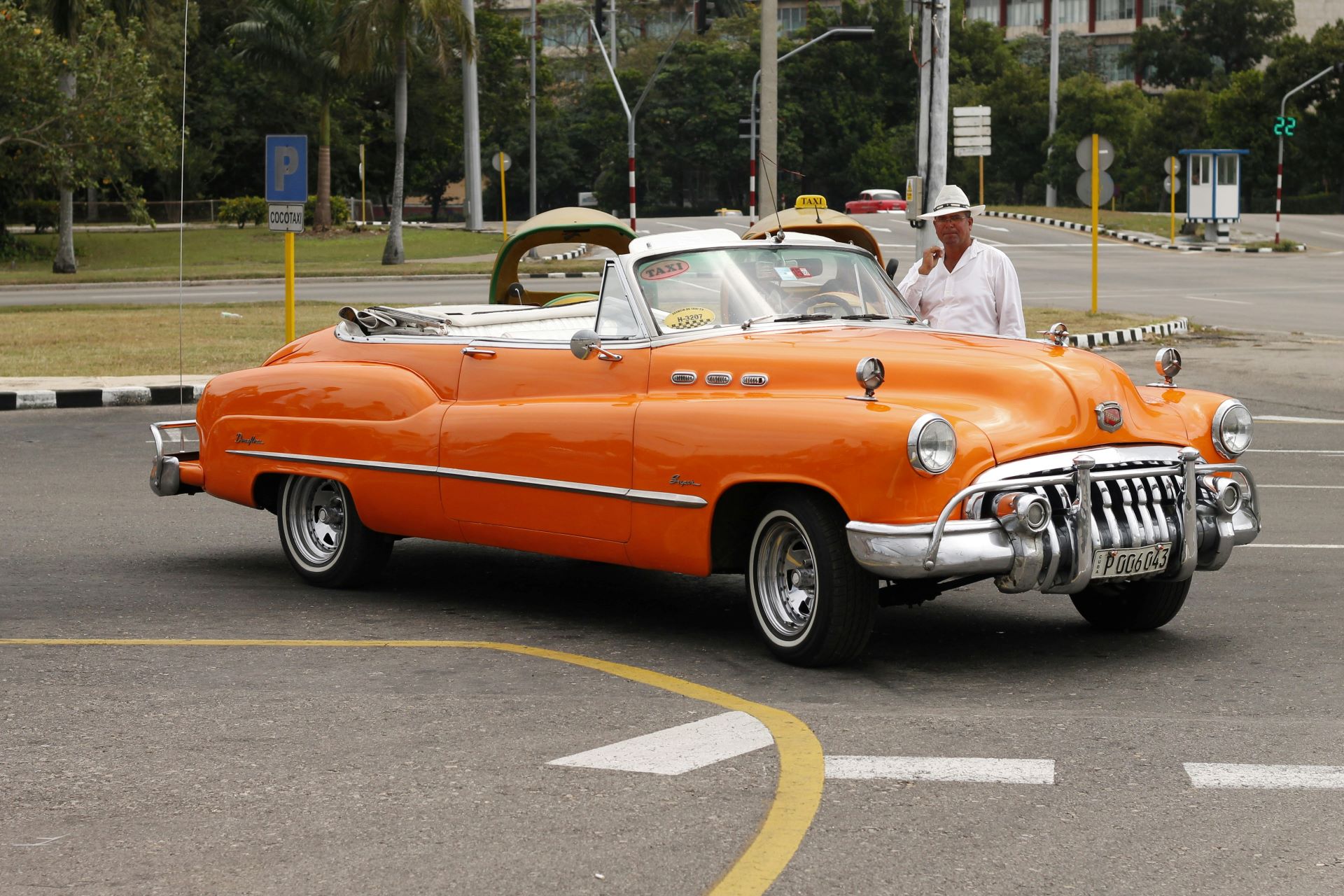
Balancing Nostalgia with Modern Relevance
While leveraging nostalgia is a powerful strategy, it is crucial for automotive brands to balance retro elements with modern innovations to stay relevant. Incorporating contemporary technology, safety features, and performance enhancements ensures that retro-themed models meet current consumer expectations. For example, while the exterior design of the new Ford Bronco pays tribute to its classic predecessor, the vehicle boasts advanced off-road capabilities and modern infotainment systems, appealing to today's consumers.
The Impact of Nostalgia on Brand Loyalty and Community Building
Nostalgia plays a crucial role in fostering brand loyalty and strengthening automotive communities. When consumers associate positive memories with a particular brand or model, they are more likely to develop a lasting emotional connection. This connection often translates into repeat purchases, brand advocacy, and engagement in brand-related activities such as car clubs, rallies, and online forums.
Car manufacturers recognize the value of nostalgia in cultivating brand loyalty. For instance, Jeep has maintained a dedicated fan base by preserving the rugged, utilitarian aesthetic of its classic models while integrating modern performance enhancements. Similarly, Porsche has successfully retained its brand heritage by ensuring that each new iteration of the 911 pays homage to its iconic predecessors.
Beyond individual loyalty, nostalgia fosters a sense of community among classic car enthusiasts. Events like the Goodwood Revival, Pebble Beach Concours d'Elegance, and Cars & Coffee gatherings celebrate automotive history, allowing enthusiasts to share stories, showcase restorations, and bond over their mutual appreciation for vintage automobiles. Online platforms also serve as hubs for nostalgic engagement, with forums and social media groups dedicated to classic car restoration, historical discussions, and memorabilia collection.
Future Trends in Retro-Themed Automotive Marketing
As the automotive industry embraces electrification and autonomous technologies, brands will need to find innovative ways to incorporate nostalgia into their marketing strategies. Some potential future trends include:
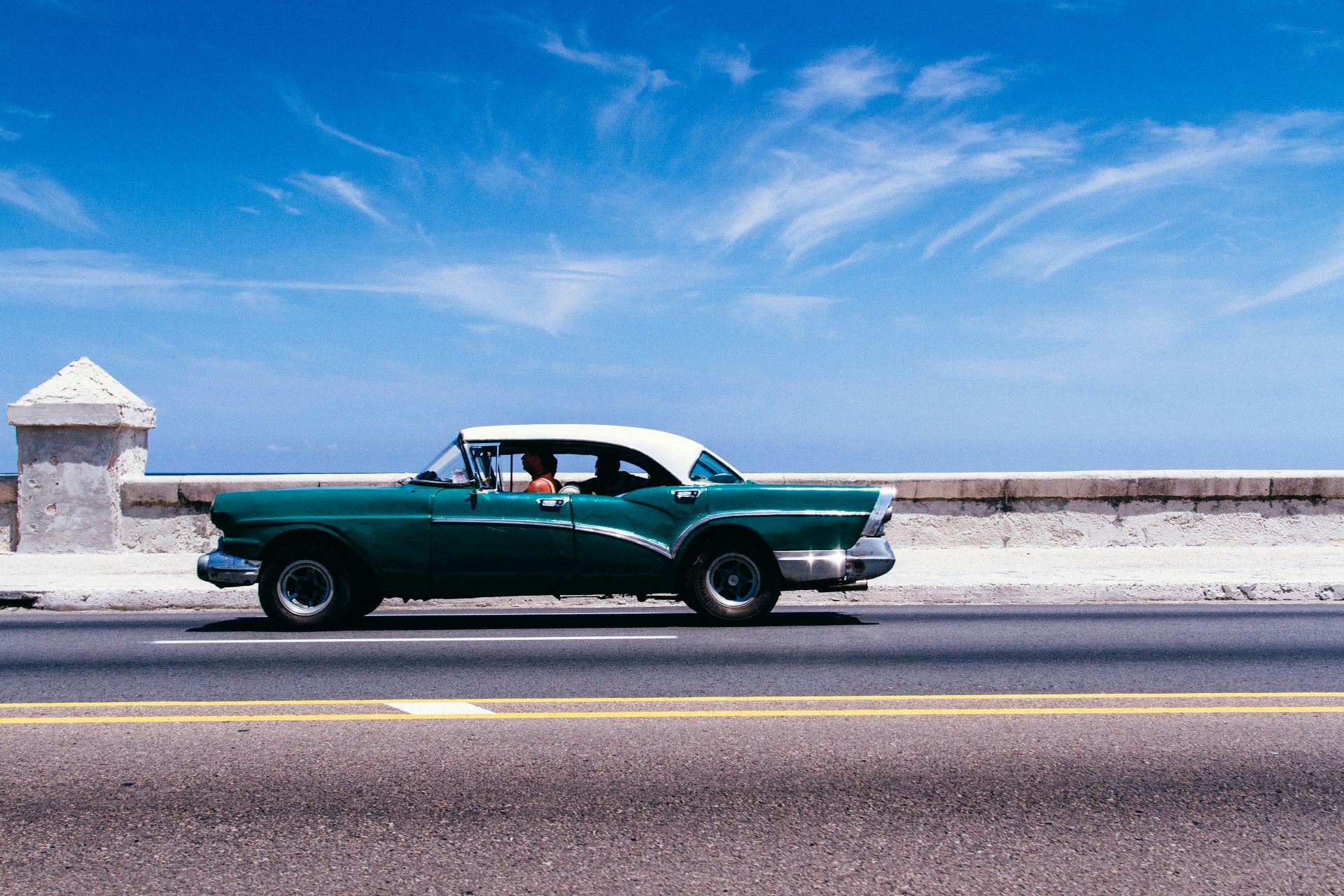
Nostalgia remains a powerful force in the automotive industry, influencing consumer emotions, brand loyalty, and purchasing decisions. Classic cars serve as cultural touchstones that evoke memories of the past while shaping the future of automotive design and marketing.
By skillfully integrating retro elements with modern advancements, car manufacturers can continue to leverage nostalgia to engage audiences, drive sales, and preserve the rich heritage of the automobile. As the industry evolves, the interplay between past and present will remain a defining factor in the success of retro-themed automotive marketing campaigns.
Breyten Odendaal
Specializing in high-performance automotive advertising and digital marketing solutions, delivering cutting-edge insights and the latest news shaping the automotive industry in South Africa.
More From Advertising

Automotive Advertising in 2026: Selling Confidence in a More Competitive Market
As South Africa’s vehicle market becomes more competitive, automotive advertising needs to do more than announce a price or specification. It needs to help buyers understand value, ownership costs and why a vehicle suits their lives.

Automotive Digital Ads in South Africa: A Shift
Exploring how South Africa’s automotive advertising evolved from print and broadcast to data-driven, programmatic digital ecosystems.

The Video Shift in Car Buying Decisions in SA
Explore how video content shapes car purchase decisions in South Africa, comparing short-form and long-form strategies for automotive marketers.