
For decades, the automotive industry has been defined by a singular obsession: horsepower. The thrill of acceleration, top speeds, and raw mechanical power dominated marketing campaigns and consumer desires. However, a fundamental shift is occurring. Today, car brands are focusing less on sheer performance and more on lifestyle-oriented features. This evolution reflects broader cultural, technological, and environmental changes, shaping the way manufacturers design, market, and position their vehicles. In an era where connectivity, luxury, and sustainability are paramount, the question arises: Has horsepower taken a backseat to lifestyle?
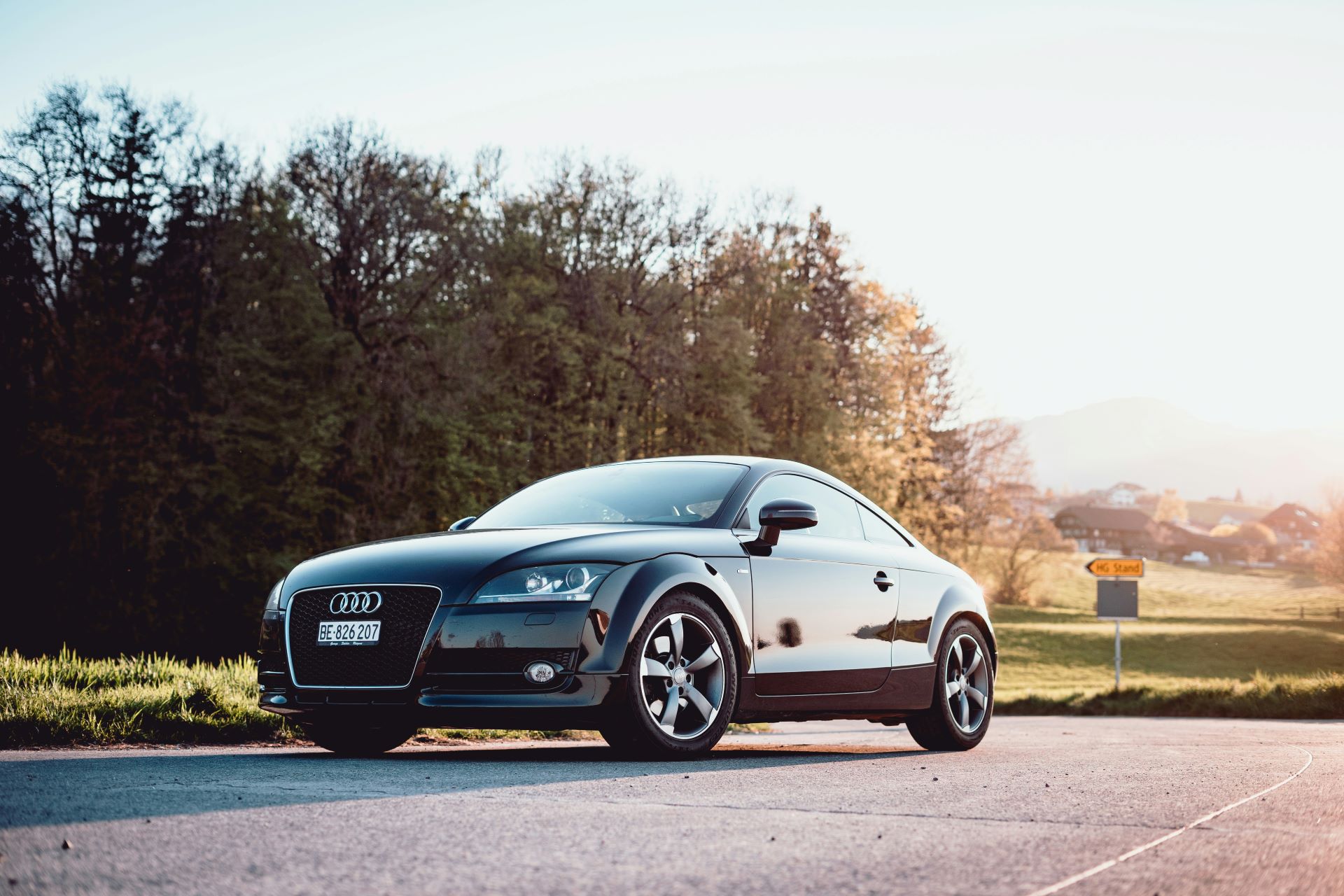
The Reign of Horsepower
From the muscle car era of the 1960s to the supercar boom of the 1990s, horsepower has long been a defining metric of automotive excellence. Iconic models such as the Ford Mustang, Chevrolet Camaro, and Ferrari F40 exemplified a time when brute force was king. Manufacturers competed fiercely to push performance boundaries, with each generation of vehicles boasting more power than the last. This emphasis on speed and engine output was not just a marketing tacticÔÇöit was a cultural phenomenon, deeply ingrained in car enthusiasts' identities. But as the 21st century progressed, new priorities began emerging.
Emerging Trends: The Shift Toward Lifestyle Features
The modern car buyer's priorities have changed significantly. While performance still matters, other factors are becoming just asÔÇöif not moreÔÇöimportant. Features such as advanced infotainment systems, seamless connectivity, ergonomic luxury, and sustainability are driving purchasing decisions.
Brands like Tesla have pioneered this shift, with vehicles like the Model S focusing as much on software and user experience as on acceleration. Meanwhile, automakers such as Volvo and Lexus emphasize comfort, safety, and aesthetic appeal. Even performance-oriented brands like Porsche and BMW are integrating cutting-edge lifestyle features, ensuring their vehicles align with evolving consumer expectations.
Cultural and Consumer Shifts: A New Definition of Status
Several cultural factors have influenced this transition. The rise of urban living means many consumers prioritize compact, versatile vehicles over high-powered gas guzzlers. Environmental awareness has led to a surge in demand for electric and hybrid vehicles, where efficiency and design take precedence over raw horsepower.
Moreover, the concept of automotive status has shifted. In the past, owning a high-horsepower vehicle was a symbol of prestige. Today, a car's technology, design, and ability to integrate with a digital lifestyle are just as important. The success of brands like Land Rover, which sells a lifestyle as much as an SUV, exemplifies this evolution. Customers want vehicles that complement their personal brandÔÇöwhether that means a rugged off-road adventurer or a tech-savvy urban commuter.
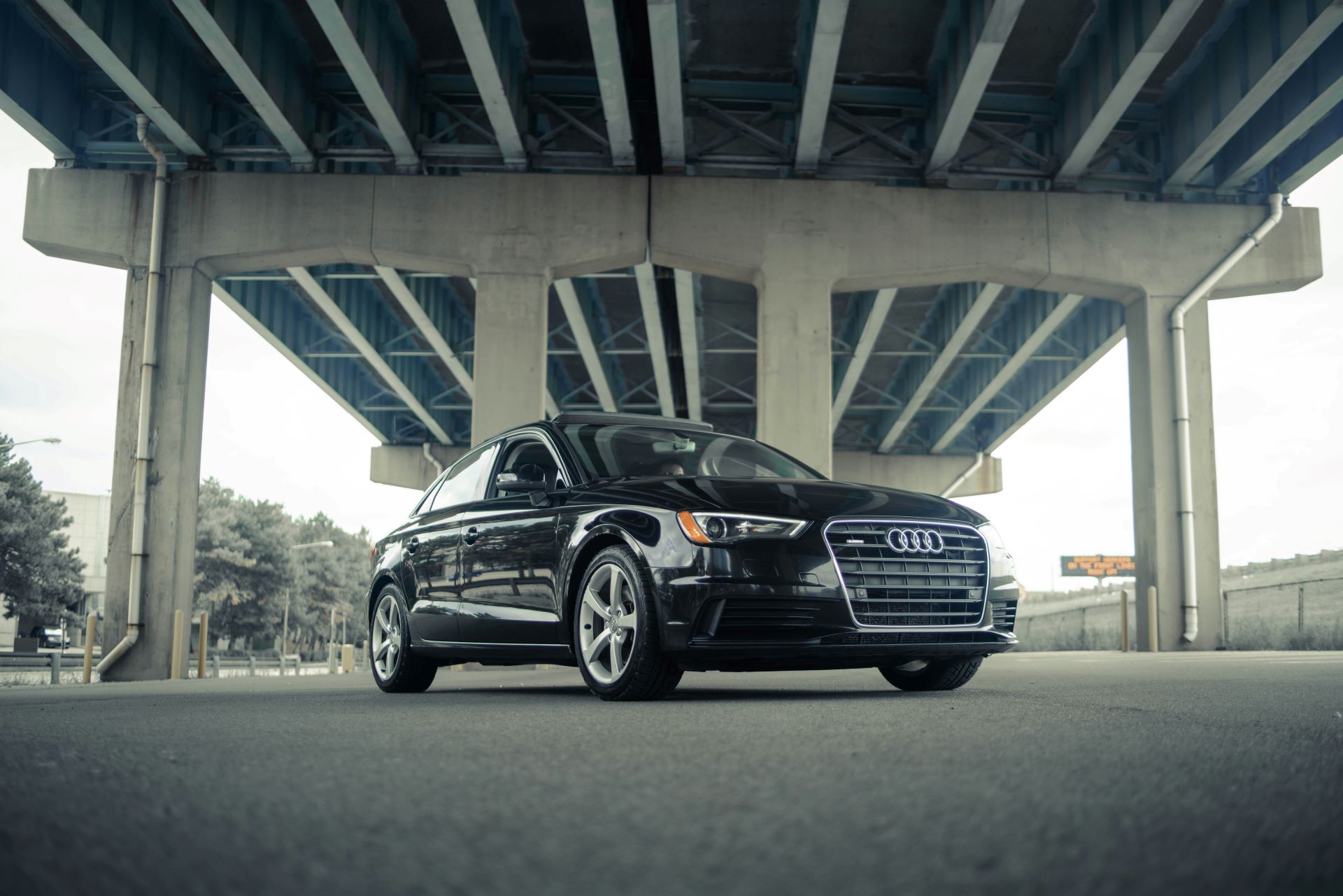
Lifestyle Features and Innovations: Beyond the Engine
Modern cars offer an array of lifestyle-oriented features that redefine the driving experience. Advanced driver assistance systems (ADAS) enhance safety and convenience, while AI-driven infotainment systems provide personalized in-car experiences. Automakers are integrating wellness-focused features such as ambient lighting, massaging seats, and cabin air purification to cater to a more holistic driving experience.
Additionally, sustainable materials and innovative designs are reshaping interiors. Companies like BMW and Audi have introduced vegan leather and recycled materials in their interiors, reflecting a growing consumer preference for eco-conscious luxury. The increasing popularity of subscription-based ownership models also highlights the shift toward experience over outright performance.
Impact on Automotive Design and Marketing
This shift in consumer preferences has had a profound impact on how vehicles are designed and marketed. Automakers are investing heavily in research and development to create cars that seamlessly blend technology with everyday life. Design philosophies now prioritize functionality, aesthetics, and customization options.
Marketing strategies have also evolved. Traditional advertisements showcasing high-speed chases and engine revs are being replaced with campaigns emphasizing seamless connectivity, lifestyle integration, and environmental responsibility. Brands such as Mercedes-Benz and BMW now promote their vehicles as mobile sanctuaries, focusing on luxury, craftsmanship, and smart technology.
Challenges and Criticisms: The Purist's Dilemma
Not everyone welcomes this transition. Automotive purists argue that the industry is losing its essence, sacrificing the visceral thrill of driving for convenience and comfort. Critics contend that performance is being diluted in favor of features that, while appealing, do not necessarily enhance the driving experience.
However, automakers are finding ways to strike a balance. High-performance brands such as Ferrari and Lamborghini continue to innovate in engine technology while incorporating modern conveniences. Additionally, the rise of electric performance vehiclesÔÇösuch as the Porsche Taycan and the Rimac NeveraÔÇödemonstrates that speed and technology can coexist harmoniously.
Future Outlook: The Road Ahead
As the automotive landscape continues to evolve, lifestyle-oriented features are expected to become even more integral to vehicle design. The rise of autonomous driving will likely further redefine how people interact with their cars, shifting the focus from driving dynamics to in-car experiences.
Moreover, as electric vehicle adoption grows, traditional measures of performance such as horsepower and torque may become secondary to factors like range, charging infrastructure, and software capabilities. The industry is entering an era where software updates, AI-driven personalization, and connectivity will determine a vehicleÔÇÖs desirability as much asÔÇöif not more thanÔÇöits power output.
The shift from horsepower to lifestyle represents a fundamental transformation in the automotive industry. While performance remains an important factor, the modern car buyer values experience, technology, and personalization just as much. Automakers that successfully integrate these elements into their designs will thrive in this new era, while those clinging solely to traditional performance metrics may struggle to keep up.
Ultimately, the car of the future will not just be a machineÔÇöit will be an extension of personal identity, seamlessly woven into the fabric of daily life. Whether through luxurious interiors, cutting-edge technology, or sustainable innovations, the automobile is evolving into something greater than just a means of transportation. It is becoming an essential part of the modern lifestyle.
Breyten Odendaal
Specializing in high-performance automotive advertising and digital marketing solutions, delivering cutting-edge insights and the latest news shaping the automotive industry in South Africa.
More From Advertising

Automotive Advertising in 2026: Selling Confidence in a More Competitive Market
As South Africa’s vehicle market becomes more competitive, automotive advertising needs to do more than announce a price or specification. It needs to help buyers understand value, ownership costs and why a vehicle suits their lives.

Automotive Digital Ads in South Africa: A Shift
Exploring how South Africa’s automotive advertising evolved from print and broadcast to data-driven, programmatic digital ecosystems.

The Video Shift in Car Buying Decisions in SA
Explore how video content shapes car purchase decisions in South Africa, comparing short-form and long-form strategies for automotive marketers.