
In the global automotive arena, the tentÔÇæpoles of yesterday ÔÇö the established Western, Japanese and Korean OEMs ÔÇö find themselves confronted by a new wave of challengers. The likes of BYD Auto, Geely Automobile and NIO are not just incremental entrants: theyÔÇÖre rewriting the playbook. Their rise has many facetsÔÇöengineering prowess, scale, domestic market strengthÔÇöbut a crucial dimension lies in how they market. What their marketing strategies reveal is not merely how they promote cars, but how the autoÔÇæmarket of the future will operate.
This article dissects the aggressive, digitallyÔÇænative tactics Chinese OEMs deploy, their value propositions, influencer ecosystems and content formats. For marketers, copywriters and strategists (yes, that means you), this is a deep dive into the arsenal of tomorrowÔÇÖs automotive marketing.

The Landscape of Disruption
A shifting market dynamic
ChinaÔÇÖs auto industry is not just big; it is becoming pivotal. About 85ÔÇ»% of Chinese consumers are now open to buying a domestic vehicle, a shift that signals strong brandÔÇæconfidence and rapid maturation of Chinese OEMs. On export fronts and in emerging markets such as the Middle East and GCC, Chinese brands are already grabbing meaningful share. The upshot: Chinese OEMs are both challengers and soon, perhaps, standardÔÇæbearers in global automotive markets.
Why marketing matters more than ever
In this environment, product parity is increasingly commonÔÇöelectric powertrains, connectivity, ADAS features are table stakes. What differentiates a brand is how it engages consumers, how it creates desire, how it shifts perceptions. And Chinese OEMs are leaning into this aggressively. Unlike legacy OEMs weighed down by entrenched channel structures and incremental mindsets, Chinese brands adopt digitalÔÇænative, agile approaches to marketing, often foregoing the old dealershipÔÇæcentric inertia.
DigitalÔÇÉFirst Tactics ÔÇô The Engine of Growth
DirectÔÇætoÔÇæconsumer and omniÔÇæchannel mastery
Modern Chinese automotive marketing pivots around direct connection to the endÔÇæuser rather than purely via thirdÔÇæparty dealers or distributors. According to consulting analyses, key ingredients include: doubling down on digital and analytics; delivering a seamless omniÔÇæchannel experience; and trading traditional intermediaries for closer customer engagement.
What this means in practice: personalised online preÔÇæqualification, mobile apps or miniÔÇæprograms for booking, testÔÇædrives, vehicle delivery ÔÇö all tied into CRM systems and data analytics that prioritise highÔÇævalue leads. Silent in the approach: the switch from mass broadcast to tailored journey.
Analytics, lead management and conversion optimisation
One revealing insight: Chinese OEMs are using machineÔÇælearning and bigÔÇædata to sift among leads, match the right salesperson to the right prospect, and deliver customised content (colour, trim, range, feature set) at the right moment. When you combine this with a marketing mindset that assumes digital touchpoints dominate the customer journey, the advantage becomes significant.
Online content ecosystems, socialÔÇæfirst marketing
Beyond conversion funnels, Chinese OEMs embrace content formats and social engagement channels that older OEMs often treat as afterÔÇæthoughts. WeChatÔÇæminiÔÇæprograms, livestreams, shortÔÇævideo platforms, KOL (key opinion leader) partnerships, gamingÔÇæinspired brand activationsÔÇöthey are all in the toolkit. For example, older automotiveÔÇædealer marketing in China regarded print ads as ÔÇ£overÔÇærated.ÔÇØ The new normal is realÔÇætime social engagement, influencerÔÇæled walkthroughs, and community building.
Rapid iteration and agile campaigns
Chinese OEMs often adopt agile development of marketing, sales and afterÔÇæsales systemsÔÇöupdates every few weeks, quick feedback loops, fast pivots. This speed of iteration gives them a marketing velocity that legacy OEMs struggle to match: they can capitalise on trends, adjust messaging, test content formats and roll out new offers at a pace that aligns with digital consumer behaviour.
Value Propositions and Positioning ÔÇô The Content Behind the Hype
ÔÇ£More car for less moneyÔÇØ ÔÇô value disruption
One of the striking features of Chinese OEM marketing is how bold the value equation is. In many markets they offer features previously considered premium, at significantly lower price points. For example, in the GCC region Chinese OEMs are delivering smartÔÇæfeatures SUVs and sedans at 25ÔÇæ30ÔÇ»% lower price than Japanese/Korean incumbents. This creates room in marketing messaging to emphasise ÔÇ£unexpected premium features at an accessible priceÔÇØ ÔÇö a powerful hook.
Premium positioning and aspirational messaging
But value doesnÔÇÖt always mean ÔÇ£cheap.ÔÇØ Chinese OEMs also play premium. Brands like NIO target highÔÇæend EV drivers offering advanced features and high price points. The marketing moves to ÔÇ£luxury tech lifestyleÔÇØ rather than bargain basement. The dual strategy matters: value disruptor + premium innovator.
The car as platform, ecosystem and lifestyle
Chinese OEM marketing frames cars not just as vehicles, but as connected mobility hubs. Services, software updates, memberships, battery swap networks (in specific cases) become part of the offering. In other words: marketing is less about ÔÇ£hereÔÇÖs the carÔÇØ and more about ÔÇ£hereÔÇÖs the mobility lifestyle.ÔÇØ This is a shift in how value is communicated, and it aligns strongly with digitalÔÇæfirst consumers.
Localisation and consumer understanding
Chinese OEMs are adept at tailoring offerings to the precise needs, culture and aspirations of target markets. In the GCC example: customising SUVs for space and durability, pricing for affordability, tech for young techÔÇæsavvy consumers. Similarly in their home market they tune features, style and marketing narratives to younger, connected, brandÔÇæconscious consumers.
Influencer Ecosystems & Community Engagement
Leveraging Key Opinion Leaders (KOLs) and influencers
In China, influencers (often called KOLs) hold enormous sway in automotive discovery and purchase decisions. Chinese OEMs integrate these influencers into product launches, livestream events, userÔÇæreviews, interactive sessions. The car brand becomes part of the influencerÔÇÖs narrative, lifestyle context and content world.
This approach bypasses the traditional ÔÇ£car reviewerÔÇØ channel and taps the social identity of younger buyers.
Creating brand communities and evangelists
Beyond oneÔÇæoff influencer tieÔÇæups, Chinese OEMs build communitiesÔÇöowners groups, branded forums, loyalty ecosystems that communicate new features, upgrades, events. This communityÔÇædriven content fuels marketing. It becomes a virtuous circle: happy owners create content, share experiences, attract new prospects. The marketing voice is less ÔÇ£brand saysÔÇØ and more ÔÇ£owners tell.ÔÇØ
Gamification, liveÔÇæstreaming and interactive formats
Events such as virtual test drives, liveÔÇæstreamed reveals, realÔÇætime Q&A sessions, interactive apps all play into the marketing drumbeat. These content formats reflect Chinese consumer behaviour (very mobileÔÇæfirst, very social, very used to livestream commerce) and are wellÔÇæsuited to Chinese OEMsÔÇÖ global ambitions. They also enable telling the story of technology, connectivity and innovation in an engaging format rather than static brochure.
Content Formats & Channels ÔÇô The Mechanics of Engagement
ShortÔÇæform video, mobileÔÇæled storytelling
Chinese OEMs invest heavily in shortÔÇævideo formats (think TikTok equivalents, WeChat videos, IG reels) to tell brand stories. Because attention spans are short and mobile is king, marketing content is crafted to be snackable, visually rich, interactive. In automotive marketing this might mean: a twoÔÇæminute tease of interior tech, a 60ÔÇæsecond liveÔÇæwalkthrough of the cockpit, a 15ÔÇæsecond clip showing overÔÇætheÔÇæair update installation. These formats align with how younger consumers consume media.
Interactive apps, miniÔÇæprograms and microsites
The digitally native flow means that marketing doesnÔÇÖt just push content ÔÇö it pulls users into actions: configure your car in our app, join our online showroom, book a testÔÇædrive via WeChat miniÔÇæprogram, sign up for exclusive events. This interactivity creates leadÔÇægeneration and conversion avenues seamlessly integrated into the marketing funnel.
NarrativeÔÇærich and techÔÇædriven storytelling
Changemakers in Chinese OEM marketing speak in terms of ÔÇ£mobility solutionsÔÇØ, ÔÇ£smart cockpitsÔÇØ, ÔÇ£software defined vehiclesÔÇØ rather than just ÔÇ£engine powerÔÇØ, ÔÇ£horseÔÇæpowerÔÇØ, ÔÇ£seatsÔÇØ. The content emphasises connectivity, overÔÇætheÔÇæair updates, autonomous features, battery tech and integration with lifestyle. This is marketing that positions the car as part of a broader ecosystemÔÇöeven before the buyer drives it.
GlobalÔÇæready, localÔÇæsensitive content
When Chinese OEMs push into export markets, their marketing also adapts: local languages, local influencers, localised features (leftÔÇæhand drive, climate adaptations, local service assurances) all get emphasised. The marketing narrative shifts from ÔÇ£Chinese brandÔÇØ to ÔÇ£global brand from China with local relevanceÔÇØ. The upfront value proposition (ÔÇ£more car for less moneyÔÇØ), plus digitalÔÇæfirst, plus localised storytelling, becomes a compelling global formula.

Implications for the Future of Automotive Marketing
Marketing velocity will become the differentiator
If the Chinese OEM playbook shows anything, itÔÇÖs this: speed of iteration, responsiveness to the socialÔÇædigital moment, ability to customise messaging and content quickly will differentiate winners. Legacy OEMs locked into traditional media buys, long campaign cycles and dealershipÔÇæcentric flows will struggle.
Ownership (and to some extent brandÔÇæloyalty) will morph
Chinese OEMsÔÇÖ marketing frames cars as platforms, services and devicesÔÇönot simply durable goods. Marketing will increasingly emphasise subscriptions, software updates, ecosystem memberships. The consumer relationship extends beyond the sale. Copywriters need to think in terms of ongoing engagement rather than oneÔÇætime purchase.
Influencers and community content will overtake broadcast campaigns
Traditional bigÔÇæbudget TV spots and print ads will fade (especially among younger buyers). Influencer ecosystems, peer content, livestream testing, immersive digital experiences will drive the purchase journey. Brands will need to build content factories, digital studios, influencer alliances ÔÇö not just signage.
DataÔÇædriven personalisation will shift from ÔÇ£nice to haveÔÇØ to ÔÇ£must haveÔÇØ
As Chinese OEMs show, using analytics to personalise at scale ÔÇö matching the right offer, the right model, the right colour, the right upgrade to the right buyer at the right moment ÔÇö will be mandatory. Marketing segments will become microÔÇæmoments rather than broad demographics.
The geographic boundaries blur
Chinese OEMs are proving that a brand born in China can design, market and sell globally. For copywriters and marketers in South Africa and other markets, this means youÔÇÖll face messaging calibrated for hyperÔÇæcompetition, hyperÔÇædigital, hyperÔÇæglobal. Your work needs to be sharper, faster and more digitally integrated.
Lessons for South African and International Automotive Marketers
Embrace local digital ecosystems
In South Africa (and across Africa), mobile usage, socialÔÇæmedia penetration and influencer trust are high. The Chinese OEM playbook suggests investing more in mobileÔÇæfirst experiences, local influencer partnerships, and content that is locally relevant but globally inspired.
Value messaging must be credible and specific
South African consumers care about features, reliability, cost of ownership, service networks. Chinese OEM marketing highlights value via smart features at accessible price points. International marketers can adapt this by emphasising realÔÇælife benefits (connectivity, overÔÇætheÔÇæair updates, design) and pairing those with costÔÇætransparency.
Build community and engagement, not just oneÔÇætime sales
Encourage owners to become advocates, build local brand communities, host digital events, create content with owners. The stronger the community, the less you rely solely on paid media.
Content formats must match modern attention spans
ShortÔÇæform video, livestreams, social commerce, interactive appsÔÇöall work. The challenge for automotive marketers is producing quality but snappy content. Long brochures still have their place, but the digital tide is irreversible.
Think of the car as a device in the marketing message
Feature the software, updates, digital connectivity, services. Position the vehicle not just as transport, but as a hub of mobility and digital lifestyle. That narrative will resonate especially with younger buyers.
Risks, Challenges and What Chinese OEMs Still Must Fix (Thus What Marketers Should Watch)
Brand perception and trust
Despite progress, many global consumers remain cautious about Chinese automotive brands. Building brand equity, demonstrating reliability, service network strength, warranty and residualÔÇævalue messaging is essential. The marketing strategy needs to counter suspicion and build confidence.
AfterÔÇæsales ecosystem and service experience
Great marketing draws buyers inÔÇöbut longÔÇæterm loyalty is earned via service. Chinese OEMs are increasingly investing in dealer networks, service centres and local partnerships. Marketers must include this in messaging: ÔÇ£weÔÇÖll be there for youÔÇØ.
Channel conflict and dealer relationships
Moving to directÔÇætoÔÇæconsumer models or heavy online presence can strain traditional dealership relationships. The transitions are complex, especially globally with legacy networks. Marketing must navigate channel messaging carefully.
Exporting the message globally
What works in China (very mobileÔÇæfirst, liveÔÇæstream commerce, WeChatÔÇæecosystem) may not map perfectly to Africa, Europe or South America. Marketers need to adapt formats, channels and cultural codes. The Chinese OEMsÔÇÖ global ambitions will force them to localise their marketing heavily.
What to Monitor Next ÔÇô Trends Emerging from Chinese OEM Marketing
Subscription and ÔÇ£carÔÇæasÔÇæserviceÔÇØ offerings
Chinese OEMs are experimenting with model subscriptions, batteryÔÇæswap ecosystems, software upgrades. Marketing will increasingly focus on services rather than just vehicle purchase.
Metaverse, virtual showrooms, gamified engagement
As automotive marketing becomes more immersive, expect Chinese OEMs to pioneer digital showrooms, AR/VR experiences, virtual test drives and gamified configurations.
HyperÔÇælocal influencer networks + microÔÇæcontent factories
Rather than a few celebrity influencers, expect thousands of microÔÇæinfluencers, ownerÔÇæcreators, regionallyÔÇæcalibrated content hubs driving engagement.
SoftwareÔÇædriven feature launches and update marketing
Cars that improve after you buy them will change marketing dynamics: your car gains features, the brand sends you content about new updates, and marketing becomes retention and upgradeÔÇædriven as well as acquisitionÔÇædriven.
###GlobalÔÇæfirst, digitalÔÇæfirst product launches
Gone are the days of regionÔÇæbyÔÇæregion phased launches. Chinese OEMs increasingly launch globally via digital events livestreamed, with realÔÇætime engagement across timeÔÇæzones. Marketers need to synchronise accordingly.

The rise of Chinese OEMs is not just a story of manufacturing scale or cost disruptionÔÇöit is, importantly, a story of marketing evolution. They are proving that in the age of digitalÔÇæfirst consumers, the way a car is marketed may matter as much as how it is engineered. For copywriters, marketers and strategists in South Africa and globally, their tactics offer lessons, warnings and pointers: embrace digital and agile models, treat the car as more than a machine, build content ecosystems, think global with local relevance, anchor value propositions tightly and engage communities not just customers.
The future of automotive marketing is hereÔÇöand itÔÇÖs being crafted in China. If you want to stay ahead, your next brief should ask: ÔÇ£How can I market like theyÔÇÖre already winning?ÔÇØ
Breyten Odendaal
Specializing in high-performance automotive advertising and digital marketing solutions, delivering cutting-edge insights and the latest news shaping the automotive industry in South Africa.
More From Advertising
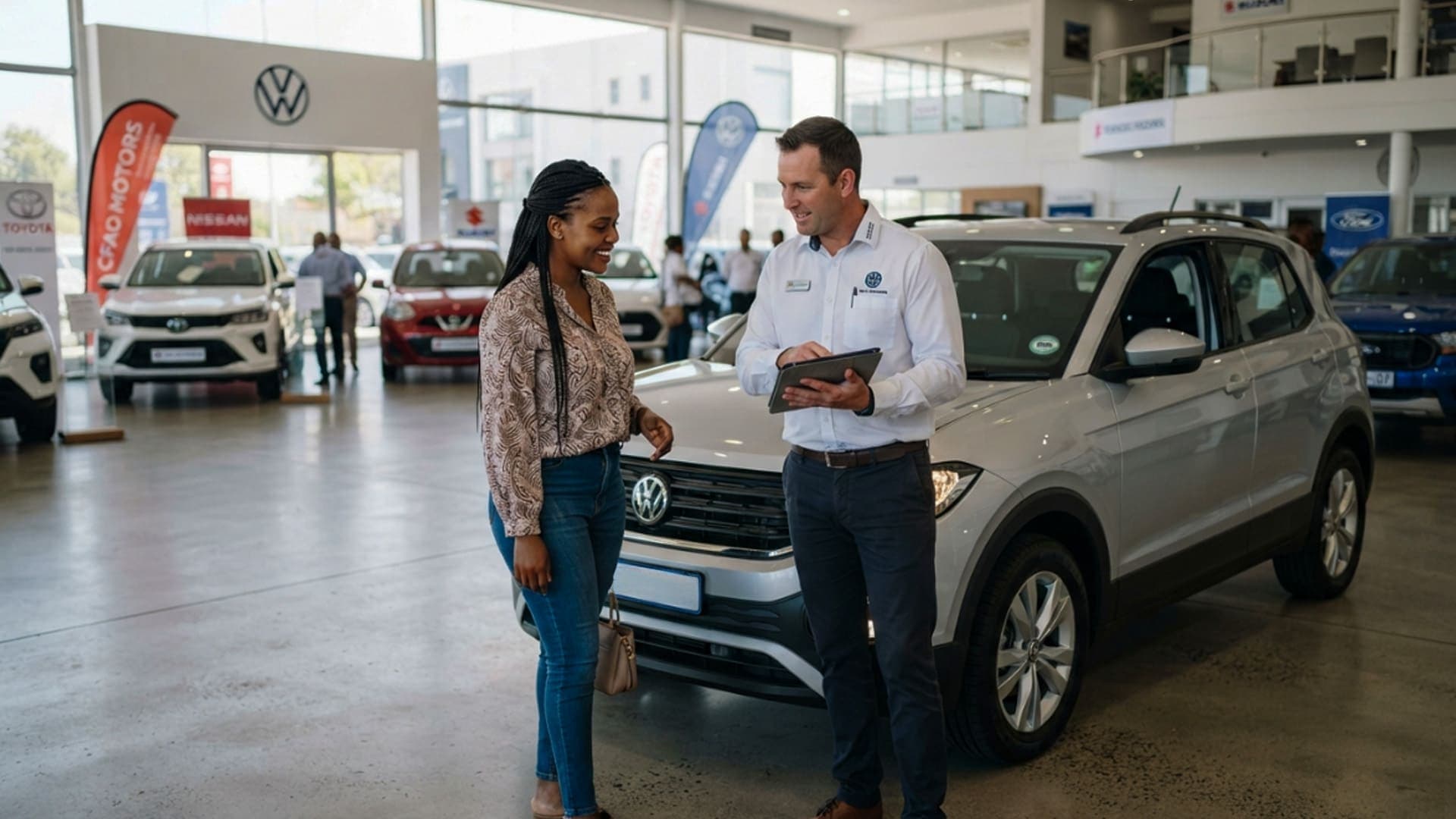
Automotive Advertising in 2026: Selling Confidence in a More Competitive Market
As South Africa’s vehicle market becomes more competitive, automotive advertising needs to do more than announce a price or specification. It needs to help buyers understand value, ownership costs and why a vehicle suits their lives.

Automotive Digital Ads in South Africa: A Shift
Exploring how South Africa’s automotive advertising evolved from print and broadcast to data-driven, programmatic digital ecosystems.

The Video Shift in Car Buying Decisions in SA
Explore how video content shapes car purchase decisions in South Africa, comparing short-form and long-form strategies for automotive marketers.