
The Quiet Crisis of Automotive Identity
There was a time when automotive brand identity was remarkably stable. A carmaker stood for something tangible and deeply ingrained: performance, reliability, luxury, affordability, durability, or craftsmanship. These values were forged over decades through engineering choices, motorsport participation, production philosophy, and cultural presence. Marketing simply articulated what already existed.
Today, that certainty is eroding. Across global automotive communications, a subtle but unmistakable identity drift is taking place. Carmakers no longer describe themselves primarily as manufacturers of vehicles. Instead, they speak the language of platforms, ecosystems, software stacks, digital experiences, and mobility solutions. Press releases increasingly resemble those of consumer electronics companies. Launch events borrow more from Silicon Valley keynotes than traditional motor shows.
This shift is not accidental, nor is it purely technological. It is driven by a deep-seated envy of the tech sectorÔÇÖs cultural power, financial valuation, and perceived future relevance. Automotive brands are not merely adopting technology; they are chasing the identity of tech brands, often at the risk of diluting what once made them distinct.

Silicon Valley as the New Benchmark
For much of the twentieth century, Detroit, Stuttgart, and Tokyo set the global automotive agenda. Silicon Valley was peripheral, largely irrelevant to carmakers beyond supplying components and manufacturing tools. That balance of power has flipped. Today, Silicon Valley represents speed, disruption, limitless growth narratives, and cultural influence. Tech companies are forgiven for flaws because they promise progress. Car companies are punished for flaws because they promise reliability.
From a marketing perspective, this asymmetry is deeply uncomfortable. Tech brands are valued on potential; automotive brands are valued on proof. Investors reward future-facing narratives in software and AI while scrutinising the capital-heavy realities of manufacturing. As a result, automotive marketing has begun to absorb Silicon ValleyÔÇÖs vocabulary, aesthetics, and storytelling logic.
Words like ÔÇ£innovationÔÇØ and ÔÇ£revolutionÔÇØ are no longer optional. Interfaces are foregrounded over interiors. Software updates are framed as value creation rather than maintenance. Vehicles are positioned as evolving products rather than finished machines. The implicit message is clear: this brand belongs to the future, not the past.
The Tesla Catalyst
Tesla did not invent electric vehicles, autonomy, or connected cars. What it did invent was a new category identity: the car as consumer technology. Tesla marketed vehicles the way Apple marketed devices, emphasising updates, ecosystems, and simplicity while de-emphasising mechanical complexity. Its showrooms felt more like tech stores than dealerships. Its CEO communicated like a startup founder rather than an industrial executive.
The effect on the wider industry was seismic. TeslaÔÇÖs valuation made traditional automakers look antiquated, regardless of their scale or profitability. The market rewarded Tesla not for what it produced, but for what it symbolised. For automotive marketers, this was a moment of reckoning. Competing on engineering alone was no longer sufficient if perception itself had shifted.
The result has been an industry-wide recalibration of positioning. Carmakers began asking not only how to electrify or digitise their products, but how to reframe their identity to capture some of TeslaÔÇÖs narrative gravity. The pursuit of tech-brand status became as much a branding exercise as a strategic one.
From Metal to Code
At the heart of this identity drift lies a fundamental transformation of the product itself. Modern vehicles are no longer defined solely by mechanical systems. Software increasingly governs everything from power delivery to braking behaviour, from infotainment to driver assistance. Cars have become rolling computers wrapped in sheet metal.
Marketing has followed this evolution closely. Where brochures once focused on engines, suspension geometry, and material quality, they now highlight processors, sensors, connectivity, and AI-driven features. The hero shot is no longer just the exterior silhouette but the glowing screen inside the cabin. The promise is not merely transportation, but intelligence.
This shift reflects a broader cultural change. Consumers are accustomed to products that improve over time through updates. A car that remains static after purchase feels outdated by comparison. Automotive brands now sell the idea of continuous evolution, borrowing directly from techÔÇÖs playbook.
The Appeal of the Tech Narrative
The tech brand identity offers several seductive advantages for automakers. It suggests relevance in a rapidly changing world. It aligns the brand with progress rather than tradition. It appeals to younger buyers who grew up associating innovation with software, not machinery.
From a commercial standpoint, the narrative also opens new revenue models. Subscription-based features, software upgrades, and digital services promise recurring income long after the vehicle leaves the showroom. Marketing plays a crucial role in normalising these ideas, framing them as added value rather than cost extraction.
There is also an internal dimension. Tech branding attracts talent. Engineers, designers, and developers are more likely to join companies perceived as innovative and future-facing. Marketing thus becomes a recruitment tool as much as a sales one, shaping how the brand is perceived both externally and internally.
When Heritage Becomes a Liability
For legacy carmakers, the tech pivot introduces an uncomfortable tension. Heritage, once a powerful asset, can become a constraint. Decades of brand equity rooted in mechanical excellence do not automatically translate into software credibility. In some cases, they actively undermine it.
A brand known for analogue driving pleasure may struggle to convince consumers that it excels at digital interfaces. A luxury marque built on craftsmanship and material quality risks diluting its identity if screens and software dominate the narrative. Marketing teams must decide which elements of heritage to foreground and which to quietly retire.
This selective storytelling is where identity drift becomes most apparent. Brands increasingly downplay aspects that do not fit the tech narrative while amplifying those that do, even if they were previously secondary. The risk is a loss of coherence, where the brandÔÇÖs story feels assembled rather than authentic.

The Language of Tech Envy
Listen closely to contemporary automotive marketing, and the influence of tech culture is unmistakable. Cars are described as ÔÇ£smartÔÇØ, ÔÇ£intuitiveÔÇØ, and ÔÇ£adaptiveÔÇØ. User experience replaces driving feel as a key metric. Interfaces are said to ÔÇ£learnÔÇØ the driver, echoing the language of apps and platforms.
This vocabulary shift matters because language shapes perception. By adopting tech terminology, car brands signal alignment with a different value system. Efficiency becomes less about fuel consumption and more about processing power. Safety becomes predictive rather than structural. Performance is measured in responsiveness rather than raw output.
Yet language alone cannot carry the transformation. When marketing promises a tech experience that the product fails to deliver, the gap is immediately apparent. Unlike traditional automotive shortcomings, which could be abstracted or excused, software failures are visceral and frustrating. Identity drift magnifies these moments of failure.
The Trust Paradox
Automotive brands have historically traded on trust. Buyers place their safety, finances, and daily routines in the hands of carmakers. Tech brands, by contrast, often trade on novelty and speed, tolerating imperfections in exchange for innovation.
By chasing tech identity, car brands inherit techÔÇÖs expectations without shedding automotive responsibility. A buggy app is annoying; a buggy car system can be dangerous. Marketing must therefore walk a tightrope, promising innovation while reassuring reliability. This balancing act is one of the most complex challenges facing automotive communications today.
Overpromising is particularly risky. Claims of autonomy, intelligence, or seamless integration invite scrutiny from regulators, media, and consumers alike. When reality falls short, the backlash can damage both credibility and trust. In this context, authenticity is not just a virtue but a necessity.
The Visual Shift
Identity drift is not limited to words. Visual language has changed just as dramatically. Automotive advertising increasingly mirrors tech aesthetics: minimalist design, neutral colour palettes, abstract imagery, and interface-led visuals. Cars are often shown in sterile, futuristic environments rather than real-world contexts.
This visual shift reinforces the idea that the vehicle is an object of innovation rather than emotion. It also distances the brand from the messy realities of everyday driving. While this can enhance perceived sophistication, it risks alienating buyers who still see cars as practical tools or emotional companions.
Marketing teams must decide whether to embrace this abstraction or re-anchor technology in human experience. The most effective campaigns tend to do the latter, showing how technology enhances real lives rather than existing for its own sake.
Software as a Brand Pillar
As vehicles become software-defined, software itself becomes a branding element. Interfaces, responsiveness, update cadence, and ecosystem integration all contribute to brand perception. Marketing increasingly highlights these features as differentiators, even when the underlying hardware is similar across competitors.
This creates a new battleground for automotive brands. Software quality is harder to communicate than mechanical specifications. It must be experienced to be believed. Marketing therefore leans heavily on demonstrations, testimonials, and lifestyle narratives to make the intangible tangible.
The danger lies in homogenisation. As more brands adopt similar software platforms or partner with the same tech providers, differentiation becomes superficial. Identity drift accelerates as brands converge on the same promises, visuals, and language, eroding distinctiveness.
The Investor Audience
Automotive marketing is no longer aimed solely at consumers. Investors, analysts, and policymakers are increasingly important audiences. Tech-forward positioning reassures these stakeholders that the brand is future-proof and aligned with broader trends like electrification and autonomy.
Press releases, investor days, and keynote presentations adopt tech-style rhetoric, emphasising roadmaps, platforms, and scalability. Marketing thus becomes part of financial storytelling, shaping how the company is valued as much as how its products are sold.
This dual audience complicates messaging. What excites investors may confuse consumers. What reassures regulators may dampen emotional appeal. Navigating these competing priorities requires strategic discipline and a clear sense of brand identity.
Global Complexity
Identity drift manifests differently across markets. In mature markets, tech branding may signal progress and sophistication. In emerging markets, where reliability and affordability remain paramount, an overemphasis on technology can feel disconnected from local needs.
Global car brands must therefore calibrate their tech narrative carefully. Marketing strategies that resonate in Europe or North America may require adaptation in Africa, Asia, or South America. The challenge is maintaining a coherent global identity while allowing local relevance.
This tension often reveals the limits of tech envy. Technology must serve the market, not overshadow it. Brands that forget this risk appearing out of touch, regardless of how advanced their products may be.
The Emotional Cost
Cars have always been emotional objects. They represent freedom, aspiration, status, and identity. Tech branding, with its emphasis on rational benefits and abstract innovation, can flatten these emotional dimensions if handled poorly.
Marketing that focuses exclusively on screens and software risks turning cars into appliances. While efficiency and intelligence are valuable, they do not replace the emotional resonance that has historically driven brand loyalty. The challenge is integrating technology into the emotional narrative rather than allowing it to dominate.
Successful brands frame technology as an enabler of emotion, not a substitute for it. Connectivity becomes connection. Automation becomes peace of mind. Intelligence becomes confidence. In this way, tech supports the brand story rather than rewriting it entirely.
When Everyone Is a Tech Brand
As more car brands claim tech identity, differentiation becomes harder. If every brand promises intelligence, connectivity, and innovation, those terms lose meaning. Identity drift accelerates into identity dilution.
Marketing must therefore move beyond generic tech claims toward specific, ownable narratives. This requires a deep understanding of what technology means for the brand, not just what it enables. It also demands restraint. Not every innovation needs to be marketed as revolutionary.
In a crowded field, clarity is more powerful than hype. Brands that articulate a focused, credible vision of technologyÔÇÖs role in their identity stand out more than those that chase every trend.
The Role of Authenticity
Authenticity is the antidote to tech envy. Brands that integrate technology in ways that align with their core values retain credibility even as they evolve. Those that adopt tech language without cultural alignment risk appearing hollow.
Marketing plays a crucial role in this alignment. It must reflect reality, not aspiration alone. It must tell stories grounded in actual user experience, not speculative futures. Authenticity builds trust, which remains the most valuable currency in automotive branding.
This does not mean resisting change. It means shaping change in a way that feels true to the brandÔÇÖs DNA. Technology should extend identity, not replace it.
The Future of Automotive Positioning
The desire to be a tech brand is understandable. Technology will define the future of mobility in ways that are impossible to ignore. But identity drift is not inevitable. Car brands can embrace technology without abandoning their essence.
The most successful automotive brands of the future will be those that balance innovation with continuity. They will use technology to enhance what they already stand for rather than chasing someone elseÔÇÖs narrative. Marketing will be the arena in which this balance is most visibly negotiated.
As the industry continues to evolve, the question will not be whether car brands use technology, but how they define themselves through it. Silicon Valley envy may have sparked the shift, but long-term success will depend on clarity, authenticity, and the courage to remain distinct in a world rushing toward sameness.
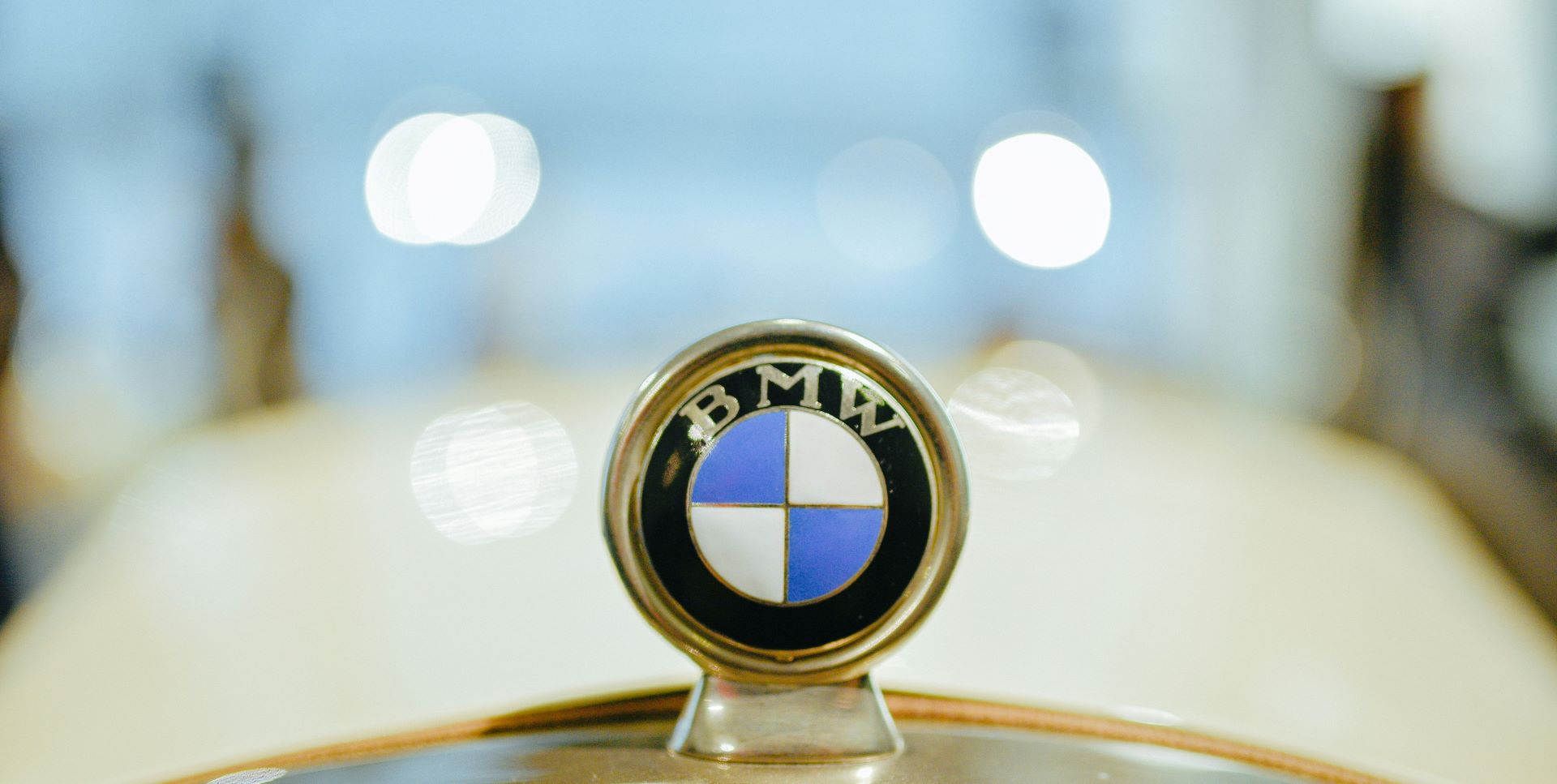
Every car brand wants to be a tech brand because tech represents the future, the market, and cultural relevance. Yet the pursuit of this identity comes with risks. Identity drift can dilute heritage, confuse consumers, and flatten differentiation if not carefully managed.
Automotive marketing sits at the centre of this transformation, translating complex technological change into brand meaning. The challenge is not to imitate Silicon Valley, but to integrate its lessons without losing automotive soul.
In the end, cars are still cars. They move people, physically and emotionally. Technology should amplify that truth, not obscure it. The brands that understand this will not just survive the tech transition. They will define it.
Breyten Odendaal
Specializing in high-performance automotive advertising and digital marketing solutions, delivering cutting-edge insights and the latest news shaping the automotive industry in South Africa.
More From Advertising

Automotive Advertising in 2026: Selling Confidence in a More Competitive Market
As South Africa’s vehicle market becomes more competitive, automotive advertising needs to do more than announce a price or specification. It needs to help buyers understand value, ownership costs and why a vehicle suits their lives.

Automotive Digital Ads in South Africa: A Shift
Exploring how South Africa’s automotive advertising evolved from print and broadcast to data-driven, programmatic digital ecosystems.

The Video Shift in Car Buying Decisions in SA
Explore how video content shapes car purchase decisions in South Africa, comparing short-form and long-form strategies for automotive marketers.