
The allure of a sports car is undeniable, transcending generations. From the rumble of the engine to the sleek lines of its design, these machines have long been symbols of power, success, and freedom. But in the modern age, itÔÇÖs not just speed or luxury that defines a sports carÔÇöitÔÇÖs the "cool factor." For Millennials and Gen Z, the perception of coolness holds the key to consumer loyalty, and sports car brands must navigate this perception to capture the attention of these digital-native, image-conscious consumers.
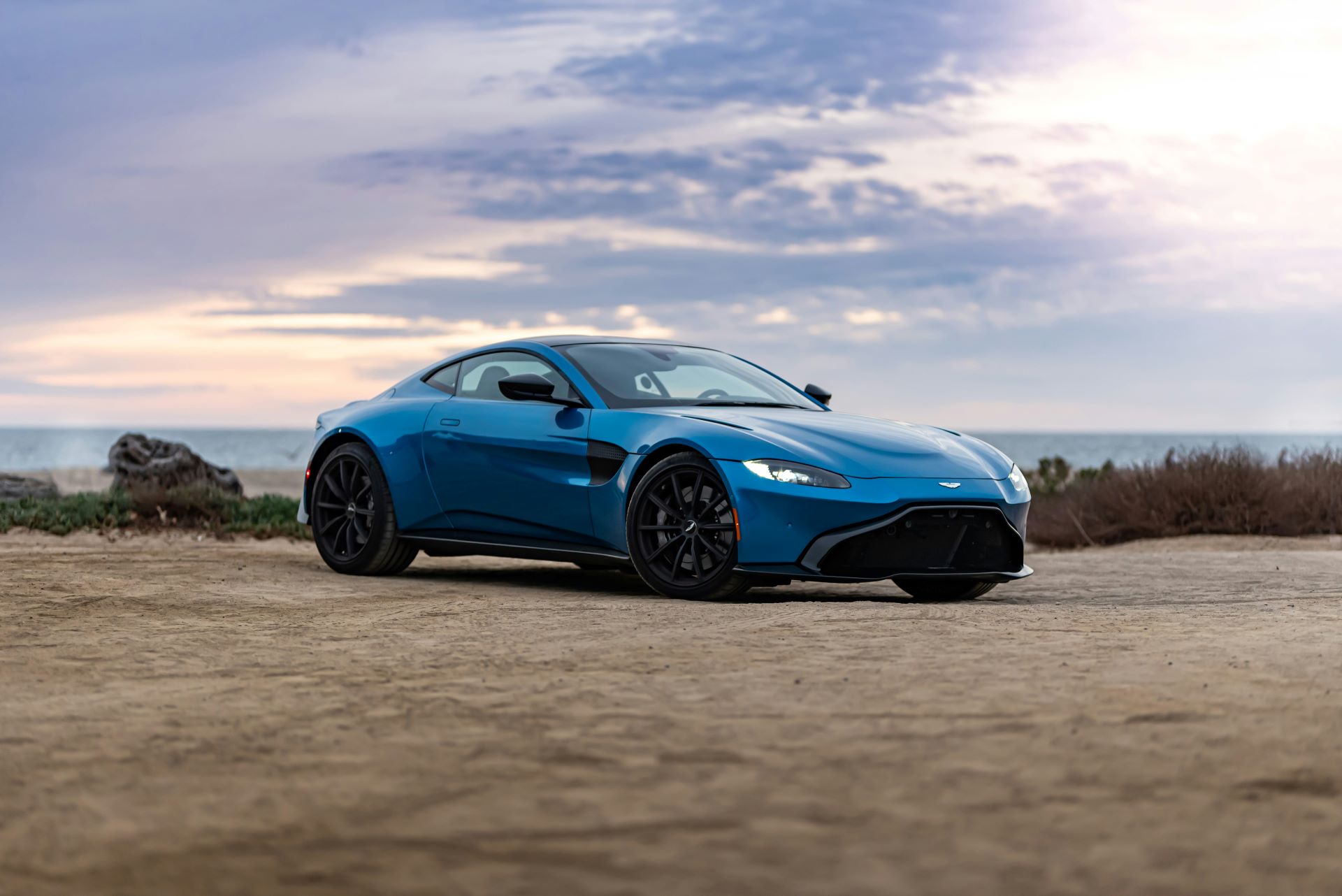
The importance of the cool factor in advertising sports cars to these younger demographics cannot be overstated. For a generation that lives online, social media feeds, influencer marketing, and immersive experiences shape every decision, from which products to buy to what lifestyle to adopt. As sports car brands adjust their marketing strategies, they must tap into what makes their vehicles not just fast or stylish but aspirational in the eyes of Millennials and Gen Z.
This article explores the significance of the cool factor, delving into the unique characteristics of these younger generations, how sports cars have adapted their branding to capture their attention, and the challenges brands face in an ever-changing digital landscape.
Understanding the Demographic
Millennials and Gen Z represent a distinct shift in consumer behavior. Whereas Baby Boomers valued material wealth and status symbols, the younger generations are more interested in experiences, authenticity, and social connection. But thatÔÇÖs not to say they donÔÇÖt value statusÔÇöthey simply view it through a different lens. For them, being seen in a high-performance sports car isnÔÇÖt just about showing off wealth; itÔÇÖs about aligning with values like individuality, innovation, and sustainability.
Research shows that both Millennials and Gen Z are responsible for a significant portion of global car sales. In fact, Millennials represent the largest share of the car-buying market in the U.S., with 35% of new car sales in 2020 attributed to this demographic. Gen Z, while younger, is already starting to flex its purchasing power, with many showing an increasing interest in vehicles that reflect their environmental concerns and digital lifestyles.
These generations are highly digitally connected, spending much of their time online, especially on platforms like Instagram, TikTok, and YouTube. The shift from traditional advertising to digital-first strategies is profound. These groups interact with brands in a more personalized and engaging way, seeking content that resonates with their interests, personalities, and values. When it comes to sports cars, a sleek, fast vehicle isn't enough to sway this audience; they need to connect emotionally with the brand and its story.
The rise of influencers and digital content creators has further shaped the landscape. For these younger consumers, a celebrity endorsement or a well-executed influencer campaign can be just as valuableÔÇöif not more soÔÇöthan traditional marketing channels.
The ÔÇ£Cool FactorÔÇØ in Automotive Context
In the automotive world, the cool factor isnÔÇÖt something you can measure with horsepower or torque alone. ItÔÇÖs an intangible qualityÔÇöa combination of design, performance, technology, and cultural cachet. Historically, brands like Ferrari, Porsche, and Lamborghini have embodied this cool factor, thanks to their timeless designs, impeccable performance, and rich histories. Their cars aren't just vehicles; theyÔÇÖre lifestyle statements.
But what exactly makes a sports car "cool"? ItÔÇÖs a blend of several elements. First, design plays a pivotal role. Sleek, aerodynamic curves, an aggressive stance, and futuristic details all contribute to a carÔÇÖs appeal. Take the Porsche 911, for example. Its iconic design has evolved over decades, maintaining its position as a symbol of sophistication and exclusivity.
Second, technology is an increasingly important factor. Sports cars that integrate cutting-edge featuresÔÇösuch as augmented reality dashboards, autonomous driving capabilities, and electric propulsionÔÇöattract the younger generations, who value innovation and forward-thinking designs. Cars like the Tesla Roadster and the Rimac Nevera, with their electrifying performance and tech-forward features, have added a new dimension to the concept of coolness.
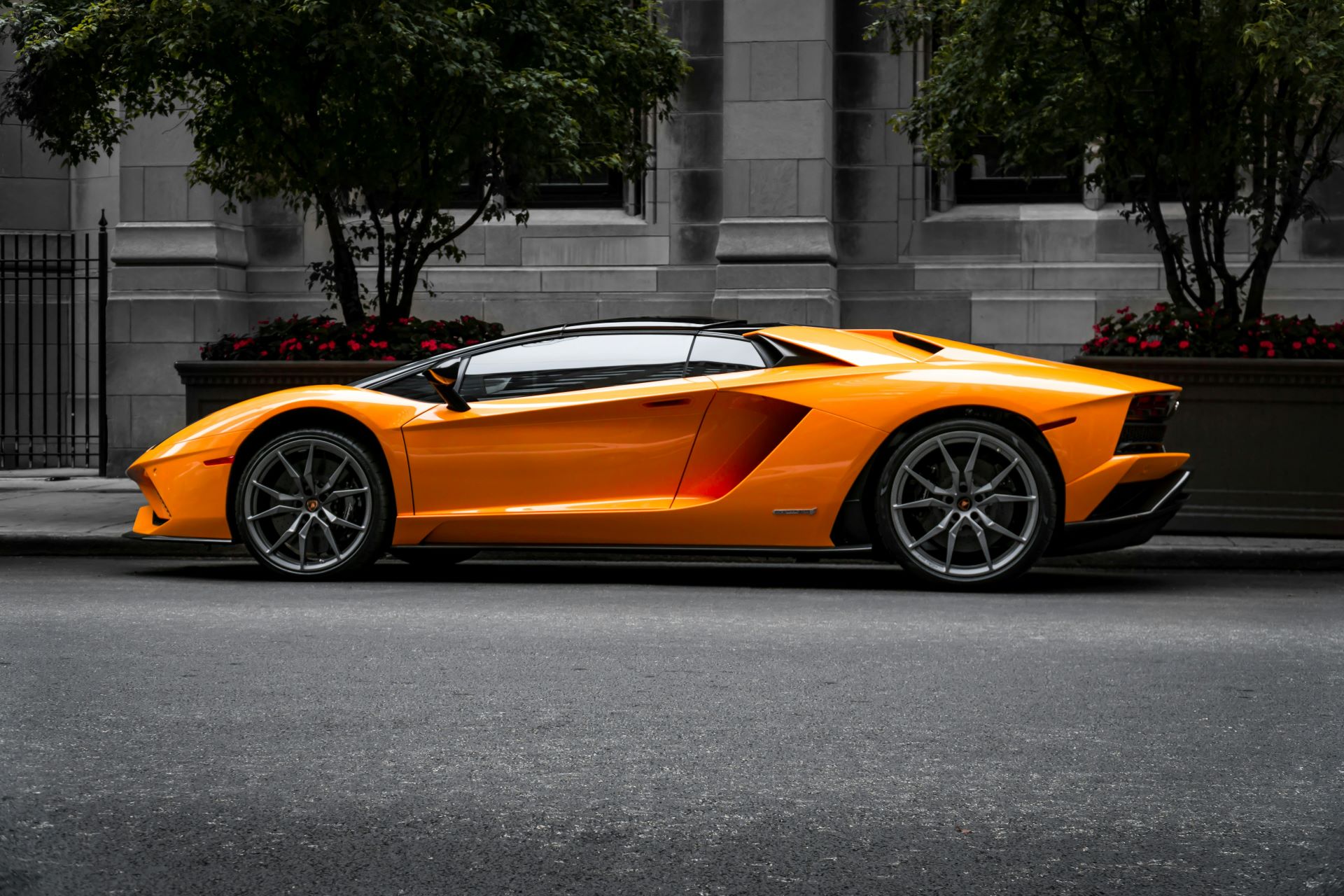
Lastly, brand heritage and cultural relevance cannot be overlooked. The "cool factor" in sports cars is often about the story behind the brand. Iconic names like Ferrari or Lamborghini evoke a certain mystique and status that transcends their actual physical qualities. ItÔÇÖs about heritage, exclusivity, and how the brand positions itself in popular cultureÔÇöoften as a symbol of rebellion, success, or sheer desire.
Influence of Social Media and Digital Presence
The rise of social media has transformed how brands communicate with Millennials and Gen Z. Platforms like Instagram, TikTok, and YouTube have become the new ÔÇ£magazinesÔÇØ for these generations, where image is everything. With billions of daily active users across these platforms, automotive brands now have unprecedented access to their target market, but they must craft content that speaks directly to their digital-native audience.
InstagramÔÇÖs visual-centric nature makes it the perfect platform for sports car brands to showcase the design and lifestyle aspects of their cars. With influencers and automotive enthusiasts posting meticulously curated photos of their latest acquisitions or driving experiences, sports cars have become part of the lifestyle narrative. But it's not just about posting pictures. The rise of Instagram Stories and IGTV has allowed brands to tell dynamic, immersive stories that engage followers on a deeper level.
TikTok, on the other hand, has made short-form video the dominant content format. Creative and viral challenges, paired with the platformÔÇÖs algorithm, make it easier for content to reach massive audiences in a matter of hours. A sports car driving through breathtaking landscapes or accelerating on an open road can quickly go viral, creating buzz and excitement around a brand.
YouTube remains the go-to platform for longer-form content, and automotive brands are increasingly partnering with content creators who offer reviews, test drives, and behind-the-scenes looks at new models. YouTube also offers the opportunity for brands to produce cinematic ads that showcase their vehicles in actionÔÇöcapturing the thrill and prestige that many younger consumers seek.
In this age of digital connection, sports cars are no longer just objects; they are icons embedded in the fabric of online culture.
Case Studies of Successful Campaigns
1. BMWÔÇÖs ÔÇ£The Ultimate Driving MachineÔÇØ Reimagined for Gen Z
BMW has long been synonymous with luxury and performance, but its most recent campaign to target Millennials and Gen Z focuses on experience rather than pure technical specifications. Through partnerships with influencers like Casey Neistat and tech-focused content creators, BMW shifted its messaging to emphasize driving experiences and a sense of adventure. The brandÔÇÖs embrace of digital content has allowed it to remain relevant in an era where the "cool factor" is shaped by lifestyle rather than status alone.
2. LamborghiniÔÇÖs Limited-Edition Collaborations
Lamborghini is no stranger to exclusivity, and its marketing campaigns reflect this. Recently, the brand partnered with well-known digital artists to create limited-edition NFTs tied to their cars. This move tapped into the Gen Z love for digital ownership and exclusivity, aligning the Lamborghini brand with the world of digital art and crypto. By engaging with a new wave of collectors, Lamborghini showed how cool factor can evolve into something entirely new in the digital age.
3. TeslaÔÇÖs Viral Launches and Social Media Savvy
TeslaÔÇÖs success lies not just in its electric cars but also in its ability to create excitement through social media. The brandÔÇÖs unconventional approach to advertisingÔÇöletting founder Elon Musk engage with fans directly on TwitterÔÇöhas created a loyal following among Millennials and Gen Z. TeslaÔÇÖs vehicles are cool because they align with progressive values, and they continuously stay relevant by breaking traditional advertising norms.
Challenges and Criticisms
Despite the success of cool-factor campaigns, there are challenges. One significant issue is the growing concern over sustainability. As more Millennials and Gen Z consumers turn toward electric vehicles and environmentally conscious choices, the gas-guzzling sports car might start to seem less attractive. Brands that rely solely on the "cool factor" might risk alienating these eco-conscious buyers unless they pivot to greener alternatives.
Additionally, thereÔÇÖs the challenge of authenticity. Young consumers are adept at spotting inauthentic marketing, and a campaign that feels too much like a sales pitch or relies heavily on influencer endorsements can backfire. To avoid this, brands must ensure they stay true to their identity while crafting content that resonates with the real interests of their audience.
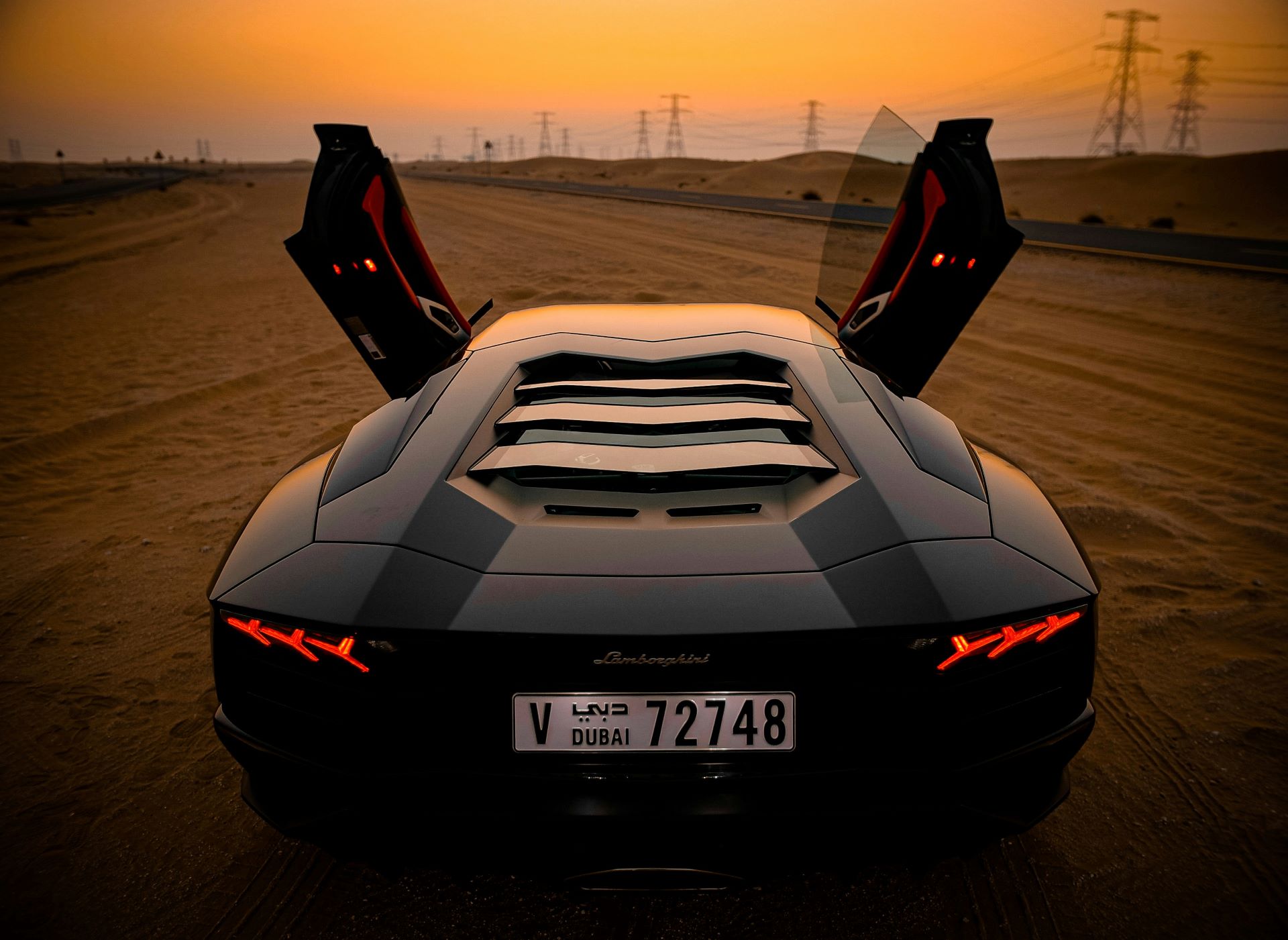
The cool factor will remain a crucial element in advertising sports cars to Millennials and Gen Z. However, to stay relevant, brands must understand the nuances of this demographicÔÇÖs evolving preferences and values. They must blend innovative designs, cutting-edge technology, and culturally relevant messaging, all while embracing digital platforms and influencer culture.
Going forward, sports car brands should embrace a more sustainable, inclusive, and authentic approach, while continuing to evolve their digital storytelling. By doing so, they can maintain the cool factor while appealing to a generation that values more than just speedÔÇörecognizing that true coolness now lies in the story behind the wheel.
In a rapidly changing landscape, those who can master the art of blending performance with personality will be the ones who define the future of sports car marketing.
This article was written to resonate with automotive enthusiasts while also offering valuable insights for marketers and brands targeting younger audiences. The evolving nature of coolness in the sports car world is an exciting challenge that promises to redefine how we perceive high-performance vehicles in the coming years.
Breyten Odendaal
Specializing in high-performance automotive advertising and digital marketing solutions, delivering cutting-edge insights and the latest news shaping the automotive industry in South Africa.
More From Advertising

Automotive Advertising in 2026: Selling Confidence in a More Competitive Market
As South Africa’s vehicle market becomes more competitive, automotive advertising needs to do more than announce a price or specification. It needs to help buyers understand value, ownership costs and why a vehicle suits their lives.

Automotive Digital Ads in South Africa: A Shift
Exploring how South Africa’s automotive advertising evolved from print and broadcast to data-driven, programmatic digital ecosystems.

The Video Shift in Car Buying Decisions in SA
Explore how video content shapes car purchase decisions in South Africa, comparing short-form and long-form strategies for automotive marketers.