
In a world where consumer attention is fragmented across digital platforms, social media, and experiential spaces, the automotive industry has had to rethink how it connects with audiences. Once defined purely by horsepower, engineering prowess, and design pedigree, the modern car is now part of a broader lifestyle narrative. It is no longer just a mode of transportationÔÇöit is a canvas, a statement, and increasingly, a gateway to experiences beyond the wheel. Automotive brands have discovered a powerful lever for influence: cross-industry partnerships. When cars intersect with fashion, technology, gaming, and lifestyle brands, they transcend their traditional identity, appealing to new audiences in ways that pure automotive messaging cannot achieve.
The Evolution of Automotive Branding
Historically, car marketing relied on aspirational imagery: sleek silhouettes glinting under studio lights, road trips framed in cinematic perfection, or the allure of freedom expressed through unspoiled landscapes. Television, print, and later digital media were the primary vehicles for this storytelling. Yet, as consumer behaviour shifted and attention spans shortened, these conventional methods began to lose their potency.
The rise of lifestyle marketing presented a solution. The car, once a symbol of utility or luxury in isolation, could now be contextualized within the daily lives of aspirational consumers. By positioning vehicles alongside fashion, music, tech, or gaming, brands could embed themselves in cultural moments, reaching audiences where they were most engaged. This approach treats the car not simply as a product but as a lifestyle accessoryÔÇöone that communicates identity, taste, and values.
Fashion as a Vehicle for Cultural Resonance
Few industries embody culture, identity, and exclusivity like fashion. Automotive brands have long flirted with haute couture and streetwear, but today these collaborations have matured into strategic partnerships that elevate both brands.
Consider the collaboration between Italian automaker Maserati and luxury fashion house Ermenegildo Zegna. The partnership reimagined interiors with bespoke fabrics and artisanal craftsmanship, creating an experience that was as tactile and visual as it was technical. The car became a walking advertisement for refined taste, appealing to connoisseurs of design rather than merely drivers.
Similarly, BMW has teamed with designers like Louis Vuitton to produce limited-edition accessories that extend the driving experience beyond the vehicle. From luggage sets that fit perfectly in boot spaces to co-branded apparel, these initiatives transform ownership into an immersive lifestyle narrative. The message is clear: your car is not just a carÔÇöit is an extension of your personal brand.
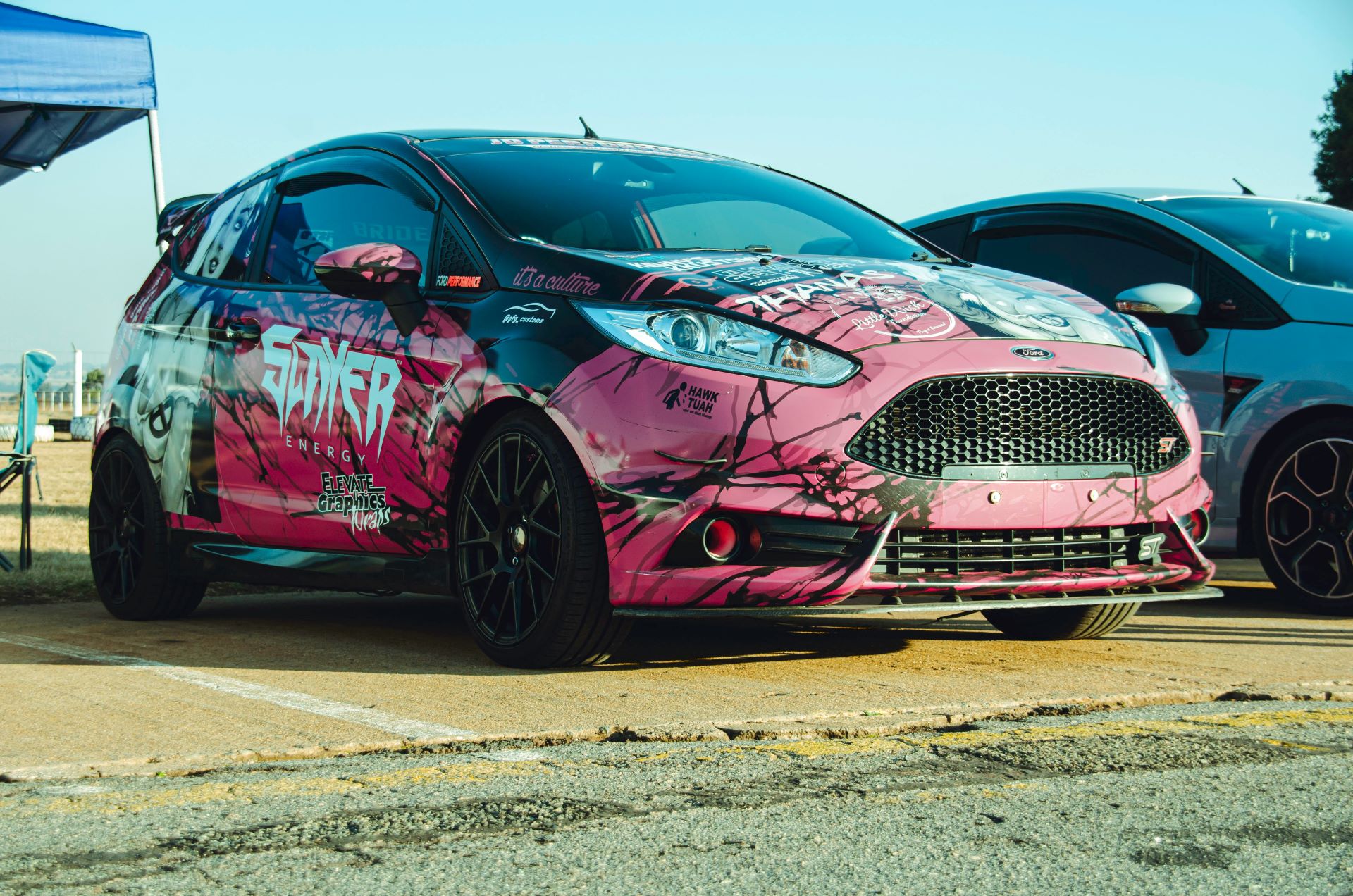
Streetwear collaborations, too, have proven impactful. ToyotaÔÇÖs partnership with A Bathing Ape for limited-edition merchandise highlighted the carÔÇÖs alignment with youth culture and urban aesthetics, drawing attention from communities that might not typically engage with automotive advertising. In these instances, the car becomes a canvas for expression, a medium through which culture and commerce intersect.
Technology Partnerships: Driving Innovation and Engagement
In the digital age, technology is inseparable from mobility. Partnerships with tech companies offer automotive brands a dual benefit: they enhance the product experience while positioning the car as a forward-thinking, aspirational device.
TeslaÔÇÖs collaborations with software developers and AI startups exemplify this trend. By integrating features like smart navigation, autonomous capabilities, and over-the-air updates, Tesla positions its vehicles as not only cars but as cutting-edge technological ecosystems. Similarly, Ford has partnered with Amazon and Google to incorporate voice assistants and connected services, blurring the line between car and smart device.
Beyond the dashboard, technology partnerships extend into experiential marketing. Virtual reality test drives, app-controlled vehicle features, and integrated gaming experiences invite users to interact with cars in unprecedented ways. When a brand like Audi develops a VR showroom or engages in metaverse activations, it signals innovation while reaching digital-native audiences who may never visit a physical dealership. The car becomes a digital lifestyle accessoryÔÇöa blend of utility, entertainment, and identity.
Gaming as a Gateway to Younger Audiences
Perhaps no industry has been more impactful in connecting automotive brands with younger consumers than gaming. Video games offer immersive experiences where cars are not just objects but expressions of skill, status, and aspiration.
The Gran Turismo and Forza franchises, for instance, have become platforms for automakers to showcase both production and concept vehicles. Players experience the tactile nuances of acceleration, handling, and design in a virtual realm that mirrors real-world performance. These partnerships extend beyond product placement; they are cultural touchpoints that position brands within the social fabric of gaming communities.
Recently, Porsche partnered with Epic Games to integrate its vehicles into Fortnite, reaching tens of millions of players globally. The carÔÇÖs design and persona were translated into an interactive, social experience, creating familiarity and desire long before any player considers purchasing a real vehicle. Gaming thus becomes a medium for aspirational storytelling, where vehicles are not only functional but also iconic elements of lifestyle identity.

Lifestyle and Leisure: Cars Beyond the Garage
The automotive brandÔÇÖs reach can also extend into lifestyle and leisure sectors, where experiences are as significant as ownership. Collaborations with hospitality, music, and art sectors create cultural associations that reinforce brand values while broadening appeal.
Mercedes-Benz has long curated its ÔÇ£Mercedes-Benz Fashion WeekÔÇØ and musical events, creating spaces where lifestyle, culture, and cars intersect. These events are less about direct sales and more about embedding the brand within aspirational narratives. Ownership of a Mercedes is aligned with participation in a curated world of taste, creativity, and social capital.
Similarly, Lexus has collaborated with global art festivals and design institutions, commissioning installations that emphasize innovation, aesthetics, and sustainability. The car, in this context, functions as both muse and medium, transforming public perception from object to experience. Luxury consumers increasingly value these intersections, where ownership conveys access to culture, rather than simply mobility.
Cross-Industry Collaborations: Strategic Benefits for Automotive Brands
Strategic partnerships across fashion, technology, gaming, and lifestyle industries confer tangible business advantages. First, they provide access to previously untapped demographics. Younger consumers, who may eschew traditional car ownership or respond weakly to conventional advertising, can encounter automotive brands in contexts that feel relevant and aspirational.
Second, these collaborations amplify brand storytelling. Instead of communicating engineering specifications alone, brands embed themselves within cultural narrativesÔÇöart, music, design, and entertainmentÔÇöthat resonate on emotional and social levels. The car becomes a conduit for identity expression, aligning with the consumerÔÇÖs lifestyle aspirations.
Third, cross-industry partnerships reinforce exclusivity and desirability. Limited-edition co-branded vehicles or accessories generate scarcity, anticipation, and social currency. Ownership signals taste, cultural literacy, and belonging, a powerful proposition for premium and luxury brands seeking differentiation.
Finally, these collaborations often encourage experimentation and innovation. By working with brands outside the automotive ecosystem, manufacturers gain insights into emerging trends, materials, and technologies, accelerating internal development while creating buzzworthy content for marketing campaigns.
Measuring Success: Beyond Traditional Metrics
In traditional automotive marketing, success was measured through sales figures, leads, or showroom visits. Cross-industry collaborations demand a more nuanced evaluation. Social media engagement, digital impressions, influencer amplification, and participation in branded experiences all contribute to the overall impact.
For example, when BMW releases a limited-edition capsule collection with a designer, success is not merely defined by units sold; it encompasses media coverage, social sharing, and the elevation of brand perception. Similarly, gaming collaborations with titles like Gran Turismo or Fortnite create long-term brand recognition, even among consumers who may not purchase a car for years. These measures reflect the shift from transactional to relational marketing, emphasizing engagement, community, and lifestyle integration over immediate conversion.
The Future of Automotive Partnerships
As mobility continues to evolve, cross-industry partnerships will remain essential for relevance. Electric vehicles, autonomous systems, and connected car technologies are creating opportunities for brands to partner with tech innovators, urban designers, and entertainment platforms. The line between automotive and lifestyle sectors will continue to blur, with the car functioning as a nexus of identity, technology, and culture.
Sustainability, too, will increasingly inform these collaborations. Consumers are drawn to brands that align with their values. Fashion collaborations emphasizing sustainable materials, tech partnerships highlighting clean energy, or gaming integrations promoting eco-conscious narratives allow automotive brands to reinforce both desirability and responsibility. The lifestyle car of tomorrow is likely to be electric, connected, culturally attuned, and digitally nativeÔÇöa true reflection of its ownerÔÇÖs aspirations.
Cars as Cultural Currency
The era of the isolated, purely functional vehicle has passed. Today, cars are cultural instruments, lifestyle accessories, and canvases for cross-industry collaboration. Whether through high fashion, cutting-edge technology, immersive gaming, or curated lifestyle experiences, automotive brands are finding innovative ways to intersect with the lives and identities of consumers.
In the modern marketplace, influence and aspiration are as powerful as horsepower and torque. By embracing partnerships that extend beyond the car itself, brands can create compelling narratives, foster community, and cultivate loyalty among audiences who value experiences as much as engineering. Ultimately, these collaborations illustrate a simple truth: the car, like the consumer it serves, is multidimensional, and its impact is amplified when it transcends traditional boundaries.
The car is no longer just a car. It is a lifestyle, a statement, and a bridge to culture. And in that space, cross-industry collaboration is not merely marketingÔÇöit is art.
Breyten Odendaal
Specializing in high-performance automotive advertising and digital marketing solutions, delivering cutting-edge insights and the latest news shaping the automotive industry in South Africa.
More From Advertising

Automotive Advertising in 2026: Selling Confidence in a More Competitive Market
As South Africa’s vehicle market becomes more competitive, automotive advertising needs to do more than announce a price or specification. It needs to help buyers understand value, ownership costs and why a vehicle suits their lives.

Automotive Digital Ads in South Africa: A Shift
Exploring how South Africa’s automotive advertising evolved from print and broadcast to data-driven, programmatic digital ecosystems.

The Video Shift in Car Buying Decisions in SA
Explore how video content shapes car purchase decisions in South Africa, comparing short-form and long-form strategies for automotive marketers.