
Once upon a time, a car was a tool. It existed to solve a problem: distance. It had wheels, an engine, a steering wheel, and very little interest in who you were as a person. You bought what you could afford, what was available, and what would survive the daily grind. Identity was something you expressed through clothes, homes, or careers. Cars were appliances.
That era is over.
Today, cars sell far more than movement. They sell meaning. They promise belonging, aspiration, attitude, and alignment with a certain way of living. Whether consciously or not, people choose vehicles that mirror how they see themselves or how they wish to be seen. Utility still matters, but it has slipped quietly into the background, while identity has taken the driverÔÇÖs seat.
A car now operates as a personal billboard, a mobile declaration of values, priorities, and personality. It announces things before the driver ever steps out: ambition, restraint, rebellion, practicality, excess, progressiveness, nostalgia. In a world obsessed with self-definition, the car has become one of the most visible and emotionally loaded choices a person can make.
This is not accidental. It is cultural, psychological, and meticulously engineered.
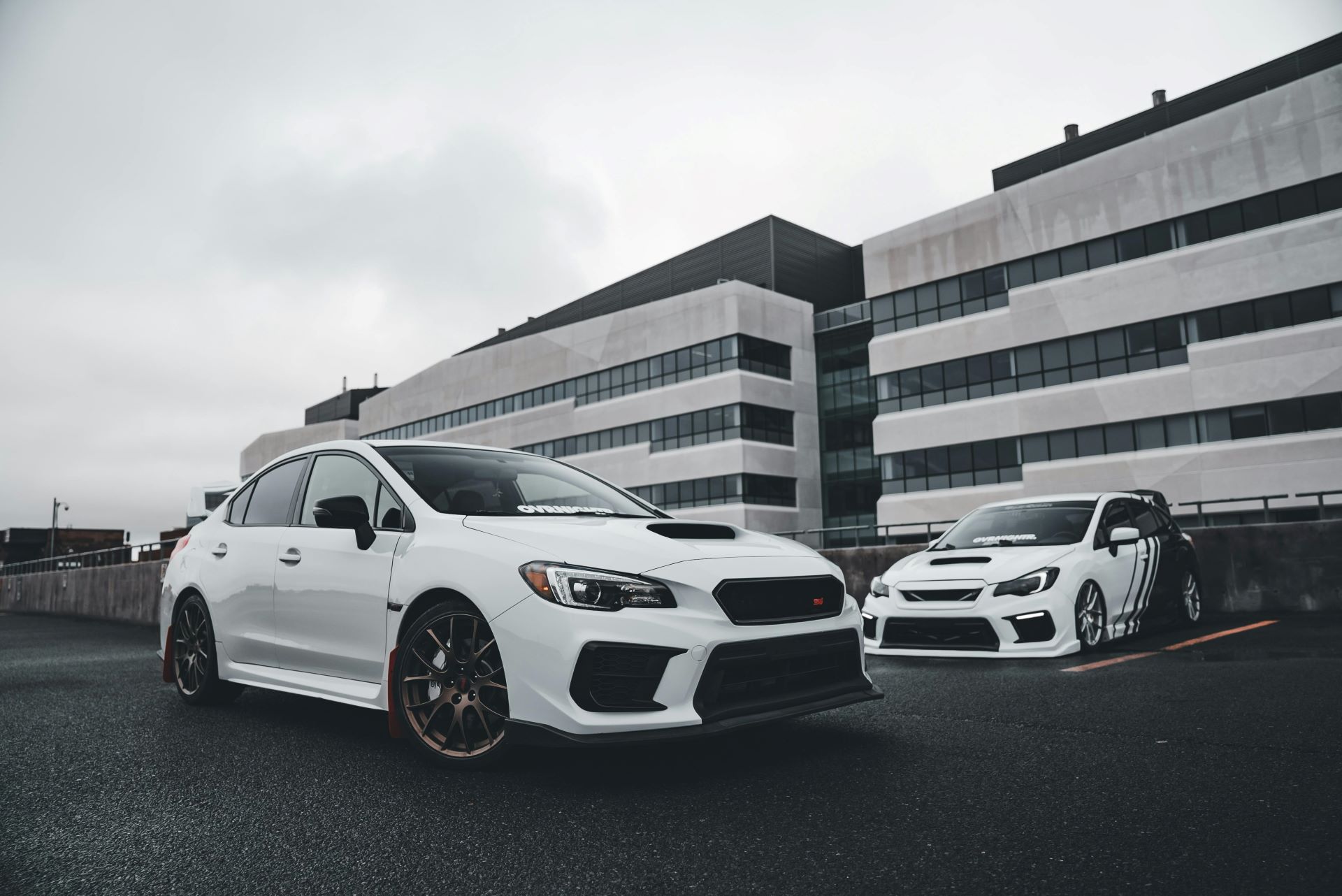
From Transportation to Translation
The shift did not happen overnight. It emerged gradually, as societies urbanised, incomes diversified, and personal branding became part of everyday life. As cars became more accessible, differentiation became more important. When everyone can move, movement itself stops being special. Meaning takes its place.
Manufacturers adapted. Design grew more expressive. Branding became sharper. Model line-ups multiplied, not to serve radically different functional needs, but to cater to different identities. The same basic mechanical platform could now underpin a dozen personalities, each tuned through styling, messaging, and positioning.
The car stopped being a solution and became a translator. It translated inner identity into outward form.
This is why two vehicles with near-identical specifications can exist at wildly different price points and appeal to completely different buyers. The difference is not horsepower or boot space. It is narrative. It is what the car says about the person behind the wheel.
The Psychology of Automotive Identity
Human beings are storytellers by nature. We construct meaning through symbols, and few symbols are as large, expensive, or publicly visible as a car. Psychologically, vehicles sit at the intersection of self-image and social perception. They allow individuals to manage impressions without saying a word.
This explains why rational arguments often fail in car-buying decisions. People do not fall in love with spreadsheets. They fall in love with how a car makes them feel about themselves. Logic enters later, usually as justification.
A driver who sees themselves as disciplined and forward-thinking may gravitate toward clean lines, muted colours, and advanced technology. Another who values freedom and spontaneity may choose something loud, expressive, or unconventional. These choices are rarely framed internally as identity decisions, but the emotional logic is unmistakable.
Cars also help resolve internal tension. A practical person may choose a performance vehicle as a controlled outlet for desire. A risk-averse individual may choose a rugged SUV to borrow the language of adventure without fully living it. In this way, cars do not just reflect who people are, but who they wish to be.
Brand as a Shortcut to Belonging
Brands play a crucial role in this ecosystem. A strong automotive brand functions as a shortcut to identity. It allows buyers to outsource meaning. Instead of defining themselves from scratch, they align with a brand whose values feel familiar or aspirational.
This is why brand loyalty in the automotive world runs so deep. It is not about satisfaction alone. It is about belonging. When someone says they are a ÔÇ£BMW personÔÇØ or a ÔÇ£Toyota driver,ÔÇØ they are not merely describing past purchases. They are expressing worldview, taste, and often social alignment.
Manufacturers cultivate this deliberately. They speak in tones that mirror their audience. Some brands speak with precision and restraint. Others speak with confidence and dominance. Some emphasise heritage and craftsmanship. Others foreground disruption and progress. Every word, visual, and experience reinforces the identity contract between brand and buyer.
Once that contract is signed emotionally, utility becomes secondary.
Design as Personality Language
Design is where identity becomes tangible. Lines, proportions, materials, and textures do cultural work long before a vehicle is driven. A squared-off silhouette communicates authority and strength. Flowing curves suggest dynamism and elegance. Minimalist interiors imply calm and control. Complex layouts suggest engagement and performance.
Colour choice alone can radically alter a carÔÇÖs personality. Neutral tones whisper discretion and maturity. Bright colours shout confidence or rebellion. Even the decision to remove colour entirely, opting for monochrome or matte finishes, carries cultural meaning.
Inside the cabin, identity deepens. Materials signal values. Leather, fabric, recycled plastics, exposed metal, glossy surfaces, subdued lighting. These are not random decisions. They are emotional cues, carefully calibrated to align with the intended ownerÔÇÖs self-image.
The car becomes a room people inhabit daily, and rooms shape behaviour. A calm interior encourages calm driving. A cockpit-like layout invites engagement. Identity is reinforced through repetition, every time the door closes.
Lifestyle Packaging and the Illusion of Choice
Modern vehicles are rarely sold as single, fixed entities. They are packaged into trims, editions, and ÔÇ£lifestyleÔÇØ variants. Adventure editions. Urban editions. Sport editions. These labels often have little mechanical distinction, yet they carry enormous psychological weight.
What is being sold is not hardware but permission. Permission to see oneself as adventurous, sophisticated, youthful, or discerning. The buyer is not choosing a suspension setup. They are choosing a story.
This illusion of choice is powerful because it feels personal. Customisation gives the sense of authorship, even when the options are tightly controlled. The result is a vehicle that feels tailored, even when it is mass-produced.
Identity thrives in that gap between individuality and standardisation.

Cars as Social Signals
Cars operate in public space. They are constantly seen, judged, interpreted. Even people who claim not to care about appearances are affected by the social feedback loop of automotive choice.
In cities, vehicles become shorthand for status and intent. A compact hatchback says something different from a luxury sedan. A performance coupe communicates something different from a pickup. These signals are read instinctively, often unfairly, but consistently.
Digital culture amplifies this effect. Cars are photographed, shared, and aestheticised online. They become part of curated identities, backdrops for lifestyle content, props in personal branding. The vehicle is no longer just present in physical space but in digital narrative.
Ownership becomes performative, and performance reinforces identity.
Utility Has Not Disappeared, It Has Been Reframed
This is not to say utility no longer matters. It does. But it has been reframed as a baseline expectation rather than a differentiator. A modern car is assumed to be safe, efficient, and functional. These are not selling points. They are prerequisites.
What differentiates is how those functions are delivered and contextualised. Safety becomes peace of mind. Efficiency becomes responsibility. Technology becomes intelligence. Space becomes freedom. Utility is translated into emotional benefit.
The language of car marketing reflects this shift. Features are rarely presented alone. They are embedded in scenarios. Safety is shown protecting families. Efficiency is shown enabling journeys. Technology is shown simplifying life. Utility becomes lifestyle support.
The Role of Culture and Geography
Automotive identity is not universal. It is shaped by culture, geography, and social context. What signals success in one market may signal excess in another. What feels aspirational in one city may feel impractical in another.
In emerging markets, vehicles often straddle dual roles as tools and symbols. Reliability and durability matter deeply, but so does visible progress. A car may represent economic mobility as much as physical mobility.
In established markets, identity nuances become finer. Differentiation shifts from ownership itself to brand choice, configuration, and even powertrain. The question is no longer whether you own a car, but what kind of person your car suggests you are.
Global brands must navigate these layers carefully, balancing universal identity cues with local meaning.
Electric Vehicles and Moral Identity
The rise of electric vehicles has added a new layer to automotive identity: morality. Choosing an EV is often framed not just as a technical decision, but as an ethical one. It signals environmental awareness, future-mindedness, and social responsibility.
This moral signalling can be sincere, strategic, or somewhere in between. Regardless, it adds weight to the vehicle as an identity object. The car becomes a statement about values, not just taste.
Interestingly, as EVs become more common, this moral edge is already softening. Differentiation is shifting again, this time toward design, performance, and brand ethos. Identity never stands still. It simply finds new surfaces.
The Car as a Living Archive
Over time, cars accumulate meaning. They become associated with phases of life, memories, transitions. First jobs. New families. Breakups. Road trips. Loss. Growth.
This emotional layering is why people name their cars, mourn their sale, and feel irrational attachment to machines. The vehicle becomes an archive of lived experience. Identity does not just project outward. It folds inward, reinforced by memory.
Manufacturers understand this too. Heritage models, retro design cues, and brand storytelling tap into nostalgia, offering continuity in a fast-moving world. Driving becomes a way of anchoring identity across time.
Where This Is All Going
As technology advances, the carÔÇÖs role as an identity platform will intensify. Software-defined vehicles, personal profiles, adaptive environments, and AI-driven interfaces will allow cars to respond more directly to individual preferences and behaviour.
The vehicle will not just reflect identity statically. It will evolve with it.
At the same time, shared mobility and autonomous technology will challenge traditional ownership models. This will not eliminate identity expression. It will shift it. Design, experience, and brand will matter even more when physical ownership becomes less central.
The car will remain a statement, even if the statement changes form.
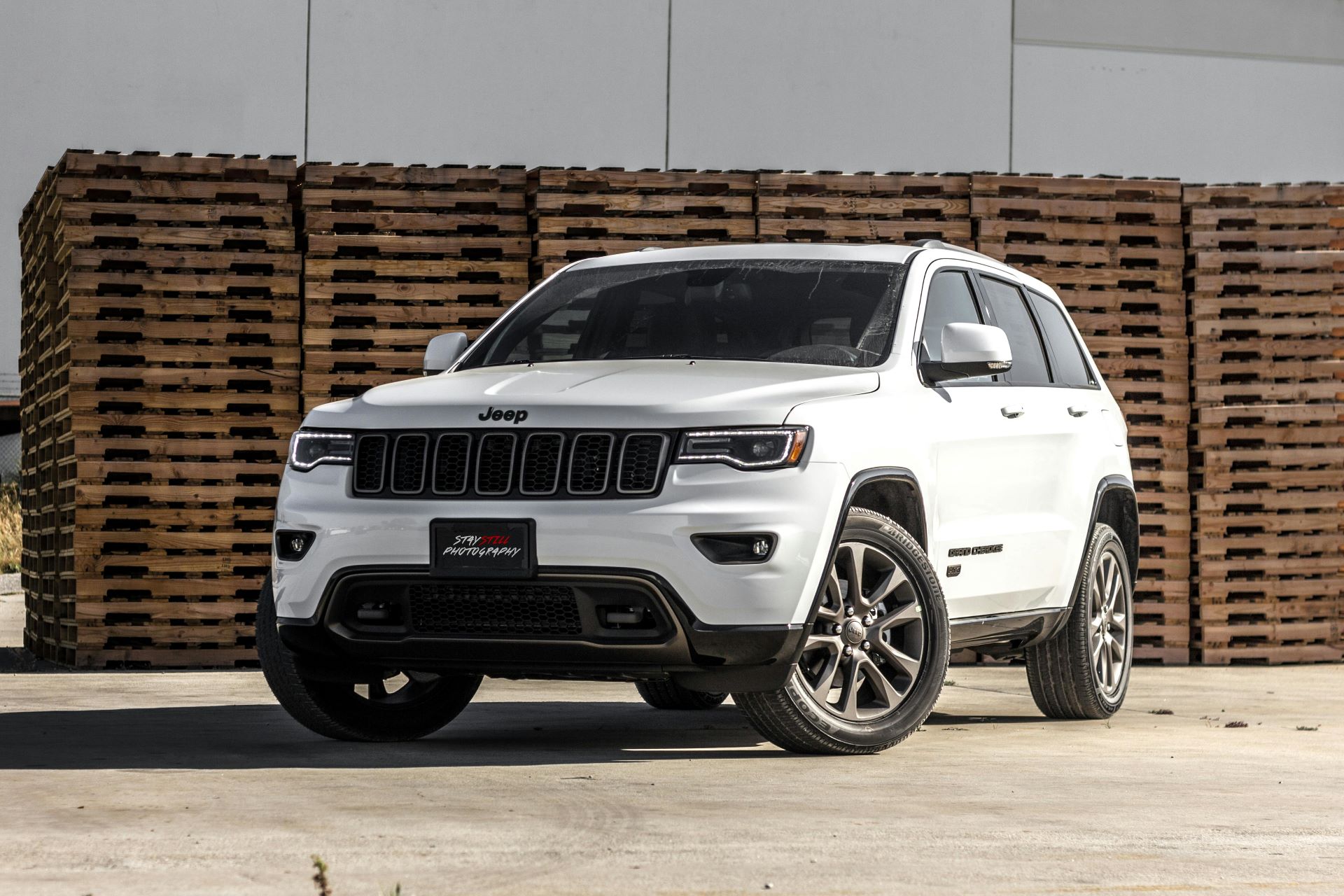
Cars no longer succeed by being merely useful. They succeed by being meaningful. They act as extensions of personality, vessels of aspiration, and tools of self-definition. They translate inner narratives into public presence.
When someone chooses a car today, they are not just choosing how to travel. They are choosing how to be seen, how to feel, and how to belong. Utility gets them moving. Identity gives the journey purpose.
In that sense, the modern car is not a machine at all. It is a lifestyle statement, rolling quietly through the world, saying everything before the driver ever speaks.
Breyten Odendaal
Specializing in high-performance automotive advertising and digital marketing solutions, delivering cutting-edge insights and the latest news shaping the automotive industry in South Africa.
More From Advertising

Automotive Advertising in 2026: Selling Confidence in a More Competitive Market
As South Africa’s vehicle market becomes more competitive, automotive advertising needs to do more than announce a price or specification. It needs to help buyers understand value, ownership costs and why a vehicle suits their lives.

Automotive Digital Ads in South Africa: A Shift
Exploring how South Africa’s automotive advertising evolved from print and broadcast to data-driven, programmatic digital ecosystems.

The Video Shift in Car Buying Decisions in SA
Explore how video content shapes car purchase decisions in South Africa, comparing short-form and long-form strategies for automotive marketers.