
In a world where innovation drives both relevance and revenue, industries once considered unrelated are now revealing shared lessons through creative cross-pollination. At the intersection of aesthetics, consumer psychology, and brand evolution lies an unlikely yet illuminating comparison: the automotive and fashion industries.
While automobiles are engineered for longevity and function, fashion thrives on transience and reinvention. Yet both sectors operate within the realm of desire, identity, and lifestyle. In this landscape, the fashion industryÔÇÖs nuanced mastery of seasonal marketing offers the automotive world a timely opportunity to rethink how cars are launched, positioned, and embraced ÔÇö not only as modes of transport but as cultural artefacts.
The Power of Rhythm and Anticipation
Fashion is anchored in rhythm. Spring/Summer and Autumn/Winter collections donÔÇÖt merely signify changing trends; they create dependable cycles of engagement. These seasonal markers build anticipation, drive conversations, and condition audiences to expect ÔÇö and desire ÔÇö whatÔÇÖs next.
In contrast, the automotive sectorÔÇÖs product cycles are often dictated by engineering timelines and corporate strategies rather than cultural cadence. While international motor shows and product unveilings do create buzz, they lack the emotive regularity that keeps fashion fans perpetually on edge.
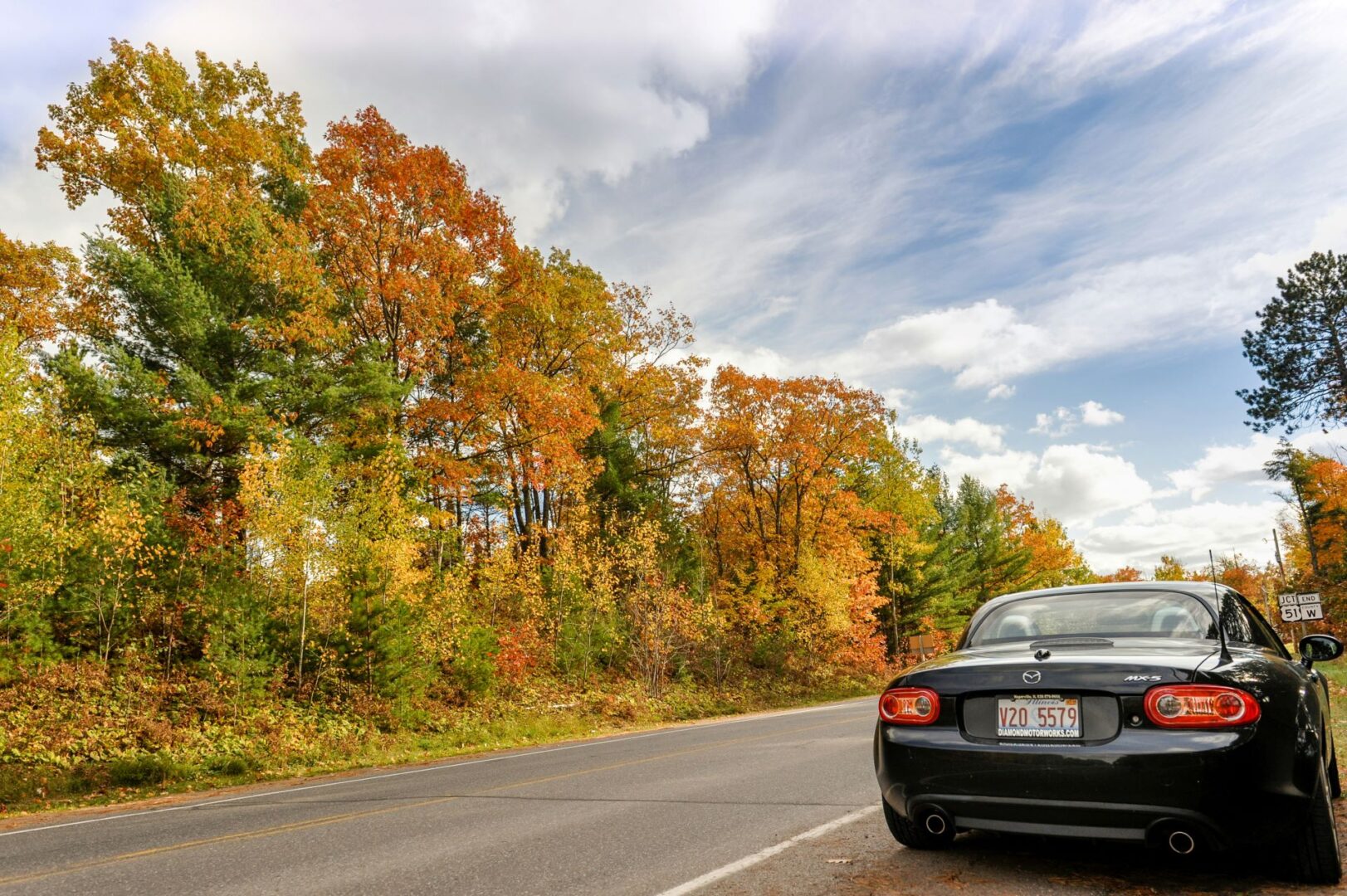
By adopting a more rhythmic, consumer-oriented approach to vehicle launches and brand campaigns, automakers could emulate fashionÔÇÖs ability to build sustained anticipation. Imagine a spring 'capsule collection' of vibrant EV colourways, or an autumn line of interior trims styled in collaboration with design houses. Rhythm becomes narrative. Seasonality becomes seduction.
Limited Editions and the Psychology of Scarcity
Fashion has perfected the art of the drop. Capsule collections, collaboration exclusives, and seasonal runway-to-retail releases create scarcity that fuels demand. In this context, desirability isnÔÇÖt just about whatÔÇÖs available ÔÇö itÔÇÖs about whatÔÇÖs elusive.
Automotive brands have flirted with this formula. Ferrari and Bugatti thrive on exclusivity, while high-performance sub-brands like BMW M and Mercedes-AMG occasionally deliver special editions. Yet beyond the halo tier, limited-run creativity remains underutilised.
Consider how a more fashion-inspired scarcity model could look: seasonal trims that expire within a quarter, or colourways that correspond to environmental cues (think ÔÇ£Storm GreyÔÇØ for winter or ÔÇ£Solar Flare YellowÔÇØ for summer). When customers are trained to expect the unexpected, even the practical becomes aspirational.
Cultural Currency: From Function to Fashion
At its core, fashion is a mirror to culture. Its value extends beyond fabric and stitching to reflect mood, movement, and meaning. Whether itÔÇÖs streetwear echoing social rebellion or couture celebrating escapism, clothing speaks the language of its time.
Cars, too, carry cultural weight ÔÇö but the industryÔÇÖs focus on specifications and performance often overshadows this potential. A more fashion-aligned mindset would see vehicles marketed not merely as tools of convenience, but as statements of time and place.
MINI has touched this sensibility with limited-run models like the ÔÇ£Paddy Hopkirk Edition.ÔÇØ Fiat has embraced heritage through collaborations with brands like Gucci. But there remains untapped potential in forging stronger links between automotive design and the zeitgeist. Fashion thrives on mood boards. Why not create cars that speak to the emotional palette of a generation?
The Runway Effect: Reframing the Launch Moment
The fashion runway is theatre ÔÇö a stage where concept meets consumer fantasy. Every walk, every light cue, every soundtrack selection is calibrated to trigger emotion. In this choreographed chaos, fashion distills aspiration into experience.
Automotive launches, by contrast, often veer into the clinical. Press releases, static presentations, and embargoed previews dominate an otherwise rich opportunity to create theatre. While some brands, like Porsche and Mercedes-Benz, have elevated product reveals to cinematic status, the broader industry still struggles to transcend technical formalism.
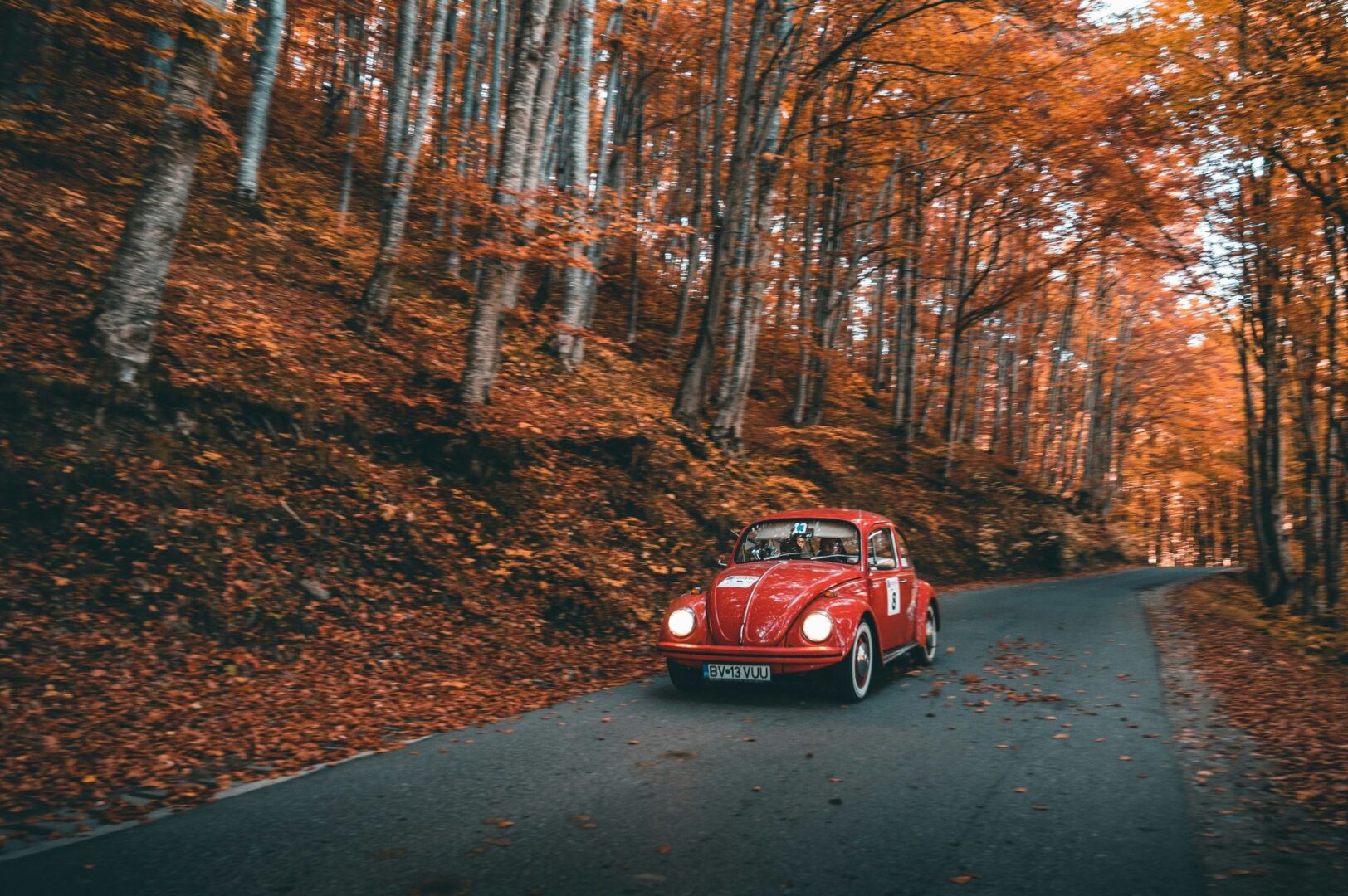
Imagine a car launch as a cultural event ÔÇö not just a showroom reveal, but a cross-disciplinary showcase involving music, art, film, or fashion. A convertible debuted alongside a summer capsule fashion collection. A rugged SUV launched during an autumnal festival of adventure and design. By borrowing the runwayÔÇÖs immersive techniques, brands can turn debuts into destinations.
Seasonality as a Sustainability Strategy
Fast fashion has been justifiably criticised for its environmental toll. Yet, some of its seasonal strategies are now being repurposed in the name of sustainability. Brands are shifting toward trans-seasonal collections, circular design, and modular wearability ÔÇö creating fewer but more adaptable products.
The automotive industry, under pressure to reduce waste and emissions, could adopt a similar mindset. Seasonal updates donÔÇÖt have to mean entirely new vehicles. Instead, modularity and personalisation could take centre stage. Seasonal updates to interiors, infotainment skins, or even digital interfaces (such as mood lighting or soundscapes) would offer freshness without overproduction.
Subscription models, already being explored by brands like Volvo and Lynk & Co, hint at how cars could become more like wardrobes ÔÇö fluid, adaptable, and curated by the user. If fashion can evolve to meet ethical standards while maintaining style and desirability, thereÔÇÖs no reason cars canÔÇÖt follow suit.

Storytelling That Evolves with the Consumer
FashionÔÇÖs campaigns evolve not only with seasons but with sentiment. Messaging shifts fluidly with socio-political climates, cultural trends, and emotional undercurrents. This responsiveness makes fashion feel alive ÔÇö and aligned.
The automotive sector often struggles with messaging inertia. Campaigns tend to stretch for months or years, relying heavily on aspirational tropes or heritage clich├®s. But what happens when the cultural climate shifts mid-cycle? Static storytelling loses traction.
Adopting a more fluid, fashion-inspired approach would encourage brands to be agile with tone, visuals, and platforms. Seasonal shifts in marketing could allow brands to remain in sync with consumer mindsets ÔÇö joyful, nostalgic, rebellious, or restrained ÔÇö as the cultural landscape evolves.
The Rise of Lifestyle Ecosystems
Fashion doesnÔÇÖt stop at the garment. It spills into music, art, fragrance, interiors ÔÇö creating lifestyle ecosystems that encourage multi-sensory engagement. Brands like Louis Vuitton and Gucci donÔÇÖt sell clothes; they sell worlds.
Some automotive brands are beginning to understand this. BentleyÔÇÖs furniture collections, LamborghiniÔÇÖs apparel, and Mercedes-BenzÔÇÖs involvement in fashion week are early signs of lifestyle expansion. But the opportunity extends beyond merchandising.
A more comprehensive ecosystem could integrate seasonal campaigns with pop-up experiences, curated road trip playlists, digital fashion drops for in-car avatars, or immersive augmented reality showrooms. In this sense, the car becomes not just a vehicle, but an access point to a lifestyle ÔÇö as emotionally rich as any fashion house.
Collaborations as Cultural Conduits
The most memorable moments in fashion often stem from unexpected collaborations ÔÇö high meets low, street meets couture, art meets commerce. These juxtapositions spark cultural electricity.
In the automotive world, collaborations are usually cautious. They tend to exist within technical or branding silos: co-engineered performance, co-branded accessories. Rarely do they reflect true creative crossovers.
Yet partnerships with musicians, designers, architects, or filmmakers could add new depth to car launches and seasonal campaigns. Imagine a summer edition SUV designed in collaboration with a surf brand, or a winter-ready EV styled in partnership with a Scandinavian design collective. Such collaborations arenÔÇÖt gimmicks ÔÇö theyÔÇÖre bridges to broader emotional engagement.
Repetition Without Redundancy
One of fashionÔÇÖs subtler superpowers lies in repeating itself without becoming boring. Each season may feature recurring silhouettes, palettes, or themes, yet new interpretations keep them fresh. This dynamic creates comfort and surprise in equal measure.
Car brands often shy away from revisiting past models or design motifs unless itÔÇÖs an anniversary edition. But what if legacy design cues were reinterpreted seasonally, becoming part of a living design language rather than relics?
Think of it as remix culture for automotive design: seasonal reinterpretations of headlight signatures, grille patterns, or upholstery textures. ItÔÇÖs not about nostalgia ÔÇö itÔÇÖs about evolution.
Driving Desire, Not Just Demand
FashionÔÇÖs seasonal marketing isnÔÇÖt merely a logistical cycle; itÔÇÖs a cultural choreography that turns necessity into narrative. It teaches us that timing is as crucial as taste, that desire can be manufactured without manipulation, and that scarcity, rhythm, and relevance can work in harmony.
For the automotive sector, the lesson isnÔÇÖt to mimic fashionÔÇÖs ephemerality but to embrace its emotional intelligence. To see beyond metal and mechanics and into the very heartbeat of human behaviour. To create campaigns that breathe. To launch with mood, not just metrics.
In doing so, car brands have the chance to become more than manufacturers. They can become curators of modern mobility ÔÇö timely, timeless, and utterly irresistible.
Breyten Odendaal
Specializing in high-performance automotive advertising and digital marketing solutions, delivering cutting-edge insights and the latest news shaping the automotive industry in South Africa.
More From Advertising

Automotive Advertising in 2026: Selling Confidence in a More Competitive Market
As South Africa’s vehicle market becomes more competitive, automotive advertising needs to do more than announce a price or specification. It needs to help buyers understand value, ownership costs and why a vehicle suits their lives.

Automotive Digital Ads in South Africa: A Shift
Exploring how South Africa’s automotive advertising evolved from print and broadcast to data-driven, programmatic digital ecosystems.

The Video Shift in Car Buying Decisions in SA
Explore how video content shapes car purchase decisions in South Africa, comparing short-form and long-form strategies for automotive marketers.