
When the smell of new leather, the glint of polished metal, and the tactile reassurance of a steering wheel once defined a car buyerÔÇÖs first experience, the dealership was a sacred arena. It was here, amid the echo of footsteps on tile and the low hum of engines, that the ritual of automotive discovery unfolded. Today, that ritual is being rewritten. In the digital age, a new triadÔÇövoice, vision, and virtual realityÔÇöis reshaping how consumers engage with vehicles long before the first key is turned or tire meets tarmac.
From AI-powered assistants that anticipate preferences to augmented reality experiences that project a vehicle into a buyerÔÇÖs driveway, and fully immersive virtual test drives, the automotive industry is entering a terrain where imagination and interaction merge seamlessly. This is not merely marketing; it is a transformation of consumer expectation, a redefinition of what it means to experience a car.
As digital interfaces grow more sophisticated, so too does the potential to craft experiences that are simultaneously entertaining, informative, and emotionally resonant. The modern consumer no longer simply wants to be told what a car can doÔÇöthey want to feel it, to explore it, and to make the vehicle a reflection of their identity before a single wheel turns.
The Rise of the Voice-Activated Concierge
AI assistants have moved far beyond the novelty of smart speakers or in-car infotainment prompts. Today, automotive brands are embedding AI into the entire customer journey, from discovery to post-purchase support. BMWÔÇÖs Intelligent Personal Assistant, for instance, has evolved into a digital concierge that understands natural language, allowing drivers to ÔÇ£askÔÇØ their vehicles to adjust climate control, plot routes, or even suggest local points of interest.
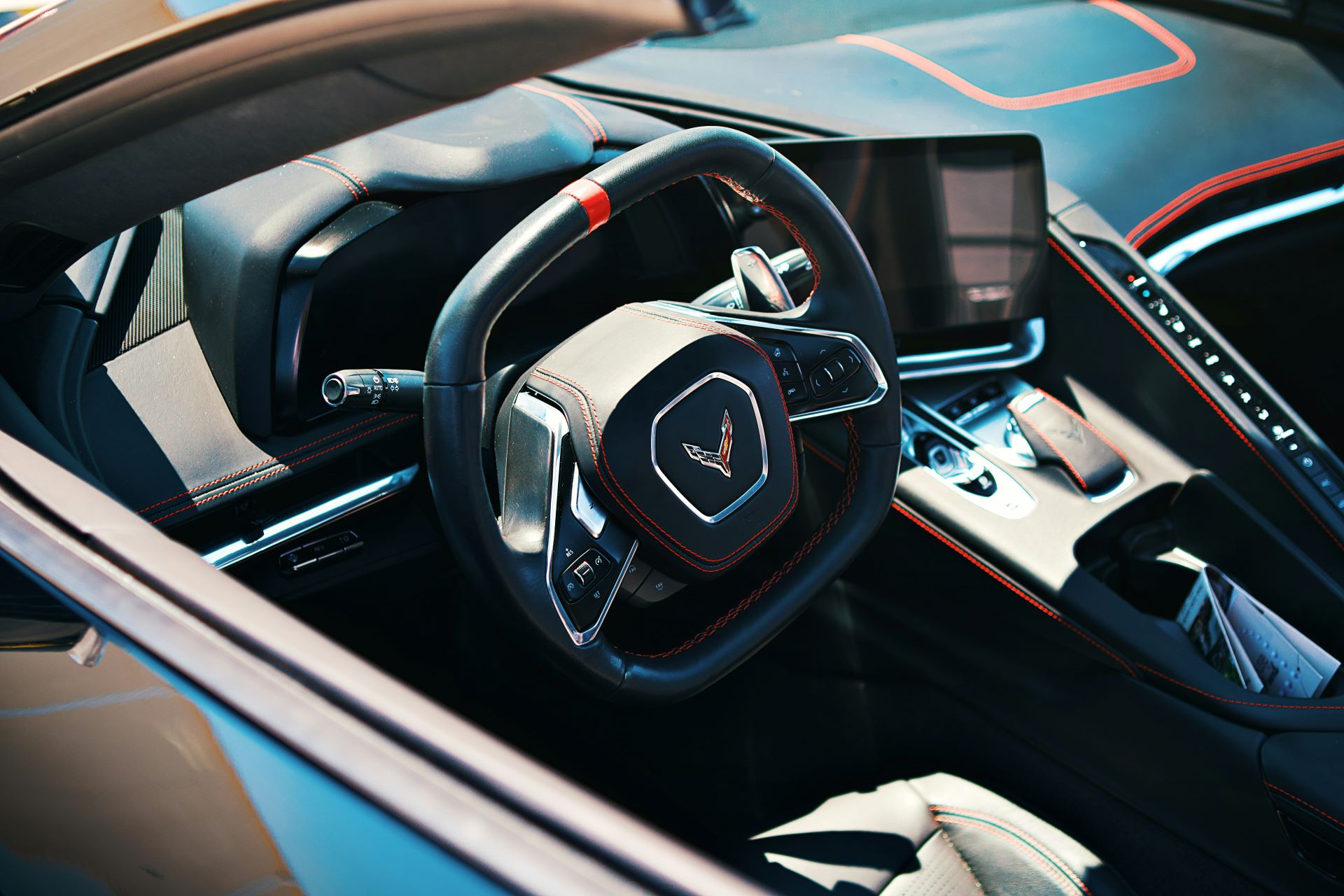
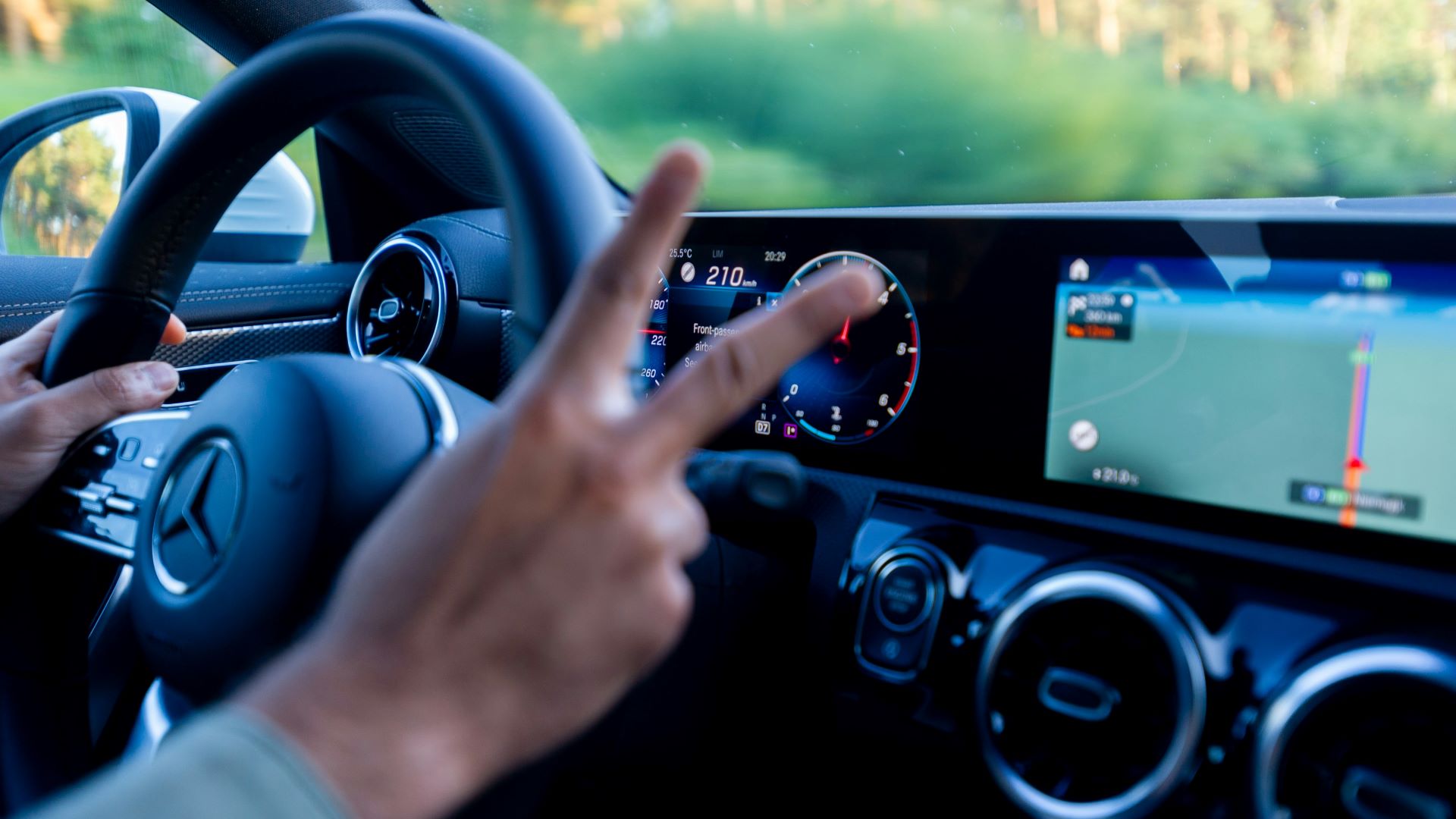
The sophistication of these systems lies in personalization. By analyzing user behavior, AI assistants can anticipate a driverÔÇÖs needs, suggesting upgrades, maintenance alerts, or tailored driving experiences. HyundaiÔÇÖs AI-driven recommendation engine, integrated into its app ecosystem, goes a step further, proposing new vehicle configurations or virtual experiences based on lifestyle patterns. Mercedes-BenzÔÇÖs MBUX system not only responds to vocal commands but learns a driverÔÇÖs habits over time, subtly adjusting seat positions, lighting preferences, and even navigation suggestions without explicit prompts. Here, the voice interface does more than communicateÔÇöit creates a dialogue between brand and consumer, blurring the boundary between service and relationship.
This conversational intimacy is crucial in modern marketing. Consumers are no longer passive recipients of information; they are collaborators in the discovery process. When an AI assistant can answer complex questions about torque curves, electric range, or financing options in real-time, it elevates the brand from a product manufacturer to a trusted advisor. It also fosters a sense of continuity, where the interaction is not limited to one device or showroom but extends across apps, in-car systems, and online platforms.
The impact on conversion rates and brand loyalty is significant. Data from recent studies indicates that consumers who interact with AI assistants during the research phase are more likely to complete a purchase, engage with complementary services, and return for future vehicles. In essence, the voice interface is not just a convenienceÔÇöit is a subtle, pervasive marketing channel that operates around the clock, learning, adapting, and enhancing the consumerÔÇÖs journey.
Augmented Reality: Bridging Imagination and Reality
While voice engages the mind, augmented reality engages the eye. AR is no longer limited to gimmicks or apps that overlay digital elements on a smartphone screen. It is becoming a tool for serious consideration, letting prospective buyers interact with vehicles in ways that were impossible just a few years ago.
Volvo, for example, has developed an AR app that projects a full-scale 3D model of a vehicle into any space. A buyer can walk around it, explore interior materials, or even swap colours and trims in real time. The tactile quality of this engagementÔÇöthe ability to see how a car inhabits a physical environmentÔÇöbridges the sensory gap left by online research. AudiÔÇÖs Virtual Showroom takes this further, allowing users to configure vehicles and place them in real-world settings, simulating sunlight, reflections, and perspective, all while providing contextual information about performance and sustainability.
ARÔÇÖs power lies in its subtlety. It does not replace the dealership; it enhances the imagination, allowing users to test ideas, refine preferences, and emotionally connect with a vehicle before the first in-person interaction. The psychological effect of seeing a car in oneÔÇÖs driveway or street, even virtually, strengthens the sense of ownership and personalization. Brands that deploy AR effectively are doing more than marketingÔÇöthey are helping consumers visualize and internalize the decision-making process.
Globally, luxury marques are leading the way. LamborghiniÔÇÖs AR configurator allows potential clients to project the Aventador or Hurac├ín in their own environments, rotate the car in 360 degrees, and explore interior options down to stitching details. Meanwhile, mass-market brands like Toyota and Kia use AR to enhance showroom visits, overlaying performance data, fuel efficiency metrics, and customization options directly on vehicles in the space around the consumer. The result is an experiential marketing channel that bridges imagination and reality seamlessly, turning ordinary smartphones and tablets into portals of aspiration.
Virtual Reality: The Full Immersive Experience
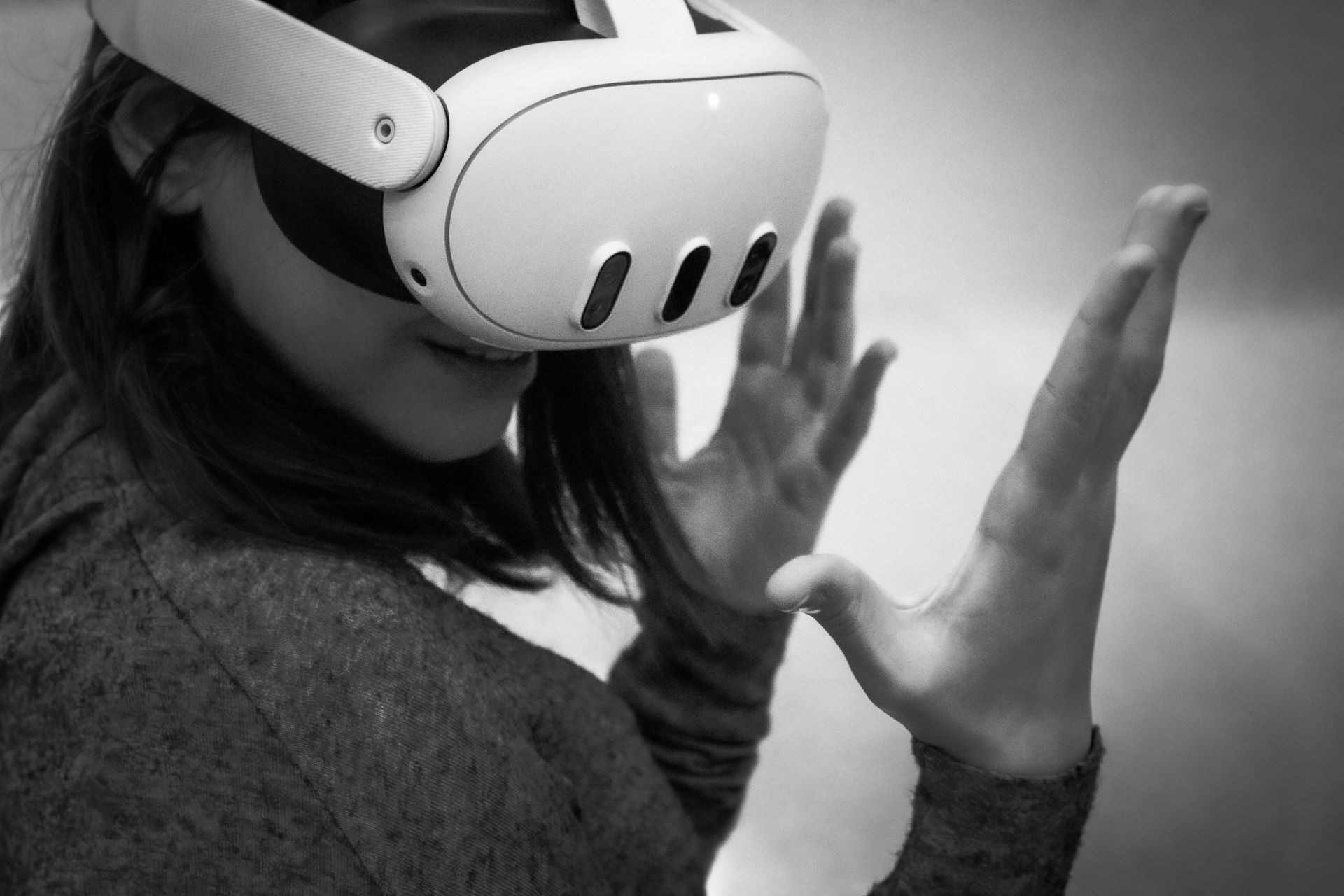
If AR teases the senses, virtual reality immerses them completely. VR offers the ultimate experiential marketing tool: the ability to drive a vehicle in hyper-realistic environments, encountering dynamic traffic conditions, weather patterns, and terrain variations without leaving the living room.
PorscheÔÇÖs VR driving simulator, used at international auto shows and pop-up events, exemplifies the potential. Prospective buyers can experience the TaycanÔÇÖs acceleration on a mountain pass or the handling of a 911 through city streets, with physics engines simulating every nuance of steering and suspension. Jaguar Land Rover has deployed similar technology, allowing buyers to ÔÇ£test driveÔÇØ off-road vehicles in exotic environments digitally, complete with 360-degree audio cues that mimic engine response and road texture.
The marketing power of VR lies in its ability to evoke visceral emotion. Unlike photographs or videos, VR is not passiveÔÇöit demands engagement. A consumer who has virtually navigated hairpin bends or felt the rush of acceleration is emotionally primed, making the leap from consideration to purchase more likely. Brands are also using VR for limited-edition models or high-performance vehicles, creating exclusive digital experiences that mirror real-world scarcity and prestige.
Moreover, VR democratizes access to vehicles that might otherwise remain aspirational. Not every prospective buyer can visit an exotic showroom or attend an international auto show, but VR allows anyone with the right headset to experience the thrill of a luxury supercar or the capability of a rugged SUV. This expansion of reach has profound implications for global automotive marketing, enabling brands to cultivate desire across borders, cultures, and economic brackets.
The Symbiosis of AI, AR, and VR
Individually, voice, AR, and VR offer transformative experiences. Together, they form a symbiotic ecosystem. Imagine this scenario: a prospective buyer opens an AI-powered app, chats with a voice assistant about their ideal vehicle, and the assistant presents an AR projection of that car in the driveway. They then transition into a VR test drive, navigating challenging terrain and experiencing different configurations. Every touchpoint is informed by AI, every interaction designed to educate, entertain, and persuade.
This integration represents a shift in marketing philosophy. Traditional campaigns relied on aspiration and aesthetics; today, engagement is experiential. Data-driven insights guide immersive storytelling, and each technological layer deepens the consumer relationship. Brands that harness this triad effectively are not merely selling vehiclesÔÇöthey are curating experiences, building loyalty through interactivity, and capturing attention in a landscape where digital saturation is the norm.
For example, Mercedes-Benz has begun linking AI insights from its MBUX system with VR experiences at international launches, allowing potential buyers to interact digitally with models that may not be available locally. Similarly, TeslaÔÇÖs online configurator incorporates AI suggestions for add-ons and performance options, paired with 3D renderings that approximate real-world driving scenarios. These layered experiences provide not just information, but narrative continuity, guiding the consumer through a journey that feels cohesive and personalized.
Marketing Psychology: Engagement and Desire
Technology alone does not sell cars; emotion does. Voice, augmented reality, and virtual reality tap into this dimension by providing agency and immersion. When a customer can see a car in their own space, hear it respond to commands, and feel the thrill of a digital drive, the vehicle becomes personal. It transcends utility and becomes aspirational, a reflection of identity and lifestyle.
The psychological impact is profound. Consumers report higher satisfaction and confidence when purchasing decisions are supported by immersive tools. AR and VR reduce the cognitive dissonance of online shopping, while AI assistants foster trust through dialogue and personalization. In essence, technology mediates desire, translating abstract curiosity into informed excitement.
Behavioral research supports these trends. Human brains are wired to respond to simulation as though it were real. Virtual engagement activates similar neural pathways as physical experience, which explains why a virtual test drive can generate anticipation comparable to an actual one. Automotive brands are leveraging this effect to reduce barriers to purchase, accelerate decision-making, and create memorable interactions that resonate far beyond the initial encounter.
Regional Implications: South Africa and Emerging Markets
While global brands pioneer these experiences, markets like South Africa present unique opportunities. Digital infrastructure and mobile penetration make AR and AI-enabled apps accessible to a growing tech-savvy audience. Dealerships in Johannesburg, Cape Town, and Durban are beginning to incorporate AR showrooms and VR simulators to engage affluent consumers who value convenience and exclusivity.
Local brands are also exploring hybrid approaches. Virtual test drives that showcase performance on iconic South African terrainÔÇölike the scenic Garden Route or the rugged Drakensberg passesÔÇöallow potential buyers to experience vehicles in familiar contexts. AI assistants trained to recognize local language nuances, traffic conditions, and lifestyle patterns can enhance personalization, ensuring that global technologies are culturally and contextually relevant.
By blending international innovation with local context, automotive marketers can create experiences that resonate deeply, fostering loyalty and emotional connection in ways that traditional campaigns struggle to achieve.
Challenges and Opportunities
Adoption is not without hurdles. Hardware accessibility, user interface design, and software sophistication remain challenges. Ensuring AR projections are realistic across different devices, VR simulations are responsive, and AI assistants are culturally and linguistically aware requires substantial investment. Yet these challenges are surmountable, and early adopters are already reaping rewards in brand loyalty, engagement metrics, and conversion rates.
For automotive marketers, the opportunity is clear: a chance to reimagine the customer journey, to shift from transactional to experiential, and to embed innovation at every stage of engagement. The brands that succeed will be those that embrace technology not as a novelty, but as an extension of narrative, emotion, and identity.
Driving Into the Future
The automotive showroom of the future exists simultaneously everywhere and nowhere. It is a space defined by imagination, interaction, and personalization. Voice, augmented reality, and virtual reality are the new pillars of consumer engagement, allowing brands to transcend the physical limitations of traditional marketing and offer experiences that are as immersive as they are memorable.
In this era, a test drive is no longer a short journey down a dealership lane; it is a curated odyssey through expectation, imagination, and digital craftsmanship. Those who harness the triad of voice, vision, and virtual reality are not just selling vehiclesÔÇöthey are steering the future of automotive experience itself.
The driverÔÇÖs seat has expanded from leather and steel into code, pixels, and dialogue, inviting consumers to not just observe the future of motoring, but to participate in it. And in this intersection of technology and desire, automotive marketing has found its most powerful accelerator yet.
Breyten Odendaal
Specializing in high-performance automotive advertising and digital marketing solutions, delivering cutting-edge insights and the latest news shaping the automotive industry in South Africa.
More From Advertising
Automotive Advertising in 2026: Selling Confidence in a More Competitive Market
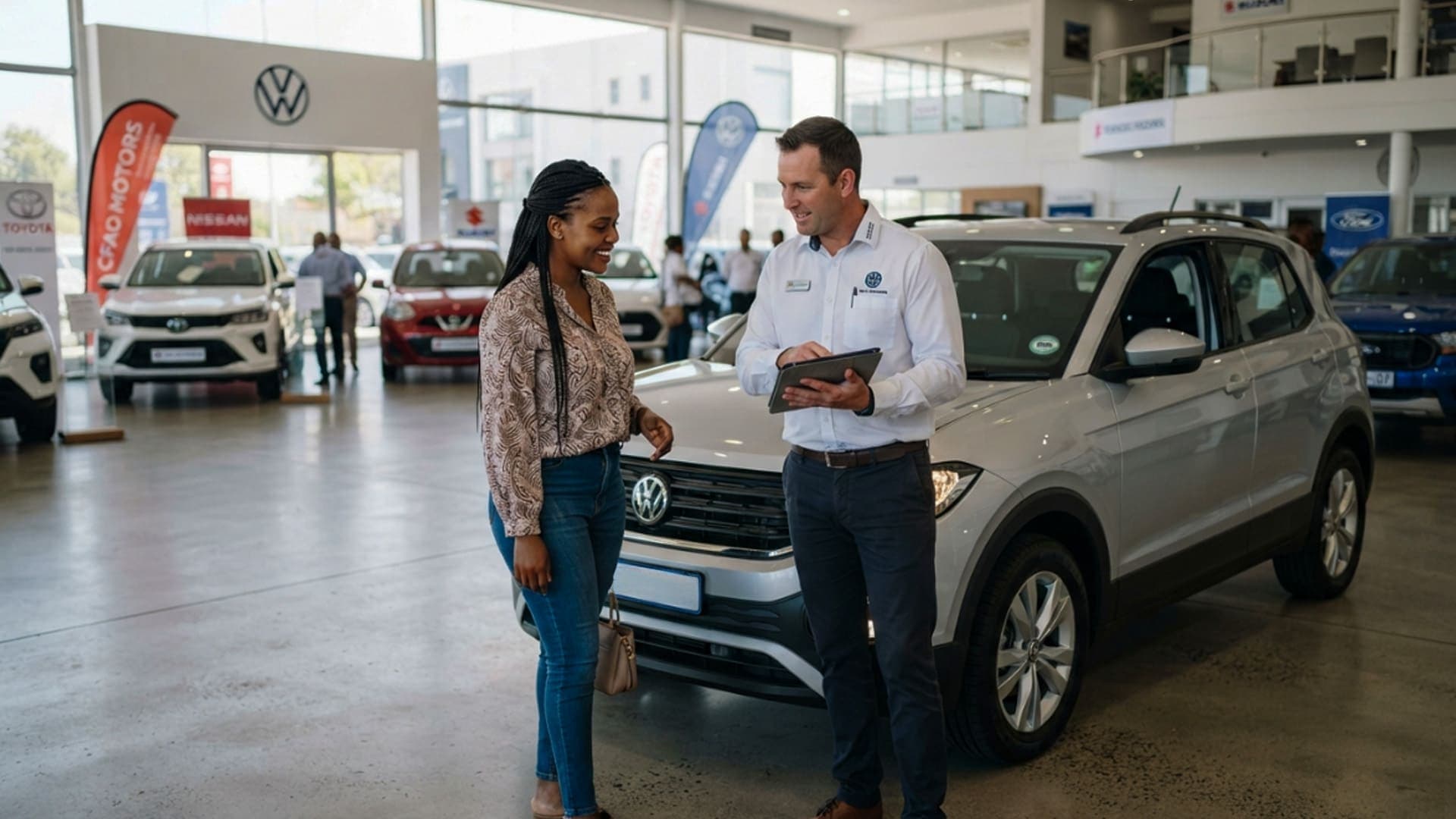
As South Africa’s vehicle market becomes more competitive, automotive advertising needs to do more than announce a price or specification. It needs to help buyers understand value, ownership costs and why a vehicle suits their lives.

Automotive Digital Ads in South Africa: A Shift
Exploring how South Africa’s automotive advertising evolved from print and broadcast to data-driven, programmatic digital ecosystems.

The Video Shift in Car Buying Decisions in SA
Explore how video content shapes car purchase decisions in South Africa, comparing short-form and long-form strategies for automotive marketers.