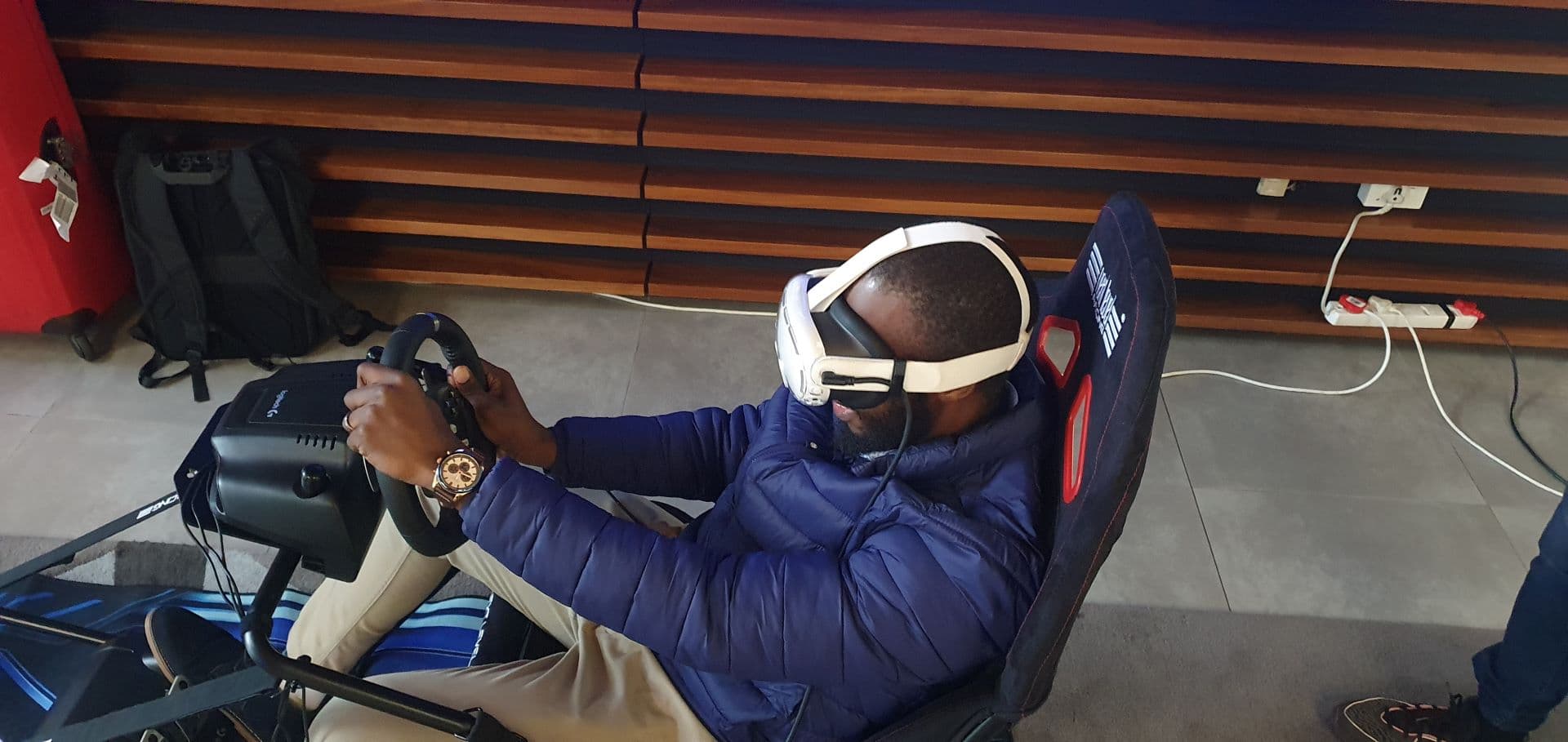
The automotive industry is undergoing a seismic shiftÔÇönot only in how vehicles are built and powered, but in how they are marketed and sold. Traditional test drives, once considered a non-negotiable step in the car-buying journey, are now being reimagined through the lens of digital innovation. Enter the virtual test drive: an immersive, tech-powered alternative that promises to revolutionise automotive marketing.
Driven by advances in virtual reality (VR), augmented reality (AR), and cloud-based rendering technologies, virtual test drives are no longer the experimental novelties of yesteryear. They are fast becoming strategic pillars in the marketing arsenals of forward-thinking automakers. But do they truly deliver on experience, engagement, and conversionÔÇöor are they a stopgap in a post-pandemic world?
This article explores the rise of virtual test drives, their technological underpinnings, their role in consumer decision-making, and whether they genuinely represent the future of automotive marketing.
The Traditional Test Drive: A Time-Honoured Tactic
For decades, the test drive has been an essential tool in the buyerÔÇÖs journey. Beyond specs and aesthetics, consumers have always wanted to feel the carÔÇöhow it accelerates, handles, brakes, and connects them to the road. ItÔÇÖs tactile. Emotional. Persuasive.
But this ritual comes with limitations:
In an era where convenience, personalisation, and digital-first experiences are prioritised, the traditional test drive model feels increasingly outdated.
The Rise of Virtual Test Drives
Catalysts for Change
Several key forces have accelerated the adoption of virtual test drives:
Key Players and Innovations
Major automotive brands have jumped on the virtual test drive trend:
These initiatives demonstrate that virtual test drives are not mere gimmicksÔÇötheyÔÇÖre scalable, immersive tools rooted in high-tech infrastructure.
How Virtual Test Drives Work
Core Technologies
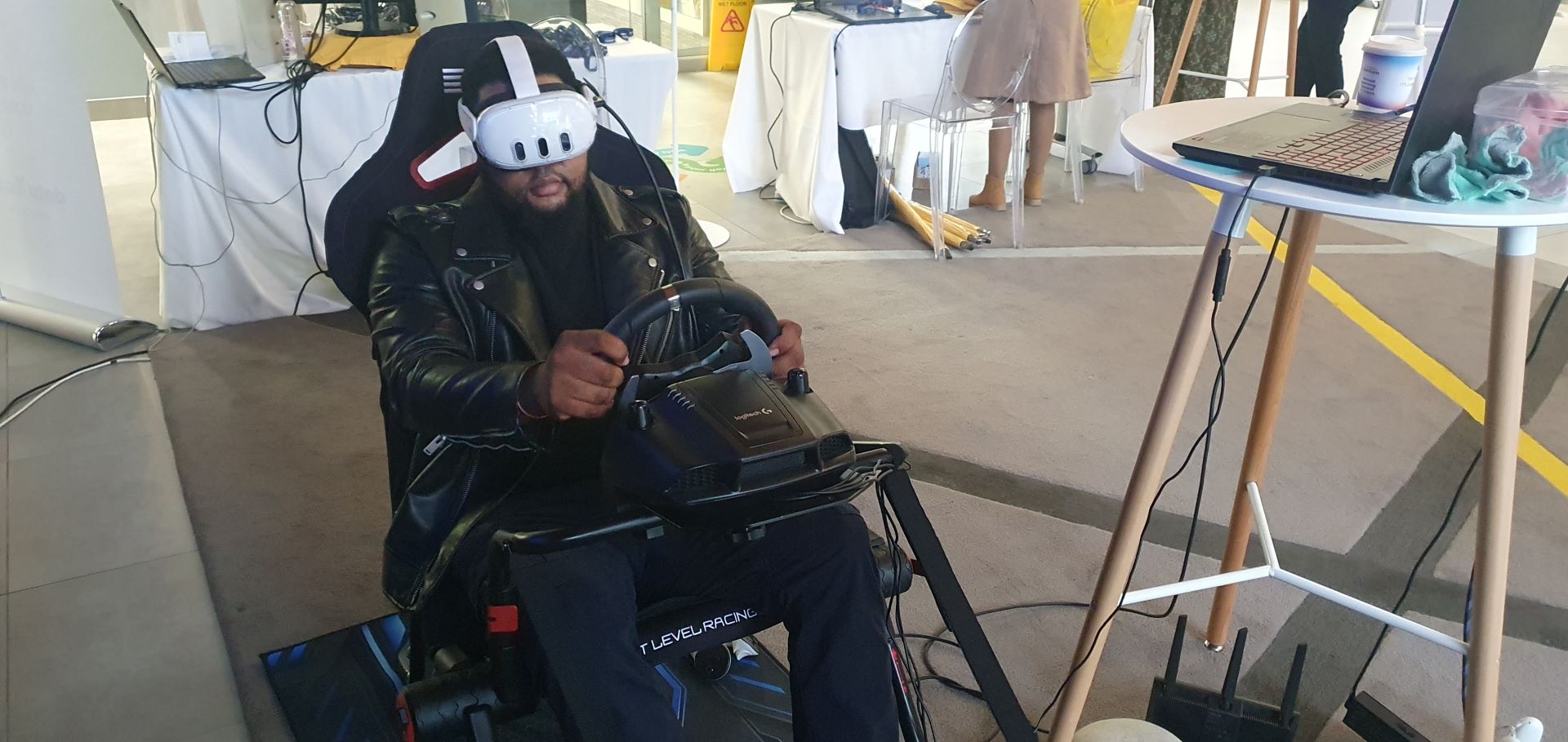
Virtual Reality (VR)Provides fully immersive experiences through headsets like Oculus Quest or HTC Vive.
Augmented Reality (AR)Adds digital overlays onto real-world environments via smartphones or tablets.
Mixed Reality (MR)Combines physical interaction with digital overlays, often used in brand showrooms.
Cloud Rendering & 3D EnginesPlatforms like Unity and Unreal Engine provide high-quality, real-time vehicle simulation.
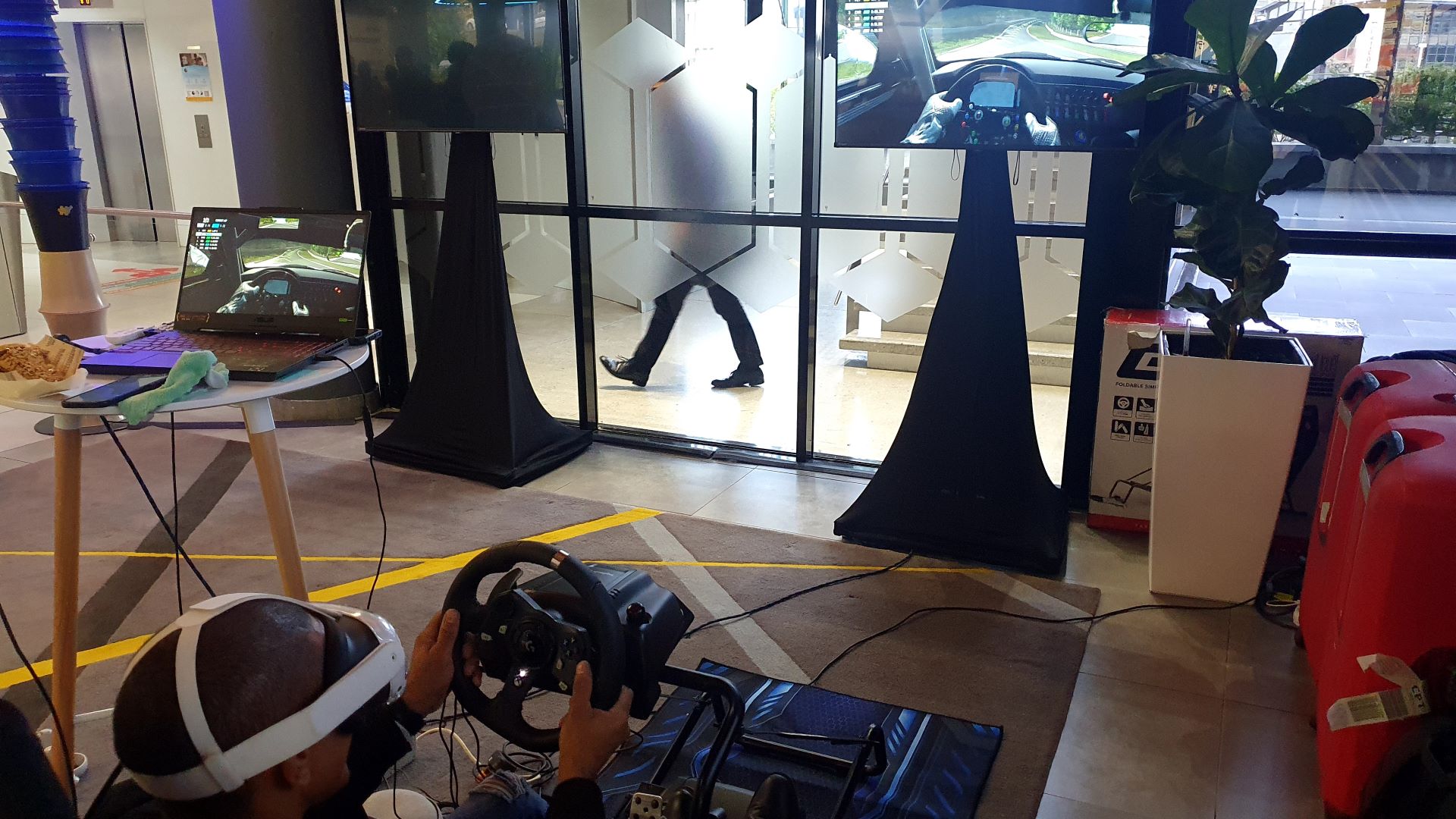
Haptics and Feedback SystemsSimulated steering wheels, pedals, and even wind machines enhance realism.
Access Models
The Marketing Advantage
Engagement and Immersion
Virtual test drives keep users engaged for longer than traditional web browsing or scrolling through brochures. Immersive content captures attention and improves recall.
Data Collection and Personalisation
Every virtual interaction yields valuable behavioural dataÔÇöwhat features users explore, how long they spend driving, which models they favour. This enables hyper-targeted follow-ups and customised sales journeys.
Scalability and Reach
Unlike traditional test drives limited by location, virtual test drives are globally accessible. Whether you're in Johannesburg or Jakarta, a brand-new launch is a few clicks away.
Reduced Costs and Environmental Impact
Brands can cut costs related to logistics, fuel, and wear-and-tear, while offering an environmentally sustainable marketing alternative.
Omnichannel Integration
Virtual test drives can seamlessly integrate into broader campaignsÔÇövia QR codes on social media, product configurators on websites, or follow-ups in CRM systems.
Case Study: ToyotaÔÇÖs GR Yaris VR Launch
In early 2021, Toyota Europe launched a VR test drive campaign for the GR Yaris, targeting performance enthusiasts during pandemic lockdowns. Users could experience the car on a simulated racetrack, exploring driving dynamics, cockpit feel, and unique performance features.
Results:
The campaign demonstrated that virtual test drives could drive mid-funnel conversions, especially when targeting digitally literate, enthusiast demographics.
Where Virtual Meets Physical
The most effective automotive marketing strategies blend virtual and physical experiences. A hybrid model is emerging:
The Road Ahead: Virtual Test Drives in the Metaverse
As platforms like MetaÔÇÖs Horizon Worlds, Fortnite Creative, and Decentraland evolve, they open new arenas for automotive marketing.
Imagine:
Automakers like BMW, Ferrari, and Nissan are already experimenting with metaverse marketing pilots.
Implications for South Africa and Emerging Markets
In markets like South Africa, where road conditions vary and dealership access may be limited in rural areas, virtual test drives offer a unique opportunity to democratise access to automotive experiences. However, barriers such as data costs, device availability, and internet speed must be considered.
Local dealerships and OEMs can adopt lightweight AR apps and progressive web-based tools to tap into mobile-first consumersÔÇöbridging the digital divide while future-proofing their brand.
A Future Driven by Experience
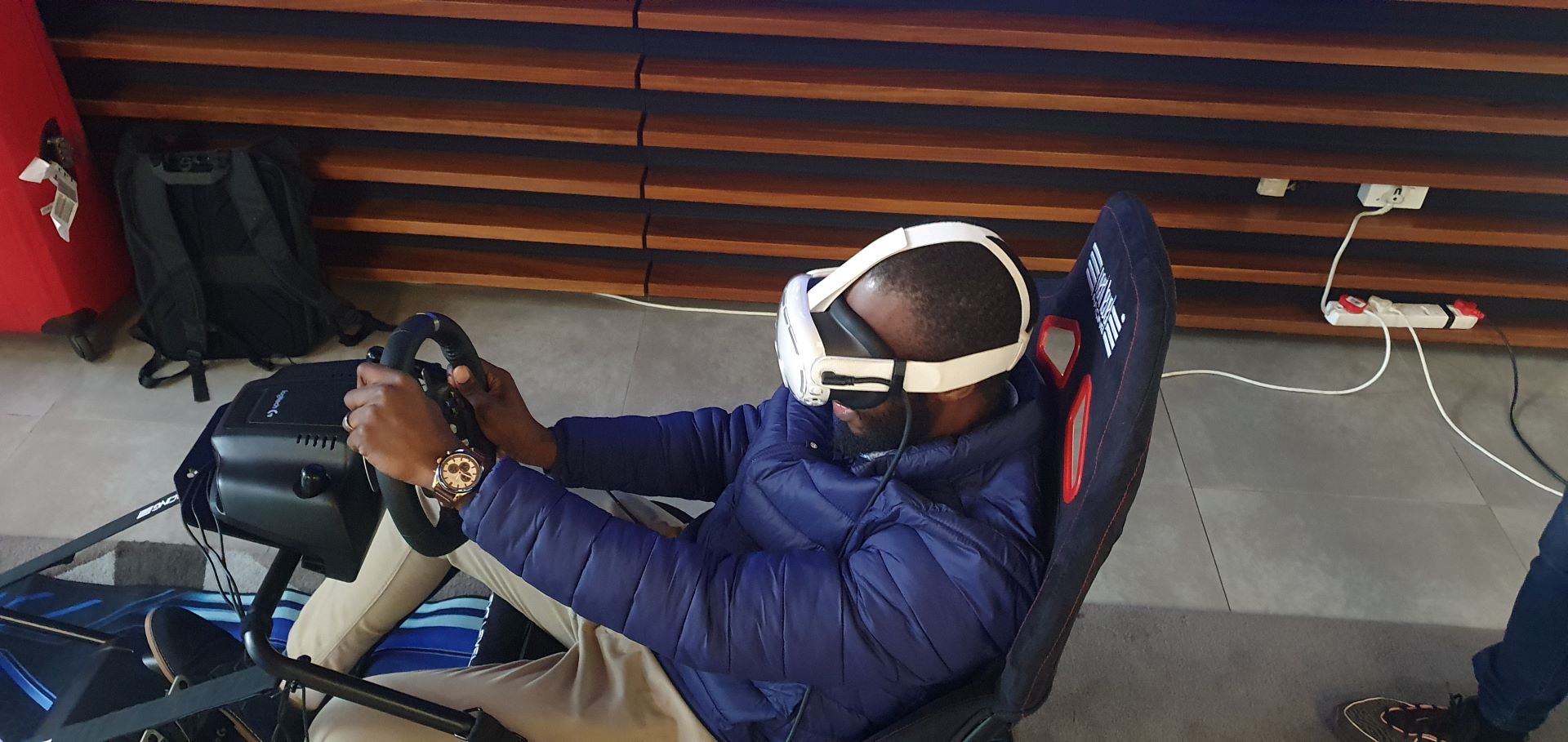
Virtual test drives are not a wholesale replacement for real-world drivingÔÇöbut they are undeniably reshaping the way consumers engage with cars. As technology becomes more accessible and immersive content more compelling, these experiences will no longer be the exception but the expectation.
For brands willing to invest in quality, interactivity, and seamless omnichannel integration, virtual test drives offer more than noveltyÔÇöthey offer narrative, nuance, and new levels of consumer insight.
In the ever-competitive world of automotive marketing, the race is onÔÇönot just to sell, but to immerse. And in that race, virtual test drives may well be the ultimate gear shift.
Breyten Odendaal
Specializing in high-performance automotive advertising and digital marketing solutions, delivering cutting-edge insights and the latest news shaping the automotive industry in South Africa.
More From Advertising

Automotive Advertising in 2026: Selling Confidence in a More Competitive Market
As South Africa’s vehicle market becomes more competitive, automotive advertising needs to do more than announce a price or specification. It needs to help buyers understand value, ownership costs and why a vehicle suits their lives.

Automotive Digital Ads in South Africa: A Shift
Exploring how South Africa’s automotive advertising evolved from print and broadcast to data-driven, programmatic digital ecosystems.

The Video Shift in Car Buying Decisions in SA
Explore how video content shapes car purchase decisions in South Africa, comparing short-form and long-form strategies for automotive marketers.