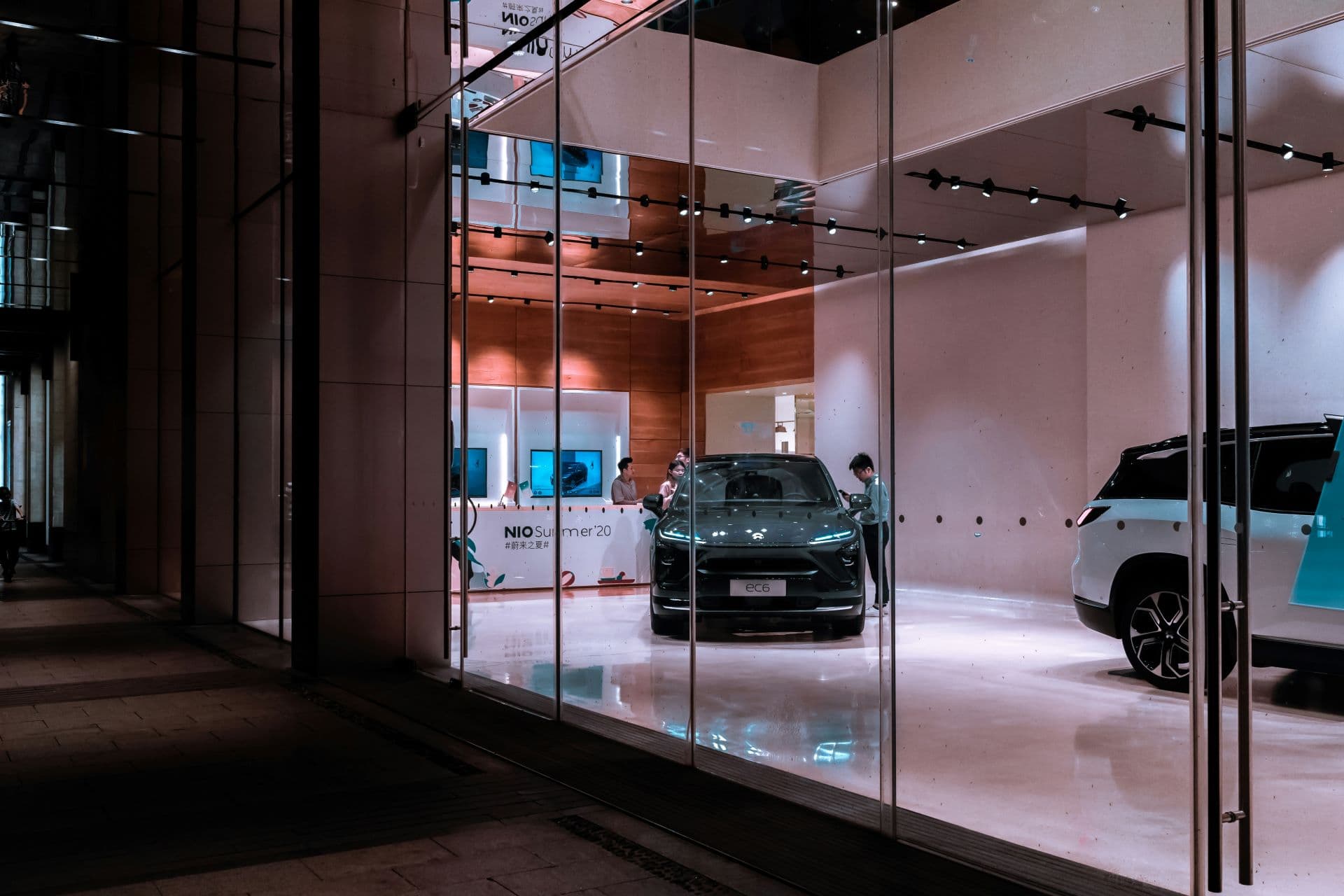
A Paradigm Shift in Automotive Retail
For more than a century, the car dealership has been defined by bricks and mortar: a gleaming showroom floor, carefully choreographed lighting, and the comforting scent of new leather. But as consumer behaviour evolves, and as technology reshapes the way we experience products, the automotive retail environment is undergoing its most profound transformation since the advent of the assembly line. Virtual reality (VR), augmented reality (AR), and the broader concept of the metaverse are creating immersive worlds in which the act of shopping for a carÔÇöand even the test drive itselfÔÇöcan be reimagined entirely.
This is not simply a matter of digitising the dealership. It is a wholesale reinvention of the automotive buying journey, where engagement is driven by interactivity and personalisation. The metaverseÔÇöa network of persistent, shared 3D spacesÔÇöis emerging as the natural habitat for these experiences, allowing consumers to explore cars as if they were physical objects, yet unconstrained by geography or time.
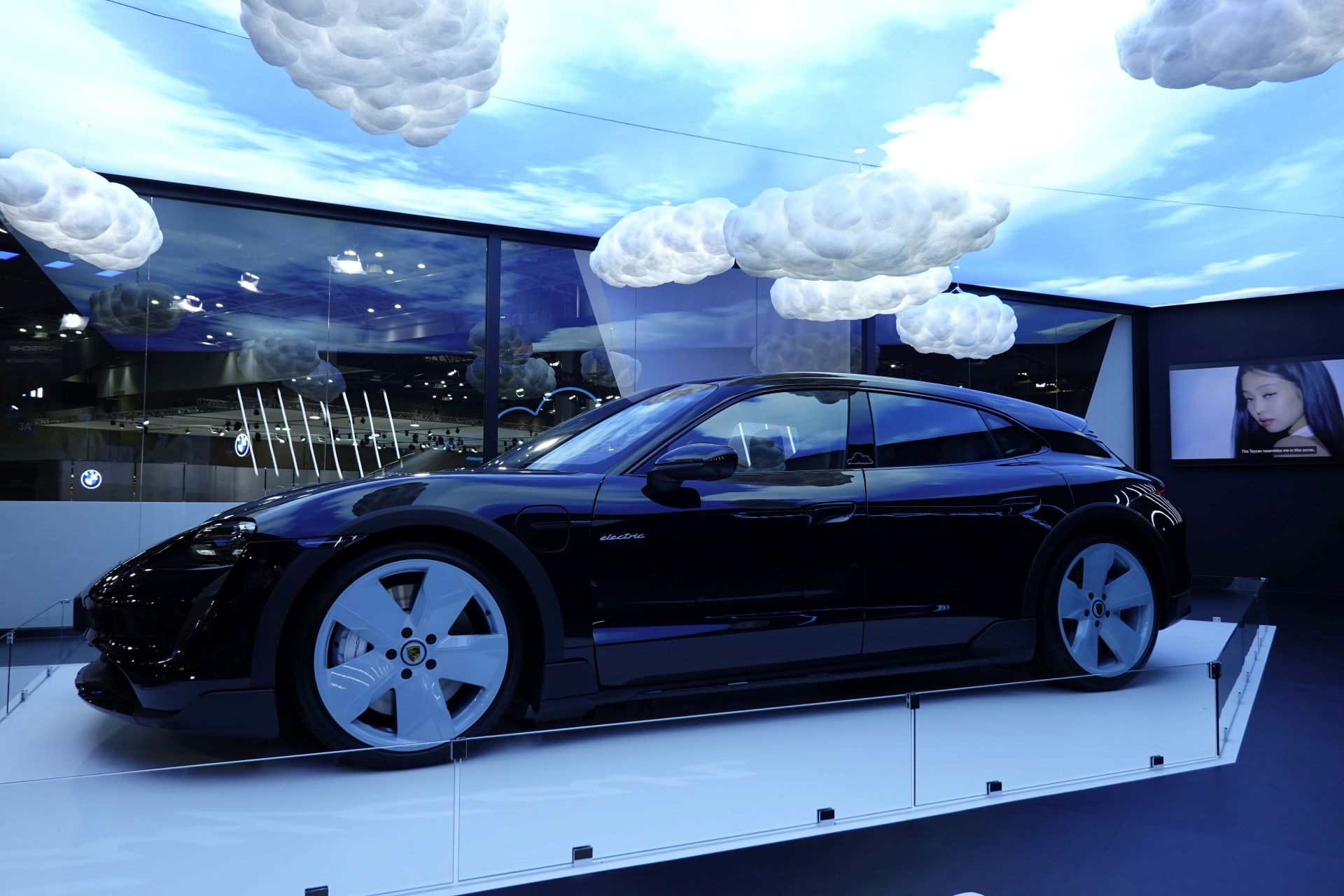
From Static Web Pages to Immersive Engagement
The earliest automotive websites were little more than digital brochures. They offered a modest gallery of images, perhaps a rotating 360-degree view, and a spec sheet. TodayÔÇÖs car shopper demands far more: a sensory experience that bridges the gap between the tangible feel of a showroom visit and the convenience of online research. VR and AR provide the tools to meetÔÇöand exceedÔÇöthose expectations.
Virtual showrooms now replicate the real-world dealership environment in stunning detail. Prospective buyers can step inside via a VR headset or even a standard web browser using a 3D interface. High-resolution renders let them walk around the vehicle, crouch to examine a wheel arch, or sit virtually in the driverÔÇÖs seat to explore a digital cockpit. With haptic feedback and spatial audio, the effect is strikingly close to reality.
Meanwhile, AR applications allow customers to project a life-size car into their driveway or living room using a smartphone or tablet. They can see how a specific colour interacts with the natural light of their own street or whether the vehicle fits neatly into a garage. The once-abstract decision of choosing trim levels and paint finishes becomes an intuitive, emotionally resonant experience.
Reinventing the Test Drive
Perhaps the most radical change is the concept of the virtual test drive. Traditional test drives are constrained by geography, time slots, and weather. In a metaverse environment, those limits dissolve. Customers can drive a hyper-realistic simulation of their chosen model through city streets, along mountain passes, or on a racetrackÔÇöwithout leaving home.
Automakers and their agency partners are investing heavily in physics-based simulation engines. These platforms replicate suspension behaviour, steering feedback, and power delivery with remarkable fidelity. Paired with high-end VR headsets or motion rigs, the experience delivers a persuasive approximation of the carÔÇÖs handling and performance.
While purists might argue that no simulation can replace the visceral sensation of an internal combustion engine at full throttle or the quiet hum of an EVÔÇÖs torque, virtual test drives are not designed to be a perfect substitute. They are a gatewayÔÇöa means of narrowing choices before the physical experience. For manufacturers and dealers, this not only streamlines logistics but also reduces costs and environmental impact by limiting unnecessary fleet mileage.
Marketing in the Metaverse
For marketers, the metaverse is more than a mediumÔÇöit is a playground for brand storytelling. Automotive brands can craft their own bespoke worlds, blending entertainment and commerce in ways that traditional advertising cannot match. Instead of passively absorbing a 30-second commercial, a potential buyer can explore an entire brand universe.
Imagine a luxury marque unveiling its latest grand tourer in a virtual villa perched on the cliffs of the Amalfi Coast, where visitors mingle with digital brand ambassadors and collect NFTs that unlock exclusive experiences. Or a performance brand hosting a timed driving challenge in a metaverse racetrack, where participants compete for VIP track day invitations in the physical world. Such campaigns blur the boundaries between marketing and experiential engagement, fostering a deeper emotional connection with the brand.
Automotive marketers are already experimenting with this model. Early adopters leverage platforms like Roblox and Fortnite for branded activations, while more specialised automotive metaverse environments allow for intricate car configurators and virtual launches. The result is a marketing strategy that is at once interactive, measurable, and highly shareable.
Data-Driven Personalisation
The immersive worlds of VR and AR are also data-rich environments. Every user movement, every gaze fixation, and every configuration choice can be trackedÔÇöoffering unprecedented insights into consumer preferences. Marketers can analyse which features attract the most attention, which colour palettes prompt the longest dwell times, or how virtual test-drive routes influence purchase intent.
These insights feed back into product development, retail strategy, and targeted marketing campaigns. Rather than relying on post-purchase surveys or fragmented analytics, automotive brands can make data-informed decisions in real time. This closed feedback loop not only sharpens the sales funnel but also informs future design choices, allowing manufacturers to tailor vehicles to evolving consumer tastes.
Bridging the DigitalÔÇôPhysical Divide
Despite the excitement around virtual showrooms, the physical dealership is not obsolete. Instead, VR and AR act as a bridge, enriching the customer journey before, during, and after a showroom visit. Prospective buyers may arrive at a dealership having already ÔÇ£drivenÔÇØ multiple models virtually and customised their preferred specification.
This convergence reduces friction for both parties. Sales consultants can focus on finalising details and providing human guidance rather than spending hours explaining basic features. Buyers, empowered by their immersive research, feel more confident and less pressured. The result is a more efficient, satisfying, and trust-driven transaction.
Challenges and Considerations
Yet the road to a fully immersive automotive retail environment is not without obstacles. The cost of creating photorealistic 3D assets and maintaining a metaverse presence can be significant, particularly for smaller brands or dealerships. VR hardware adoption, while growing, still lags behind smartphones or tablets.
Privacy and data security present further concerns. The very data that makes metaverse marketing so powerfulÔÇöeye-tracking, movement patterns, personal preferencesÔÇöalso raises questions about consent and ethical use. Automotive marketers must ensure transparency and adhere to evolving regulations around digital privacy.
Technical consistency is another hurdle. A virtual showroom must deliver a seamless experience across a variety of devices, from high-end VR rigs to mid-range mobile phones. Poorly optimised platforms risk alienating users and diluting brand credibility.
The Road Ahead
Despite these challenges, the trajectory is clear. Younger generationsÔÇödigital natives comfortable with gaming environments and virtual social spacesÔÇöare already predisposed to the metaverse as a natural extension of their daily lives. As VR hardware becomes more affordable and AR capabilities continue to integrate into smartphones and wearable devices, the barrier to entry will diminish.
Automakers that embrace this transformation early will not merely digitise their existing sales models; they will redefine them. They will create immersive experiences that complement, rather than replace, the physical test drive and showroom visit. They will engage consumers in ways that are not just transactional but experiential, building brand loyalty long before the first kilometre is driven.
Driving the Future of Automotive Marketing
Virtual showrooms and metaverse test drives are more than technological novelties; they are catalysts for a fundamental shift in automotive marketing. They empower consumers with richer, more personalised experiences while enabling manufacturers and dealers to gather insights, reduce costs, and tell their brand stories with unprecedented creativity.
As the line between digital and physical continues to blur, the car-buying journey is evolving from a linear transaction into a dynamic, multi-sensory narrative. For the automotive industry, the challenge is not simply to adopt new tools, but to craft experiences that resonate emotionally and authentically. Those who succeed will not only sell carsÔÇöthey will sell dreams in worlds limited only by imagination.
Breyten Odendaal
Specializing in high-performance automotive advertising and digital marketing solutions, delivering cutting-edge insights and the latest news shaping the automotive industry in South Africa.
More From Advertising
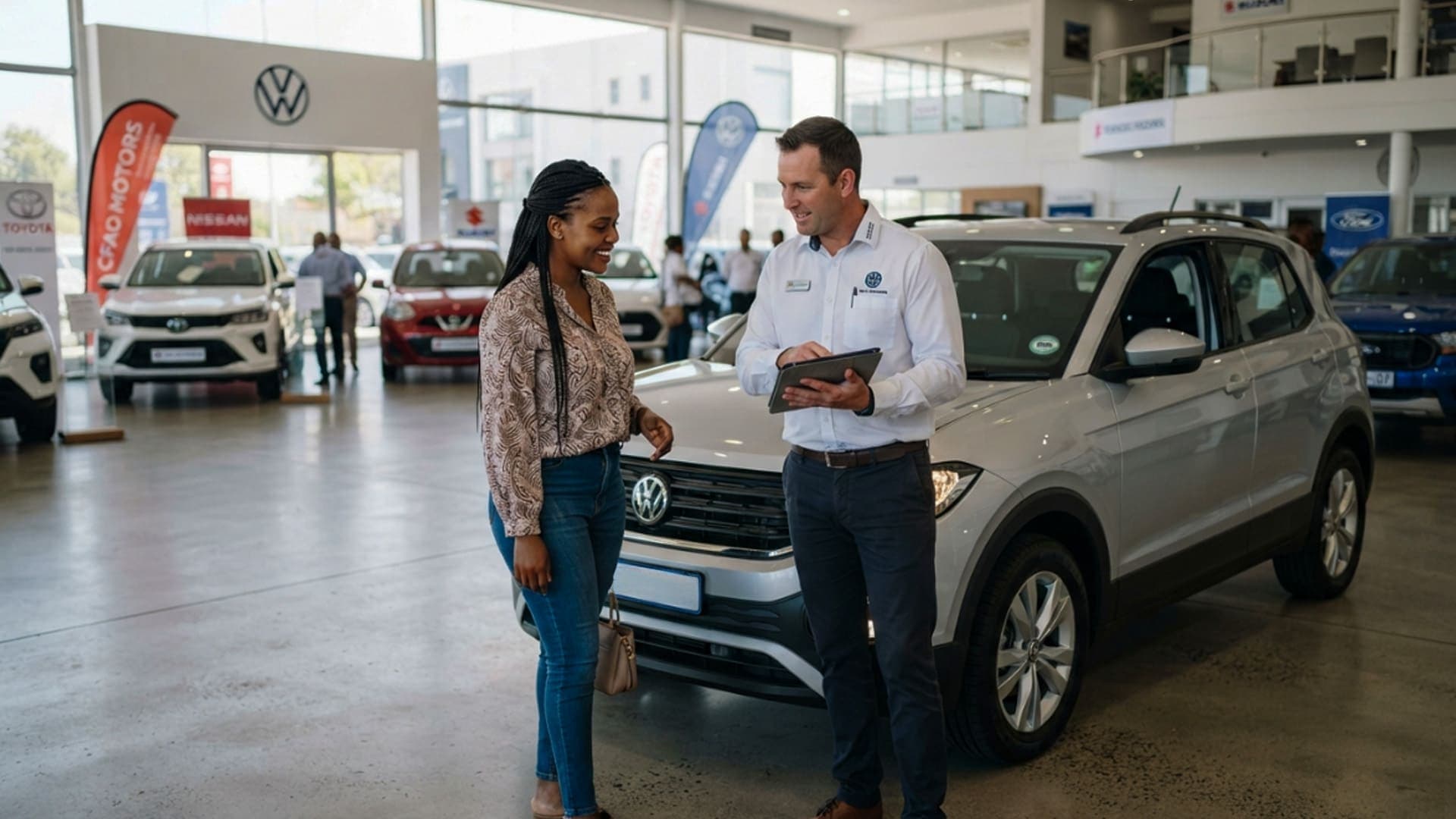
Automotive Advertising in 2026: Selling Confidence in a More Competitive Market
As South Africa’s vehicle market becomes more competitive, automotive advertising needs to do more than announce a price or specification. It needs to help buyers understand value, ownership costs and why a vehicle suits their lives.

Automotive Digital Ads in South Africa: A Shift
Exploring how South Africa’s automotive advertising evolved from print and broadcast to data-driven, programmatic digital ecosystems.

The Video Shift in Car Buying Decisions in SA
Explore how video content shapes car purchase decisions in South Africa, comparing short-form and long-form strategies for automotive marketers.