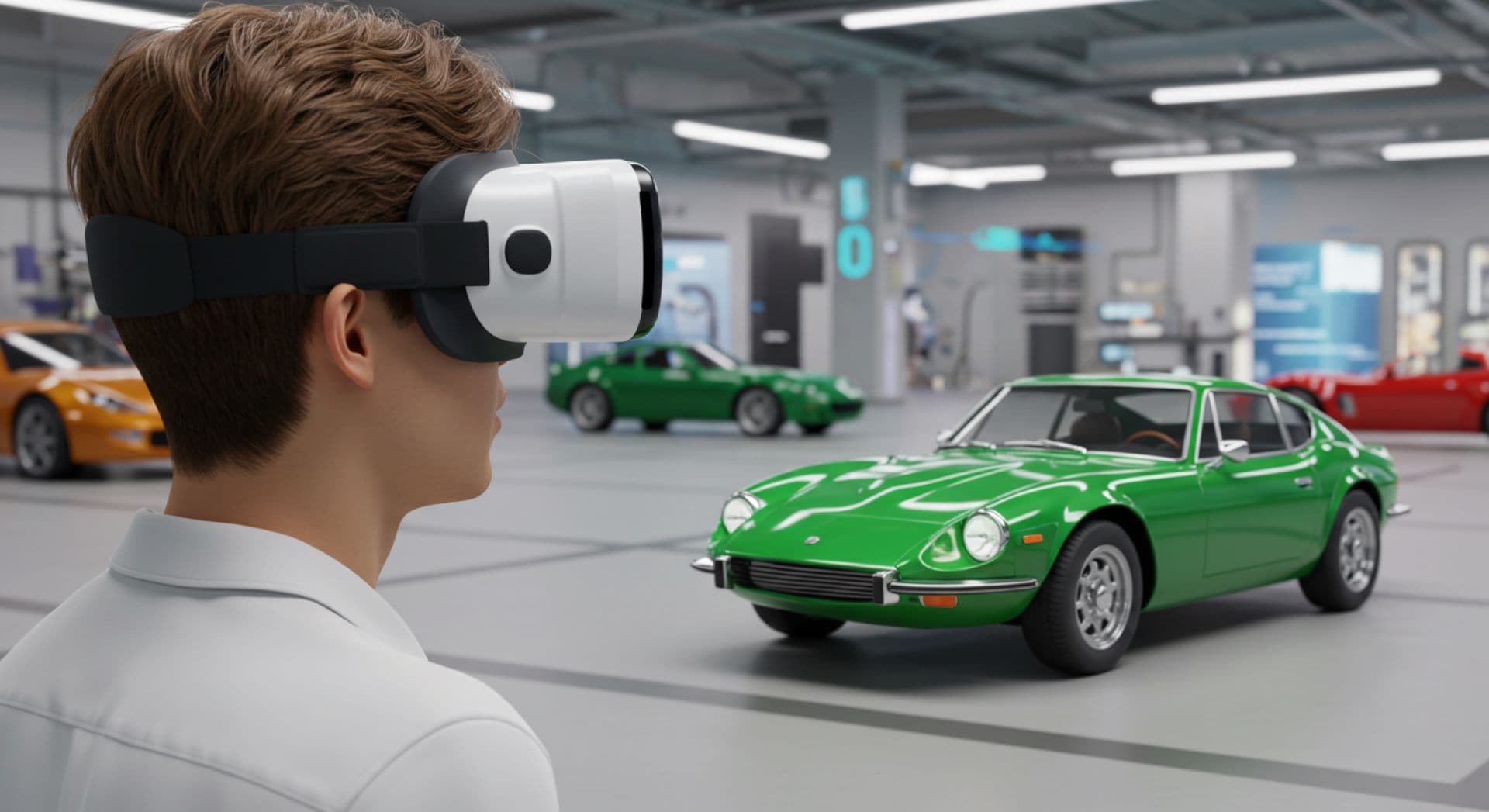
The automotive industry is undergoing a monumental shift. Gone are the days of crowded showrooms, lengthy test drives, and haggling over prices. In its place, a new era of car buying is rapidly emergingÔÇöone where digital interactions, virtual experiences, and seamless online transactions have become the norm. This transformation isnÔÇÖt just about convenience; itÔÇÖs about reshaping the entire car buying experience, making it more accessible, immersive, and, most importantly, aligned with the needs of the modern consumer.
Enter virtual showrooms and digital salesÔÇöthe cutting-edge technologies that are redefining how consumers explore, interact with, and purchase vehicles. These innovations, powered by advances in 3D modeling, augmented reality (AR), and virtual reality (VR), are not just supplementary tools for car buyers; they are revolutionizing the entire industry. With a growing number of manufacturers and dealerships embracing this digital shift, itÔÇÖs clear that virtual showrooms and digital sales are no longer a futuristic idea but a present-day reality.
For automotive enthusiasts, these technological advancements offer an entirely new way to connect with their passion. Virtual showrooms provide an unparalleled opportunity to explore cars in detail without ever stepping foot into a dealership, while digital sales streamline the buying process, offering everything from research to purchase in a seamless online environment. But what does this mean for enthusiasts, and how will it affect the way they engage with their beloved cars? In this article, we will explore how virtual showrooms and digital sales are changing the car buying landscape and what it means for automotive enthusiasts.
The Evolution of Car Buying
The journey of car buying has seen a remarkable evolution, from humble beginnings in a largely paper-based system to the digital revolution we are experiencing today. In the early days, purchasing a car meant physically visiting dealerships, flipping through brochures, and engaging in lengthy negotiations. The process was tactile, but it was also time-consuming and often involved several visits before making a final decision.
As the years passed, technology began to infiltrate the car buying experience. The advent of the internet allowed buyers to research vehicles online, with manufacturers and dealerships starting to post their inventories on websites. This was a game-changer, making it easier for consumers to browse and compare different models from the comfort of their homes. However, despite these advancements, the core process of car buying remained largely unchanged. Buyers still had to visit showrooms, speak with salespeople, and physically inspect vehicles before making a purchase.
The introduction of digital tools, such as online configurators and virtual showrooms, pushed the boundaries even further. Car buyers could now customize their vehicles and view them in 3D, providing a more engaging and detailed experience. Virtual reality (VR) and augmented reality (AR) began to emerge as ways to enhance these experiences, offering a deeper level of immersion and interactivity.
In the past few years, the rise of online marketplaces and digital sales platforms has completely transformed the automotive landscape. Buying a car has now become an entirely digital process for many consumers. From the initial research and exploration to finalizing the sale, the entire journey can be completed online. This shift was accelerated by the pandemic, as lockdowns and social distancing measures forced many to rely on digital tools for purchasing cars. Today, itÔÇÖs not uncommon for car buyers to make their final decisions and complete their purchases without ever stepping foot into a dealership.
This digital shift has been largely driven by technological advancements. 3D modeling, which allows for highly detailed virtual representations of vehicles, AR, which superimposes digital images onto the real world, and VR, which immerses users in a completely virtual environment, are just some of the technologies that have made virtual showrooms and digital sales possible. These technologies have not only enhanced the customer experience but have also allowed automotive companies to reduce costs, expand their reach, and streamline their operations.
Virtual Showrooms
Virtual showrooms represent a dramatic departure from the traditional car buying experience. At their core, these digital environments aim to replicate the showroom experience online, offering customers the ability to explore vehicles in a fully immersive and interactive way. Whether through 3D modeling, VR, or AR, virtual showrooms provide a comprehensive view of a carÔÇÖs features, design, and specifications without requiring a physical presence.
So, how do virtual showrooms actually work? The technology behind these platforms is sophisticated yet accessible. 3D modeling allows car manufacturers to create highly detailed digital versions of their vehicles, down to the smallest details, such as the stitching on the upholstery or the finish on the dashboard. These models can be manipulated by users, allowing them to rotate, zoom in, and explore every angle of a vehicle. AR takes this further by overlaying digital images of the car in the userÔÇÖs real-world environment, allowing them to see how a vehicle might look in their driveway or garage. VR, on the other hand, immerses users in a completely digital environment, where they can explore a virtual showroom or take a simulated test drive.
For automotive enthusiasts, the benefits of virtual showrooms are immediately apparent. These technologies offer unprecedented convenience and accessibility. Rather than having to visit multiple dealerships to see various models, buyers can explore a wide range of vehicles from the comfort of their homes. Virtual showrooms also allow for a more detailed and interactive experience, with users able to delve deeper into the features and specifications of a car, viewing high-definition images or even watching video demonstrations of key features.
One notable example of a brand using virtual showrooms effectively is Audi. The German automaker has integrated VR and 3D technology into its sales process, allowing customers to explore different car configurations and experience the full range of options available. AudiÔÇÖs ÔÇ£Audi CityÔÇØ virtual showrooms offer customers a cutting-edge experience, with digital displays and VR stations that allow them to interact with cars in new ways.
Another example is BMW, which has partnered with various tech companies to create virtual showrooms that give customers an opportunity to experience the brandÔÇÖs vehicles in a fully immersive environment. With BMWÔÇÖs VR technology, customers can ÔÇ£test driveÔÇØ a car before itÔÇÖs even been produced, providing a truly unique experience.
The benefits of virtual showrooms go beyond just the customer experience. They offer car manufacturers and dealerships the ability to reach a wider audience and reduce the need for physical showrooms. With virtual environments, manufacturers can present their cars to a global audience without the constraints of geography, making it easier for buyers to access a wealth of information about different models.
Despite these advantages, virtual showrooms are still evolving, with new innovations and trends constantly emerging. For example, the integration of AI technology could allow virtual showrooms to become even more personalized, offering tailored recommendations based on a customerÔÇÖs preferences and past behaviors. Additionally, the use of 5G networks could enable even more seamless and high-quality virtual experiences, further enhancing the realism and interactivity of these platforms.
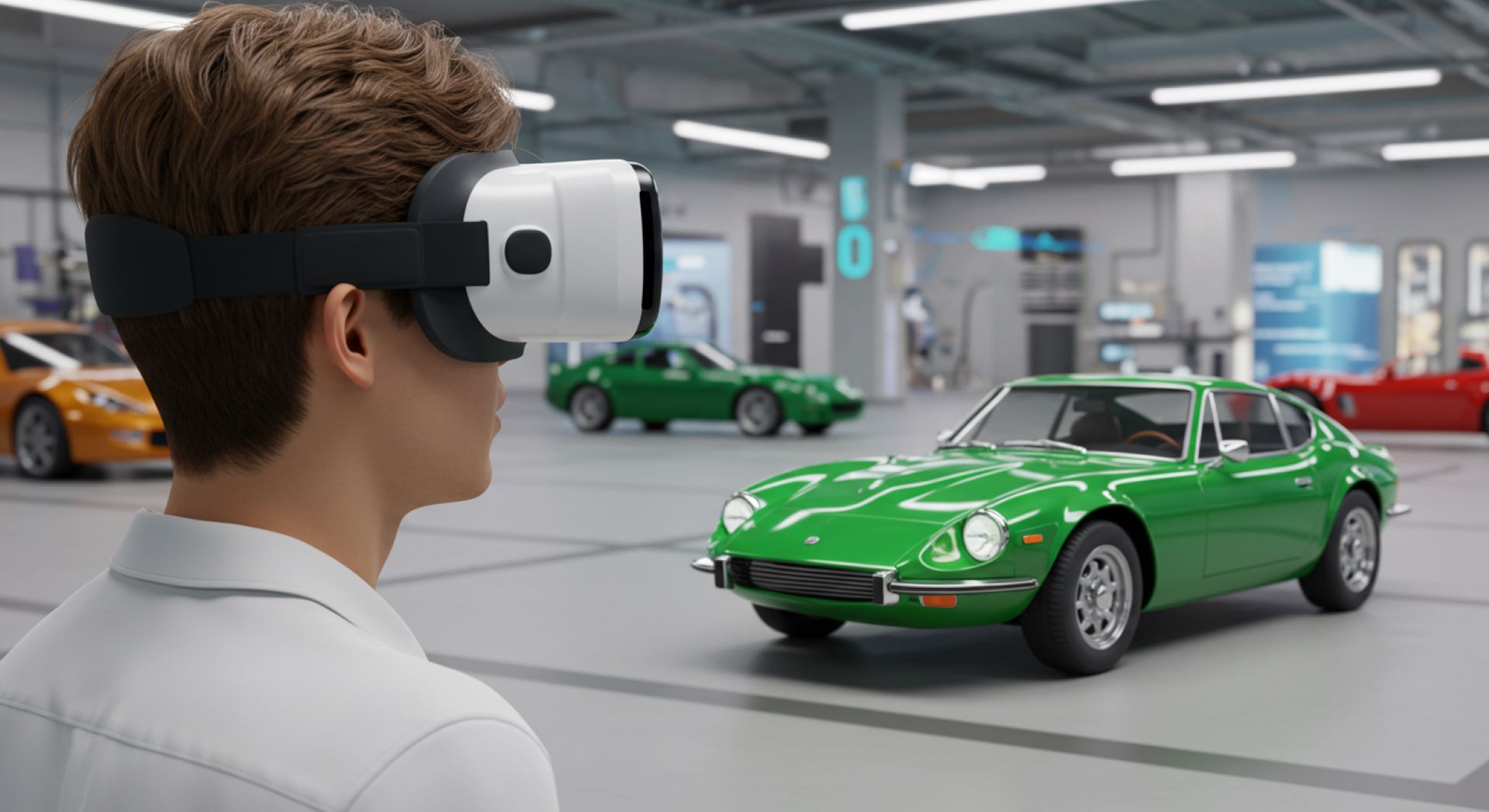
Digital Sales Process
Digital sales in the automotive industry are the natural evolution of the online shopping experience. Just as consumers have become accustomed to buying everything from clothes to electronics online, the automotive industry is embracing a fully digital sales process. From the initial research and configuration stages to the final purchase, the entire process can now be completed online.
The digital sales process begins with the customer browsing through a website or virtual showroom to explore different vehicles. Online configurators allow buyers to customize their cars, selecting colors, features, and accessories before viewing a 3D model or AR representation of their choices. Once theyÔÇÖve decided on a vehicle, customers can access detailed information about financing options, insurance, and warranties, all within the digital platform.
One of the key benefits of digital sales is the streamlined process. By eliminating the need for in-person visits, test drives, and physical paperwork, the entire experience becomes faster and more efficient. Buyers can complete the entire process, from research to purchase, in a matter of hours, without leaving their homes. Digital sales platforms also offer greater transparency, as customers can easily compare prices, financing options, and available incentives.
The use of digital tools such as e-signatures, online payments, and virtual consultations further enhances the process. Many dealerships now offer virtual consultations with sales representatives, allowing customers to ask questions and get personalized advice without needing to visit the showroom. These tools help build trust and transparency, ensuring that customers feel confident in their decisions.
Key platforms such as TeslaÔÇÖs online sales platform, Carvana, and AutoTrader have made significant strides in the digital sales process. TeslaÔÇÖs platform, for example, allows customers to fully configure their vehicles, secure financing, and complete the entire purchase online, including home delivery of the car. Similarly, Carvana has streamlined the car buying process by offering an entirely digital experience, including a 360-degree view of vehicles and the ability to finalize purchases from start to finish through their website.
However, digital sales also come with their own set of challenges. Some buyers may feel uncomfortable with the lack of personal interaction, missing the traditional dealership experience. Additionally, logistical challenges such as delivery times, trade-ins, and paperwork can create barriers for consumers who prefer a more hands-on approach to buying a car. Nevertheless, many of these challenges are being addressed through innovations in digital tools, logistics, and customer service.
Impact on Automotive Enthusiasts
For automotive enthusiasts, the rise of virtual showrooms and digital sales is an exciting development. These technologies provide enthusiasts with new and immersive ways to engage with their passion for cars. Virtual showrooms allow enthusiasts to explore the latest models and innovations in detail, offering an unprecedented level of access to vehicles that might otherwise be out of reach.
Enthusiasts can now ÔÇ£walkÔÇØ around cars, examining every feature and specification with ease. These tools also allow for deeper exploration of customization options, enabling enthusiasts to envision their dream vehicles in a way that was never before possible. For example, a car enthusiast looking for the perfect combination of performance, aesthetics, and technology can use virtual showrooms to explore different configurations and choose the features that matter most.
The ability to complete the entire purchasing process online also offers significant advantages for enthusiasts. The convenience of being able to research, configure, and purchase a vehicle without leaving home is a major draw. This is particularly beneficial for those who live in remote locations or who are looking to purchase rare or limited-edition vehicles that may not be available locally.
However, digital sales also bring challenges for enthusiasts who are accustomed to the tactile experience of visiting a showroom, touching the car, and engaging with sales staff. Despite the convenience and efficiency of online platforms, some car buyers still prefer the personal interaction and the opportunity to experience the vehicle firsthand before committing to a purchase. This is where the integration of augmented and virtual reality technologies into showrooms helps bridge the gap, providing an immersive experience that approximates the physical showroom.
The rise of virtual showrooms and digital sales represents a paradigm shift in the automotive industry. These innovations are transforming the way consumers interact with and purchase vehicles, offering greater convenience, accessibility, and engagement. For automotive enthusiasts, these technologies provide a new way to explore, customize, and purchase vehicles, making the entire process more immersive and tailored to their preferences.
While some challenges remain, such as the need for personal interaction and hands-on experiences, the ongoing evolution of virtual showrooms and digital sales platforms ensures that the car buying process will continue to improve. By embracing these cutting-edge technologies, the automotive industry is not only responding to the demands of modern consumers but also shaping the future of how we buy cars. Whether itÔÇÖs through the immersive world of virtual showrooms or the convenience of digital sales, the way we experience and purchase cars is undergoing a transformation that promises to be both exciting and transformative for automotive enthusiasts around the world.
Breyten Odendaal
Specializing in high-performance automotive advertising and digital marketing solutions, delivering cutting-edge insights and the latest news shaping the automotive industry in South Africa.
More From Advertising

Automotive Advertising in 2026: Selling Confidence in a More Competitive Market
As South Africa’s vehicle market becomes more competitive, automotive advertising needs to do more than announce a price or specification. It needs to help buyers understand value, ownership costs and why a vehicle suits their lives.

Automotive Digital Ads in South Africa: A Shift
Exploring how South Africa’s automotive advertising evolved from print and broadcast to data-driven, programmatic digital ecosystems.

The Video Shift in Car Buying Decisions in SA
Explore how video content shapes car purchase decisions in South Africa, comparing short-form and long-form strategies for automotive marketers.