The Digital Shift in Automotive Retail
For more than a century, the process of buying a car has followed a familiar rhythm: glossy brochures, polished dealership floors, and carefully orchestrated test drives. Yet, in the past decade, the automotive industry has been undergoing a profound transformation. No longer bound exclusively to physical spaces, brands are turning towards immersive technologies that combine the digital and physical worlds in ways that elevate customer experiences. Virtual showrooms, artificial intelligence-driven configurators, and virtual reality (VR) test drives are at the forefront of this movement. They are reshaping not only how vehicles are marketed and sold, but also how consumers imagine themselves behind the wheel.
The convergence of these tools signals a new era of customer engagementÔÇöone that is increasingly seamless, personalised, and interactive. What began as a supplementary sales mechanism during the COVID-19 pandemic has now evolved into a fully-fledged dimension of the automotive retail landscape. To understand its impact, one must look beyond the surface novelty of putting on a headset and walking around a virtual car. These technologies are actively redefining consumer expectations, influencing purchasing behaviour, and pushing carmakers towards new paradigms of design, customer service, and brand loyalty.
The Virtual Showroom: From Concept to Mainstream
At the heart of this shift is the virtual showroom. Once considered a futuristic marketing gimmick, it has now established itself as a crucial component of the digital sales funnel. Virtual showrooms allow consumers to explore entire model ranges from the comfort of their homes. They can examine vehicles at life-size scale, rotate them from any angle, and even walk around them as if standing on the dealership floor.
The appeal lies in both convenience and immersion. A prospective buyer in Cape Town can now compare models available in London, New York, or Tokyo without stepping onto a plane. This dissolves geographical barriers and places consumers at the centre of the global automotive experience. It also unlocks opportunities for brands to engage with customers in markets where physical infrastructure may be limited.
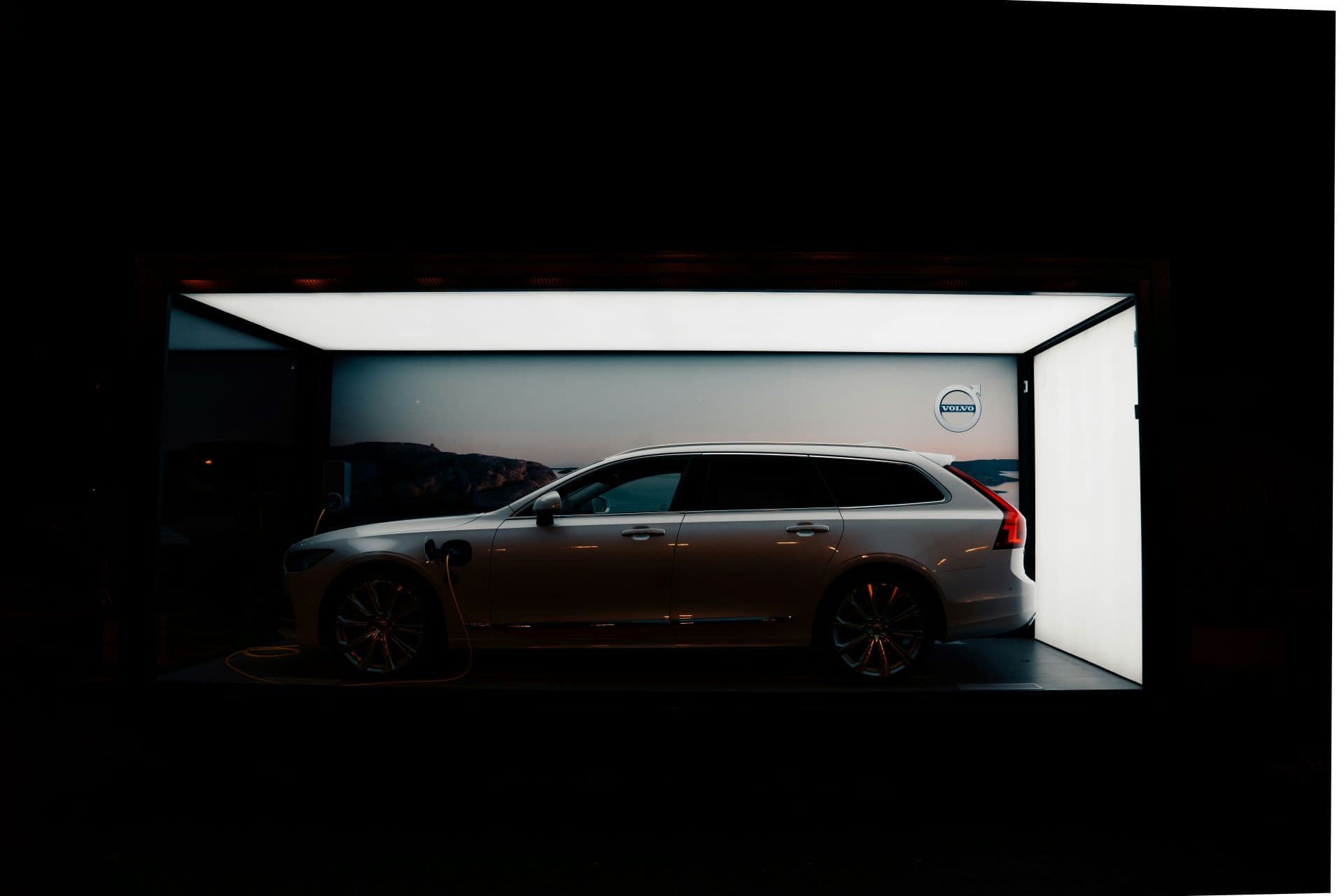
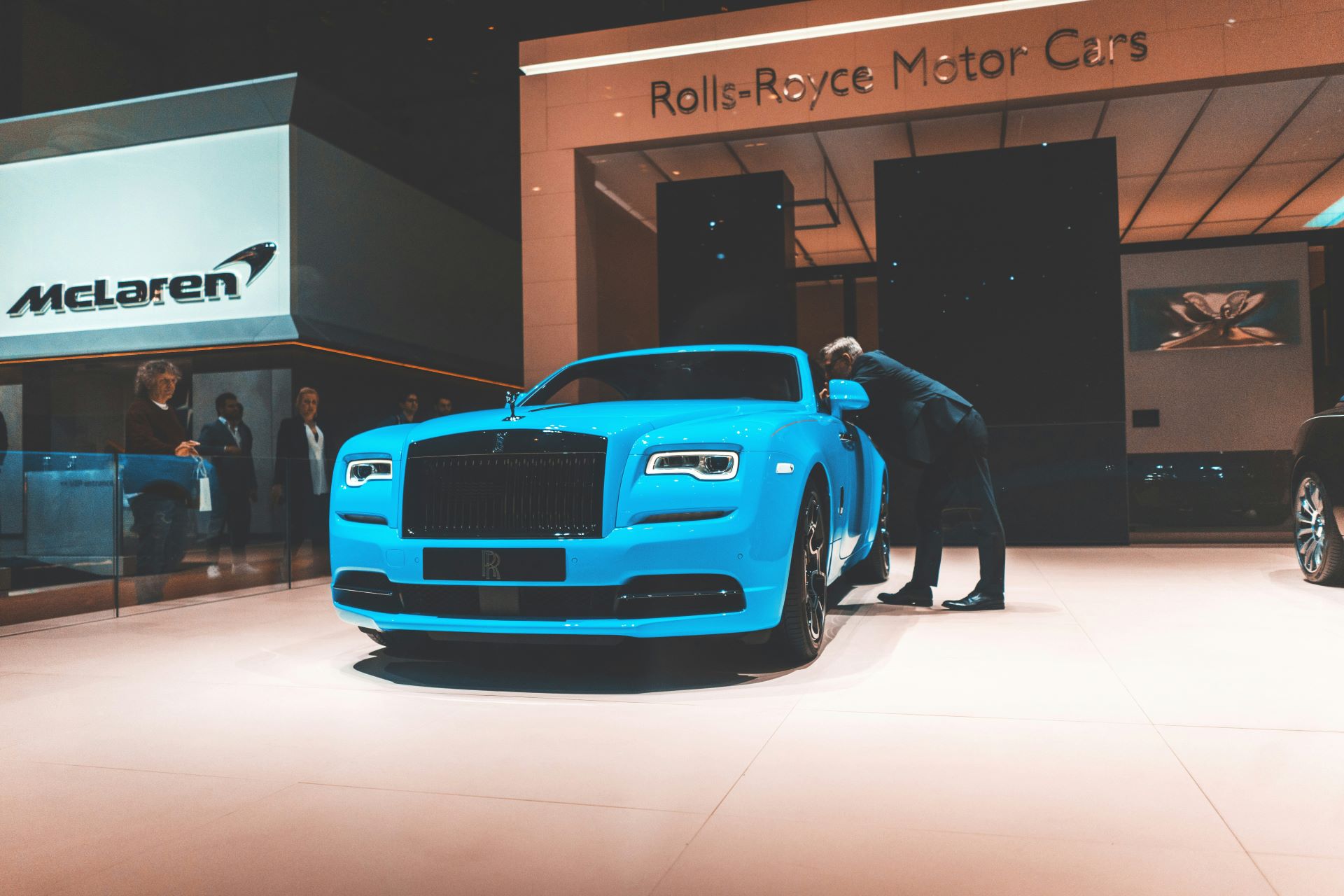
Unlike traditional websites with static images, virtual showrooms rely on high-definition rendering engines capable of replicating every contour, reflection, and shadow of a vehicle. Some platforms go further, replicating the ambience of flagship showrooms, complete with architectural flourishes and curated lighting. The environment becomes an extension of the brand, evoking the same aura of exclusivity one would expect from walking into a luxury dealership.
The result is not a replacement for physical showrooms, but a powerful complement. Dealerships increasingly act as experience centres, while the virtual counterpart broadens accessibility, ensuring that customers can engage with the brand 24/7. This synergy is particularly potent in a world where consumers demand immediacy and autonomy in their decision-making processes.
AI-Driven Configurators: Personalisation at Scale
If virtual showrooms provide the stage, AI-driven configurators offer the starring performance. Configurators have existed for years, but their new AI-enhanced counterparts take personalisation to an entirely new level. These platforms adapt in real-time, analysing consumer preferences and suggesting tailored options based on budget, lifestyle, and aesthetic sensibilities.
Imagine a customer who begins by selecting a specific trim level. The configurator, powered by machine learning, might then recommend a colour palette that complements the buyerÔÇÖs previously expressed preferences or even highlight safety features aligned with their past purchase history. This transforms the process from a static menu of options into an intuitive conversation between brand and consumer.
The real breakthrough lies in predictive capability. AI configurators can anticipate what buyers are likely to value most, offering subtle nudges that increase satisfaction while driving upsell opportunities. Instead of overwhelming buyers with every conceivable feature, the system prioritises relevance, narrowing choices in a way that feels curated rather than restrictive.
For manufacturers, this level of insight provides invaluable feedback loops. Every interaction generates data on consumer desires, allowing brands to adjust product strategies, optimise supply chains, and fine-tune marketing campaigns. For customers, the result is an experience that feels deeply personal and effortlessly aligned with their needs.
VR Test Drives: Reimagining the Road Ahead
Perhaps the most compelling element of this technological triad is the VR test drive. Traditionally, the test drive has been the decisive moment in the purchasing journey. Yet practical limitationsÔÇöavailability of vehicles, geographical distance, and time constraintsÔÇöhave often hindered this step. VR overcomes these barriers, allowing customers to slip on a headset and virtually take the wheel.
What makes VR test drives so impactful is their ability to replicate not only visuals, but sensations. Advanced haptic feedback and motion simulation can recreate the feel of acceleration, steering resistance, and even the subtle vibrations of road surfaces. Some platforms are experimenting with environmental simulations, enabling buyers to experience how a vehicle performs on a winding coastal road, a congested city centre, or a snowy mountain passÔÇöall without leaving the showroom floor.
While these experiences may not fully replace the thrill of driving a car in real life, they dramatically enhance the pre-purchase stage. They help customers shortlist models, refine their expectations, and approach physical test drives with a clearer sense of preference. Moreover, for brands, VR test drives provide a scalable way to showcase vehicles without maintaining large fleets at every dealership.
In an era where sustainability matters, reducing the need for multiple test vehicles or transport logistics also aligns with broader environmental goals. The VR test drive is thus both a practical solution and a symbolic expression of automotive innovation.

The Psychology of Immersion: Why These Tools Work
The success of virtual showrooms, AI configurators, and VR test drives hinges on more than technological novelty. At their core, these experiences tap into fundamental psychological principles that shape consumer behaviour. Immersion, personalisation, and agency are central to modern brand engagement.
Immersion allows customers to suspend disbelief, feeling as though they are genuinely interacting with the product. This emotional connection is far more powerful than passive observation. Personalisation, driven by AI, makes buyers feel understood and valued, enhancing loyalty and reducing decision fatigue. Finally, agency empowers consumers to explore at their own pace, making the process feel less transactional and more experiential.
These principles align with the expectations of a generation raised in the era of video games, streaming platforms, and e-commerce personalisation engines. For them, the idea of a static showroom brochure feels increasingly antiquated. By meeting customers where they areÔÇödigitallyÔÇöautomotive brands not only remain relevant, they redefine themselves as forward-looking innovators.
Challenges and Considerations
Of course, the integration of such technologies is not without its challenges. Virtual platforms demand significant investment in software development, infrastructure, and maintenance. Ensuring seamless rendering across devicesÔÇöfrom high-end headsets to mobile phonesÔÇörequires careful optimisation. There is also the risk of alienating less digitally inclined consumers, particularly in markets where broadband connectivity is limited.
Data privacy presents another layer of complexity. AI-driven configurators rely on collecting and analysing personal information to generate tailored recommendations. Brands must strike a careful balance between offering convenience and respecting consumer boundaries. Transparency and trust will be critical in ensuring adoption.
Finally, there is the question of authenticity. While VR test drives offer immersion, they cannot replicate the visceral thrill of a roaring engine, the tactile feel of leather, or the subtle scent of a new car interior. Brands must therefore position these tools as enhancements rather than replacements, ensuring customers still see value in physical experiences.
The Road Ahead: Towards Phygital Retail
Looking forward, the most exciting prospect lies in the fusion of digital and physical channels into what many call ÔÇ£phygital retail.ÔÇØ In this hybrid model, consumers move fluidly between online and offline environments. They may begin by exploring models in a virtual showroom, use an AI configurator to finalise options, and then complete the journey with a VR test drive before stepping into a dealership for the final seal of authenticity.
This seamless interplay creates a customer journey that is not linear, but circularÔÇöconstantly looping between touchpoints in ways that feel intuitive and convenient. For carmakers, the ability to integrate these stages provides a competitive advantage, particularly as younger, tech-savvy buyers enter the market.
Already, premium brands are experimenting with digital twins of their physical showrooms, ensuring that every featureÔÇöfrom lighting to furnitureÔÇöis mirrored online. Others are exploring augmented reality (AR) overlays, allowing customers to project life-size vehicles into their driveways using only a smartphone. Together, these innovations point towards a future where the boundaries between digital imagination and physical reality blur almost entirely.
Driving the Future of Experience
Virtual showrooms, AI-driven configurators, and VR test drives are not mere novelties. They are strategic instruments that reshape how consumers engage with cars, how brands define their identities, and how the industry moves towards greater efficiency, sustainability, and inclusivity.
As the automotive sector faces unprecedented disruptionÔÇöfrom electrification to autonomous drivingÔÇöthe ability to deliver compelling, technologically enriched experiences will determine which brands thrive. Those that embrace immersion, personalisation, and agency will not only capture attention but also forge deeper emotional connections with consumers.
In the end, buying a car has always been about more than specifications. It is about aspiration, identity, and the thrill of possibility. By merging the digital and the physical, the automotive industry is ensuring that this thrill enduresÔÇöreshaped for a generation that expects nothing less than extraordinary.
Breyten Odendaal
Specializing in high-performance automotive advertising and digital marketing solutions, delivering cutting-edge insights and the latest news shaping the automotive industry in South Africa.
More From Advertising
Automotive Advertising in 2026: Selling Confidence in a More Competitive Market
As South Africa’s vehicle market becomes more competitive, automotive advertising needs to do more than announce a price or specification. It needs to help buyers understand value, ownership costs and why a vehicle suits their lives.

Automotive Digital Ads in South Africa: A Shift
Exploring how South Africa’s automotive advertising evolved from print and broadcast to data-driven, programmatic digital ecosystems.

The Video Shift in Car Buying Decisions in SA
Explore how video content shapes car purchase decisions in South Africa, comparing short-form and long-form strategies for automotive marketers.