
The Shift from Physical to Virtual
The traditional auto show, with its polished floors, velvet ropes, and bustling crowds, has long been a cornerstone of automotive marketing. Car manufacturers poured millions into creating immersive environments where visitors could touch, feel, and sit in vehicles. Yet the rising costs of physical shows, combined with global disruptions like pandemics and shifting consumer behavior, have accelerated a pivot toward virtual experiences. Virtual Reality (VR) is no longer a novelty; it is becoming a central pillar in how automakers present and sell vehicles.
Automotive brands now have the opportunity to transcend geographical limitations, offering audiences across the globe access to launches, demos, and tours that once required physical presence. VR enables a level of control, interactivity, and personalization that traditional auto shows can rarely achieve.
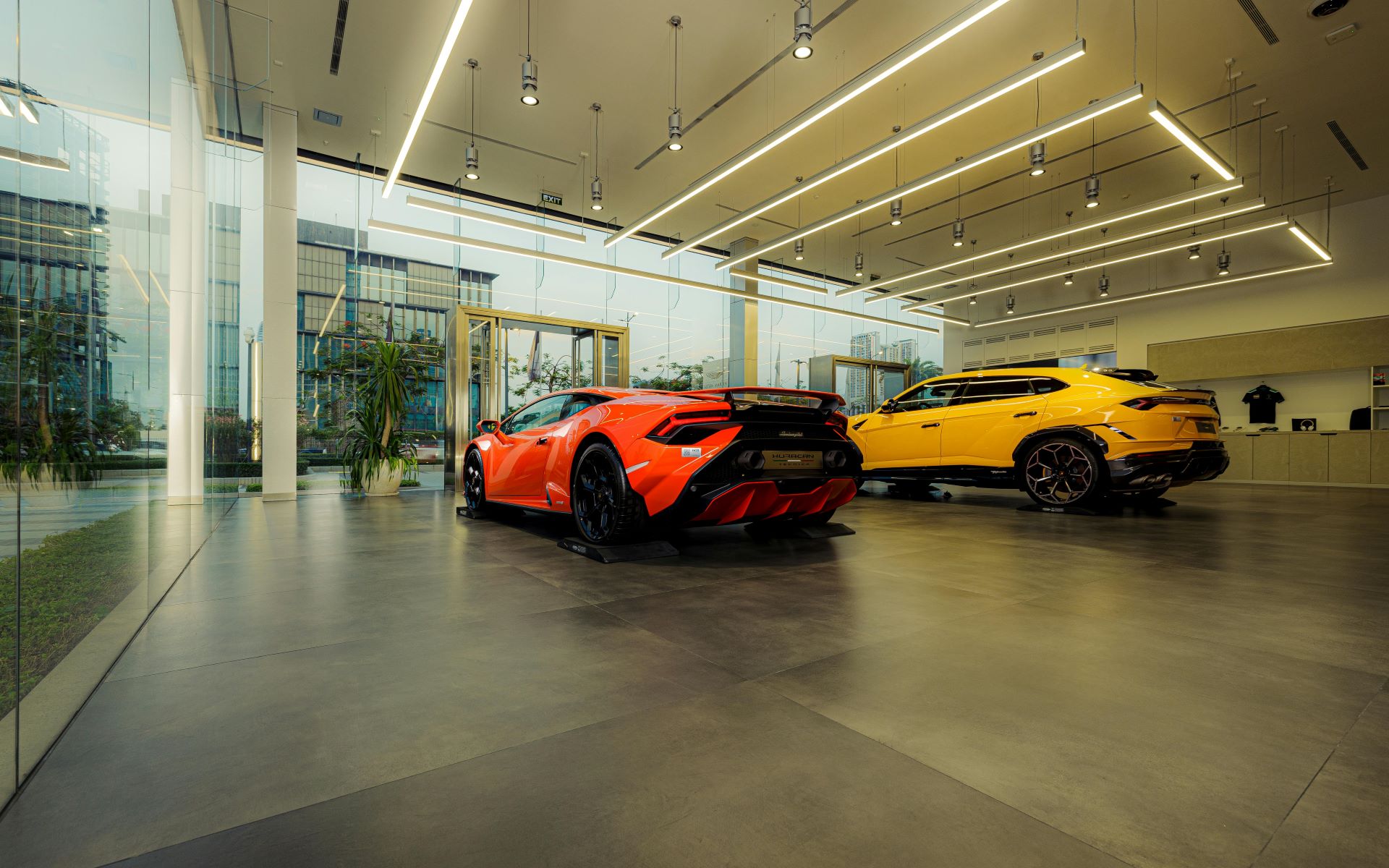
Immersive Vehicle Launches
One of the most compelling applications of VR in automotive marketing is vehicle launches. Rather than staging a physical event in a single city, manufacturers can create a fully immersive VR environment accessible to thousands simultaneously. Attendees can explore a carÔÇÖs exterior, peek under the hood, or sit in the driverÔÇÖs seatÔÇöall from their own home.
These VR launches often include cinematic sequences, animated walkthroughs of features, and interactive hotspots that explain innovations in real-time. By integrating augmented storytelling, brands can highlight performance specs, safety technology, and design details in ways that a conventional press release or showroom display cannot.
Moreover, the analytics behind VR platforms allow brands to track exactly which features users explore, providing unparalleled insight into consumer interests. This data can inform follow-up marketing campaigns, tailored offers, and even future vehicle design decisions.
Live-Streamed Demonstrations
Beyond static exploration, VR enables dynamic, live-streamed demonstrations. A consumer can virtually test drive a car on a simulated course, guided by a professional presenter who explains every aspect of the experience. Unlike traditional test drives limited by dealership availability, VR allows multiple users to experience the same vehicle simultaneously, in diverse terrains and conditions.
Manufacturers can also host Q&A sessions during these demos, where attendees interact with product experts and engineers in real time. This creates a sense of presence and immediacy, building trust and excitement without the logistical challenges of coordinating physical events.
Live VR events are also scalable and repeatable. Once a virtual track or showroom is created, it can host future launches, seasonal promotions, or regional variations of a model without incurring the cost of a new physical setup each time.

Interactive Virtual Tours
Virtual Reality transforms not just the way a vehicle is sold, but the way a brand is experienced. Interactive tours allow consumers to explore every angle of a car, including engine bays, infotainment systems, and safety features. Users can customize color options, switch between trim levels, and even simulate real-world scenarios like night driving or off-road conditions.
For luxury and performance vehicles, VR tours offer unparalleled opportunities to showcase craftsmanship. Every stitch, wheel design, and interior material can be examined in high definition. For EVs, virtual simulations can demonstrate battery life, charging times, and regenerative braking in ways that are both engaging and educational.
This interactive layer deepens emotional connection. Prospective buyers are no longer passive observers; they become participants, exploring features and scenarios that matter most to them. This engagement increases conversion rates and reduces hesitation, bridging the gap between curiosity and purchase.
Cost Efficiency and Global Reach
Physical auto shows demand extensive logistics: venue rentals, transportation, accommodation, and staffing. VR drastically reduces these costs, making it accessible even to smaller brands or niche segments. A single virtual launch can reach audiences worldwide, without the carbon footprint of moving thousands of vehicles and personnel across continents.
The digital nature of VR also ensures that content is evergreen. Visitors can access the event days, weeks, or months later, while marketers can update virtual environments to reflect new models, offers, or design changes. The result is a marketing tool that is not only immersive but also adaptable, measurable, and sustainable.
Overcoming Challenges
Adoption is not without hurdles. High-quality VR experiences require investment in technology and expertise. Ensuring smooth performance across a range of devicesÔÇöfrom dedicated headsets to smartphonesÔÇöis critical to avoid frustrating potential customers. Brands must also rethink content strategy; VR demands narratives that are interactive, visual, and engaging rather than text-heavy or linear.
Yet the payoff is substantial. Early adopters in the automotive sector report higher engagement, longer dwell times on virtual platforms, and increased social media buzz. By merging experiential marketing with advanced analytics, VR auto shows offer a sophisticated, data-driven alternative to traditional events.
The Road Ahead
The automotive industry is entering an era where physical limitations no longer define consumer experiences. Virtual Reality enables brands to showcase vehicles in ways that are dynamic, interactive, and globally accessible. Immersive launches, live-streamed demos, and interactive tours are not just noveltiesÔÇöthey are rapidly becoming essential tools for driving sales, engaging audiences, and shaping brand perception.
As VR technology continues to evolve, future auto shows may blend augmented reality, AI-guided tours, and even haptic feedback to create fully multisensory experiences. For brands willing to embrace this shift, the payoff is a showroom without walls, a global audience at their fingertips, and a marketing strategy that truly embodies innovation.
Breyten Odendaal
Specializing in high-performance automotive advertising and digital marketing solutions, delivering cutting-edge insights and the latest news shaping the automotive industry in South Africa.
More From Advertising

Automotive Advertising in 2026: Selling Confidence in a More Competitive Market
As South Africa’s vehicle market becomes more competitive, automotive advertising needs to do more than announce a price or specification. It needs to help buyers understand value, ownership costs and why a vehicle suits their lives.

Automotive Digital Ads in South Africa: A Shift
Exploring how South Africa’s automotive advertising evolved from print and broadcast to data-driven, programmatic digital ecosystems.

The Video Shift in Car Buying Decisions in SA
Explore how video content shapes car purchase decisions in South Africa, comparing short-form and long-form strategies for automotive marketers.