
The New Visual Language of Car Buying
Automotive marketing has always been shaped by how people experience vehicles before they buy them. In the early days, printed brochures carried the emotional weight of a brand. Later came television commercials, then websites filled with high-resolution imagery.
Today, marketing is entering a more immersive chapter.
Augmented reality (AR) allows potential customers to see vehicles as if they were physically present in front of them. Instead of imagining a car from static photos, buyers can project it onto their driveway, rotate it in space, and inspect interior features with their own movements.
This technology is especially valuable for automotive brands because car purchases are high-involvement decisions. People rarely buy vehicles impulsively. They research, compare, visualise, and emotionally connect long before visiting a dealership.
The modern customer journey is therefore becoming hybrid. Physical showrooms are no longer the only destination. Digital experiences are starting to behave like showrooms themselves.
Leading technology ecosystems from Apple Inc. and Google LLC have helped accelerate AR adoption by embedding development frameworks directly into consumer devices. This means automotive brands do not need specialised hardware to deliver immersive experiences.
The result is marketing that lives somewhere between the physical world and imagination.
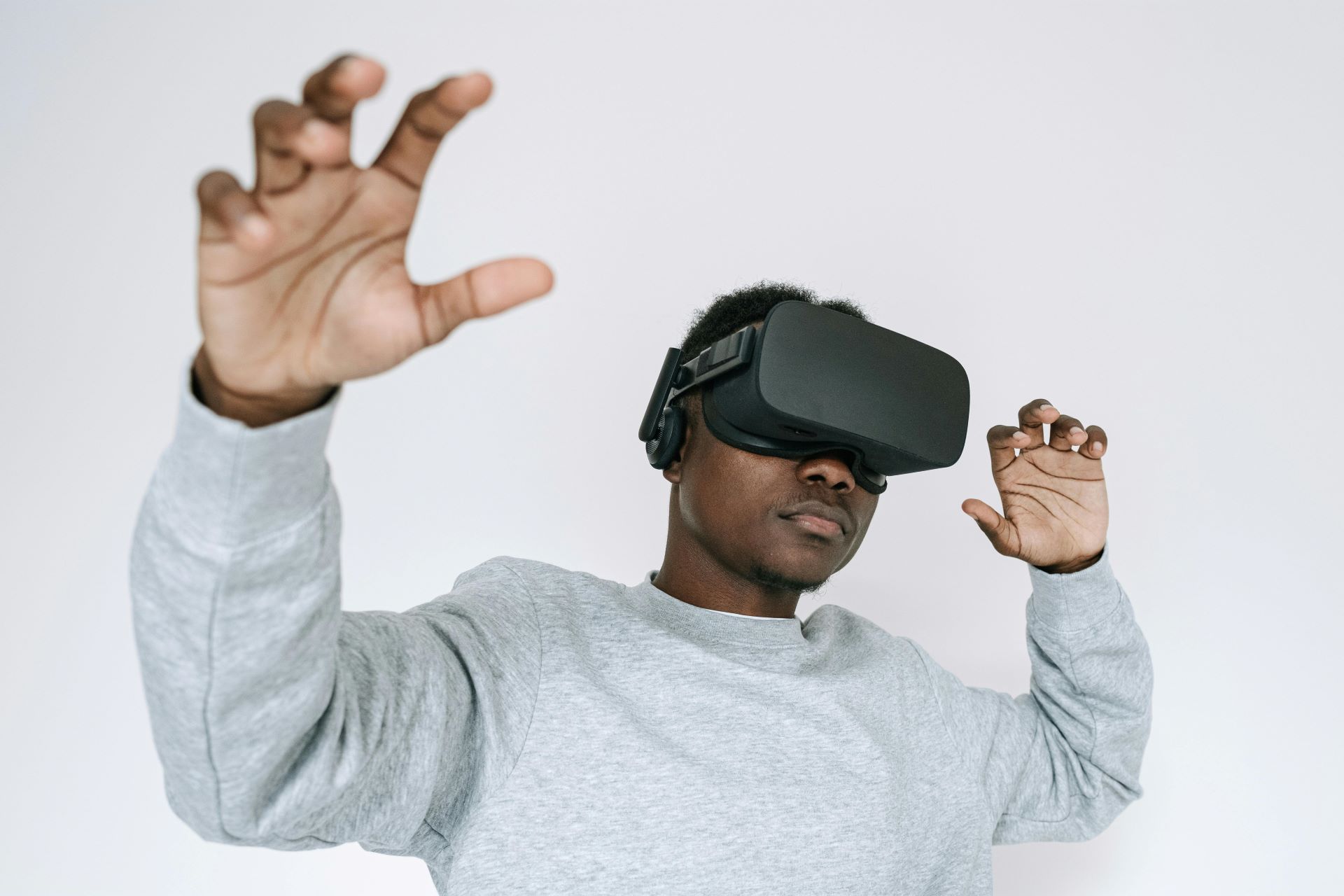
How Augmented Reality Changes Vehicle Discovery
Traditional automotive marketing relies heavily on controlled presentation.
Manufacturers select angles, lighting conditions, and staged environments to make vehicles appear attractive. While this approach is visually effective, it does not fully answer the customerÔÇÖs subconscious question: how would this car actually look in my life?
Augmented reality solves this uncertainty by relocating the vehicle into the customerÔÇÖs personal environment.
Imagine a shopper standing in their driveway, using a smartphone to project a car model beside the garage wall. They can walk around the digital vehicle, tilt their phone to inspect reflections, and compare size proportions against real objects.
This interaction shifts marketing from passive viewing to active exploration.
Brands benefit because engagement duration increases significantly. When users spend more time interacting with a product, emotional familiarity deepens. In automotive purchasing psychology, familiarity often precedes trust.
The technology is particularly relevant in markets where showroom access may be geographically limited. Customers living far from urban dealership clusters can still experience product immersion without travelling long distances.
This approach is gaining traction among global manufacturers, including companies such as Volkswagen AG, which have experimented with digital vehicle presentation tools as part of their customer experience strategy.
Apps That Project Cars into Real Environments
The most visible application of AR in automotive marketing is the mobile app.
Modern AR car apps allow users to place virtual vehicles in real spaces using their smartphone cameras. The software detects surfaces, measures spatial geometry, and anchors the car model into the scene.
Once placed, the vehicle behaves like a physical object inside the camera view.
Users can walk closer to inspect details or step back to observe overall proportions. Some apps also allow colour switching, wheel design selection, and interior previewing.
The technical magic happens through simultaneous localisation and mapping algorithms that continuously track environment features.
For marketing teams, the advantage is measurable engagement.
Instead of browsing a catalogue page for thirty seconds, a potential buyer might interact with a vehicle model for several minutes.
The psychological effect is similar to test driving, except the experience is visually simulated rather than physically executed.
Many automotive brands now integrate AR modules directly into their marketing websites rather than relying on standalone applications. This reduces friction because users do not need to download separate software.
Interior Exploration and Emotional Connection
Exterior visualisation is only the beginning.
One of the most powerful uses of AR in automotive marketing is virtual interior exploration. Customers can open digital doors, examine dashboard interfaces, and evaluate cabin ergonomics.
Interior perception plays a surprisingly large role in purchase decisions. Drivers spend more time inside vehicles than outside them, so comfort signals matter deeply.
Interactive AR interiors allow brands to highlight:
Infotainment system layouts
Seating material textures
Space efficiency for passengers
Lighting ambience
Control panel accessibility
This is especially valuable for premium segments where craftsmanship and comfort are key differentiators.
When customers virtually sit inside a car, they begin forming emotional ownership before financial commitment.
The experience is not purely informational. It is almost theatrical, like stepping onto a stage where the vehicle is the main performer.
Reducing Purchase Anxiety Through Visualization
High-value purchases often generate cognitive uncertainty.
Consumers worry about whether a vehicle will match their lifestyle, parking environment, or aesthetic preferences.
AR marketing reduces this anxiety by answering practical questions visually.
For example, a customer can test whether a vehicle fits inside a narrow garage entrance or how a specific colour looks under South African sunlight.
In regions with diverse urban and suburban architecture, this functionality is especially relevant.
When buyers feel confident about spatial compatibility, conversion probability improves.
Automotive brands are therefore not simply selling cars. They are selling certainty packaged inside an interactive story.
Dealership Transformation and Hybrid Retail
Augmented reality is reshaping dealership strategy rather than replacing physical dealerships.
Modern retail concepts are moving toward hybrid models where digital and physical experiences support each other.
Dealerships can use AR kiosks that allow visitors to customise vehicles that may not be physically available on the showroom floor.
For example, if a customer wants a rare colour variant or a special interior package, the salesperson can generate a visual preview instantly.
This is particularly useful for managing inventory complexity.
Some dealerships are experimenting with virtual configuration walls where customers design their ideal car and then send the specification directly to sales consultants.
The experience feels similar to painting with light. Customers sketch their desires, and the brand materialises them into structured options.
AR Marketing and Social Media Integration
Social platforms have become major distribution channels for automotive AR experiences.
Many brands now allow users to project vehicles directly through social camera filters.
When users share photos of virtual cars in their environment, they inadvertently participate in organic marketing.
This creates a network effect where advertising becomes user-generated storytelling.
In automotive branding, this is particularly valuable because car ownership is often associated with identity expression.
People do not only buy vehicles for transportation. They buy them as social statements.
AR filters allow users to experiment with that identity expression before purchase.
The technology ecosystem provided by platforms from Apple Inc. and Google LLC continues to push AR capabilities into mainstream social apps, making such campaigns easier to deploy.
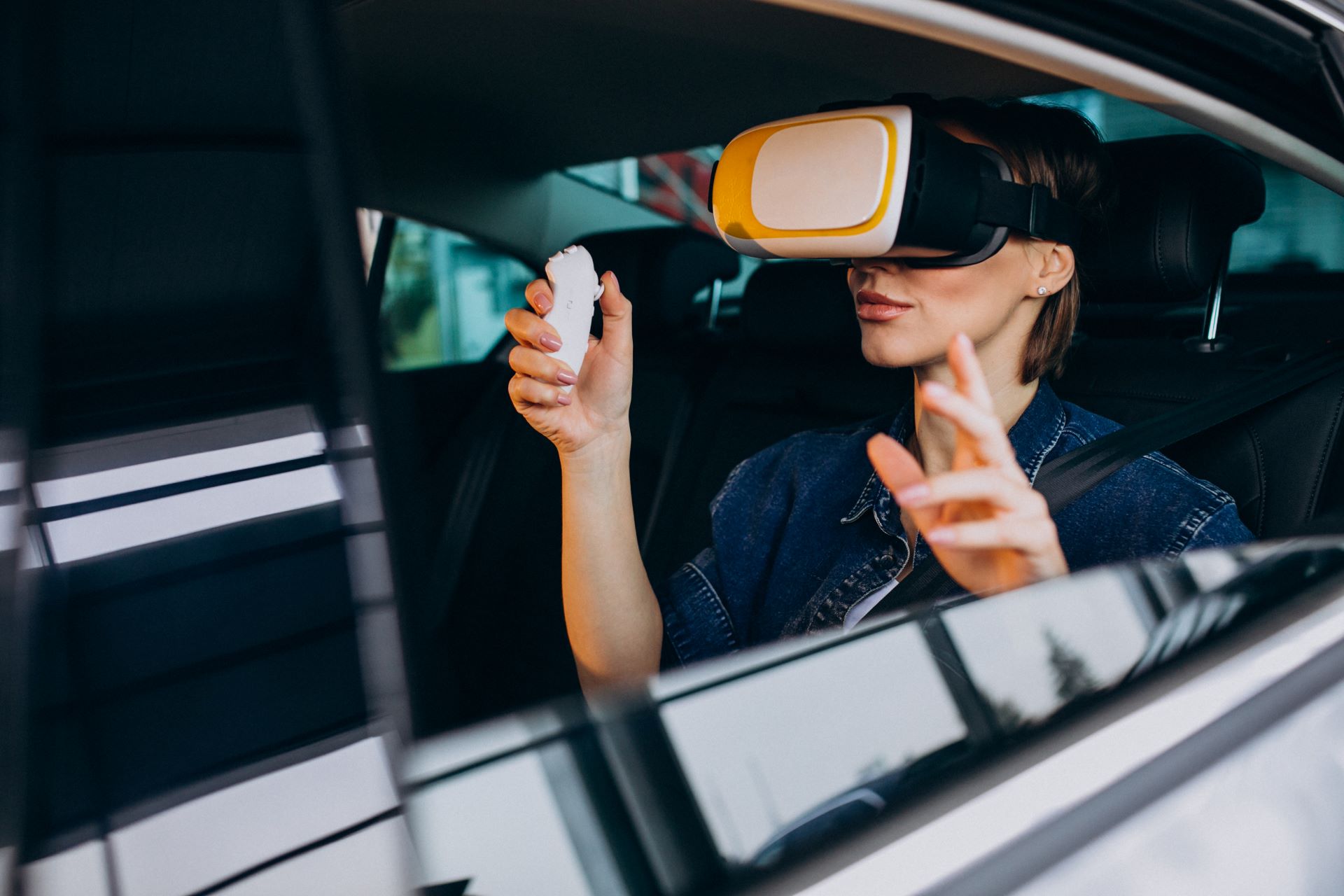
Supporting Electric and Future Mobility Marketing
The rise of electric mobility introduces new communication challenges.
New energy vehicles require customer education about charging, battery management, and range performance.
Augmented reality can visualise these abstract concepts.
Instead of explaining charging infrastructure through text, marketers can show virtual charging scenarios.
Customers can point their phones at a home wall outlet and see how a charger installation might appear. They can also simulate charging cycles and range recovery visualisations.
This makes technology adoption feel less intimidating.
For emerging markets, including parts of the African automotive landscape, this educational function is critical because consumers may have limited exposure to electric vehicle ecosystems.
Personalisation as the Heart of AR Marketing
The real strength of augmented reality is personalisation.
Traditional advertising broadcasts one message to many people. AR marketing allows the customer to co-create the advertisement.
Users can experiment with:
Paint finishes
Interior trims
Wheel designs
Lighting packages
Exterior accessories
This transforms marketing from persuasion into guided discovery.
In many ways, AR marketing resembles digital tailoring. The customer stands metaphorically inside a virtual design studio, adjusting fabric and colour until the product reflects personal taste.
For automotive brands, this level of engagement is rare and valuable.
Performance Metrics for AR Campaigns
Marketing teams need measurable outcomes.
Key performance indicators for AR automotive campaigns include:
User interaction duration is one of the strongest engagement indicators. If customers spend several minutes exploring a vehicle model, brand familiarity increases.
Conversion rate tracking is also essential. Some platforms allow users to request dealership contact information directly from AR interfaces.
Social sharing frequency helps evaluate viral reach.
Customer feedback sentiment gathered after AR interaction provides qualitative insight into design acceptance.
Return on marketing investment should consider not only immediate sales but also long-term brand perception improvements.
Technical Requirements for Automotive AR Deployment
Successful AR marketing requires strong backend and content engineering.
High-quality 3D vehicle models are essential. Poorly optimised geometry can result in visual artefacts that damage brand credibility.
Lighting simulation must approximate real-world physics.
Texture resolution must be high enough to support close inspection without pixelation.
Mobile device compatibility is equally important because most customers will access AR experiences through smartphones rather than specialised hardware.
Testing across operating systems is necessary since hardware performance varies widely.
Brands that neglect optimisation risk creating experiences that feel sluggish or unfinished.
Challenges Facing AR Automotive Marketing
Despite its promise, AR marketing is not without obstacles.
Development costs can be significant, especially when creating detailed 3D assets for multiple vehicle variants.
User adoption also depends on awareness. Customers must know that AR features exist before they will use them.
Network connectivity remains a constraint in some regions where mobile data bandwidth is inconsistent.
Privacy concerns also arise when applications request camera access.
Clear communication about data usage is therefore essential for maintaining consumer trust.
The Future of Augmented Reality in Automotive Branding
The next stage of AR marketing may merge with wearable computing and advanced spatial interfaces.
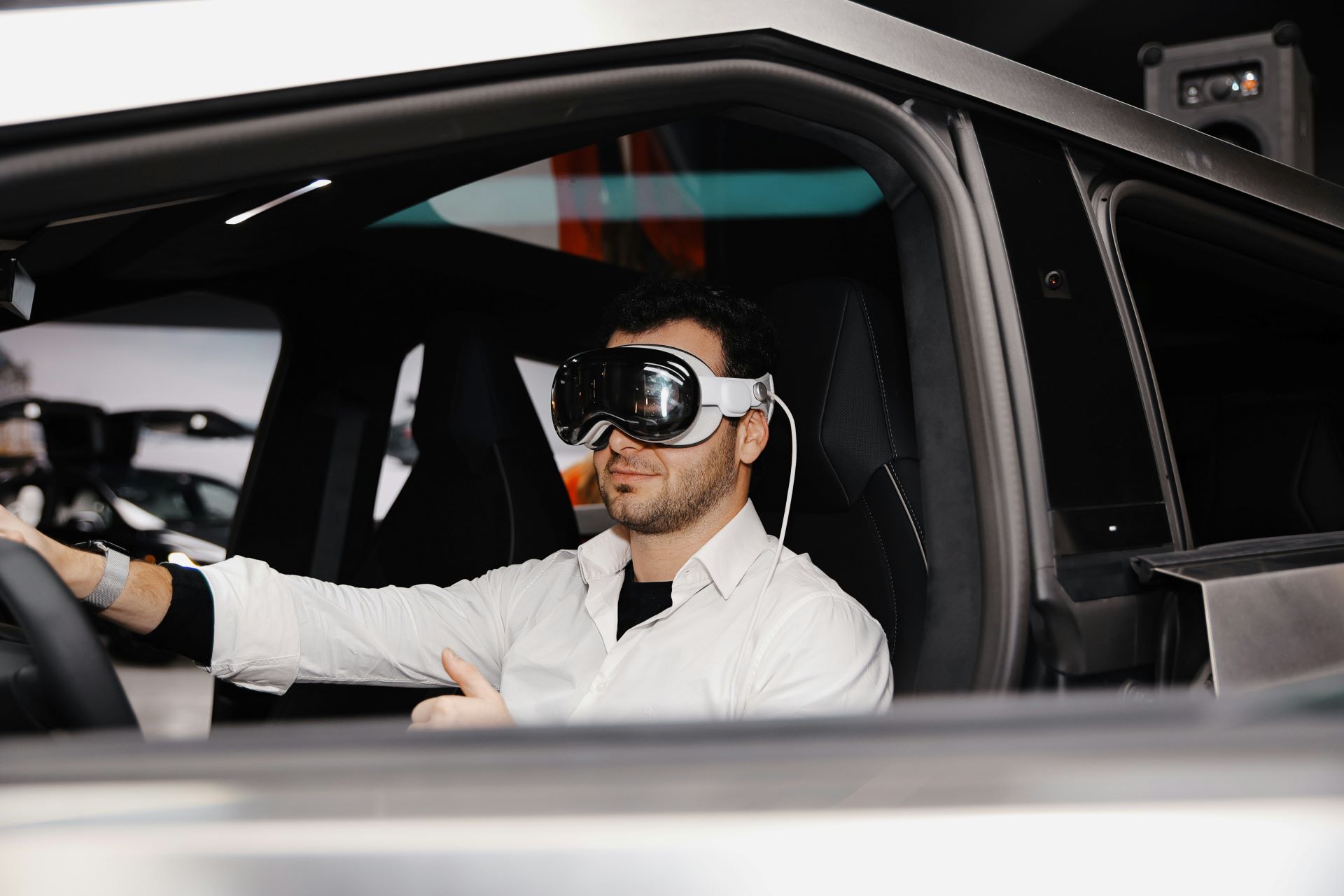
Future customers might explore vehicles using lightweight head-mounted displays rather than handheld devices.
Showrooms may transform into mixed-reality spaces where physical vehicles and digital enhancements coexist.
Artificial intelligence could personalise AR presentations by predicting customer preferences based on previous interactions.
Imagine an automotive marketing system that already knows whether a user prefers sporty aesthetics or minimalist interior designs, then automatically generates a tailored vehicle presentation.
This represents the convergence of marketing science, behavioural psychology, and immersive technology.
Why Automotive Brands Should Invest Now
Early adoption of augmented reality offers competitive advantage.
Brands that integrate immersive marketing experiences will appear more technologically progressive.
In a crowded marketplace, perception often drives initial consideration sets.
AR marketing is not merely a promotional tool. It is a customer relationship interface that continues throughout the purchase journey.
Forward-thinking manufacturers are beginning to treat AR experiences as extensions of their brand personality.
The automotive industry is moving toward storytelling ecosystems rather than isolated advertising campaigns.
Marketing That Lives Between Worlds
Augmented reality is quietly redefining how vehicles are sold.
It transforms automotive marketing from observation into participation. Customers are no longer passive viewers of polished machine dreams but explorers walking inside them with curiosity in their hands.
As AR technology matures, the boundary between showroom and street will blur. The car will no longer wait in a dealership window. It will appear wherever imagination points a camera.
For automotive marketers, the future is not about showing cars. It is about letting customers meet them.
And sometimes, the first handshake between human and machine will happen in a patch of virtual sunlight projected onto a living room floor.
Breyten Odendaal
Specializing in high-performance automotive advertising and digital marketing solutions, delivering cutting-edge insights and the latest news shaping the automotive industry in South Africa.
More From Advertising

Automotive Advertising in 2026: Selling Confidence in a More Competitive Market
As South Africa’s vehicle market becomes more competitive, automotive advertising needs to do more than announce a price or specification. It needs to help buyers understand value, ownership costs and why a vehicle suits their lives.

Automotive Digital Ads in South Africa: A Shift
Exploring how South Africa’s automotive advertising evolved from print and broadcast to data-driven, programmatic digital ecosystems.

The Video Shift in Car Buying Decisions in SA
Explore how video content shapes car purchase decisions in South Africa, comparing short-form and long-form strategies for automotive marketers.