
The landscape of automotive advertising has undergone a remarkable transformation over the decades, evolving from static print ads and basic television commercials to dynamic, immersive experiences that captivate and engage potential buyers. In this digital age, where consumers are bombarded with information from every direction, automotive brands are continuously seeking innovative ways to stand out. One such groundbreaking innovation is 360-degree video technologyÔÇöa game changer that is reshaping how vehicles are presented and experienced by consumers.
360-degree video technology enables viewers to interactively explore their surroundings through a seamless, panoramic view. This technology is not just a fleeting trend; it's becoming increasingly relevant across various industries, especially in automotive marketing, where visualization is paramount. By utilizing 360-degree video, automotive advertisers can offer an unparalleled experience that allows potential buyers to examine vehicle features and aesthetics from every angle, fostering a deeper connection with the product. This article aims to illuminate the multifaceted benefits of 360-degree video in automotive advertising, emphasizing how it enhances visualization and enriches the overall promotional experience for automotive enthusiasts.
Understanding 360-Degree Video Technology
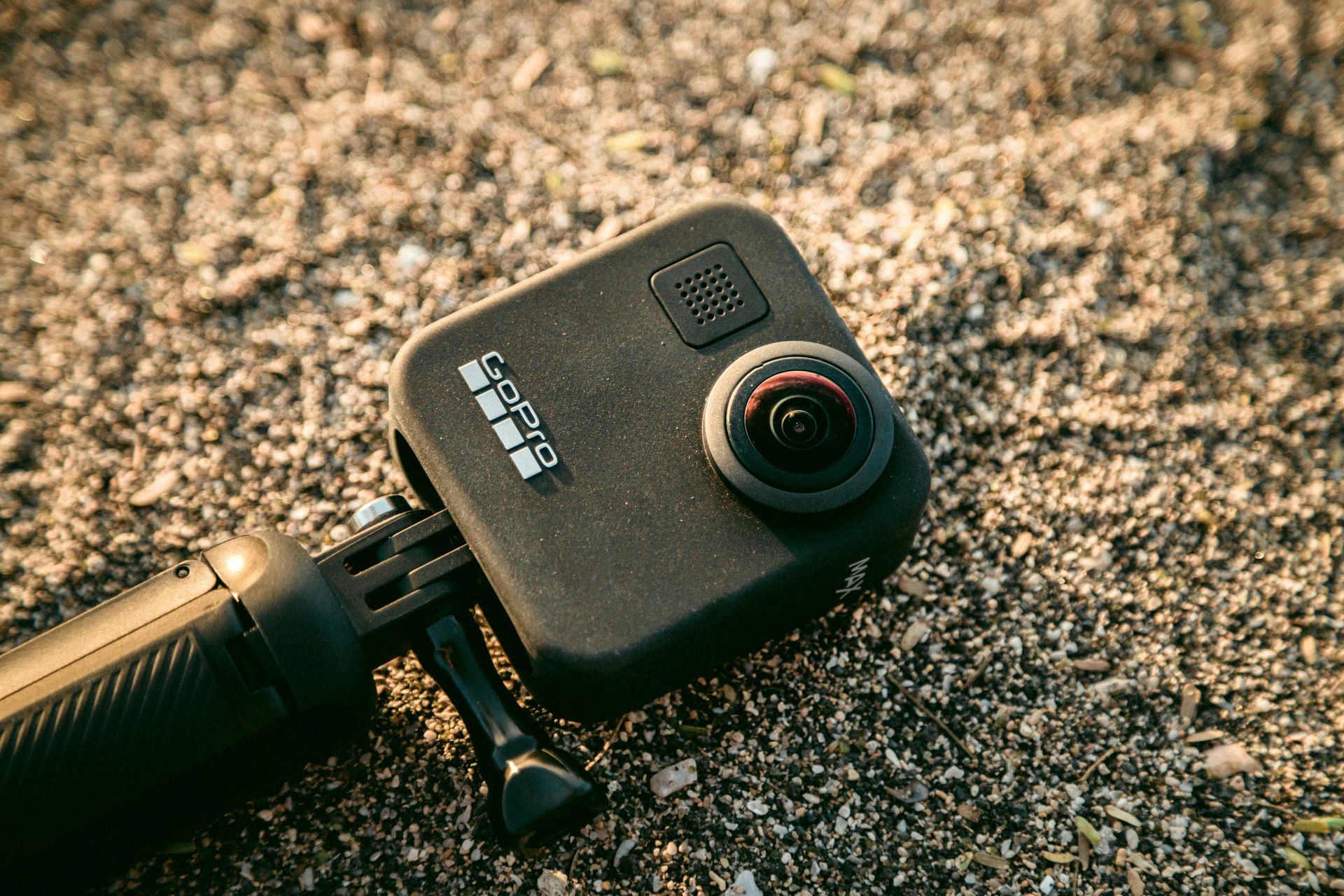
360-degree video technology captures a scene in all directions using special cameras equipped with multiple lenses. These videos create an immersive environment where viewers can pan around, zoom in, and explore different perspectives as if they were physically present. This innovation is rooted in the principle of creating an immersive experience that transcends traditional media formats.
In the automotive sector, the application of 360-degree video is particularly potent. By allowing potential customers to virtually step inside a vehicle, marketers can showcase intricate details, such as the craftsmanship of the interior, the layout of the dashboard, and the aesthetic appeal of the exteriorÔÇöall without the constraints of a physical showroom.
Key features of 360-degree video technology include:
Immersive Experience
Viewers can feel as though they are inside the vehicle, providing a sense of scale and dimension that static images cannot replicate. This sensation can lead to a stronger emotional connection to the vehicle.
Interactive Engagement
Potential buyers can actively engage with the content by choosing what to view and how to explore the car. This autonomy in experience enhances their involvement and investment in the product.
Real-World Visualization
360-degree videos can be coupled with augmented reality (AR) elements, allowing consumers to visualize how the vehicle fits into their lives or surroundings, whether on a driveway or a scenic road trip.
By leveraging these features, automotive brands can create compelling narratives that resonate with potential buyers, ultimately guiding them toward a purchase.
Benefits of Using 360-Degree Videos in Automotive Advertising
Enhanced Visualization
One of the most significant advantages of 360-degree video technology is its ability to enhance visualization. Traditional media, such as print ads or flat online banners, often fails to convey the true essence of a vehicle. In contrast, 360-degree videos allow consumers to experience the carÔÇÖs features as if they were physically present. They can inspect the intricate stitching of the leather seats, view the spaciousness of the rear cargo area, or explore the high-tech dashboard controlsÔÇöall from the comfort of their own home. This heightened sense of realism not only informs but also excites potential buyers, making them more likely to proceed to a test drive or purchase.
Increased Engagement
Engagement is crucial in todayÔÇÖs advertising landscape, where capturing consumer attention is more challenging than ever. 360-degree videos provide an interactive experience that draws viewers in, inviting them to explore every nook and cranny of a vehicle. This interactive nature fosters a deeper emotional connection between the consumer and the product, leading to higher retention rates.
Consider Ford, which utilized 360-degree video for the launch of its Ford Mustang. The campaign not only showcased the carÔÇÖs powerful design and performance features but also invited viewers to experience a thrilling ride through iconic American landscapes. Such innovative storytelling can significantly enhance brand loyalty and consumer enthusiasm.
Broaden Reach
Another critical benefit of 360-degree video technology is its potential to broaden reach. As consumers increasingly gravitate toward digital platforms, this technology appeals particularly to tech-savvy individuals and younger demographics. Brands that embrace 360-degree video can position themselves as forward-thinking, resonating with audiences who value modern, interactive experiences.
For example, Audi's use of 360-degree video during the launch of the Audi Q8 provided a captivating online experience that attracted younger buyers. The campaign's interactive nature led to significant social media engagement, amplifying Audi's reach beyond traditional advertising channels.
Comparing Traditional and 360-Degree Advertising
Traditional Automotive Advertising Methods
Traditional automotive advertising typically encompasses print ads, television commercials, and static online advertisements. While these methods have proven effective in the past, they often lack the interactive and immersive qualities that modern consumers desire.
Print ads may showcase glossy images of a car, but they canÔÇÖt provide the sensory experience of sitting behind the wheel or feeling the leather seats. Similarly, television commercials, while visually engaging, offer a fleeting glimpse of a vehicle that leaves little room for exploration or connection.
Limitations of Traditional Media
The limitations of traditional automotive advertising become glaringly apparent when compared to 360-degree video technology. Traditional ads often tell a one-dimensional story, focusing on a carÔÇÖs features without allowing consumers to experience them firsthand. This can lead to a disconnect between the consumer's expectations and the actual product, resulting in missed sales opportunities.
Advantages of 360-Degree Videos
In stark contrast, 360-degree videos offer a multi-dimensional experience that invites exploration. They allow consumers to engage with the vehicle and its environment, fostering a sense of presence that is impossible to achieve with traditional media.
Data from industry studies indicate that consumers who engage with 360-degree content are 10 times more likely to remember the advertisement than those exposed to traditional formats. This statistic underlines the profound impact that immersive experiences can have on consumer retention and brand recognition.

Technical Considerations and Challenges
Production Challenges
While the benefits of 360-degree video in automotive advertising are undeniable, there are challenges associated with producing high-quality content. Creating a captivating 360-degree video requires advanced equipment, including specialized cameras capable of capturing high-resolution images from multiple angles.
Additionally, the post-production process involves stitching the footage together seamlessly to ensure a smooth, immersive experience for viewers. This requires expertise in video editing and a keen eye for detail, as any discrepancies in the video can detract from the viewer's experience.
Necessary Equipment and Software
To create effective 360-degree videos, automotive marketers must invest in high-quality cameras, stabilizers, and editing software. Popular cameras used in the industry include the Insta360 One X2 and the Ricoh Theta Z1, both known for their superior image quality and ease of use. Editing software such as Adobe Premiere Pro and Final Cut Pro X offer powerful tools for stitching and editing 360-degree footage.
Potential Hurdles and Solutions
Automotive marketers may encounter hurdles such as budget constraints and the need for technical expertise. To mitigate these challenges, brands can collaborate with specialized production companies that have experience in creating 360-degree content. This collaboration can streamline the production process and ensure high-quality results without straining internal resources.
Furthermore, leveraging consumer-generated content can also be an effective strategy. By encouraging customers to share their own 360-degree experiences with their vehicles, brands can create authentic content while engaging their audience.

Future Trends and Innovations
Predicting Future Developments
The future of automotive advertising with 360-degree technology looks promising. As consumer expectations evolve, brands will need to adapt and innovate continually. One potential development is the integration of virtual reality (VR) technology, allowing customers to immerse themselves even further in the car-buying experience. Imagine stepping into a VR showroom where you can explore multiple vehicles, customize options, and take a virtual test driveÔÇöall from your living room.
Personalization of Content
Personalization will also play a significant role in the future of automotive advertising. Brands can use data analytics to tailor 360-degree video content to specific audiences, ensuring that each viewer receives a relevant and engaging experience. By analyzing consumer preferences and behaviors, marketers can craft targeted campaigns that resonate more profoundly with potential buyers.
Real-Time Customization
Another exciting trend is the potential for real-time customization within 360-degree videos. As technology advances, viewers may be able to adjust vehicle features, colors, and accessories during their virtual exploration, allowing them to visualize their ideal car in real time.
Optimistic Outlook for Technological Advancements
The automotive industry is poised for continued innovation as 360-degree technology evolves. Brands that embrace these advancements will not only enhance their marketing efforts but also improve the overall buying experience for consumers.
The integration of 360-degree video technology represents a significant step toward creating a more immersive, engaging, and personalized automotive advertising landscape. As brands push the boundaries of creativity and technology, automotive enthusiasts can look forward to an exciting future filled with endless possibilities.

The incorporation of 360-degree video technology in automotive advertising marks a significant leap forward in how vehicles are visualized and marketed. By enhancing visualization, increasing engagement, and broadening reach, this innovative approach provides automotive enthusiasts with an unparalleled experience that traditional advertising methods simply cannot match.
As the industry continues to embrace this technology, we can anticipate exciting developments and innovations that will reshape the automotive buying experience. Imagine a future where every car is just a click away, allowing potential buyers to explore, interact, and connect with their dream vehicles like never before.
The journey has just begun, and the possibilities are endless. Automotive enthusiasts are encouraged to embrace this technological revolution and imagine the thrilling adventures that lie ahead in the world of 360-degree video and automotive advertising.
Breyten Odendaal
Specializing in high-performance automotive advertising and digital marketing solutions, delivering cutting-edge insights and the latest news shaping the automotive industry in South Africa.
More From Advertising

Automotive Advertising in 2026: Selling Confidence in a More Competitive Market
As South Africa’s vehicle market becomes more competitive, automotive advertising needs to do more than announce a price or specification. It needs to help buyers understand value, ownership costs and why a vehicle suits their lives.

Automotive Digital Ads in South Africa: A Shift
Exploring how South Africa’s automotive advertising evolved from print and broadcast to data-driven, programmatic digital ecosystems.

The Video Shift in Car Buying Decisions in SA
Explore how video content shapes car purchase decisions in South Africa, comparing short-form and long-form strategies for automotive marketers.