
A Market in Flux
The South African automotive landscape in 2025 is a complex and shifting terrain. Caught between rising inflation, fluctuating interest rates, energy insecurity, and global technological shifts, local car buyers are increasingly forced to evaluate their mobility choices not only based on price or preference, but on long-term sustainability and future-proofing.
As the nation emerges from pandemic-era hangovers and confronts rising fuel costs, increased load shedding, and tightening credit availability, the age-old questionÔÇöÔÇ£Should I buy new or used?ÔÇØÔÇöhas evolved into a more nuanced dilemma: ÔÇ£Should I go electric?ÔÇØ
This article explores how South African consumers are making purchasing decisions in 2025. From budget-conscious urban drivers to lifestyle-seeking professionals and early adopters of EVs, their choices are being shaped by a complex web of economic, environmental, and technological factors.
Economic Realities and Consumer Psychology
A Shrinking Middle Class and Rising Costs
The macroeconomic context cannot be ignored. In 2025, vehicle affordability is under intense pressure. South AfricaÔÇÖs middle class has been steadily shrinking, burdened by inflationary pressures, a weakening rand, and a high unemployment rate.
Vehicle ownershipÔÇöonce considered a rite of passageÔÇöis now a considered luxury for many. According to data from TransUnion and Lightstone Auto, the average price of a new car has increased by 13% year-on-year, while interest rates on car loans remain above 11%.
This has shifted attention dramatically towards used cars. In Q2 2025, two-thirds of financed vehicle purchases in South Africa were for used vehicles, a trend consistent with findings from WesBank and the National Association of Automobile Manufacturers of South Africa (NAAMSA).
Consumer Sentiment: Playing It Safe
Buyers are also more conservative in their decision-making. With economic uncertainty as a backdrop, vehicle buyers are taking longer to research, consult, and compare before committing.
The Used Car Boom
A Matured Pre-Owned Market
Used vehicles remain the dominant volume driver in the marketÔÇöand the pre-owned ecosystem has never been more sophisticated. Traditional stigmas surrounding used cars have eroded thanks to advancements in vehicle history transparency, certified pre-owned (CPO) programmes, and the rise of digital platforms like WeBuyCars, AutoTrader, and Motus Select.
Sweet Spot Segments
The sweet spot? Light commercial vehicles and compact crossovers. Models like the Toyota Fortuner, Ford Ranger, VW Polo Vivo, and Suzuki Swift dominate resale lists thanks to reliability and strong brand equity.
Electric vehiclesÔÇöwhile still novelÔÇöare also beginning to appear on used car platforms, with first-generation Nissan Leafs and BMW i3s surfacing for under R300,000, introducing lower-risk entry points into EV ownership.
The New Car Landscape ÔÇô Downsizing and Re-Prioritising
Buyers Trading Down, Not Out
In 2025, the "aspirational sedan" has all but disappeared from middle-income wishlists. Instead, many buyers are opting for entry-level hatchbacks or compact SUVs that combine affordability with versatility. Models such as the Renault Kwid, Kia Sonet, and Suzuki Fronx are performing well.
Leaner, Meaner Line-Ups
Automakers are responding with leaner model ranges focused on high-demand segments. New releases in 2025 prioritise practicality and value, often bundled with extended service plans and warranties to sweeten the proposition.
Brands like Chery, Haval, and Mahindra have also seized this opportunity, flooding the market with feature-rich offerings at competitive price pointsÔÇöoften undercutting legacy brands and reshaping loyalty patterns.
EVs ÔÇô From Curiosity to Consideration
EV Adoption Still Slow but Growing
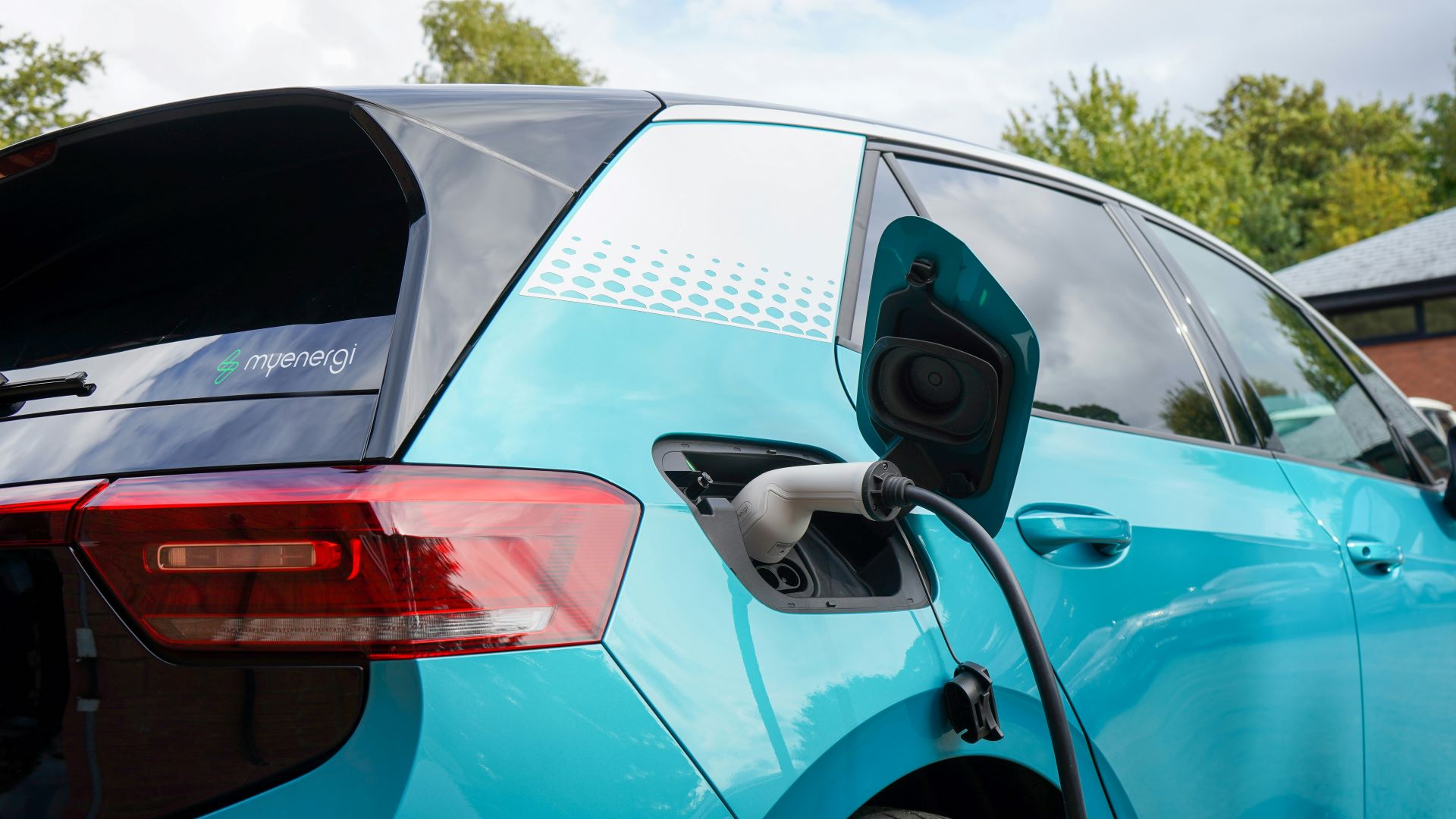
Electric vehicles remain a niche play, accounting for just under 2% of new car sales in South Africa as of mid-2025. But the growth rate is encouraging. Factors contributing to this include:
Charging Anxiety Still a Barrier
However, range and infrastructure remain significant concerns. While urban hubs like Cape Town, Johannesburg, and Durban now have a more visible charging network, the patchy rollout beyond metros limits rural and long-distance viability.
South Africans also contend with load shedding, which raises concerns about home charging reliability. Innovative solutions such as solar-charged EVs, battery backups, and flexible workplace charging are helping ease these concerns, but not eliminate them.
The Influence of Corporates and Fleets
Fleet electrification is serving as a major catalyst. Corporations are introducing EV-first policies to meet ESG targets and reduce fuel spend, familiarising thousands of employees with EVs as daily driversÔÇömany of whom will later become second-hand buyers of the same vehicles.
Finance, Insurance, and Ownership Models
Alternative Financing Gains Traction
Traditional financing is becoming less accessible. In response, subscription-based models, balloon payments, and rent-to-own plans are gaining traction.
Startups like FlexClub and banks like Absa are exploring vehicle access over ownership, particularly for young professionals and gig workers. These services allow access to a new or nearly new vehicle for a flat monthly fee, including insurance and maintenance.
Insurance-Linked Telematics
Insurance providers are also innovating. Telematics-driven insurance premiums that reward good driving behaviour are more commonplace in 2025. This appeals to tech-savvy, budget-conscious buyers who want to reduce monthly premiums through safer driving.
Regional Differences and Urban-Rural Divide
Cape Town vs. Johannesburg vs. Rural Markets
In Cape Town, sustainability concerns and EV infrastructure make electric vehicles more appealing. Residents are more likely to adopt solar solutions and value carbon-conscious consumption.
Johannesburg, with its denser population and higher traffic, sees greater interest in hybrid vehicles and compact SUVs, while in more rural areasÔÇösuch as Limpopo or the Eastern CapeÔÇödiesel-powered bakkies and durable, no-frills vehicles still rule.
This regional variance means OEMs and marketers must tailor their messaging and product offerings carefully across provinces.
The Role of Digital and Social Media in Decision-Making
A Digitally-Led Path to Purchase
In 2025, over 85% of South African car buyers begin their journey online, according to Lightstone. Automotive search terms, YouTube reviews, TikTok testimonials, and Google My Business ratings influence purchase decisions as much as showroom visits.
Instagram-worthy test drives and influencer collaborations are shaping brand perception, especially among millennials and Gen Z.
AI-Powered Recommendations
AI-powered recommendation engines on platforms like AutoTrader, Gumtree, and car dealership websites now play a key role in filtering viable options for buyers. These systems account for budget, lifestyle preferences, and geographyÔÇöoffering tailored results and nudging users toward decision.
What the Future Holds
Convergence on Value, Reliability, and Sustainability
While new car buyers still covet technology and brand prestige, the dominant trend is convergence on value, reliability, and sustainability. Vehicle purchases in South Africa are becoming more rational, with long-term value and total cost of ownership taking priority.
Government policiesÔÇösuch as potential green tax incentives and import duty reformÔÇöwill play a crucial role in shaping the adoption curve of electric vehicles and hybrids. Local production capacity for EVs (or lack thereof) may also limit or accelerate transition.

A Nation in Motion
The South African automotive market in 2025 reflects the nationÔÇÖs broader socioeconomic and technological journey: filled with potential, tempered by pragmatism, and driven by resilience.
Whether itÔÇÖs a R150,000 Polo Vivo, a R500,000 Chery Tiggo Pro, or a R750,000 BYD Seal U EV, car buyers are no longer asking simply what they can affordÔÇötheyÔÇÖre asking what makes the most sense.
And that question, it turns out, has many answers.
Breyten Odendaal
Specializing in high-performance automotive advertising and digital marketing solutions, delivering cutting-edge insights and the latest news shaping the automotive industry in South Africa.
More From Advertising
Automotive Advertising in 2026: Selling Confidence in a More Competitive Market
As South Africa’s vehicle market becomes more competitive, automotive advertising needs to do more than announce a price or specification. It needs to help buyers understand value, ownership costs and why a vehicle suits their lives.

Automotive Digital Ads in South Africa: A Shift
Exploring how South Africa’s automotive advertising evolved from print and broadcast to data-driven, programmatic digital ecosystems.

The Video Shift in Car Buying Decisions in SA
Explore how video content shapes car purchase decisions in South Africa, comparing short-form and long-form strategies for automotive marketers.