
Two Markets, One Industry
The modern automotive market is no longer a monolithic space where a single marketing message can speak to every potential buyer. Across the globe, and especially in diverse markets like South Africa, the United Kingdom and North America, a pronounced divide exists between urban and rural car buyers. These two groups are united by a common desire for personal mobility, but their lifestyles, economic realities, and daily mobility challenges differ dramatically. For automakers and dealerships, this is not merely a demographic quirk; it is a strategic imperative. A campaign that resonates in the bustling streets of Johannesburg or London may fall flat among buyers navigating gravel farm roads in the Karoo or the Cotswolds.
Marketing to these distinct audiences requires far more than surface-level adjustments in visuals or slogans. It demands a deep understanding of what drives their decisions, how they perceive value, and the role the car plays in their daily lives. This article explores those differences in depth and shows how smart, data-driven campaigns can bridge the gap between city slickers and country dwellers.
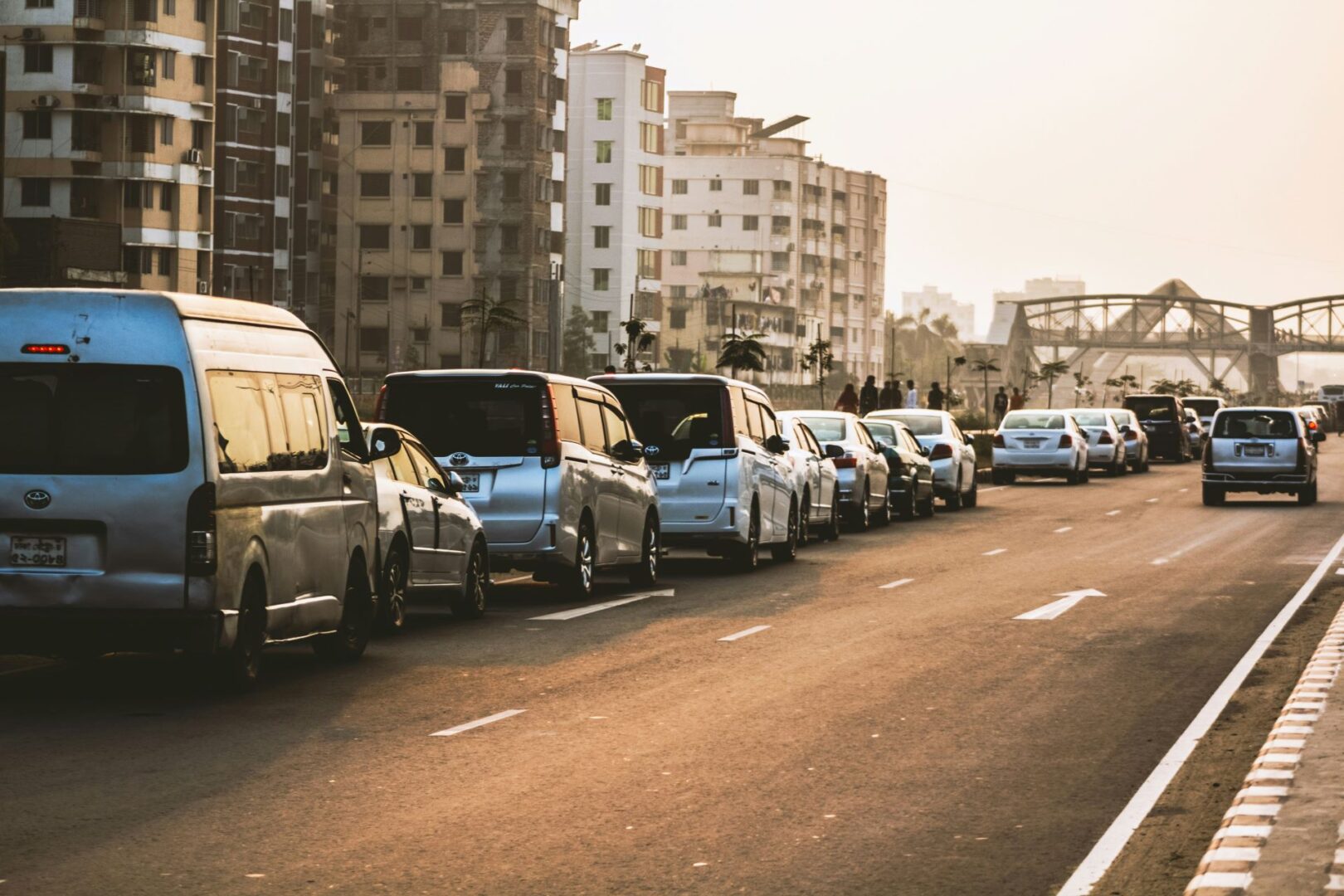
The Urban Buyer: Mobility as a Lifestyle Accessory
City dwellers view their vehicles through the lens of convenience, status, and lifestyle. In densely populated areasÔÇöwhether itÔÇÖs Cape TownÔÇÖs CBD, downtown Manhattan or central LondonÔÇötraffic congestion, limited parking and environmental regulations shape every buying decision.
For many urban drivers, the car is less a tool for long-distance travel than a flexible companion that fits into a multi-modal transportation ecosystem. They may pair car ownership with ride-hailing services, e-scooters, or public transport. Consequently, their vehicle of choice must complement, not complicate, their urban life. Compact dimensions, agile handling and the promise of easy parking often outweigh brute horsepower.
Environmental awareness is also front of mind. Urban buyers, exposed daily to debates about air quality and carbon footprints, are more inclined to consider hybrid or fully electric vehicles. In cities where congestion charges or low-emission zones impose financial penalties, the cost savings of an EV or plug-in hybrid become tangible and immediate.
A car in the city is also a subtle social signal. Premium marques and cutting-edge tech featuresÔÇöthink advanced infotainment systems, seamless smartphone integration and the latest driver-assistance aidsÔÇöcarry strong appeal. The vehicle doubles as a rolling extension of their personal brand, a statement of modernity and sustainability.
The Rural Buyer: Mobility as Lifeline
Move beyond the city limits and the automotive narrative changes entirely. Rural buyers often see a vehicle not as a luxury or statement but as an essential lifeline. Distances are greater, public transport options scarce, and road conditions less predictable. Here, reliability and capability trump aesthetic flourishes.
Rural motorists value vehicles that can handle unpaved roads, heavy loads and harsh weather. Pick-up trucks, robust SUVs and bakkies dominate the landscape because they offer the versatility to haul feed, tow trailers, or navigate muddy fields. Fuel economy remains important, but not at the expense of durability and torque.
Technology adoption follows a different rhythm. While rural buyers appreciate modern safety features and infotainment, they are less swayed by bleeding-edge gadgetry and more concerned with proven reliability. A touchscreen that works after a dusty day on gravel counts for more than the latest voice-activated assistant.
The emotional connection is also different: rural car ownership is tied to independence. A dependable vehicle means access to work, education and healthcare. It is less about style and more about ensuring life keeps moving forward, whatever the terrain or weather.
Economic and Cultural Factors
The socio-economic context amplifies these distinctions. Urban buyers often have higher disposable incomes but also face higher costs of living. They may prefer financing or leasing options that allow frequent upgrades to newer models. The prestige of driving the latest model year carries weight.
Rural buyers, by contrast, typically keep vehicles for longer and value ease of maintenance and low total cost of ownership. A marketing message that stresses long warranties, accessible service networks and rugged build quality speaks directly to their priorities.
Culturally, urban audiences are immersed in fast-paced, tech-savvy lifestyles. Their media consumption skews toward digital platforms, social media, and mobile-first experiences. Rural audiences, while increasingly connected, often place higher trust in community networks, local dealerships and word-of-mouth recommendations.

Crafting Urban Campaigns: Precision and Lifestyle Alignment
To capture the urban driverÔÇÖs imagination, automotive marketers must paint a picture of effortless integration into city life. Campaigns should highlight:
Visual storytelling is crucial. Campaign imagery should feature vibrant cityscapes, night-time skylines and aspirational lifestyles. Influencer partnerships with urban trendsetters, digital-first campaigns on Instagram, TikTok or local equivalents, and geo-targeted ads around urban transport hubs can all strengthen the connection.
Finance packages and subscription models tailored to young professionalsÔÇöoffering flexibility and minimal commitmentÔÇöresonate strongly. For urban dwellers who may be considering whether to own a car at all, the message should underscore how the right vehicle complements ride-hailing and public transport rather than competes with it.
Crafting Rural Campaigns: Trust and Capability
In rural markets, trust and proven capability outweigh flash and novelty. Campaigns should therefore emphasise:
Traditional media such as local radio, regional newspapers and community events remain influential. Sponsoring agricultural shows, regional sports teams or local fairs can embed the brand in the rural consciousness.
Rural digital strategies should not be neglected, but content should be practical rather than flashy: how-to videos on maintenance, demonstrations of towing capacity, and real-world testimonials carry more weight than slick lifestyle reels.
Data-Driven Segmentation and the Power of Analytics
The divergence between urban and rural buyers underscores the need for sophisticated market segmentation. Automotive marketers can no longer rely solely on broad demographic categories like age or income. Instead, they must harness data analytics to identify micro-segments based on driving patterns, geographic distribution and lifestyle indicators.
Telematics, for example, can reveal how often drivers traverse gravel roads or engage in stop-and-go urban traffic. Social listening can uncover regional sentiments around fuel prices, EV infrastructure or environmental concerns. With these insights, marketers can craft hyper-local campaignsÔÇödown to neighbourhood level in cities or to specific farming communities in rural regions.
Electric Vehicles and the UrbanÔÇôRural Divide
One of the most striking emerging trends is the differing pace of EV adoption. Urban centres, with their dense charging networks and regulatory incentives, are fertile ground for electric mobility. Campaigns for urban buyers can therefore lean heavily on the convenience of overnight charging and exemptions from congestion fees.
In rural areas, range anxiety and limited charging infrastructure remain barriers. Marketers must address these concerns head-on. Messaging should highlight extended-range hybrids, growing rural charging investments and the long-term fuel savings of EVs. Partnering with energy providers to expand rural charging points can transform skepticism into confidence.
The Role of Dealerships and After-Sales Service
Dealerships are the frontline of this urbanÔÇôrural differentiation. In metropolitan areas, showrooms are evolving into experiential hubs with immersive digital displays and caf├®-style lounges. Rural dealerships, meanwhile, function as trusted community anchors where personal relationships often outweigh corporate polish.
Training sales staff to adapt their pitchÔÇöhighlighting cutting-edge tech in urban settings and emphasising durability and service reliability in rural onesÔÇöcan dramatically increase conversion rates. After-sales service, too, must reflect these priorities. Quick-turnaround urban service packages and mobile rural servicing options speak directly to each segmentÔÇÖs expectations.
Case Studies: Lessons from the Market
Consider how global brands are already adapting:
These examples illustrate how the same brand can authentically serve both segments without diluting its core identity.
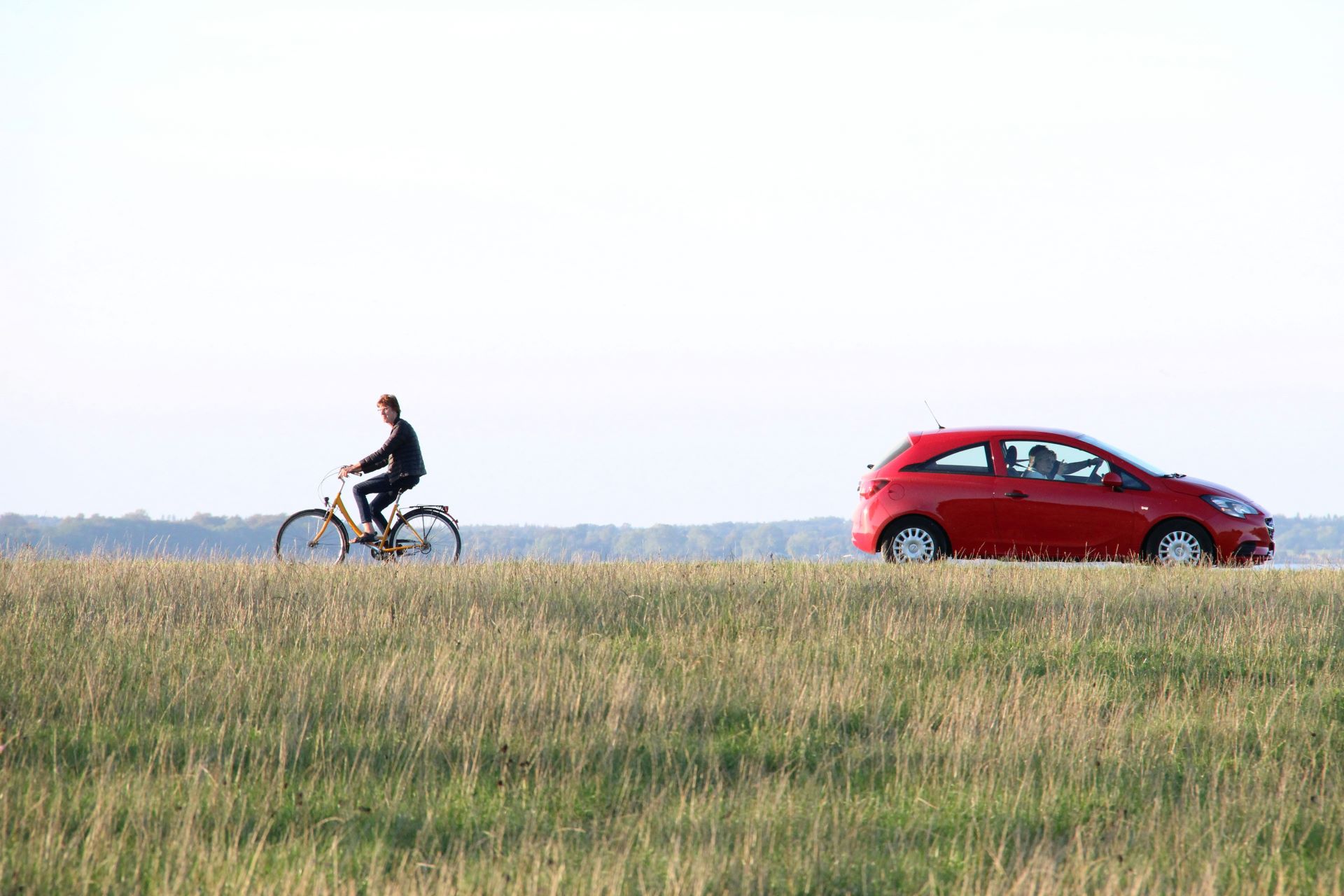
Bridging the Divide: Unified Brand, Distinct Voices
While campaigns must be tailored, brands must also preserve a coherent identity. The key lies in crafting a brand narrative broad enough to encompass both lifestylesÔÇöinnovation, trustworthiness, or qualityÔÇöwhile varying the messaging and channels. A unified tagline can be adapted with region-specific visuals and proof points, creating consistency without homogeneity.
Marketers who succeed here will not only sell more cars but also build loyalty across geographic boundaries. By acknowledging the unique realities of urban and rural life, they show respect for their audienceÔÇÖs lived experienceÔÇöa powerful differentiator in an increasingly competitive automotive landscape.
The future of automotive marketing is not about finding a single, universal message but about mastering the art of nuance. Urban and rural car buyers embody different relationships with mobility: one sees the car as a stylish urban accessory and technological showcase; the other as a rugged, indispensable partner in daily life.
As mobility evolvesÔÇöwith electrification, autonomous driving and connected-car ecosystems reshaping the marketÔÇöthe gap between these audiences may shift but will not disappear. The brands that thrive will be those that combine data-driven precision with genuine empathy, delivering campaigns that feel less like advertising and more like a conversation with each unique driver.
By embracing these differences rather than flattening them, automotive marketers can ensure that whether the journey unfolds on the neon-lit streets of a bustling metropolis or the dusty backroads of a rural heartland, their message arrives exactly where it is meant to be heard.
Breyten Odendaal
Specializing in high-performance automotive advertising and digital marketing solutions, delivering cutting-edge insights and the latest news shaping the automotive industry in South Africa.
More From Advertising
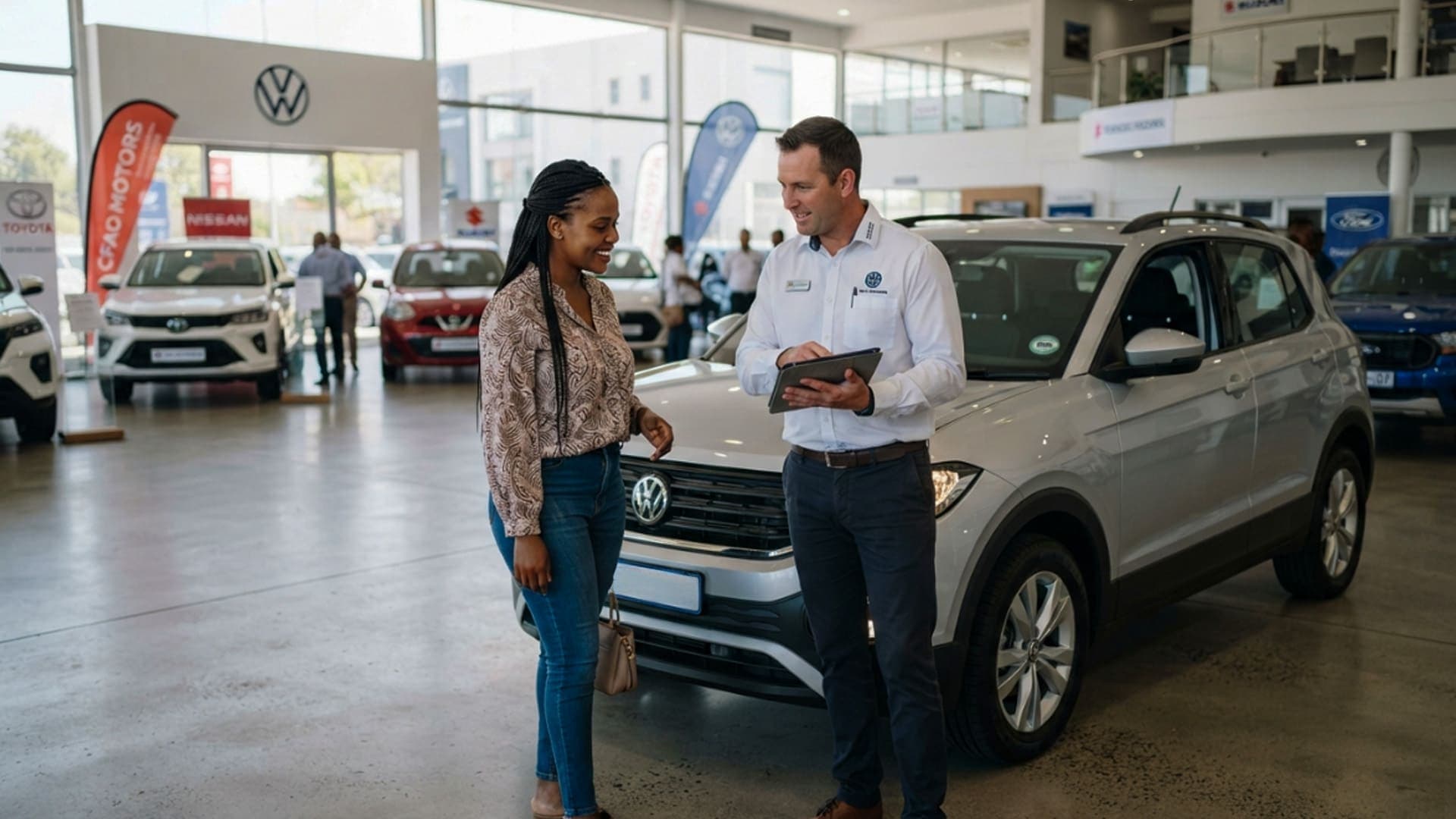
Automotive Advertising in 2026: Selling Confidence in a More Competitive Market
As South Africa’s vehicle market becomes more competitive, automotive advertising needs to do more than announce a price or specification. It needs to help buyers understand value, ownership costs and why a vehicle suits their lives.

Automotive Digital Ads in South Africa: A Shift
Exploring how South Africa’s automotive advertising evolved from print and broadcast to data-driven, programmatic digital ecosystems.

The Video Shift in Car Buying Decisions in SA
Explore how video content shapes car purchase decisions in South Africa, comparing short-form and long-form strategies for automotive marketers.