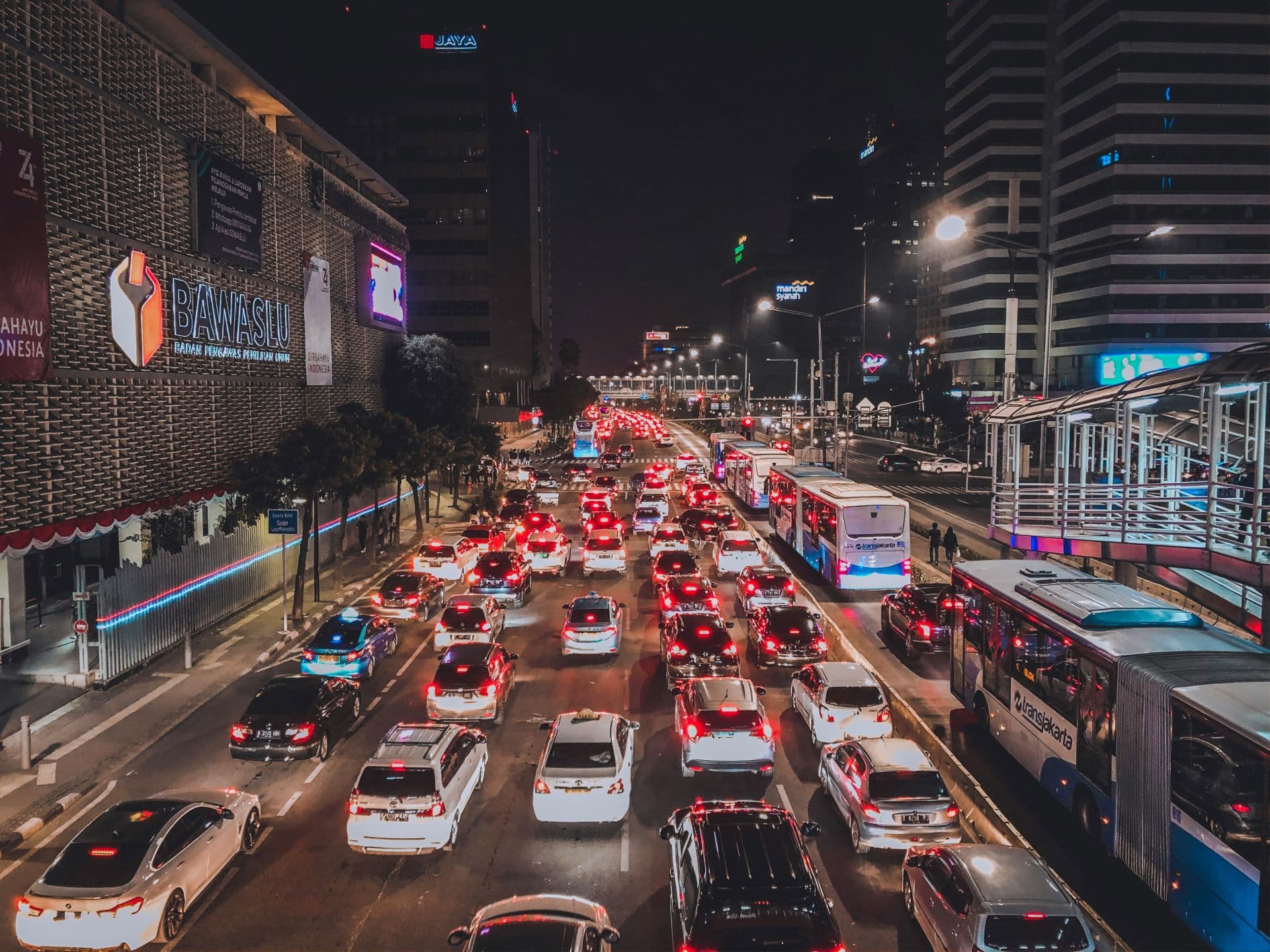
In the modern city, mobility is more than the simple act of moving from A to B. It has become a statement of identity, a reflection of values, and a central element of urban lifestyle. Automakers are no longer just selling carsÔÇöthey are selling solutions, experiences, and aspirational living. Urban mobility now occupies the intersection of convenience, sustainability, and style, offering brands the opportunity to create deep emotional connections with their audiences.
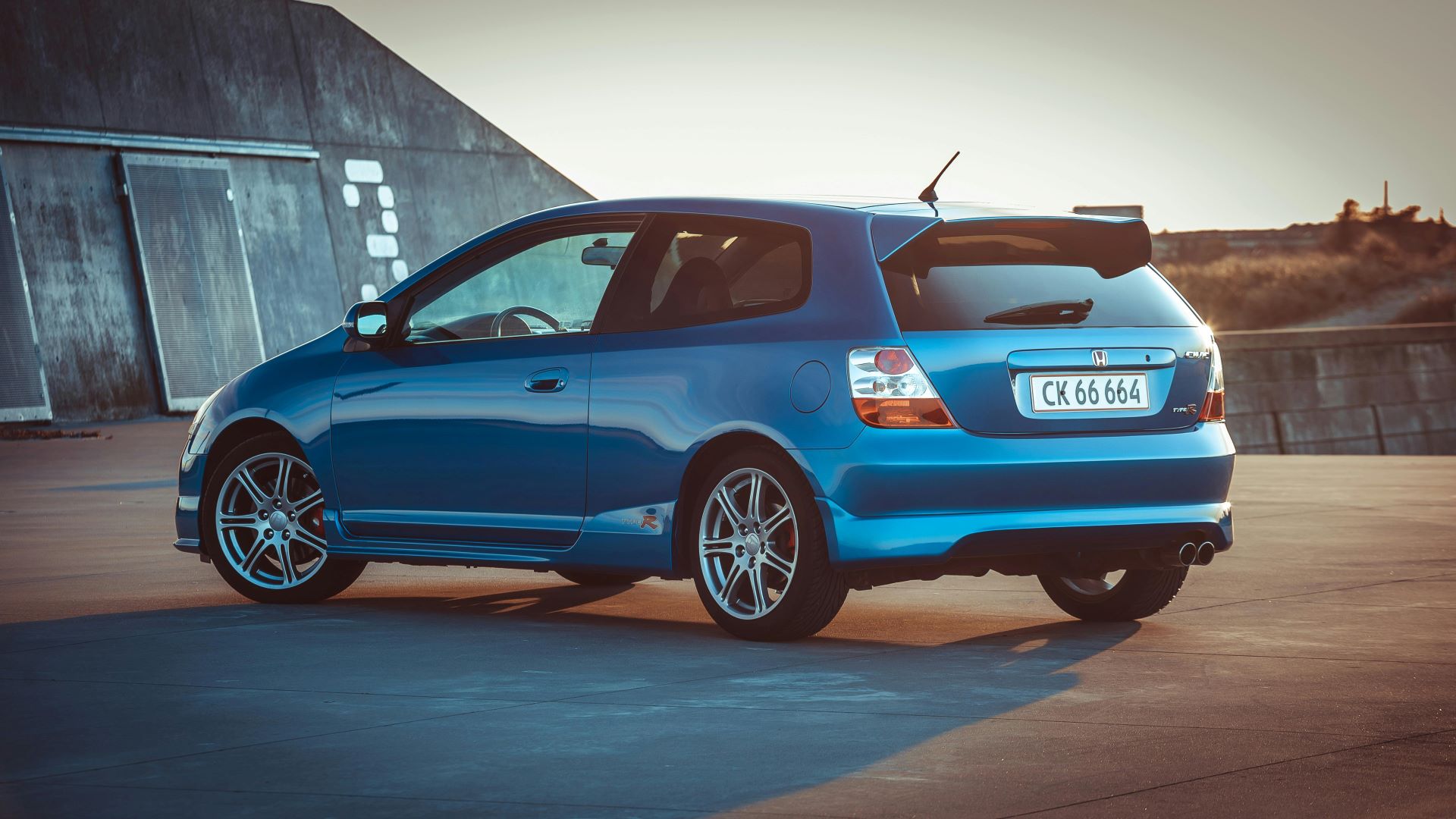
The City as a Canvas for Mobility
Urban spaces present a unique marketing challenge and opportunity. Congested streets, limited parking, and environmental concerns have shifted consumer priorities toward smarter, more adaptable modes of transport. Here, the car, scooter, or e-bike is not just a utility; it is part of an integrated lifestyle solution. For automakers, this means designing vehicles and services that seamlessly fit into the rhythms of urban life. Marketing that highlights adaptabilityÔÇövehicles that glide through narrow streets, fold into compact parking, or charge effortlessly in the cityscapeÔÇöaligns the brand with the consumerÔÇÖs daily reality, making mobility aspirational, yet practical.
From Utility to Identity
Modern urban dwellers view their choice of transport as an extension of their personality. Compact EVs, electric scooters, and shared micro-mobility options become statements of environmental consciousness, forward-thinking, and efficiency. Automotive marketing that taps into these signals of identity resonates more profoundly than traditional product-focused messaging. By framing mobility as a lifestyle choice rather than a functional necessity, brands elevate vehicles to symbols of values and cultural alignment. Social campaigns showcasing urban explorers navigating city streets with style, freedom, and efficiency create aspirational narratives that potential buyers want to inhabit.
Experiential Marketing in Urban Mobility
Marketing urban mobility requires more than glossy visuals; it requires lived experience. Brands that invite consumers to test-drive not just vehicles but lifestyles generate lasting impressions. Pop-up urban mobility hubs, shared vehicle trials, and experiential events allow users to feel the convenience, sustainability, and social currency of their transportation choices firsthand. Such experiences also serve as content generators, empowering users to share their urban adventures on social mediaÔÇöeffectively turning customers into brand advocates.
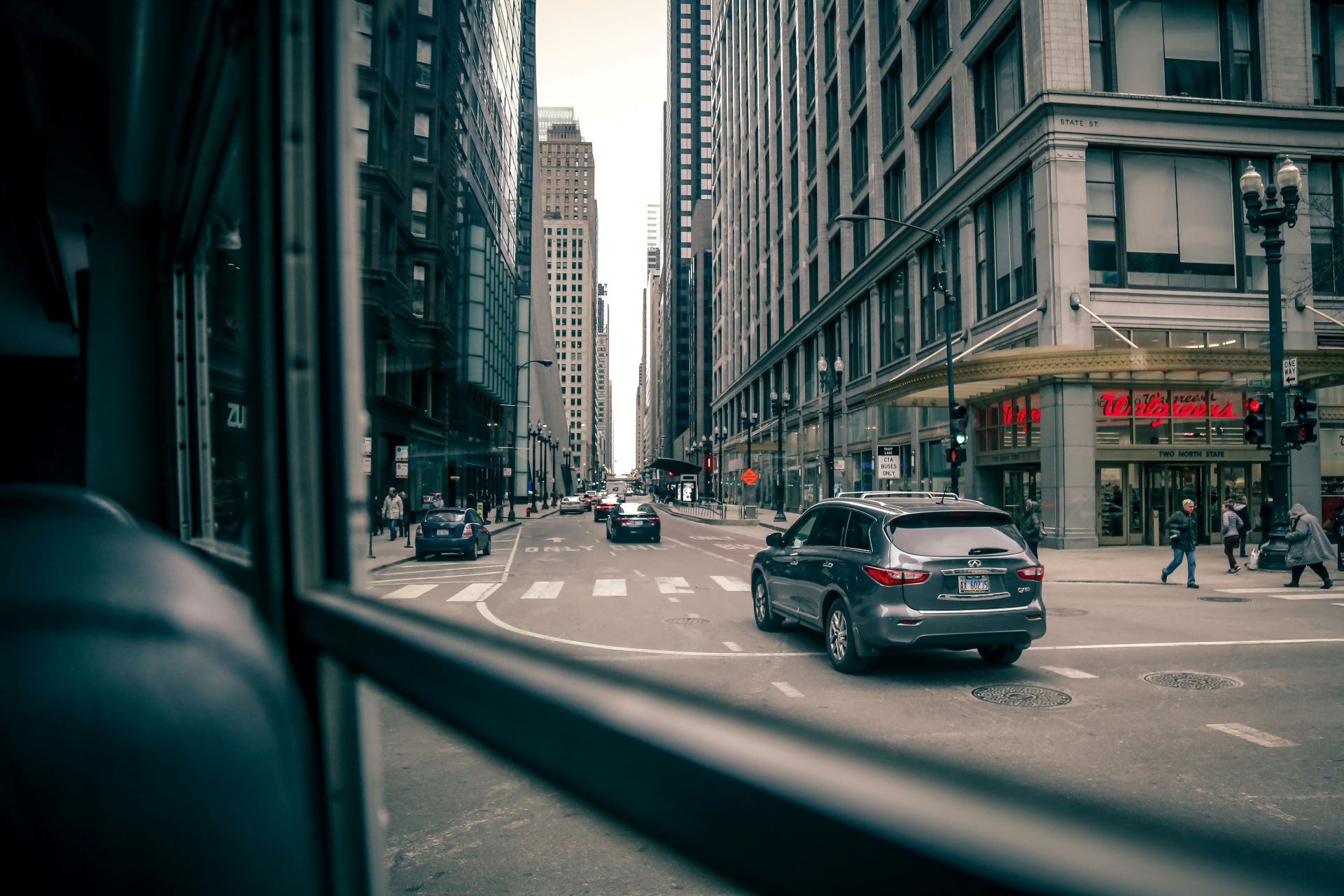
Technology as a Lifestyle Enabler
Technology underpins the lifestyle promise of urban mobility. Apps that integrate ride-sharing, parking, and charging, or vehicles equipped with smart connectivity, enhance the perception of convenience and sophistication. Automakers marketing these technological advantages position themselves as not just providers of transport but as facilitators of a more seamless, connected urban life. Highlighting features like predictive navigation, AI-assisted driving, and integrated city mobility platforms strengthens the emotional appeal of ownership, shifting it from a transactional decision to an aspirational one.
Sustainability and Social Consciousness
Urban consumers increasingly expect brands to reflect their social and environmental values. Electric and hybrid vehicles, carbon-offset programs, and urban-friendly designs are not just selling pointsÔÇöthey are identity markers. Marketing campaigns that foreground these elementsÔÇöthrough storytelling, influencer partnerships, and immersive experiencesÔÇölink mobility to civic responsibility, environmental stewardship, and social awareness. This alignment transforms mobility from a daily task into a statement of progressive urban citizenship.
Crafting Lifestyle Narratives
Automotive marketing in urban mobility succeeds when it tells stories, not specifications. Campaigns that portray the vehicle as part of a broader urban lifestyleÔÇöcommuting effortlessly, exploring the cityÔÇÖs hidden gems, socializing seamlesslyÔÇötap into consumersÔÇÖ desires for freedom, convenience, and status. Lifestyle marketing also opens the door for collaborations with fashion brands, tech startups, and urban cultural institutions, reinforcing the notion that mobility is integrated into the consumerÔÇÖs world rather than imposed upon it.
The Influence of Micro-Moments
Urban mobility is composed of countless micro-momentsÔÇöparking, charging, navigating traffic, or catching a last-minute ride. Marketing that acknowledges and enhances these moments strengthens brand relevance. Personalized notifications, location-based promotions, and adaptive mobility solutions ensure the brand remains a helpful, stylish, and indispensable companion in everyday urban life. Consumers who experience ease, delight, and status at these micro-moments internalize the brand as part of their identity and routine.
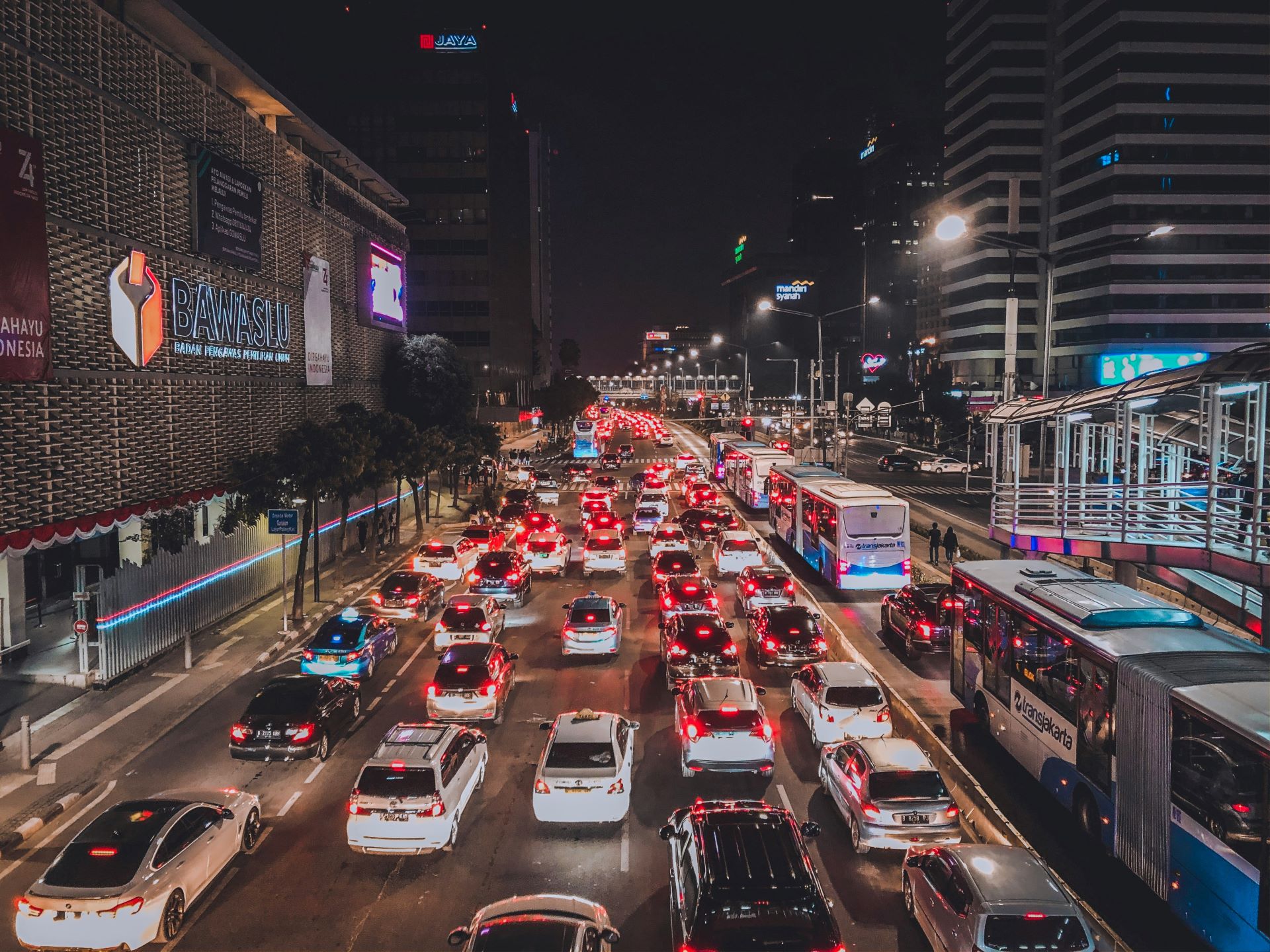
Looking Forward: Mobility as Culture
Ultimately, urban mobility is shaping culture as much as it responds to it. Automakers embracing this perspective can position themselves not just as vehicle manufacturers, but as lifestyle architects. Future campaigns will likely blur the lines between mobility, fashion, entertainment, and technology, making transport an immersive cultural experience. By elevating urban mobility from mere utility to lifestyle enabler, brands create enduring emotional bonds and cultivate communities of engaged, loyal consumers.
In a city where every decisionÔÇöfrom commuting routes to weekend excursionsÔÇöreflects personal values, urban mobility becomes a canvas for storytelling, self-expression, and brand engagement. Automotive brands that understand and harness this dynamic can transform their offerings into lifestyle statements that resonate far beyond the roads.
Breyten Odendaal
Specializing in high-performance automotive advertising and digital marketing solutions, delivering cutting-edge insights and the latest news shaping the automotive industry in South Africa.
More From Advertising

Automotive Advertising in 2026: Selling Confidence in a More Competitive Market
As South Africa’s vehicle market becomes more competitive, automotive advertising needs to do more than announce a price or specification. It needs to help buyers understand value, ownership costs and why a vehicle suits their lives.

Automotive Digital Ads in South Africa: A Shift
Exploring how South Africa’s automotive advertising evolved from print and broadcast to data-driven, programmatic digital ecosystems.

The Video Shift in Car Buying Decisions in SA
Explore how video content shapes car purchase decisions in South Africa, comparing short-form and long-form strategies for automotive marketers.