
ThereÔÇÖs a certain magic to the rhythm of urban lifeÔÇöthe hum of traffic, the precision of parallel parking, and the subtle thrill of weaving through gridlocked streets in a compact, nimble vehicle. On the flip side, nothing rivals the liberating pulse of a winding mountain pass or the endless promise of an open highway stretching beyond the horizon. These two driving experiences, while vastly different, shape not only how we engage with vehicles but how automotive brands communicate their value.
As urbanisation continues to accelerate globally while the romance of the open road remains firmly embedded in car culture, automotive marketing has become increasingly contextual. Brands are no longer just selling carsÔÇöthey're selling lifestyles defined by where and how we drive. From city slickers looking for high-tech convenience to countryside cruisers chasing power and comfort, the landscape around us plays a vital role in shaping what we expect from our vehicles.
This article delves into how the urban jungle and the open road influence automotive messaging. We'll explore the specific features that brands highlight in each context, look at real-world campaigns that have successfully leveraged environmental cues, and consider how brands navigate the balancing act between these distinct terrains. Through case studies, data-driven insights, and consumer psychology, weÔÇÖll reveal how setting is more than just backdropÔÇöitÔÇÖs the narrative framework for how vehicles are marketed, perceived, and ultimately chosen.
Whether youÔÇÖre a city dweller yearning for a smarter commute or a road-tripper searching for your next adventure machine, understanding how marketing mirrors your environment offers a fascinating lens into how modern mobility is being shaped. LetÔÇÖs take a drive through this dualityÔÇöstarting with the ever-evolving urban jungle.
Defining the Urban Jungle
(Approx. 600 words)
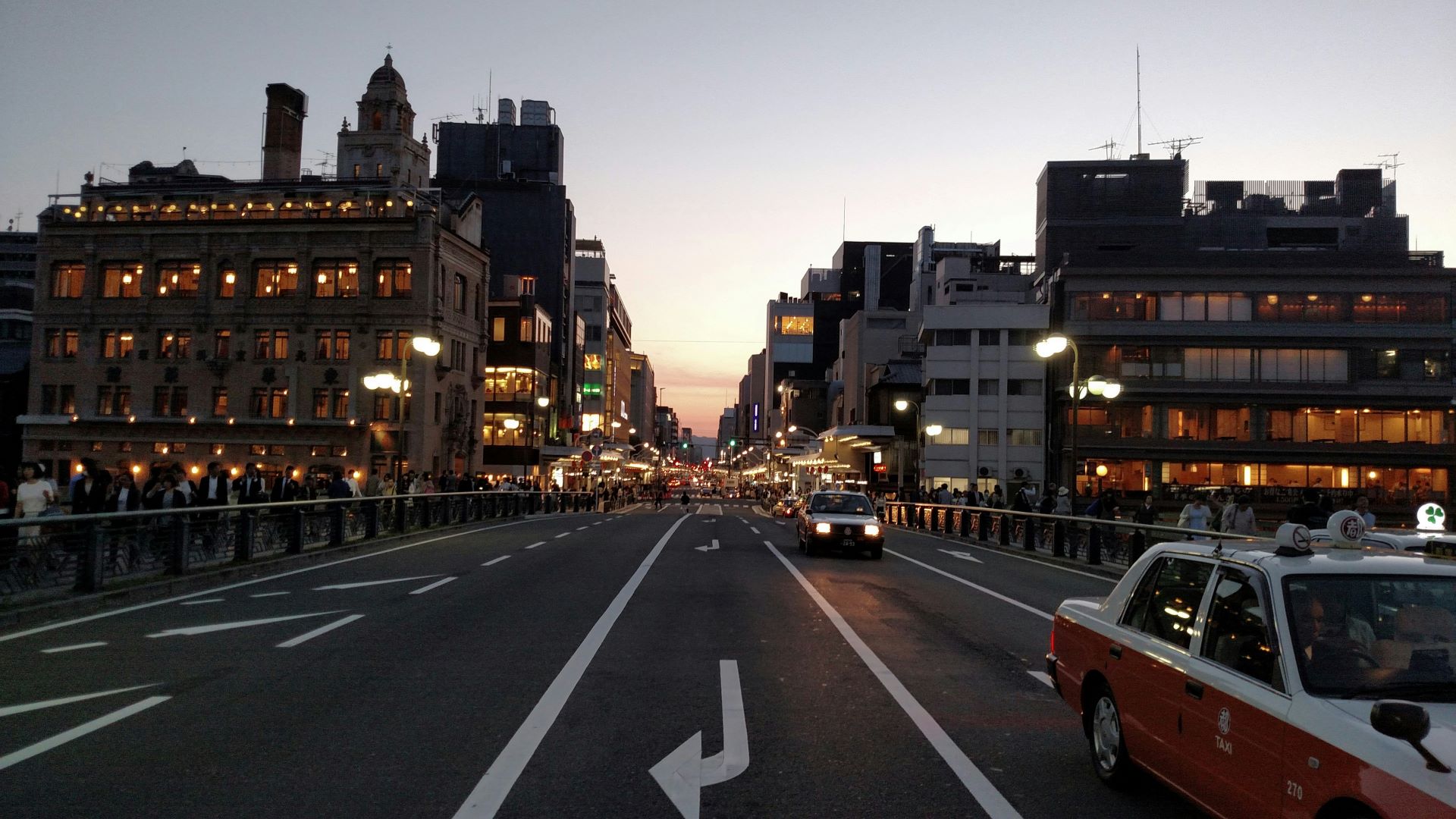
The modern metropolis is a marvel of movementÔÇödense, dynamic, and demanding. Urban driving is characterised by stop-start traffic, short trips, limited parking, and the pressing need for eco-conscious design. In these environments, efficiency and practicality reign supreme.
The Needs of the Urban Driver
In the city, the average driver isnÔÇÖt concerned with horsepower or towing capacityÔÇötheyÔÇÖre looking for solutions to everyday problems. Compact dimensions, nimble handling, tight turning circles, and low fuel consumption become priorities. Increasingly, so do smart tech features like automated parking, lane-keeping assist, and real-time traffic updates.
Electric vehicles (EVs) and hybrids have found fertile ground in urban settings, too. Their lower emissions and regenerative braking systems are well-suited to the stop-and-go nature of city traffic. The demand for compact crossovers and hatchbacks has surged, with brands like MINI, Smart, and Hyundai capitalising on these evolving urban preferences.
Messaging That Matches the Pace
Urban automotive messaging is fast, flashy, and function-driven. Brands lean into themes of efficiency, innovation, and lifestyle integration. Adverts often showcase cars weaving through tight alleyways, parking effortlessly in tiny spaces, or syncing seamlessly with smartphones.
Take BMWÔÇÖs ÔÇ£The Small EscapeÔÇØ campaign, which spotlighted the compact BMW i3 navigating BerlinÔÇÖs narrow lanes while highlighting its sustainability and urban agility. Similarly, ToyotaÔÇÖs C-HR campaigns often position the vehicle as a design-forward urban companion, appealing to younger, tech-savvy audiences.
Urban Advertising in Practice
In cities, automotive marketing often extends beyond the screenÔÇöappearing in digital billboards, augmented reality transit ads, or geo-targeted app campaigns. HyundaiÔÇÖs ÔÇ£Smart CityÔÇØ activations used mobile pop-ups to demonstrate the benefits of their Kona Electric, allowing urbanites to test its suitability in real-world city scenarios.
Brands also tap into the urban lifestyle, collaborating with fashion labels or tech brands to reflect the city consumerÔÇÖs multifaceted identity. Messaging becomes less about the car itself and more about how it fits seamlessly into a bustling, modern life.
Exploring the Open Road
(Approx. 600 words)
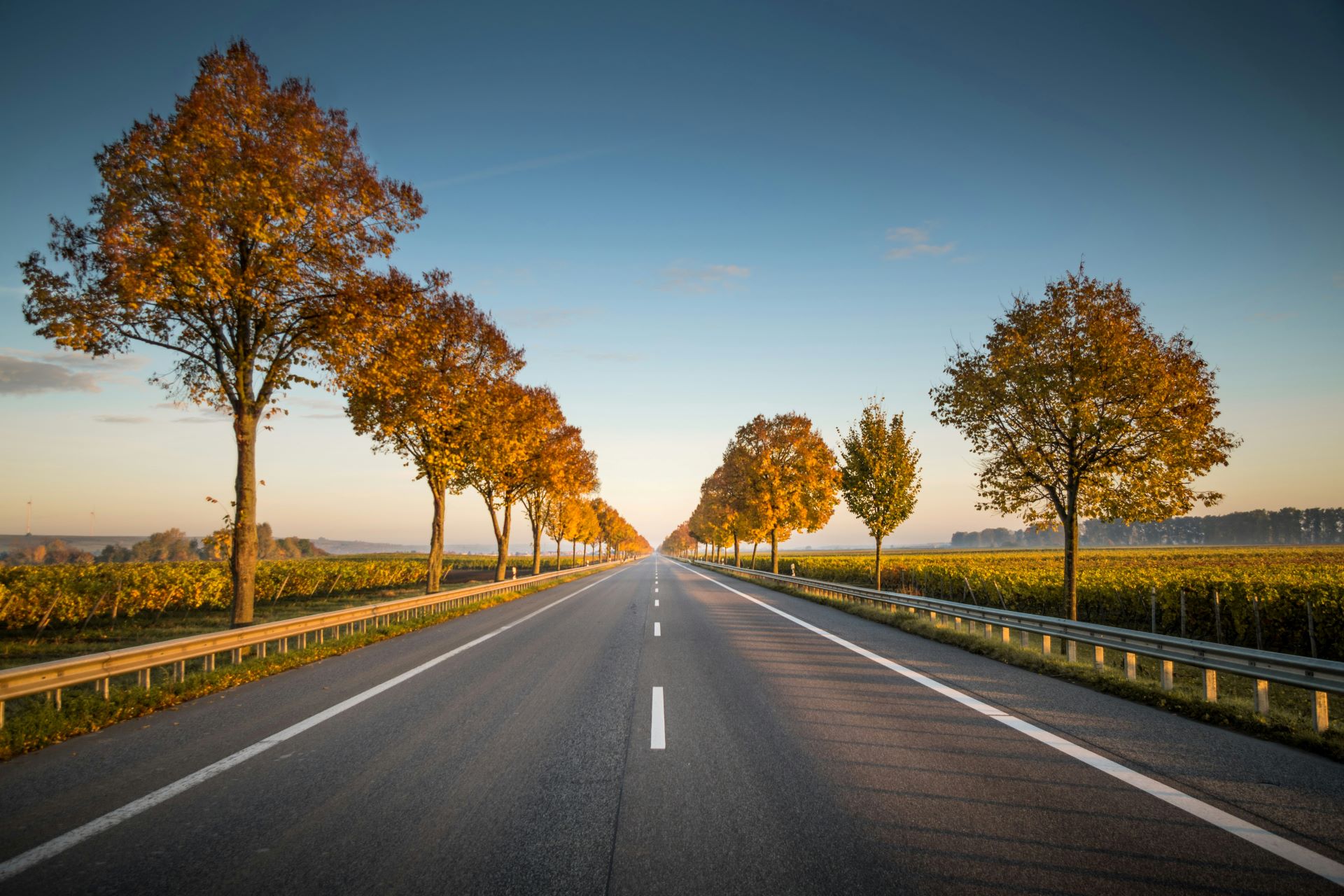
If the city represents restriction, the open road embodies release. Winding mountain passes, deserted highways, and scenic coastal routes serve as the backdrop for some of the most iconic automotive imagery. Here, the driving experience becomes central, and messaging shifts toward performance, endurance, and emotional connection.
Characteristics of Rural and Open-Road Driving
Driving outside city limits is often longer, faster, and more immersive. Rural areas can involve rougher terrain, greater elevation changes, and unpredictable weather conditions. Here, the vehicleÔÇÖs power, traction, and comfort come under the spotlight.
This setting calls for vehicles built for resilienceÔÇöSUVs with advanced suspension, sedans with plush interiors, and grand tourers that promise both speed and grace. Fuel economy still matters, but so does the thrill of driving and the promise of discovery.
Freedom in the Message
Open-road marketing leans into themes of freedom, adventure, and legacy. Vehicles arenÔÇÖt just modes of transportÔÇöthey're enablers of journeys. Visual storytelling is often cinematic, with sweeping drone shots, remote landscapes, and minimalist narration.
FordÔÇÖs F-Series campaigns often tap into themes of heritage and rugged capability. Their ÔÇ£Built Ford ToughÔÇØ messaging is steeped in open-road iconography: dusty trails, wide skies, and all-weather resilience. Meanwhile, Subaru's "Love. It's What Makes a Subaru, a Subaru" blends emotional connection with adventure, portraying families and couples using their vehicles to explore nature.
A Playground for Emotional Storytelling
Open-road campaigns tend to favour long-form content and experiential marketing. Land RoverÔÇÖs Defender campaign, ÔÇ£Above and Beyond,ÔÇØ featured real-life expeditions across uncharted terrains, reinforcing the brand's positioning as the ultimate adventure companion.
These campaigns tap into our intrinsic desire to escape, explore, and reconnect with natureÔÇöfeelings that are amplified when paired with music, storytelling, and powerful visuals. ItÔÇÖs not just about specsÔÇöitÔÇÖs about sentiment.
Consumer Perceptions and Preferences
Numerous studies support the influence of setting on automotive preferences. Research from McKinsey & Company indicates that urban consumers tend to prioritise sustainability and connectivity, while rural drivers place higher value on durability and load capacity.
Emotion also plays a central role. City drivers often associate vehicles with convenience, identity, and tech integration. Meanwhile, rural and long-distance drivers link cars to freedom, safety, and family bonding.
A 2023 Deloitte study revealed that 58% of urban dwellers prefer hybrid or electric cars, compared to just 31% of rural consumers. Conversely, rural buyers are 2.5 times more likely to opt for trucks or large SUVs. Preferences are not only functionalÔÇötheyÔÇÖre deeply tied to where and how people live and drive.
Brand trust also varies. Urban consumers favour innovation-driven brands like Tesla and Polestar, while rural consumers lean toward legacy marques like Ford and Chevrolet, which evoke reliability and familiarity.
Challenges in Messaging
While adapting to setting is essential, itÔÇÖs not without challenges. Vehicles designed to appeal to both urban and rural drivers must walk a fine lineÔÇöbalancing compact efficiency with robust performance.
Brands face messaging dissonance when a single model tries to speak to conflicting priorities. A compact SUV may be efficient in cities but lack the off-road credibility rural drivers demand. Over-promising in one setting can lead to consumer disappointment in another.
Visual marketing also requires nuanced treatment. A car shown navigating an alpine pass may alienate urban buyers who canÔÇÖt relate, while a cityscape-focused campaign might feel irrelevant to someone in the Karoo or Highlands.
The solution lies in modular messagingÔÇöcreating adaptable narratives that highlight different aspects of the same vehicle without diluting brand identity. This requires market segmentation, geotargeting, and a deep understanding of local driving habits.

The road you drive shapes the car you chooseÔÇöand the message that sells it. Whether itÔÇÖs the buzz of the city or the serenity of the open road, setting is not just a backdrop for automotive storytelling; itÔÇÖs a key character in the narrative.
Throughout this article, weÔÇÖve seen how urban and open-road environments define consumer needs, perceptions, and emotional connections with vehicles. Brands that succeed are those that embrace this dualityÔÇöcrafting messages that resonate with distinct audiences while maintaining a cohesive identity.
As automotive technology evolves and mobility ecosystems diversify, the need for setting-aware storytelling will only grow. ItÔÇÖs no longer enough for a car to be fast, efficient, or smartÔÇöit has to feel right for the driverÔÇÖs environment.
So, whether you're a city commuter zipping through Cape TownÔÇÖs narrow lanes or an adventurer chasing horizons across the Great Karoo, consider this: the car you love might not just reflect your personalityÔÇöit might be echoing your environment.
Breyten Odendaal
Specializing in high-performance automotive advertising and digital marketing solutions, delivering cutting-edge insights and the latest news shaping the automotive industry in South Africa.
More From Advertising
Automotive Advertising in 2026: Selling Confidence in a More Competitive Market
As South Africa’s vehicle market becomes more competitive, automotive advertising needs to do more than announce a price or specification. It needs to help buyers understand value, ownership costs and why a vehicle suits their lives.

Automotive Digital Ads in South Africa: A Shift
Exploring how South Africa’s automotive advertising evolved from print and broadcast to data-driven, programmatic digital ecosystems.

The Video Shift in Car Buying Decisions in SA
Explore how video content shapes car purchase decisions in South Africa, comparing short-form and long-form strategies for automotive marketers.