
For those who crave raw power, blistering speed, and the thrill of the open road, performance cars are more than just machinesÔÇöthey are a symbol of freedom, adrenaline, and dominance. Imagine the roar of an engine as you accelerate from zero to sixty in a blink of an eye. The unmistakable growl of a V8 or the hum of a finely tuned turbocharger. These are the sounds that fuel the passion of automotive enthusiasts, the thrill-seekers who live for the rush that only a performance car can provide.
But how do car brands market these beasts to such an exclusive audience? The world of performance car marketing is not just about features and specifications; itÔÇÖs about creating an emotional connection. ItÔÇÖs about understanding the psychology of the thrill-seeker, tapping into their desires, and providing an experience that goes beyond just driving. In this article, weÔÇÖll dive into the strategies brands use to capture the attention of these adrenaline-driven individuals. From high-octane ads to immersive experiences and digital engagement, weÔÇÖll explore the tactics that make performance cars irresistible to those who live for the rush.
Understanding the Thrill-Seeker Audience
The thrill-seeker audience is distinct, and their tastes go beyond the typical car-buying demographic. These individuals are often characterized by their love for adventure, speed, and the need to push boundaries. They are not simply looking for transportation; they are after an experience, a rush of excitement that only a performance car can provide. This audience is typically made up of a younger, affluent demographic, ranging from professionals to entrepreneurs, often aged between 30 and 45. But the allure of performance cars doesnÔÇÖt stop thereÔÇöit attracts people from all walks of life, bound by a shared desire for excitement.
Car brands recognize the unique psychological triggers that fuel this audience. Thrill-seekers are driven by a need for speed, a thirst for competition, and an obsession with precision engineering. For these buyers, a performance car represents more than just horsepowerÔÇöitÔÇÖs an extension of their personality, a tool for dominance, and a means to assert their individuality. The thrill-seeker isnÔÇÖt just interested in a car; they want to feel the power under their feet, the rush of wind in their hair, and the exhilaration of speed that only a true performance vehicle can offer.
Key Marketing Strategies
Car brands understand that marketing performance vehicles isnÔÇÖt a one-size-fits-all approach. To engage the thrill-seeker, they must appeal to their primal instincts, making use of high-octane strategies that speak to their desires for speed, precision, and exclusivity. LetÔÇÖs look at some of the primary marketing strategies used by car brands to connect with this unique audience.
High-Octane Advertising and Promotional ContentThe advertisements surrounding performance cars are designed to get the adrenaline pumping from the very first second. Think of the iconic Ferrari commercials with engines revving, or the high-speed chase scenes featuring the latest Porsche model. These ads often rely heavily on cinematic techniquesÔÇöslow-motion shots, sharp turns, and the intense sound of the engine revving to simulate the visceral thrill of driving a performance car. These campaigns donÔÇÖt simply highlight the specs; they put the viewer in the driverÔÇÖs seat, creating an emotional connection between the car and the viewer.
Experiential Marketing EventsPerformance car buyers donÔÇÖt just want to hear about speedÔÇöthey want to feel it. ThatÔÇÖs why track days and test-drive events are vital to car brands targeting thrill-seekers. These experiences provide a firsthand opportunity for potential buyers to get behind the wheel of a performance vehicle, feel the raw power, and experience the thrill of speed in a safe, controlled environment. Brands like Lamborghini and BMW host exclusive driving experiences at famous racing circuits or private tracks, turning a simple test drive into an immersive, once-in-a-lifetime adventure.
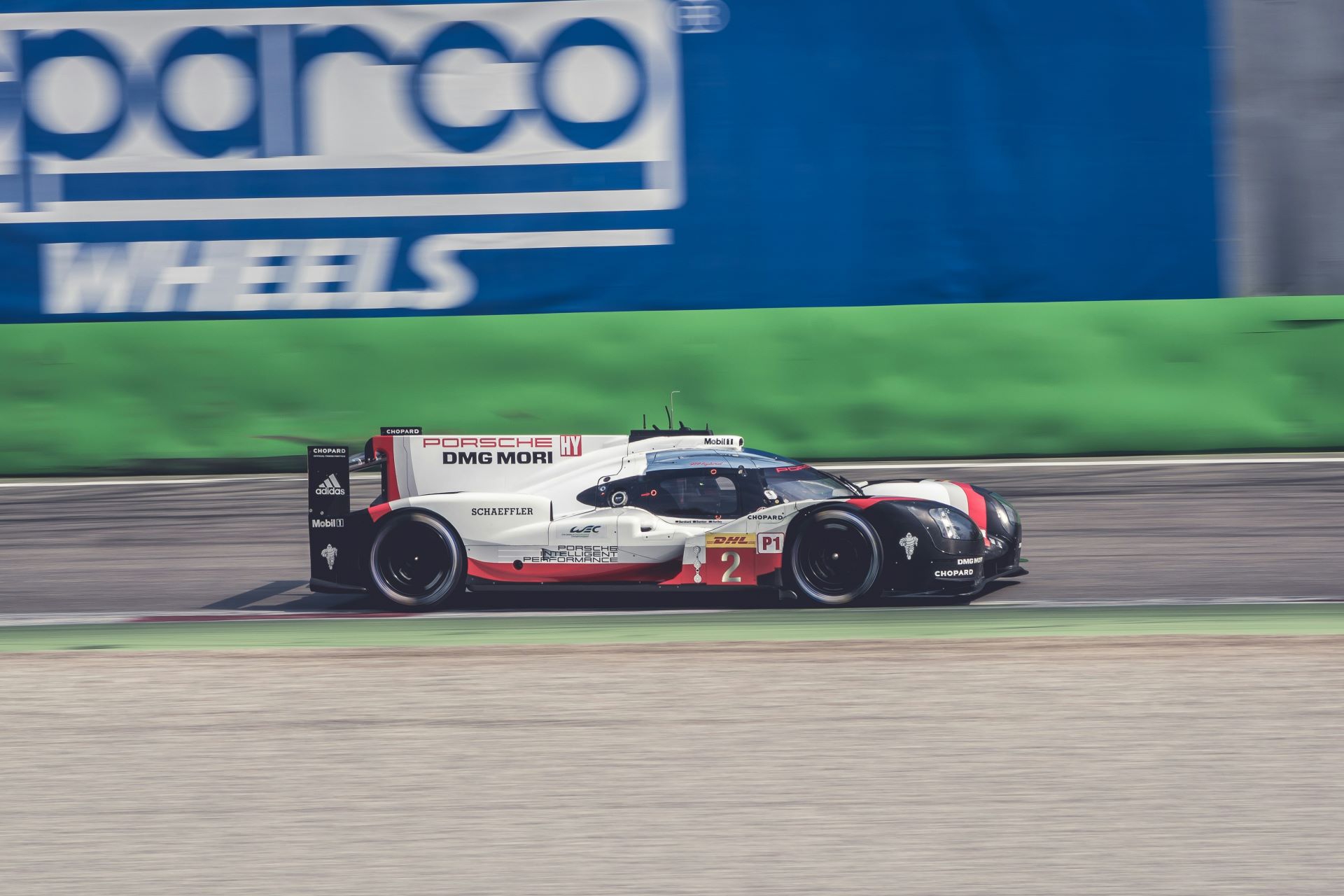
Leveraging Racing Heritage and Motorsport SuccessMany performance car brands have a deep connection to motorsport, and they use this heritage to fuel their marketing. Take Porsche, for instanceÔÇöthe brandÔÇÖs long-standing success in endurance racing, particularly in the 24 Hours of Le Mans, is a key pillar of their marketing. Car enthusiasts know that a Porsche isnÔÇÖt just a street car; itÔÇÖs a racing machine born on the track. By aligning their cars with motorsport success, brands not only elevate the perception of their vehicles but also tap into the competitive spirit of thrill-seekers who are eager to own a piece of that history.
Exclusive Partnerships and EndorsementsTo make their performance cars even more desirable, brands often collaborate with well-known personalities or influencers in the automotive world. Whether itÔÇÖs a partnership with a top Formula 1 driver or a collaboration with a famous movie franchise, these endorsements serve to build credibility and desirability. Think of the tie-ins between James Bond and Aston Martin, or the highly publicized relationships between Ferrari and celebrity owners. These partnerships elevate the allure of performance cars, giving them a sense of exclusivity that appeals to the thrill-seeker's need for uniqueness.
Leveraging Social Media and Digital Platforms
In todayÔÇÖs digital world, traditional advertising alone is no longer enough. Car brands are increasingly turning to social media and digital platforms to engage with their target audience. The rise of social media influencers has created new opportunities for performance car brands to showcase their vehicles in a more authentic, relatable manner.
Influencers and User-Generated ContentCar brands have begun working closely with automotive influencers to showcase their vehicles in real-world settings. These influencers provide behind-the-scenes looks at the carÔÇÖs performance, taking it for a spin on winding roads or bringing it to exclusive events. This type of marketing is effective because itÔÇÖs less polished and more relatable, helping to create a sense of authenticity.
Virtual Tours and Interactive ExperiencesWith the help of virtual reality and augmented reality, car brands are offering prospective buyers the chance to interact with performance cars in a digital space. Virtual tours allow users to explore a carÔÇÖs design, features, and capabilities from the comfort of their own homes. These platforms also provide an avenue for car brands to host live events, such as virtual test drives, where potential buyers can engage with the brand in real-time.
Real-Time Interaction and Community BuildingSocial media platforms like Instagram, Twitter, and YouTube allow car brands to build communities around their performance cars. By posting interactive contentÔÇöwhether itÔÇÖs live streams from a race event or real-time Q&A sessions with engineersÔÇöbrands create a sense of belonging among their followers. These platforms allow thrill-seekers to feel directly connected to the brand, making them more likely to engage and, ultimately, invest in the vehicle.
Product Positioning and Branding
The positioning of a performance car is crucial in determining its appeal to the thrill-seeker audience. ItÔÇÖs not just about the carÔÇÖs performance specsÔÇöitÔÇÖs about creating a narrative that resonates with the target audience.
Design and InnovationThe design of a performance car is often a reflection of its capability. Sleek, aggressive lines and aerodynamic features are a visual representation of the carÔÇÖs speed and precision. Brands like McLaren and Lamborghini position their cars as not just fast machines, but as pieces of art, marrying cutting-edge technology with aesthetic brilliance. The use of lightweight materials, advanced suspension systems, and state-of-the-art engines further emphasizes the car's performance capabilities.
Technology and FeaturesThrill-seekers are drawn to performance cars that showcase the latest in automotive innovation. Brands that incorporate advanced technology, like adaptive suspension systems, variable torque vectoring, and electric propulsion systems, appeal to this audience by offering not just speed, but a dynamic and responsive driving experience.
Overcoming ChallengesWhile the allure of performance cars is undeniable, positioning them in the market comes with challenges. Brands must strike a delicate balance between luxury, performance, and exclusivity, without alienating mainstream buyers. Successful brands overcome this by creating a tiered approach to their product lineup, offering both high-end, elite models for the truly discerning buyer and more accessible options for the enthusiast with a tighter budget.
Case Studies
Porsche 911 TurboPorscheÔÇÖs marketing of the 911 Turbo focuses heavily on the carÔÇÖs motorsport pedigree and timeless design. Through a combination of track events, exclusive driving experiences, and endorsements from motorsport icons, Porsche has cemented the 911 as a symbol of automotive excellence. Their marketing campaigns often highlight the car's unrivaled performance on both the track and the open road.
Ford Mustang Shelby GT500The Shelby GT500ÔÇÖs marketing targets performance car enthusiasts with a focus on raw, American muscle. FordÔÇÖs use of action-packed commercials, celebrity endorsements, and motorsport heritage plays a significant role in its success. The brandÔÇÖs nostalgic connection to the golden age of muscle cars also adds an emotional layer that resonates with thrill-seekers.
Future Trends and Innovations
As electric performance vehicles gain traction, brands are adjusting their marketing strategies to highlight not only the environmental benefits but also the thrilling performance these cars offer. With innovations in battery technology and electric drivetrains, brands like Tesla and Rimac are positioning their electric cars as the next frontier of performance.

Marketing performance cars to thrill-seekers is an art formÔÇöone that involves more than simply showcasing specs and features. ItÔÇÖs about understanding the emotional triggers that drive this unique audience, and creating an experience that appeals to their primal instincts for speed and excitement. As the market evolves, car brands will continue to push boundaries, adapting their strategies to cater to a new generation of thrill-seekers.
Call to Action
What marketing elements drew you to your favorite performance car? Share your thoughts and experiences with us on social media or in the comments below!
Breyten Odendaal
Specializing in high-performance automotive advertising and digital marketing solutions, delivering cutting-edge insights and the latest news shaping the automotive industry in South Africa.
More From Advertising

Automotive Advertising in 2026: Selling Confidence in a More Competitive Market
As South Africa’s vehicle market becomes more competitive, automotive advertising needs to do more than announce a price or specification. It needs to help buyers understand value, ownership costs and why a vehicle suits their lives.

Automotive Digital Ads in South Africa: A Shift
Exploring how South Africa’s automotive advertising evolved from print and broadcast to data-driven, programmatic digital ecosystems.

The Video Shift in Car Buying Decisions in SA
Explore how video content shapes car purchase decisions in South Africa, comparing short-form and long-form strategies for automotive marketers.