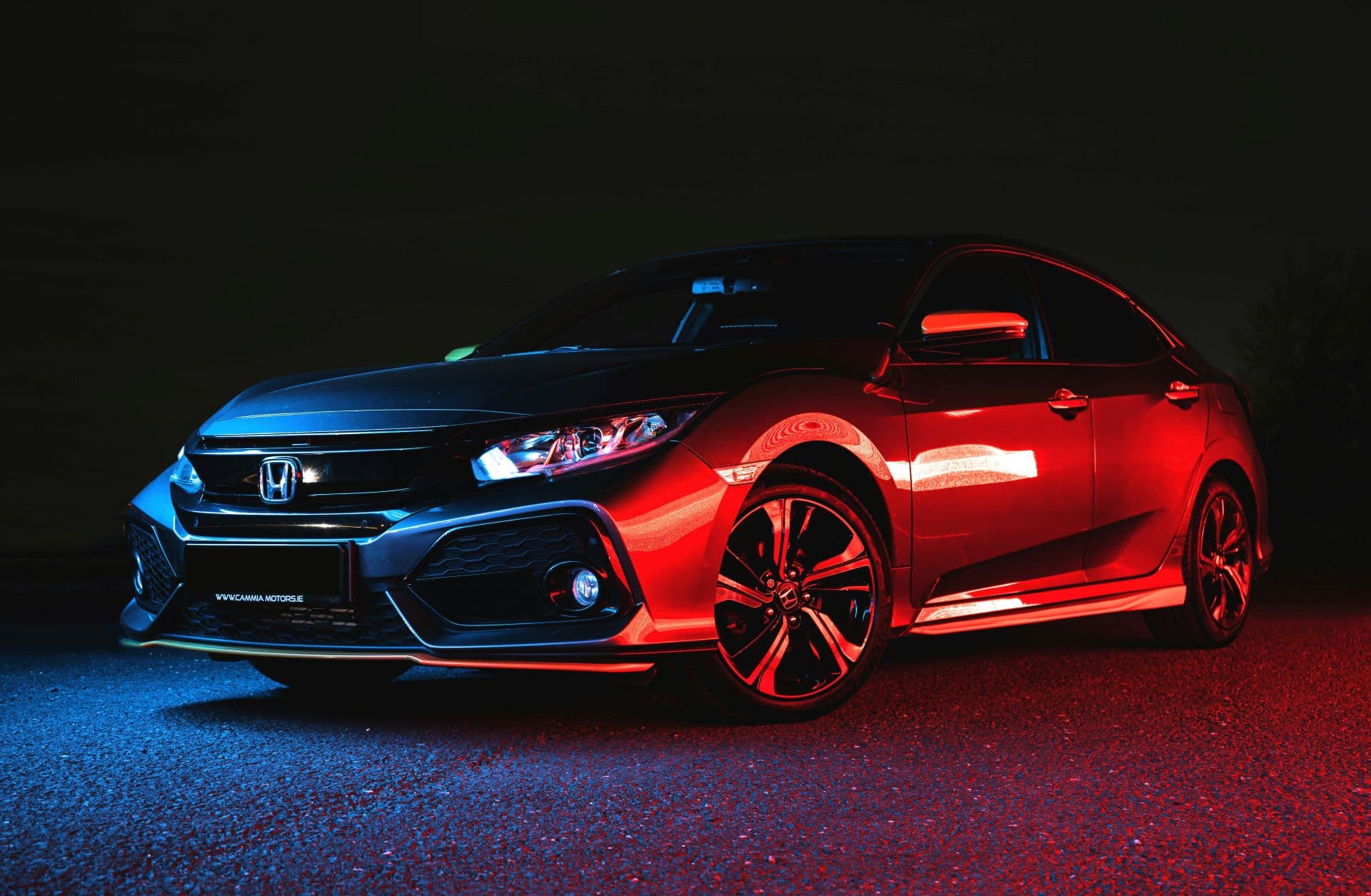
In an age where the automotive industry continuously evolves, advertising has become one of the most powerful tools in shaping consumer behavior. From sleek visuals to heart-racing action, automotive ads are designed not just to showcase a car but to ignite an emotional connection between the consumer and the brand. But what exactly is behind the success of these ads? How do they influence our decision-making process and ultimately drive us to purchase that new vehicle? This article takes an in-depth look at the dynamic world of automotive advertising and explores the psychological, technological, and media-driven factors that steer consumer decisions.
For both consumers and marketers, understanding how advertising impacts the automotive industry is crucial. Consumers can become more aware of the strategies used to shape their preferences, while marketers can fine-tune their campaigns to resonate with the target audience. By dissecting the techniques that drive consumer choices, this article provides key insights into the intricate relationship between automotive ads and purchasing decisions.
The Power of Automotive Advertising
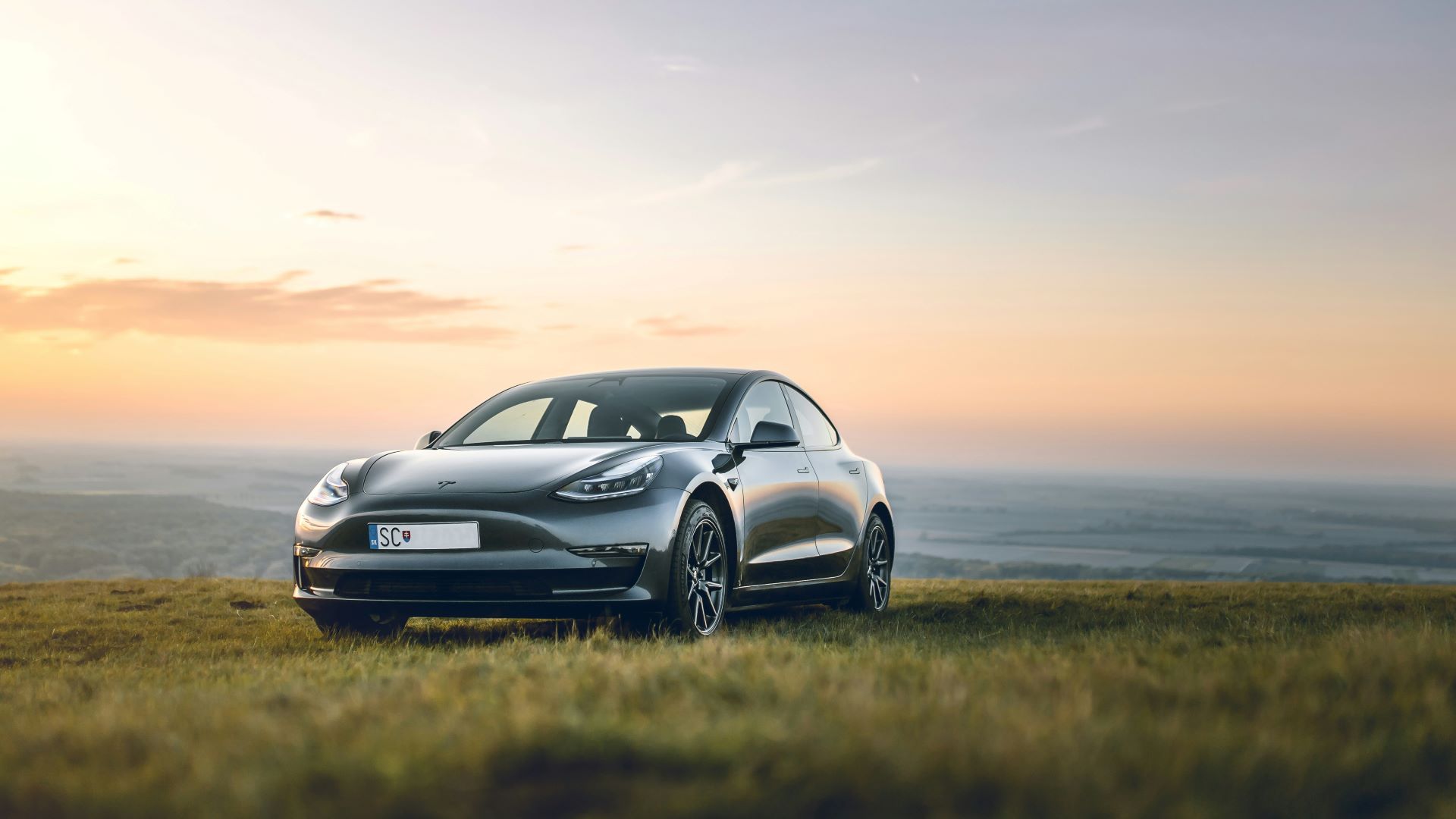
Automotive advertising has long been a cornerstone of brand building and consumer engagement. Unlike other industries, cars represent more than just a productÔÇöthey symbolize freedom, status, and lifestyle aspirations. As such, the automotive sector's approach to advertising has become an art in itself, employing a diverse mix of media channels and strategies to create lasting impressions.
From the glossy pages of magazines to the high-definition digital ads that pop up on our smartphones, automotive ads come in many shapes and sizes. Yet, their ultimate goal is always the same: to create an emotional connection that prompts a purchase. Whether it's the visual allure of a luxury sedan cruising through a sun-drenched landscape or the thrill of a sports car tearing down a race track, these advertisements do more than showcase featuresÔÇöthey tell a story. A story that connects with consumersÔÇÖ deepest desires, fostering a sense of ownership and belonging.
One iconic example of the diverse strategies used in automotive advertising is the range of mediums in which they appear. Print ads still capture attention with their captivating images, while digital platforms are increasingly becoming the go-to space for campaigns. Online video ads, social media engagements, and interactive websites allow automotive brands to engage directly with consumers, all while collecting invaluable data on consumer behavior. This variety of touchpoints has given automotive ads unparalleled influence, making them one of the most powerful forms of advertisement in todayÔÇÖs media landscape.
Psychological Triggers in Automotive Advertising
A closer look into automotive ads reveals an arsenal of psychological triggers designed to motivate consumers. These ads donÔÇÖt simply highlight a car's horsepower or safety featuresÔÇöthey tap into emotions, status, and the pursuit of a better lifestyle. By understanding the underlying psychological factors, we can begin to see why these ads are so compelling.
One of the most prominent psychological triggers in automotive advertising is emotion. Think of the last car commercial you sawÔÇödid it make you feel excited, happy, or nostalgic? Brands strategically use emotional appeals to create a connection that extends beyond the car itself. Take ToyotaÔÇÖs "Start Your Impossible" campaign, which humanizes the brand by pairing inspiring stories of athletes overcoming adversity with images of their vehicles. This emotional appeal goes beyond selling a car; it sells a dream of possibility and achievement.
Then thereÔÇÖs the concept of status. Owning a luxury car often signifies more than just a mode of transport; itÔÇÖs a symbol of success. BMW, for instance, uses aspirational imagery in its ads, showing affluent individuals behind the wheel of their meticulously crafted vehicles. The carefully curated visuals evoke a sense of prestige, which speaks to consumers' desire for social recognition and success.
Finally, lifestyle plays a significant role in automotive advertising. Companies like Jeep focus on showcasing the outdoor adventures one can experience in their cars, effectively turning their vehicles into keys to an exciting lifestyle. This technique doesnÔÇÖt just sell a car; it sells a way of life. Consumers are not just buying a productÔÇötheyÔÇÖre buying into a narrative, one that aligns with their personal desires and aspirations.
The success of these campaigns is evident. For example, AudiÔÇÖs "Vorsprung Durch Technik" campaign, with its tagline "Advancement through Technology," speaks to those who aspire to be at the forefront of innovation. The emotional connection to high performance, sophistication, and exclusivity creates a strong bond between the brand and the consumer. This use of psychological triggers allows automotive ads to resonate deeply, encouraging consumers to form long-lasting brand loyalty.
Impact of Media and Technology on Automotive Ads
The digital revolution has brought about significant changes in the way automotive ads are created, distributed, and consumed. The increasing reliance on social media has allowed brands to target highly specific audiences with precision. Platforms like Instagram, Facebook, and YouTube offer an opportunity to engage with consumers directly, using video ads, influencer partnerships, and user-generated content.
The rise of influencer marketing has also played a huge role in shaping consumer decisions. With social media personalities and automotive influencers sharing their experiences with vehicles, potential buyers gain an authentic perspective that is often seen as more relatable and trustworthy than traditional ads. Brands like Ford and Nissan have tapped into this by working with influencers who review their cars, showcasing the vehicles in real-world situations that speak to the everyday consumer.
Furthermore, targeted advertising has revolutionized how ads reach potential customers. With the help of algorithms, brands can deliver personalized advertisements based on a userÔÇÖs browsing history, preferences, and location. Imagine browsing for a new car online, only to see tailored ads for the exact models you were looking at. This level of personalization increases the likelihood of purchase by addressing individual needs and desires.
Emerging technologies such as augmented reality (AR) and virtual reality (VR) are also transforming automotive advertising. Brands like Audi and Mercedes-Benz have embraced these technologies, allowing consumers to interact with their cars in virtual spaces. Through AR and VR, potential buyers can experience the interior and exterior of a vehicle in immersive, highly detailed ways. This technology not only enhances engagement but also shortens the buyerÔÇÖs decision-making process, as they are able to explore every facet of the car before setting foot in a dealership.
Real-World Case Studies
To further understand how automotive ads influence consumer behavior, letÔÇÖs dive into some case studies of successful campaigns. One such campaign is VolkswagenÔÇÖs "The Force" ad, which aired during the Super Bowl in 2011. Featuring a young child dressed as Darth Vader attempting to use "The Force" on a VW Passat, this commercial captured millions of viewersÔÇÖ hearts and minds. Its emotional appeal, light-hearted humor, and memorable narrative led to a significant increase in car sales, demonstrating the power of a well-executed ad that taps into family values, nostalgia, and humor.
Another notable example is HondaÔÇÖs "The Cog" campaign, which used the concept of a chain reaction to showcase the precision engineering behind the brandÔÇÖs vehicles. The ad was a technical marvel, and its focus on the mechanics and innovation behind Honda cars resonated with consumers who valued quality and craftsmanship. The ad's success was quantified not just by an increase in sales but by a significant rise in brand perception, as consumers began associating Honda with precision, technology, and excellence.
Moreover, TeslaÔÇÖs minimalist advertising approach has been highly effective in shaping consumer behavior. Rather than spending large sums on traditional ads, Tesla relies on the power of word-of-mouth, social media, and direct engagement with its community. CEO Elon MuskÔÇÖs social media presence and TeslaÔÇÖs ability to generate buzz through product launches and media coverage have created a cult-like following. This shows that a less conventional approach can be just as impactful, if not more so, when targeting a tech-savvy and environmentally-conscious audience.
Challenges and Criticisms of Automotive Advertising
Despite its effectiveness, automotive advertising faces several challenges and criticisms. Sustainability has become a significant concern, particularly with the growing awareness of environmental issues. Brands are now expected to showcase eco-friendly practices and offer greener alternatives. Advertisers are being called upon to highlight the eco-conscious technologies and sustainability of their vehicles, such as electric cars and hybrid models, to stay relevant in a rapidly changing world.
Another challenge is diversity. Automotive ads have been criticized for their portrayal of stereotypical gender roles and a lack of diversity. In recent years, however, many brands have begun to embrace more inclusive campaigns. Companies like Ford and Chevrolet have made strides in showcasing diverse families, genders, and ethnicities, breaking away from the outdated images of car ownership.
Additionally, misleading messaging can also be a problem in automotive advertising. Some campaigns have faced scrutiny for exaggerated claims regarding fuel efficiency, performance, and safety features. As consumers become more informed, they demand transparency and authenticity from brands, making it essential for advertisers to be truthful in their messaging.
The Future of Automotive Advertising
The future of automotive advertising looks incredibly exciting, thanks to the ever-advancing technology landscape. Expect to see even more immersive experiences with the help of virtual reality and augmented reality, offering consumers the chance to explore vehicles in entirely new ways. Artificial intelligence will likely play a major role in personalizing ads even further, predicting consumer preferences with remarkable accuracy. With automated driving technologies and smart car innovations, the future of automotive advertising will increasingly blur the lines between technology, mobility, and lifestyle.
Moreover, customization will be a key factor. As brands look to connect with consumers on a deeper level, expect to see more personalized campaigns that cater to individual tastes, interests, and values. This shift towards highly tailored advertising will empower consumers to see themselves reflected in the brands they support, driving both engagement and loyalty.
Automotive advertising is a dynamic and powerful force in shaping consumer behavior. By tapping into emotions, status, and lifestyle aspirations, brands create compelling stories that drive purchasing decisions. With advancements in media, technology, and personalization, automotive ads are becoming more engaging and effective than ever before. The future of automotive advertising promises even more exciting innovations, as brands continue to push boundaries to connect with consumers on a deeper level. As consumers, we now have an unprecedented level of insight into the strategies behind these campaigns, allowing us to make more informed decisions and ultimately enjoy a richer, more personalized car-buying experience.
Breyten Odendaal
Specializing in high-performance automotive advertising and digital marketing solutions, delivering cutting-edge insights and the latest news shaping the automotive industry in South Africa.
More From Advertising

Automotive Advertising in 2026: Selling Confidence in a More Competitive Market
As South Africa’s vehicle market becomes more competitive, automotive advertising needs to do more than announce a price or specification. It needs to help buyers understand value, ownership costs and why a vehicle suits their lives.

Automotive Digital Ads in South Africa: A Shift
Exploring how South Africa’s automotive advertising evolved from print and broadcast to data-driven, programmatic digital ecosystems.

The Video Shift in Car Buying Decisions in SA
Explore how video content shapes car purchase decisions in South Africa, comparing short-form and long-form strategies for automotive marketers.