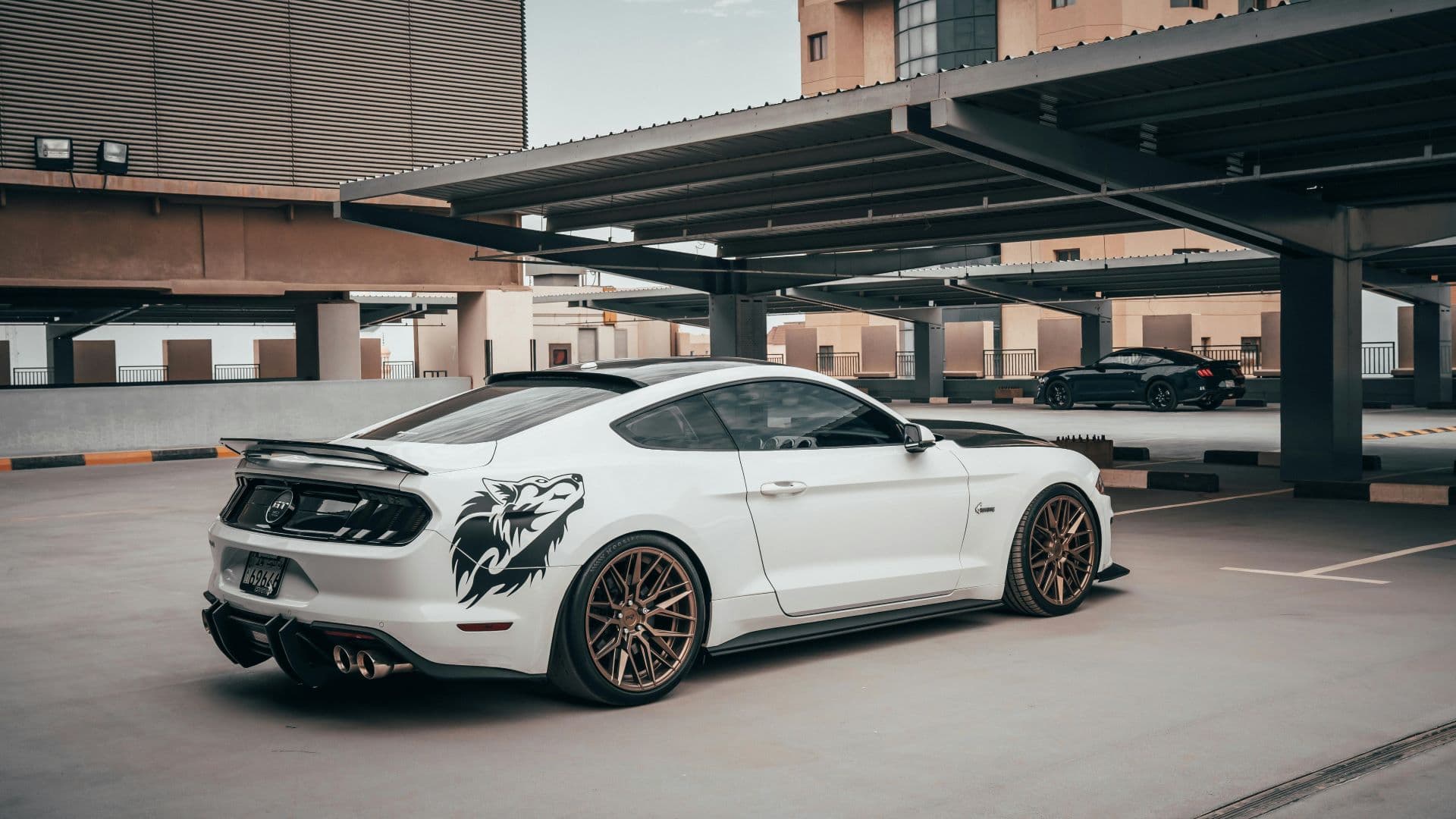
The New Path From Screen to Showroom Floor
The modern car buying journey rarely begins under fluorescent showroom lights. Instead, it starts with a quiet search box glowing in the early hours of the morning while a potential customer weighs their options over coffee.
Dealerships that understand this behavioural shift treat their websites not as digital brochures, but as traffic engines. The goal is not merely to attract clicks but to transform curiosity into physical movement. Online and physical retail are no longer separate spheres in automotive marketing. They are two stops along the same journey, connected by intention, convenience, and trust.
When people search for vehicles today, they are researching price, reliability, financing options, and dealer reputation long before they consider visiting a showroom. A dealership website must therefore act like a welcoming concierge rather than a static advertisement. It should answer questions, remove uncertainty, and gently guide visitors toward the next logical step, which is often a visit to the physical dealership.
The relationship between online browsing and showroom traffic is built on psychology as much as technology. Visitors want to feel informed before committing time to travel. They want reassurance that the vehicle they are considering is actually available, priced correctly, and supported by a trustworthy team.
In South AfricaÔÇÖs competitive automotive environment, dealerships that ignore this behavioural bridge risk losing customers to competitors who make the journey feel effortless. The future belongs to dealers who can convert digital attention into real-world footsteps without forcing the customer through awkward or overly aggressive sales funnels.
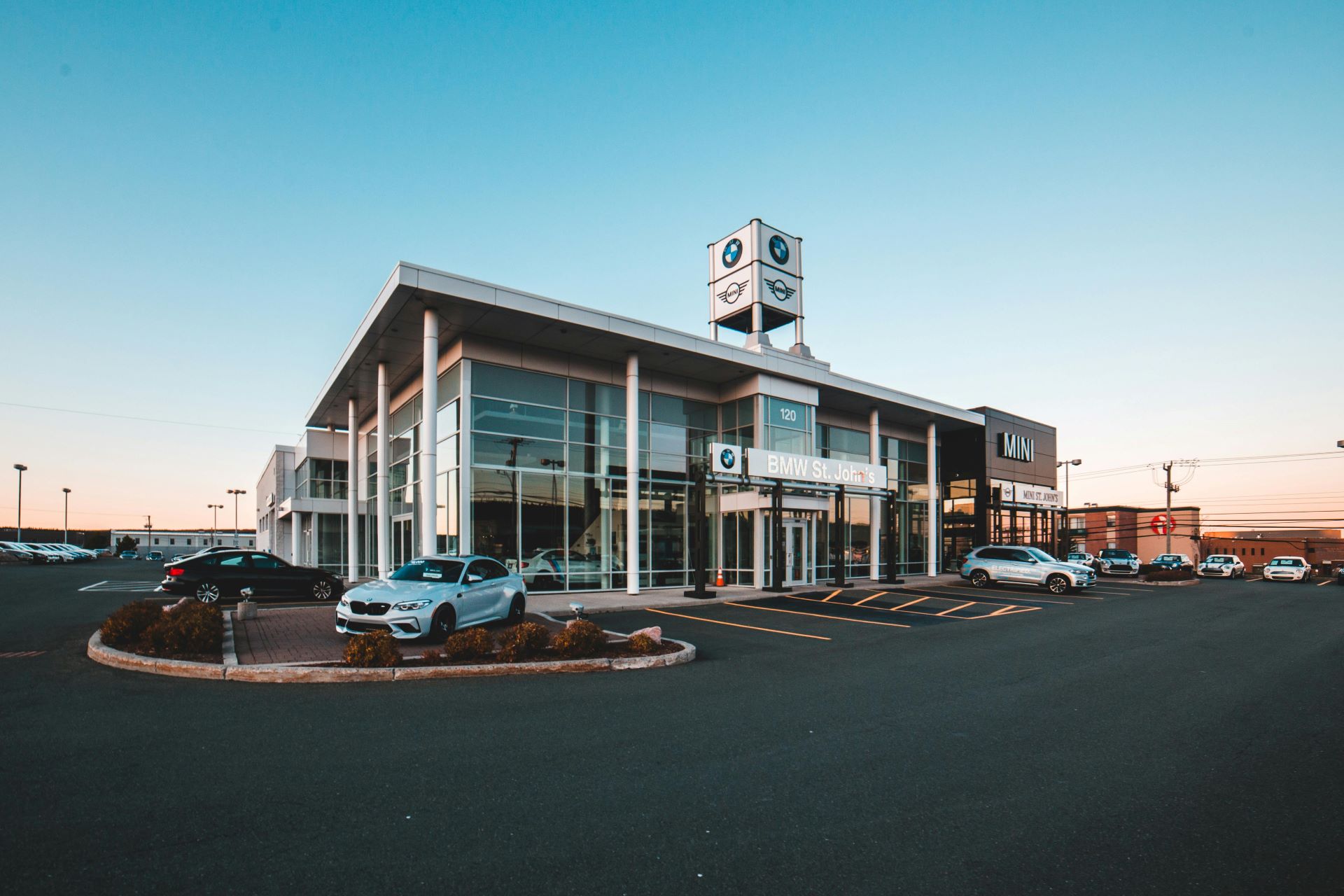
Understanding the Modern Car BuyerÔÇÖs Search Behaviour
Car buyers rarely follow a straight line from interest to purchase. Instead, they move in loops, revisiting information, comparing models, and checking reviews before feeling confident enough to visit a dealership.
The first stage is awareness. At this point, the buyer may not even have decided on a specific vehicle. They might search for fuel efficiency, family space, or affordability ranges. Dealership websites must capture this early curiosity by hosting content that answers practical questions rather than only showcasing inventory.
The second stage is evaluation. Here, the visitor is comparing specific brands or models. Detailed vehicle pages become important. These pages should include high-quality images, clear pricing structures, financing examples, and realistic delivery expectations.
The third stage is confidence building. This is where walk-in traffic is born. Customers begin asking themselves whether visiting the dealership is worth the effort. They look for signs that the dealership is professional, responsive, and customer-focused.
Small signals matter enormously. A working chat function, visible contact numbers, and clear location maps can make the difference between a visitor closing the browser or planning a physical visit.
Car buyers also value transparency. Hidden costs, vague pricing, and incomplete vehicle descriptions are major deterrents. When websites provide honest, detailed information, they reduce perceived risk. Lower risk perception translates directly into higher willingness to travel to the dealership.
Seasonality also influences behaviour. Towards the end of the month, or during promotional periods, buyers tend to be more action-oriented. Marketing campaigns should align website messaging with these behavioural peaks by highlighting time-sensitive offers that encourage immediate showroom visits.
Designing Websites That Feel Like an Invitation
A dealership website should feel like opening the doors of a polished showroom before the customer even steps outside their home.
Visual hierarchy plays a crucial role. The first thing a visitor should notice is the vehicle, followed by price or value proposition, and then the path toward contact or location information. Confusing layouts create hesitation. Simplicity builds confidence.
High-resolution vehicle imagery is not a luxury; it is a necessity. Customers want to imagine themselves sitting in the driverÔÇÖs seat, touching the steering wheel, and inspecting the dashboard. Multiple angle views, interior shots, and optional feature demonstrations help build emotional connection.
Video content is even more powerful. Short walkthrough videos allow potential buyers to experience the vehicle almost physically. Walkthroughs should focus on practical ownership experience rather than technical specifications alone.
Another important element is fast loading speed. A slow website feels like a neglected showroom with a locked front door. Modern users expect pages to load within seconds, especially on mobile devices where many automotive searches now occur.
Mobile optimisation deserves special attention. Many customers research vehicles during commuting hours or while waiting between daily tasks. If the mobile version of a dealership website feels cramped or difficult to navigate, walk-in conversion opportunities disappear silently.
Clear call-to-action prompts are essential. Phrases such as ÔÇ£View This Vehicle in Our ShowroomÔÇØ or ÔÇ£Book a Test Drive TodayÔÇØ are more effective than generic contact buttons. The language should imply movement toward experience rather than administrative communication.
Even the colour psychology of buttons and layout spacing can influence behaviour. Bright, attention-grabbing action buttons placed near vehicle images help shorten the decision pathway.
Local SEO and Geographic Visibility
Dealerships operate within physical territories. Unlike e-commerce brands that can sell nationwide without location constraints, automotive retailers depend heavily on local customer presence.
Search engines prioritise location relevance when users search for vehicles near them. Maintaining accurate business information across digital directories therefore becomes critical.
The dealership address, operating hours, and contact numbers must be consistent everywhere they appear online. Small discrepancies can confuse search algorithms and reduce visibility in local search results.
Map integration on the website is another powerful conversion tool. When customers can instantly see the dealership location relative to their own neighbourhood, the psychological barrier of travel distance shrinks.
Content that references local roads, suburbs, or common commuting routes also improves local search performance. For example, discussing vehicle ownership benefits for urban commuting conditions or regional driving patterns helps signal geographic relevance.
Customer reviews should be actively managed. Positive testimonials mentioning in-person service experiences encourage new visitors to trust the dealership enough to make the trip.
South African buyers are particularly sensitive to trust signals because vehicle purchases represent significant financial commitments. Authentic reviews, especially those mentioning staff friendliness, after-sales service, and transparent pricing, help reinforce the dealershipÔÇÖs credibility.
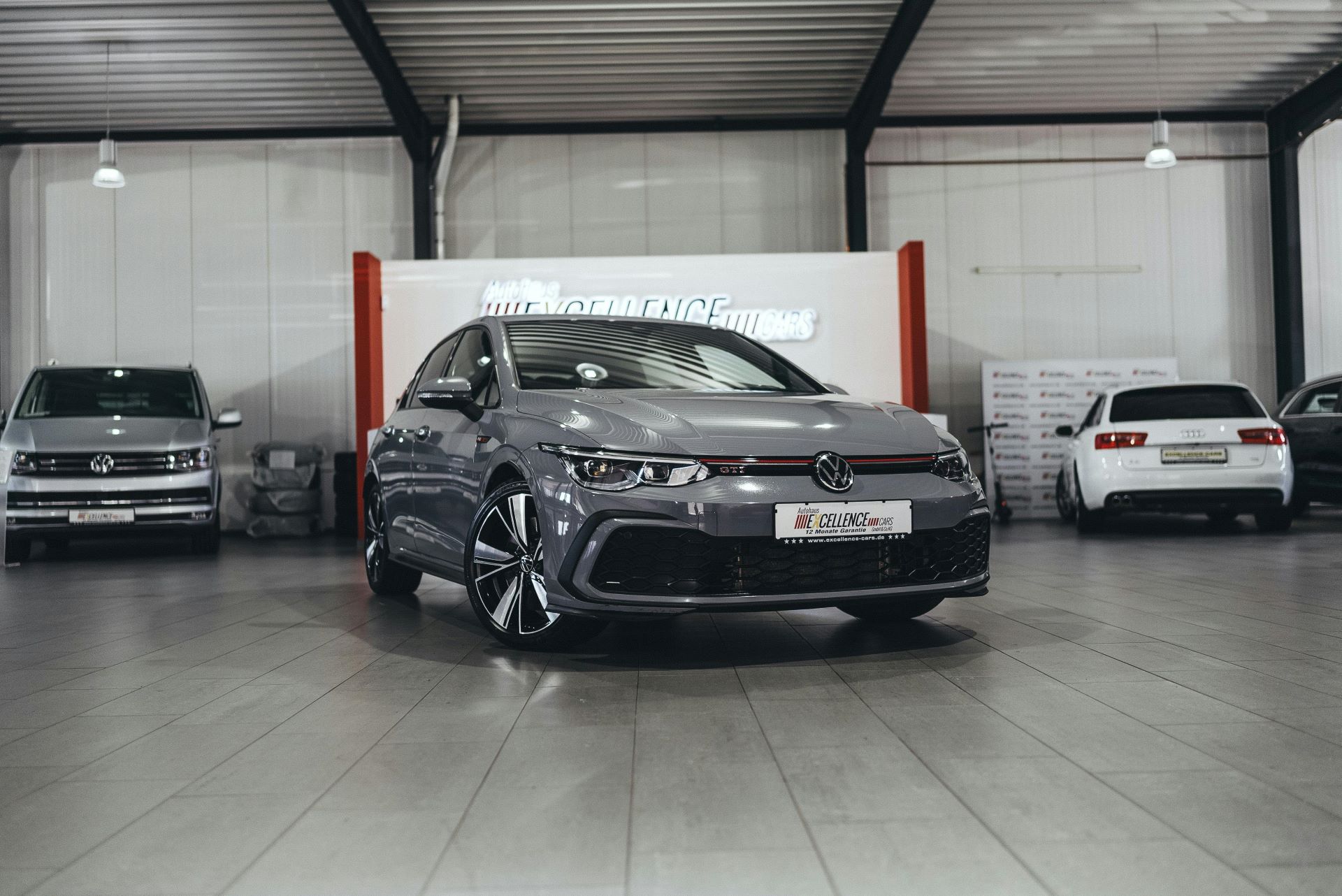
Digital Advertising That Sends People Through the Door
Many dealerships make the mistake of measuring advertising success purely by website clicks. However, the real performance metric should be showroom visits.
Advertising campaigns should be designed with physical conversion in mind.
Search advertising works well for capturing buyers who already intend to purchase. For example, targeting keywords related to specific models available at the dealership increases the likelihood that visitors are closer to the buying decision.
Display advertising can be used to create awareness, but it should include location reminders. Ads that highlight proximity such as ÔÇ£Your Next Vehicle Is Just 10 Minutes AwayÔÇØ help reinforce the idea that visiting the showroom is convenient.
Social media advertising is particularly effective for automotive marketing because it allows storytelling. Instead of simply showing vehicles, dealerships can showcase customer experiences, staff introductions, and behind-the-scenes preparation of vehicles.
Promotional campaigns should always include a physical action trigger. Examples include limited-time test drive events, weekend showcase days, or in-person financing consultation sessions.
The messaging should emphasise experience rather than product. People do not visit dealerships because they want metal and glass. They visit because they want certainty, excitement, and human guidance.
Geo-targeted advertising also helps reduce wasted marketing spend. By focusing ads on users located within practical driving distance, dealerships can increase the probability of walk-in traffic.
Appointment Booking as the Bridge Between Online and Physical Visits
Appointment booking systems act like digital doorways leading directly into the showroom.
Some customers prefer planning their visit rather than walking in spontaneously. Online booking removes anxiety about waiting times or staff availability.
Booking interfaces should be simple and fast. Customers should be able to choose vehicle models, preferred dates, and consultation types within a few clicks.
Automated confirmation messages help reinforce commitment. When customers receive a confirmation SMS or email, the visit becomes psychologically real rather than hypothetical.
Offering specialised appointment categories can further improve conversion. For example, test drive appointments, financing discussions, and trade-in evaluations each attract slightly different customer motivations.
Sales staff should be prepared before the customer arrives. Knowing the customerÔÇÖs vehicle interest and background information allows the consultation to feel personalised rather than generic.
Missed appointments are inevitable, but follow-up communication can recover some lost opportunities. A polite reminder message or alternative time suggestion shows professionalism and care.
The appointment system should also integrate with inventory management. If a vehicle is sold before the customer arrives, frustration will damage trust and reduce future visits.
Retargeting Website Visitors Into Physical Customers
Not every visitor is ready to visit a dealership immediately. Many need time to compare options or discuss the decision with family members.
Retargeting advertising allows dealerships to remain visible during this reflection period.
Visitors who viewed specific vehicle pages can be shown personalised advertisements featuring those same vehicles. This reminds them of their earlier interest without feeling intrusive.
The tone of retargeting campaigns should be helpful rather than aggressive. Messages such as ÔÇ£Still thinking about this model? Visit our showroom for a closer lookÔÇØ feel more respectful than urgent sales pressure.
Email marketing also plays a role in conversion recovery. Sending helpful information such as maintenance tips, financing explanations, or upcoming dealership events keeps the brand present in the buyerÔÇÖs mind.
Dynamic content can make retargeting more intelligent. For instance, if a visitor viewed a family SUV, advertisements should not later promote unrelated sports cars.
Timing is important. Retargeting frequency should be balanced to avoid customer fatigue. Gentle persistence works better than digital shouting.
Measuring Online-to-Showroom Conversion Performance
Marketing success should be measured by how effectively online interest becomes physical engagement.
Dealerships must track which website pages generate appointment bookings and which advertising channels lead to showroom visits.
Call tracking technology can help determine whether customers are contacting the dealership after viewing online content.
Unique promotion codes offered online and redeemed in person provide another method of measuring digital-to-physical conversion.
Staff feedback is surprisingly valuable. Sales teams can report how often customers mention seeing vehicles online before visiting the showroom.
Return on marketing investment should not be calculated purely on website traffic. The more meaningful metric is customer lifetime value generated through the combination of digital attraction and physical sales completion.
Data analysis allows dealerships to refine campaigns continuously. If a particular model page consistently generates appointments, that insight can guide future advertising and inventory planning.

Closing the Loop Between Digital Interest and Real Customer Experience
The most successful dealership websites are not the loudest. They are the most helpful.
They understand that modern car buyers are not rushing toward a purchase but walking along a path of information, trust, and emotional certainty.
Online marketing should never try to replace the physical showroom. Instead, it should act as a lighthouse guiding customers safely toward it through the sea of competing options.
When digital and physical experiences feel like parts of the same journey, dealership websites stop being marketing tools alone and become traffic engines that keep the showroom alive with real human conversations, test drives, and handshakes that complete the story of every vehicle purchase.
Breyten Odendaal
Specializing in high-performance automotive advertising and digital marketing solutions, delivering cutting-edge insights and the latest news shaping the automotive industry in South Africa.
More From Advertising

Automotive Advertising in 2026: Selling Confidence in a More Competitive Market
As South Africa’s vehicle market becomes more competitive, automotive advertising needs to do more than announce a price or specification. It needs to help buyers understand value, ownership costs and why a vehicle suits their lives.

Automotive Digital Ads in South Africa: A Shift
Exploring how South Africa’s automotive advertising evolved from print and broadcast to data-driven, programmatic digital ecosystems.

The Video Shift in Car Buying Decisions in SA
Explore how video content shapes car purchase decisions in South Africa, comparing short-form and long-form strategies for automotive marketers.