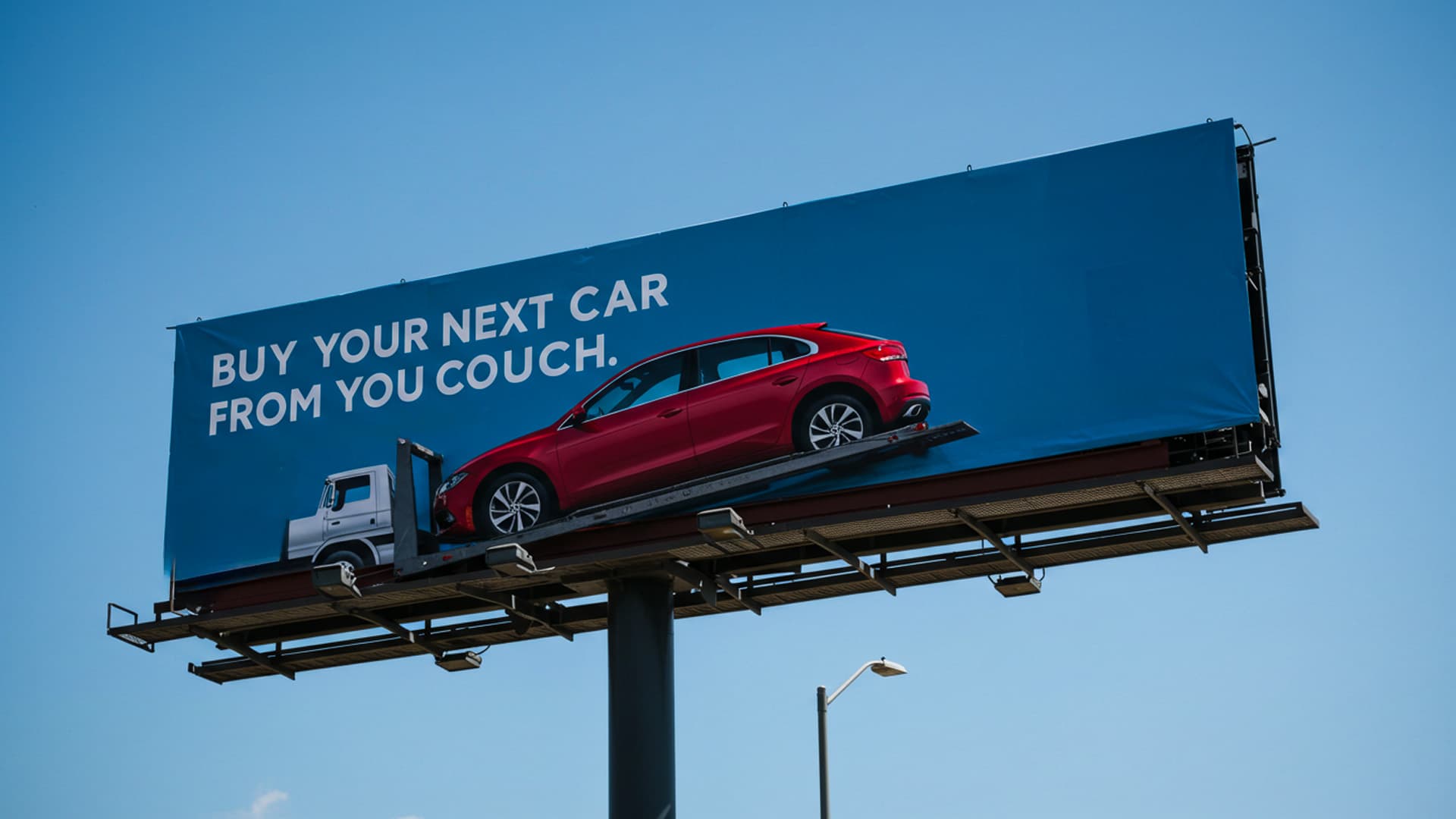
Charting the Decline of Static Advertising in a Digital Age
In an era when information is accessed with a few swift taps, the automotive industry finds itself at a crossroads between tradition and innovation. Billboards, once the towering beacons of brand messaging along highways and cityscapes, are gradually ceding ground to digital paradigms that captivate audiences in more targeted and interactive ways. This shift is not merely about changing technology but also reflects a profound transformation in consumer behaviors, expectations, and media consumption habits. As automotive advertisers recalibrate their strategies to harness data-driven insights and immersive experiences, the story of the fading traditional billboard serves as both a cautionary tale and a call to reinvention. The landscape is now replete with possibilitiesÔÇöfrom augmented reality to personalized digital out-of-home (DOOH) campaignsÔÇöthat promise to deliver messages with precision and impact, challenging the once-dominant static medium. The following sections delve into the nuances of this transformation, examining the forces behind the shift, the role of technological advancements, and the strategic adaptations that are reshaping automotive marketing in an increasingly digital world.
Evolving Consumer Behaviors and Shifting Media Landscapes
The Digital Shift in Audience Engagement
The emergence of digital channels has radically redefined how audiences engage with advertising messages, and this phenomenon is particularly evident in the automotive industry. As consumers navigate a world where mobile devices and social media platforms command unprecedented influence, traditional billboards are increasingly perceived as relics of a bygone era. Modern viewers crave immediacy, interactivity, and personalizationÔÇöa trifecta that digital media can deliver with finesse. For instance, an automotive brand that once relied on expansive billboard visuals is now integrating interactive QR codes and geo-targeted messaging into its campaigns, inviting consumers to explore features and offers in real time. This metamorphosis is akin to moving from a black-and-white silent film to a vibrant, high-definition digital experience, where every touchpoint can be dynamically tailored to an individualÔÇÖs journey. Advertisers are not only contending with the need for more agile messaging but also grappling with a cultural shift towards authenticity and engagement. The static billboard, though still capable of brand reinforcement on a macro scale, struggles to match the agility of digital interactions that facilitate immediate feedback and conversion. In this evolving arena, the question is no longer whether automotive brands should adapt to digital trends, but how swiftly and seamlessly they can transition from broad, unidirectional communication to multifaceted, interactive experiences that resonate with today's tech-savvy consumer.
Adding further complexity, the digital landscape offers an unprecedented depth of analytics and consumer insights that are reshaping how advertising strategies are formulated and executed. Marketers now have access to detailed metrics on viewer engagement, time spent on digital content, and behavioral trends that allow for rapid adjustments to campaign strategies. This data-driven approach fosters an environment where every marketing dollar is allocated with surgical precision, ensuring that each interaction is measured, optimized, and aligned with consumer expectations. The traditional billboard, by contrast, is a static artifact whose impact is difficult to quantify beyond basic exposure metrics. As automotive brands pursue more dynamic advertising strategies, the emphasis has shifted towards creating immersive narratives that bridge the gap between physical presence and digital interaction. The transition represents a broader cultural and operational shift in advertising, one where static visuals give way to continuously evolving digital canvases, capable of adapting to the moment and delivering bespoke content that mirrors the multifaceted nature of contemporary consumer behavior.
From Static to Dynamic: A New Advertising Paradigm
The evolution from static billboards to dynamic digital displays encapsulates a dramatic reimagining of advertising paradigms within the automotive sector. Traditional billboards, with their unchanging imagery and fixed messaging, once served as powerful symbols of brand dominance along busy thoroughfares. However, in todayÔÇÖs fast-paced environment, the rigidity of such formats is increasingly at odds with consumer expectations for engagement and interaction. As the digital revolution permeates every facet of communication, automotive advertisers are now leveraging dynamic displays that not only capture attention but also adapt content in real time based on contextual factors such as location, weather, and audience demographics. Imagine a scenario where a digital billboard transforms from showcasing a sleek sedan on a crisp winter day to highlighting the robust features of an all-wheel-drive vehicle during inclement weatherÔÇöthis level of responsiveness exemplifies the profound shift toward intelligent, context-aware advertising. The capability to morph messaging instantaneously and interactively bridges the gap between passive viewing and active participation, inviting consumers to engage with the brand on a much deeper level.
Beyond the technical marvels of digital transformation, this paradigm shift also redefines the narrative that automotive brands wish to communicate. The storytelling element, once confined to a static canvas, now embraces a fluid, evolving narrative that can be tailored to diverse audience segments. This transition is not merely a superficial update; it is a fundamental rethinking of how brands connect with consumers in a hyper-connected world. With the ability to integrate live data feeds, social media interactions, and even user-generated content into their displays, brands are forging a more intimate dialogue with potential buyers. This dynamic interplay of technology and creativity has resulted in campaigns that are as much about community engagement and experience as they are about the product itself. In this brave new world, automotive advertisers are required to be as agile and adaptable as the technologies they deploy, reimagining their strategies to create a resonant, continuously evolving narrative that speaks directly to the modern consumerÔÇÖs needs and aspirations.

Technological Advancements Reshaping Visibility
The Rise of Data-Driven Strategies
Data has emerged as the lifeblood of contemporary advertising, fundamentally transforming how automotive brands approach their market outreach. With advancements in analytics, machine learning, and real-time monitoring, marketers are now armed with insights that allow them to understand and predict consumer behavior with remarkable accuracy. In this environment, traditional billboardsÔÇöwith their inherent limitations in tracking and responsivenessÔÇöhave become less appealing compared to digital platforms that offer granular visibility into campaign performance. Automotive advertisers can now harness detailed data sets to tailor content, optimize ad placements, and even adjust messaging based on immediate feedback from digital channels. This shift mirrors a broader trend in marketing, where data-driven strategies are supplanting intuition-based decisions, yielding higher engagement rates and improved return on investment. The process is analogous to upgrading from a rudimentary compass to a sophisticated GPS system that not only maps the terrain but also adapts to real-time conditions and recalculates routes as needed. As a result, brands that once invested heavily in static billboard placements are now reallocating resources to platforms that enable continuous optimization and precise audience targeting.
The integration of data analytics into advertising strategies has revolutionized the way automotive brands plan their campaigns. By analyzing patterns in consumer behavior, geographic location, and even weather conditions, marketers can now deliver bespoke content that resonates with specific audience segments at optimal times. This level of sophistication not only enhances the efficiency of ad spend but also creates a more personalized experience for the consumer. For example, a digital campaign might dynamically alter its messaging during rush hour to highlight features such as advanced driver-assistance systems (ADAS) that promise enhanced safety and convenience. Such precision was unthinkable with traditional billboards, where static messages could only offer a one-size-fits-all approach. As technology continues to evolve, the synergy between data-driven insights and creative execution is poised to redefine the boundaries of automotive advertising, transforming every impression into a tailored, engaging experience that meets the ever-changing needs of a digital-first audience.
In addition, this data-centric revolution is not solely about tracking and targeting; it is about fostering a dialogue between brands and consumers that is both immediate and iterative. Advanced analytics platforms now enable advertisers to monitor campaign performance in near real-time, making it possible to identify trends and pivot strategies with unparalleled speed. This dynamic interaction fosters a continuous feedback loop, where every impression and click informs the next iteration of the campaign. The result is a marketing ecosystem that is not only more efficient but also far more responsive to the subtle shifts in consumer sentiment and market dynamics. In this context, the once-reliable traditional billboard appears increasingly anachronistic, unable to keep pace with the rapid, data-fueled innovations that define the modern digital landscape. As automotive brands continue to embrace these technologies, the future of advertising is set to be defined by a seamless blend of data, creativity, and real-time interactionÔÇöa triad that promises to revolutionize the way we think about visibility in the automotive sector.
Innovative Formats and Immersive Experiences
Innovative formats and immersive experiences are rapidly redefining the fabric of automotive advertising, pushing brands to reimagine how they connect with audiences. Digital technology now offers an expansive toolkit that goes far beyond the static imagery of traditional billboards. For instance, augmented reality (AR) and virtual reality (VR) are opening up new frontiers where potential buyers can explore a vehicleÔÇÖs design and features from the comfort of their homes, or even while on the go. Imagine a scenario in which a passerby is drawn to a digital display that, at a touch or glance, transforms into a 3D interactive model of a carÔÇöallowing for a deep dive into its specifications, performance metrics, and even virtual test drives. This level of engagement transcends the conventional boundaries of outdoor advertising, delivering a multisensory experience that is both captivating and informative. Such formats exemplify the shift from passive viewership to active participation, transforming the ad space into a dynamic playground where technology and storytelling coalesce to create memorable brand interactions.
The transition to these innovative formats is driven by a convergence of creative ambition and technological prowess. Automotive brands are increasingly investing in immersive experiences that leverage high-resolution digital displays, interactive kiosks, and mobile integrations to create a cohesive narrative across multiple touchpoints. This integration of physical and digital realms is not only enhancing consumer engagement but is also allowing advertisers to measure impact with unprecedented granularity. Consider the analogy of a well-orchestrated symphony, where each instrument plays a critical role in creating an overarching masterpieceÔÇösimilarly, every element of a digital campaign, from high-definition visuals to responsive touch interfaces, contributes to a harmonious narrative that captivates the audience. As the industry continues to push the envelope on what is possible with digital technology, the once clear demarcation between traditional and modern advertising becomes increasingly blurred, prompting automotive brands to embrace a hybrid approach that marries the best of both worlds for a truly immersive experience.
This evolution towards immersive advertising also reflects a broader consumer appetite for interactive and personalized experiences. With every technological advancement, the barrier between the observer and the advertised product is diminishing, enabling a more intimate and engaging dialogue. Automotive brands are not only using digital displays to capture attention but are also crafting entire narratives that invite the viewer to step inside the world of the vehicle. Whether it is through simulated test drives or interactive feature explorations, the goal is to create an emotional connection that static billboards can no longer offer. This innovative approach to advertising is not merely a fleeting trend but a fundamental shift in how brands communicate value and quality. As immersive experiences continue to evolve, they promise to further transform the landscape of automotive advertising, ensuring that the conversation between brands and consumers is as dynamic and engaging as the technology that fuels it.

Strategic Adaptations in the Automotive Sector
Integrating Digital Integration with Traditional Campaigns
The convergence of digital integration with traditional campaigns is redefining the automotive advertising playbook in a manner that is both strategic and innovative. Automotive brands are increasingly seeking to blend the broad reach of traditional billboards with the precision and interactivity of digital platforms, creating hybrid campaigns that capitalize on the strengths of both mediums. This dual approach enables advertisers to maintain a presence in physical spaces while simultaneously engaging digitally savvy audiences through targeted, data-driven content. For example, a billboard might serve as a high-impact visual anchor along a busy highway, its message seamlessly extended by interactive mobile content or social media engagements. This symbiotic relationship between static and digital elements represents a strategic evolution in advertising, where the immutable qualities of traditional billboardsÔÇösuch as expansive visibility and memorable aestheticsÔÇöare enhanced by the agility and specificity of digital campaigns. The integration is reminiscent of a well-coordinated relay race, where each segment of the campaign hands off seamlessly to the next, ensuring that the brand narrative remains unbroken and continuously engaging as it transitions from physical signage to digital interactivity.
This integrated approach also leverages the best of both worlds by balancing the inherent strengths of traditional media with the responsiveness of modern technology. In practice, this might involve synchronizing digital advertisements with real-time environmental data, so that a billboardÔÇÖs static image is complemented by digital cues that adjust to contextual factors such as time of day or local events. Such a strategy not only reinforces the brandÔÇÖs message but also creates a cohesive narrative that spans multiple platforms, thereby amplifying the overall impact of the campaign. By merging the tangible presence of traditional advertising with the dynamic nature of digital content, automotive marketers are able to craft experiences that are as immersive as they are memorable. This synthesis reflects a broader trend towards convergence in advertisingÔÇöa recognition that in a fragmented media landscape, the most effective campaigns are those that can fluidly traverse both digital and physical realms, engaging consumers on multiple levels simultaneously.
This strategic integration is proving to be a critical component in navigating the challenges posed by an ever-evolving media environment. As consumers increasingly demand personalization and immediate relevance, automotive brands are compelled to rethink conventional advertising tactics and embrace a more holistic approach. The melding of digital data with traditional formats allows for agile adaptations and real-time optimizations that static billboards simply cannot match. This progressive methodology not only boosts consumer engagement but also facilitates a deeper connection with audiences by delivering a consistently relevant and enriched brand experience. In an age where the consumer journey is characterized by rapid shifts in context and expectation, the ability to integrate diverse advertising channels into a unified strategy is emerging as a key competitive differentiator in the automotive sector.
Forecasting the Future of Outdoor Automotive Marketing
As the automotive industry continues to evolve amidst rapid technological advancements, forecasting the future of outdoor marketing requires both a critical evaluation of current trends and an imaginative leap into what lies ahead. The declining prominence of traditional billboards is not merely a consequence of digital disruption; it is also symptomatic of a broader transformation in how consumers perceive and interact with advertising environments. Looking forward, the future of outdoor automotive marketing appears to be increasingly interwoven with innovations that leverage artificial intelligence, augmented reality, and real-time data analytics to create highly engaging, context-sensitive campaigns. Imagine a world where billboards are not static relics but dynamic canvases that transform based on environmental cues, audience demographics, or even real-time social media trends. This vision is gradually taking shape as automotive brands experiment with hybrid technologies that merge physical installations with digital overlays, resulting in a more interactive and immersive advertising experience that can adapt on the fly to meet consumer demands.
In this emerging landscape, the role of outdoor advertising is undergoing a radical metamorphosis. The static nature of traditional billboards is being supplanted by fluid, multi-sensory platforms that invite audiences to interact with and even influence the narrative in real time. This evolution is analogous to transitioning from reading a printed novel to engaging with an interactive digital story where the reader becomes an active participant in shaping the plot. For automotive brands, this shift presents both challenges and opportunities. The challenge lies in mastering new technologies and integrating them with time-tested branding principles. The opportunity, however, is the potential to forge deeper, more personalized connections with consumers by delivering tailored messages that resonate with their unique contexts and preferences. As innovations continue to unfold, automotive advertisers who embrace these changes will be well positioned to not only capture attention but also foster enduring brand loyalty. This proactive approach will likely define the future of outdoor marketing in the automotive sector, creating a seamless blend of physical presence and digital interactivity that meets the dynamic needs of a modern, interconnected audience.
As the boundaries between digital and physical media blur, the predictive capabilities of emerging technologies will become ever more critical. Leveraging machine learning algorithms to forecast traffic patterns, audience behavior, and even weather conditions can empower brands to deploy adaptive campaigns with surgical precision. In this context, every billboard, every digital overlay, and every interactive element becomes part of a larger, cohesive ecosystem that is capable of delivering the right message at precisely the right moment. This level of integration transforms outdoor marketing from a static display of information into a living, breathing conversation with the consumerÔÇöa conversation that evolves with every interaction and every data point gathered. The future of automotive advertising, therefore, is not a battle between traditional and digital formats, but rather an evolution towards a hybrid model that capitalizes on the strengths of both. As automotive brands continue to innovate and experiment with these technologies, the outdoor advertising landscape will undoubtedly emerge as a dynamic, responsive, and deeply engaging mediumÔÇöone that is perfectly attuned to the demands of a rapidly changing world.
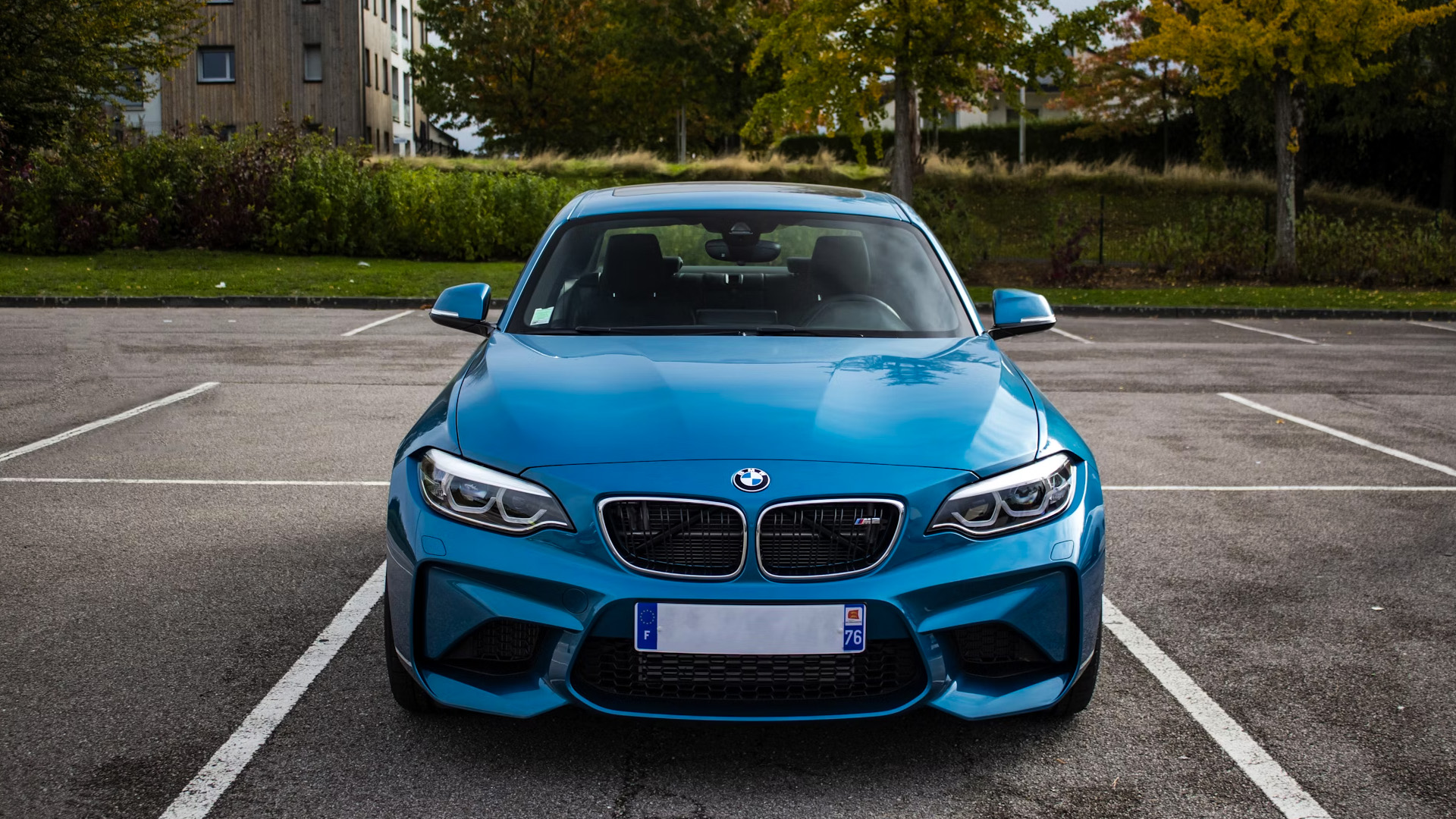
Strategic Adaptations In The Automotive Sector
Breyten Odendaal
Specializing in high-performance automotive advertising and digital marketing solutions, delivering cutting-edge insights and the latest news shaping the automotive industry in South Africa.
More From Advertising
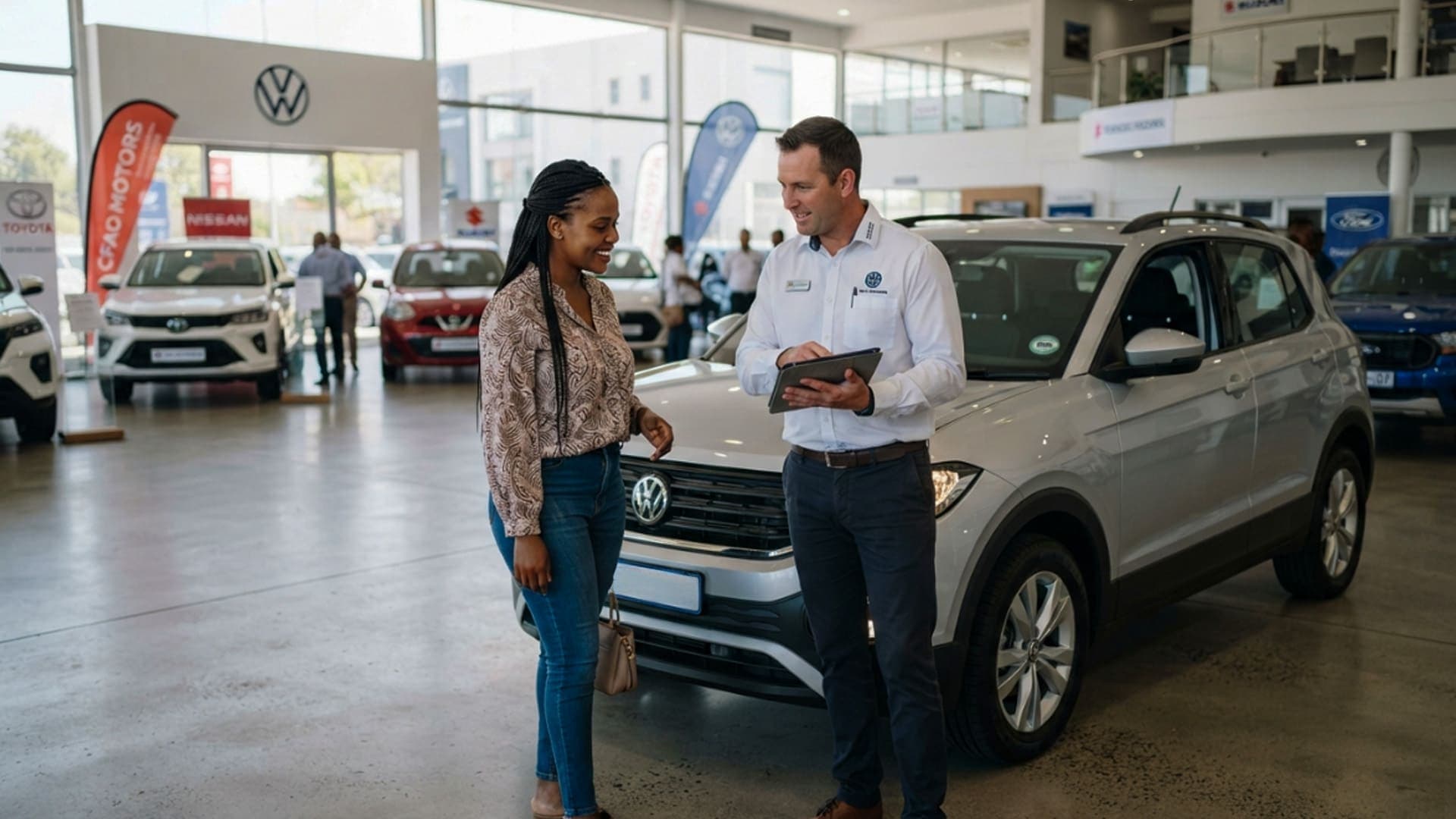
Automotive Advertising in 2026: Selling Confidence in a More Competitive Market
As South Africa’s vehicle market becomes more competitive, automotive advertising needs to do more than announce a price or specification. It needs to help buyers understand value, ownership costs and why a vehicle suits their lives.

Automotive Digital Ads in South Africa: A Shift
Exploring how South Africa’s automotive advertising evolved from print and broadcast to data-driven, programmatic digital ecosystems.

The Video Shift in Car Buying Decisions in SA
Explore how video content shapes car purchase decisions in South Africa, comparing short-form and long-form strategies for automotive marketers.