
In the world of automotive engineering, the racetrack has long served as a proving ground. It is here, amid the roar of engines and the smell of burnt rubber, that carmakers push machines to their limits, testing innovations in speed, handling, safety, and endurance. While these feats of engineering may seem exclusive to professional racing, the reality is far from it. Motorsport technology often trickles down to the vehicles we drive every day, subtly but significantly shaping performance, safety, and driving pleasure. This intersection of track and road is an evolving story, one that demonstrates how extreme conditions inform the ordinary, and how South African roads, with their unique challenges, benefit from innovations born in the crucible of competition.
The Transfer of Technology from Track to Road
For decades, high-performance components developed for racing vehicles have found their way into consumer cars. The principles of aerodynamics, materials engineering, and electronic controls are tested under extreme conditions on the track before being adapted for road use. For example, carbon-ceramic brakes, initially designed to withstand the immense heat and stress of Formula 1 circuits, have now become a feature in premium sports cars worldwide, offering superior stopping power and reduced brake fade. In South Africa, where long stretches of open road are punctuated by sudden urban congestion, these brakes provide not only performance but peace of mind.
Aerodynamics, another arena where racing informs production cars, is a subtle yet critical factor. On the track, every curve of a bodywork and every winglet is calculated to reduce drag and maximize downforce. These principles now influence vehicles from luxury sedans to family SUVs. The integration of active aerodynamicsÔÇöadjustable spoilers and airflow channels that react to speedÔÇöenhances stability and efficiency on everyday roads. South African drivers, navigating windy coastal highways or high-speed national routes, benefit from this refinement in ways they may not even notice consciously.
Suspension and Chassis Innovations
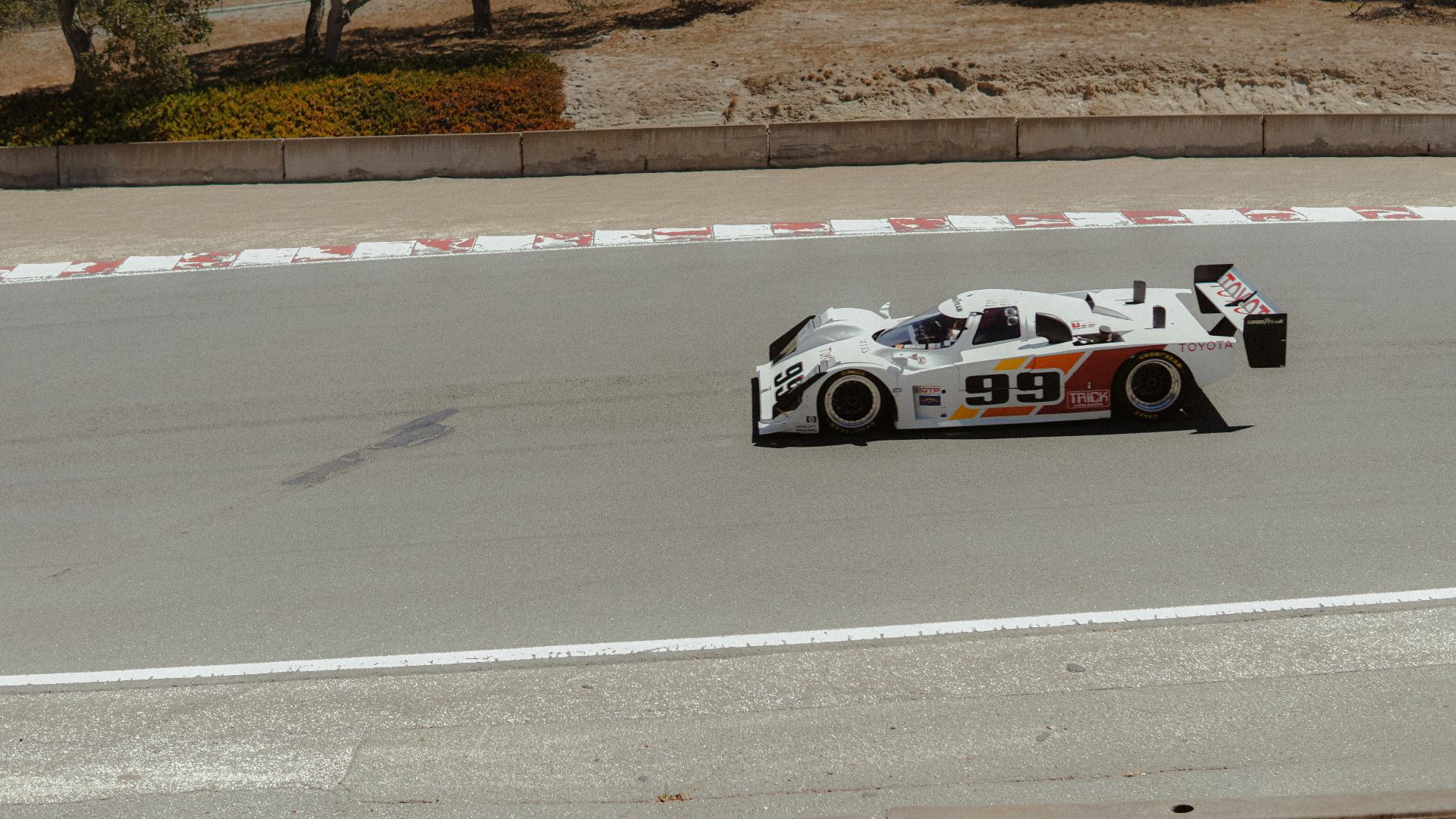
Perhaps no area illustrates the track-to-road transfer better than suspension systems. Motorsport demands precise handling, rapid weight transfer, and the ability to maintain tire contact under extreme forces. Components such as adaptive dampers, anti-roll bars, and multi-link suspension geometries were honed on the track and now appear in everything from performance hatchbacks to premium crossovers.
Consider the South African market, where vehicles must perform across diverse terrainsÔÇöfrom tarmac highways to gravel passes. Technologies like variable-rate dampers, originally used to fine-tune a carÔÇÖs behavior during cornering at race speed, allow modern SUVs to deliver both composure on highway bends and comfort on less forgiving surfaces. In essence, the road inherits a softer version of the racetrackÔÇÖs discipline, turning formerly rigid and unforgiving dynamics into a blend of safety, stability, and driving pleasure.
Powertrain and Engine Management
Engine technology is another field where racing innovation permeates everyday vehicles. Turbocharging, variable valve timing, and hybrid energy recovery systems, once exclusive to track cars, are now commonplace. Manufacturers leverage lessons learned from motorsport to optimize performance and efficiency simultaneouslyÔÇöa delicate balance that racing demands by necessity.
For instance, Formula EÔÇÖs all-electric platforms push the limits of battery management, thermal efficiency, and regenerative braking. The knowledge gained from these extreme conditions informs electric and hybrid cars available to consumers, making them more efficient, responsive, and reliable. South AfricaÔÇÖs growing adoption of EVs in cities such as Cape Town and Johannesburg benefits from these technologies, offering longer ranges, quicker acceleration, and smarter energy usage than would be possible without motorsport input.
Safety Technologies Born on the Track
It is not only speed and performance that cross over from the track to the street; safety innovations are deeply influenced by motorsport engineering. Racing environments necessitate crash structures that can absorb extreme impacts, alongside restraint systems that protect drivers under intense forces. These principles have informed advancements in crumple zones, airbags, and chassis rigidity in consumer vehicles.
Electronic stability control (ESC) is a prime example. Initially developed to prevent loss of control at high speeds during racing tests, ESC has become a standard feature globally, significantly reducing accident rates. In South Africa, where road conditions can be unpredictable and accidents are tragically common, such technologies save lives, highlighting the societal impact of motorsport innovation beyond pure performance.
Tires: The Unsung Heroes
Tires are where the track-road connection is most tangible. Racing tires are designed for maximum grip, high-speed durability, and heat tolerance, and the science behind them informs the development of everyday tires. Innovations in tread compounds, sidewall construction, and rolling resistance improve performance, efficiency, and safety for ordinary drivers.
In South Africa, where vehicles frequently transition between smooth asphalt and rugged gravel, tires engineered with motorsport-derived compounds offer enhanced traction and longevity. Consumers may not realize the connection, but every corner taken with confidence owes something to engineering born in the relentless pursuit of speed.
Electronics and Data Analytics
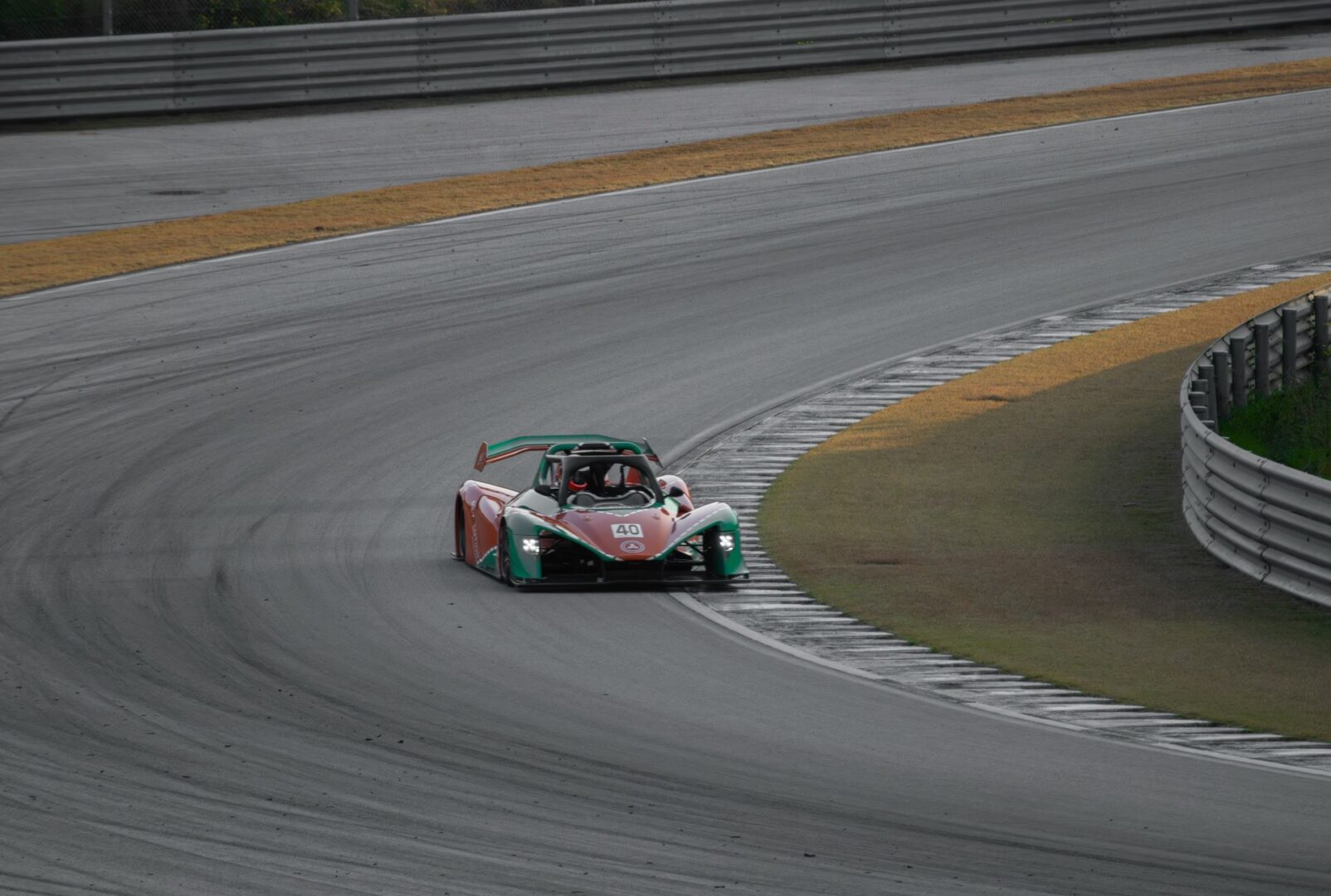
Modern motorsport is as much about data as it is about horsepower. Telemetry, sensors, and AI-driven analytics allow teams to understand a carÔÇÖs behavior in real-time, fine-tuning every system to extract maximum performance. This approach has directly influenced road cars, leading to advanced driver assistance systems (ADAS), predictive traction control, and dynamic ride adjustments.
In South Africa, these technologies are particularly relevant. With a mix of urban congestion, rural roads, and long-distance travel, ADAS featuresÔÇölane-keeping, adaptive cruise control, and collision mitigationÔÇöenhance both comfort and safety. While inspired by racingÔÇÖs relentless pursuit of marginal gains, their adoption on the street prioritizes prevention over performance, proving that track lessons can be lifesaving.
The Psychological Edge
Beyond tangible technologies, motorsport imparts a subtle psychological influence on consumer vehicle design. Engineers and designers obsessed with the racetrack cultivate a culture of precision, attention to detail, and driver engagement. This ethos shapes how cars feel, sound, and respond, even when used for mundane commuting. The tactile feedback of a steering wheel, the smooth modulation of braking, and the nuanced response of a throttle are all aspects where racing DNA enriches everyday driving.
For South African motorists, these nuances contribute to a sense of security and confidence. A car that communicates clearly through steering and brakes reduces stress, allowing drivers to anticipate and respond to hazards more effectively, whether navigating Cape TownÔÇÖs steep streets or the open stretches of the N1.
Challenges in Adapting Motorsport Tech
While the benefits are clear, integrating track technologies into road cars is not without challenges. Motorsport components prioritize performance over comfort and cost, often necessitating modifications to meet consumer expectations. High-strung engines, stiff suspensions, and lightweight materials must be balanced against durability, affordability, and real-world usability.
South African conditions, from extreme temperatures to poorly maintained secondary roads, place additional demands on these technologies. Manufacturers must ensure that innovations withstand local conditions without compromising the essence of their performance pedigree. This challenge drives continuous refinement, encouraging a dialogue between engineers, consumers, and environmental factors that ultimately results in better cars.
Looking Ahead: The Future of Track-to-Road Technology
The convergence of track and road technologies shows no sign of slowing. Electrification, autonomous systems, and AI-assisted driving are poised to accelerate the crossover of racing innovations into consumer vehicles. Future sports cars and SUVs may boast predictive handling algorithms, adaptive aerodynamics that adjust to traffic flow, and energy recovery systems that optimize both performance and efficiency.
South African drivers stand to benefit from these advancements, as manufacturers increasingly consider diverse global environments when developing vehicles. From the high altitudes of the Drakensberg to the coastal wind corridors along the Eastern Cape, technology born on the track is increasingly engineered to perform under real-world stresses unique to this part of the world.
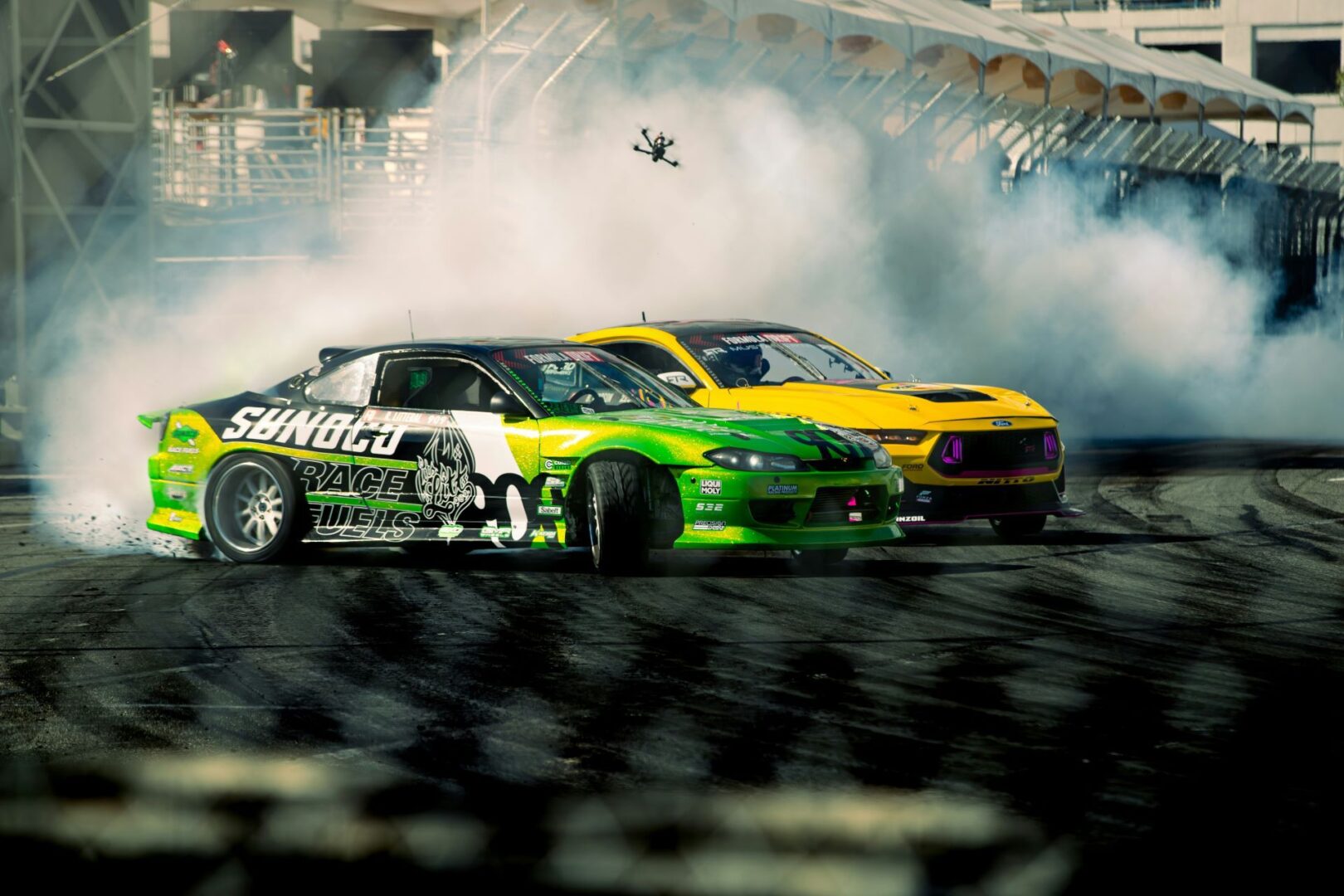
The relationship between track and road is a continuous cycle of innovation. Motorsport pushes boundaries, testing materials, electronics, and human ingenuity under extreme conditions. These breakthroughs, refined and adapted, make their way into consumer vehicles, enhancing performance, safety, and driving satisfaction. For drivers in South Africa and around the world, every brake application, cornering maneuver, and highway acceleration is subtly informed by the lessons of the track.
In the end, while few of us will experience the raw intensity of a race car, we all benefit from its technology. The racetrack, with its unforgiving demands, has become an invisible mentor for the vehicles we drive every dayÔÇöa testament to the enduring dialogue between extreme performance and everyday practicality. The road may not roar like the track, but it carries within it the echoes of motorsport brilliance, ensuring that every journey is safer, smarter, and infinitely more engaging.
Breyten Odendaal
Specializing in high-performance automotive advertising and digital marketing solutions, delivering cutting-edge insights and the latest news shaping the automotive industry in South Africa.
More From Advertising

Automotive Advertising in 2026: Selling Confidence in a More Competitive Market
As South Africa’s vehicle market becomes more competitive, automotive advertising needs to do more than announce a price or specification. It needs to help buyers understand value, ownership costs and why a vehicle suits their lives.

Automotive Digital Ads in South Africa: A Shift
Exploring how South Africa’s automotive advertising evolved from print and broadcast to data-driven, programmatic digital ecosystems.

The Video Shift in Car Buying Decisions in SA
Explore how video content shapes car purchase decisions in South Africa, comparing short-form and long-form strategies for automotive marketers.