
The allure of motorsport extends far beyond the roar of engines and the thrill of speed; it is a powerful force that shapes automotive innovation, design, and marketing. The connection between race cars and consumer vehicles runs deep, influencing everything from engineering breakthroughs to the visual cues that define a brand. Motorsport is not just about winning on the track; itÔÇÖs about winning in the marketplace.
A Legacy of Speed: MotorsportÔÇÖs Historical Influence
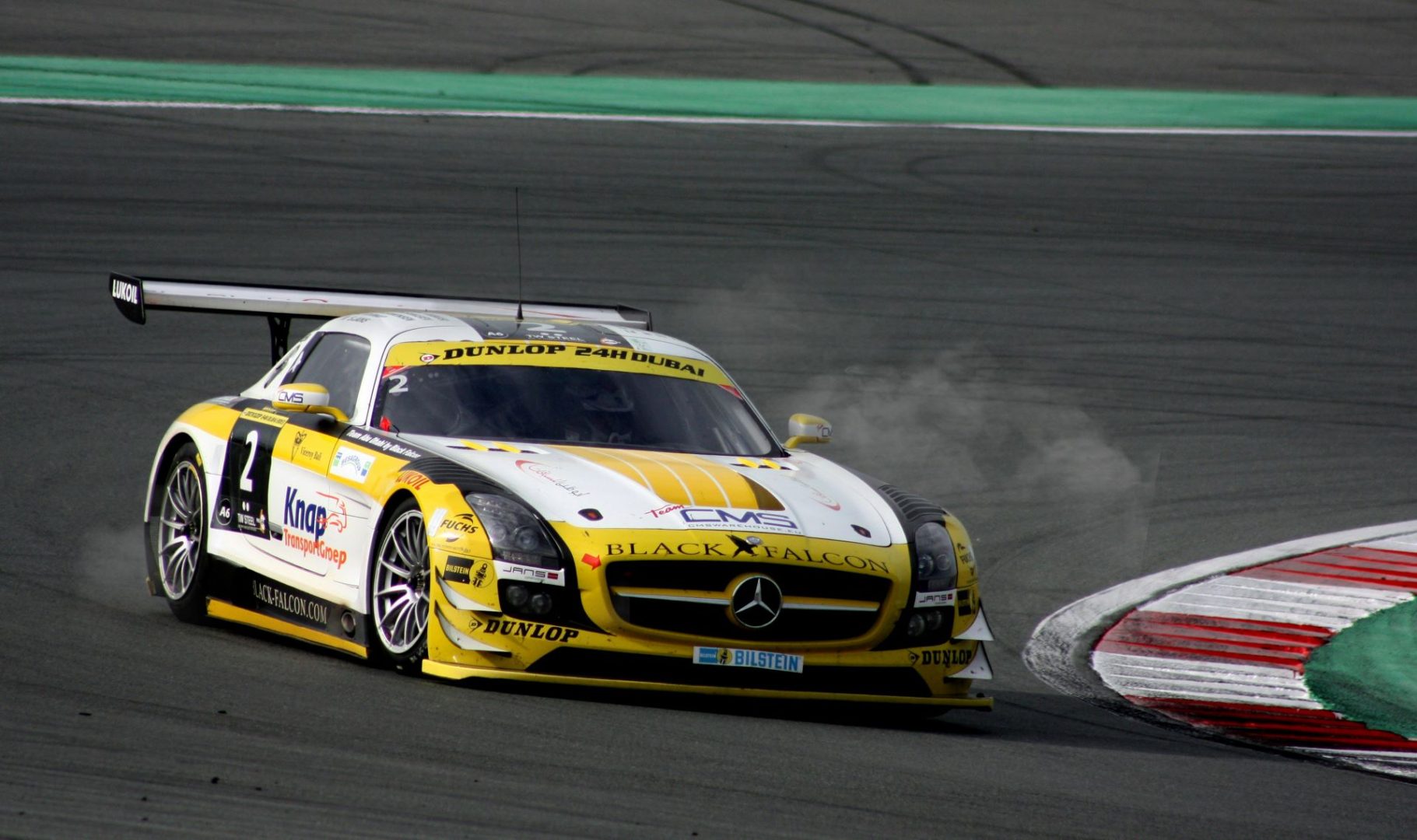
The connection between racing and road cars has existed since the dawn of the automobile. Early 20th-century brands like Bugatti and Mercedes-Benz used racing to showcase their engineering prowess, establishing themselves as leaders in performance and reliability. Key moments in racing history, such as FerrariÔÇÖs dominance at Le Mans or FordÔÇÖs legendary rivalry with Ferrari in the 1960s, cemented the idea that success on the track equates to prestige in the showroom.
The mantra "win on Sunday, sell on Monday" epitomizes this relationship. In the post-war era, NASCAR victories turned ordinary sedans like the Ford Galaxie into coveted symbols of performance. This synergy between track and consumer vehicles is not only historical but continues to evolve.
Technology Transfer: From the Circuit to the Streets
Many of the technological advancements we take for granted in modern cars originated in motorsport. Aerodynamics, lightweight materials, and cutting-edge software systems have all made their way from race cars to consumer vehicles. Consider anti-lock braking systems (ABS), which were first developed for racing and later revolutionized road safety. Similarly, Formula 1ÔÇÖs pioneering work with hybrid powertrains has influenced the development of energy-efficient consumer models.
Aerodynamics is a prime example of this technology transfer. Features like rear diffusers and active spoilers, once exclusive to racing, are now common in high-performance road cars like the Porsche 911 and even more accessible models such as the Honda Civic Type R. These innovations not only enhance performance but also create a visual link to their racing origins.
Materials science is another area where motorsport leads. Carbon fiber, initially reserved for race cars due to its high cost, has gradually entered consumer car production. Vehicles like the McLaren 720S boast carbon fiber chassis, offering a blend of strength and lightness derived directly from racing expertise.

Design and Aesthetics: Inspired by the Track
Race cars are built for speed, but their aesthetics have an undeniable appeal that influences consumer car design. Sleek lines, aggressive stances, and functional elements like air vents and splitters make their way into production models, creating an emotional connection to racing.
Visual branding also plays a significant role. The iconic Gulf livery or FerrariÔÇÖs signature red evoke instant recognition and prestige, often replicated in limited-edition consumer vehicles. The Aston Martin Valkyrie, developed in collaboration with Red Bull Racing, is a prime example of a production car that looks and feels like a Formula 1 machine, blurring the lines between the track and the street.
Consumer preferences are increasingly shaped by motorsport aesthetics. Surveys show that buyers are drawn to vehicles that evoke a sense of performance, even if they never take them to a track. This trend is evident in the popularity of sporty trims and packages that offer visual upgrades inspired by racing.
Marketing and Advertising: Selling the Dream of Performance
Automotive brands have mastered the art of leveraging their racing heritage in advertising. These campaigns tap into the emotional appeal of speed, performance, and prestige, creating a compelling narrative for consumers.
One notable example is AudiÔÇÖs "Truth in Engineering" campaign, which highlighted the brandÔÇÖs dominance at Le Mans to underscore its technological innovation. Similarly, BMWÔÇÖs "M" division ads often emphasize the brandÔÇÖs motorsport roots, connecting their performance vehicles to their racing DNA.
The psychological appeal of racing in ads is undeniable. Speed and precision are equated with excellence, while victory on the track symbolizes reliability and quality. Brands like Porsche and Ferrari have built entire marketing strategies around their racing successes, creating aspirational vehicles that embody the thrill of competition.
Cultural Impact: Enthusiast Communities and Brand Loyalty
MotorsportÔÇÖs influence extends beyond cars to the culture that surrounds them. Car clubs, track days, and events like the Goodwood Festival of Speed celebrate racing heritage, fostering a sense of community among enthusiasts.
This cultural engagement fuels brand loyalty. Fans of a particular racing team often become lifelong customers of the associated brand. For instance, FerrariÔÇÖs tifosi are not just fans; they are ambassadors who live and breathe the brandÔÇÖs racing spirit.
Looking Ahead: The Future of Race-Inspired Cars
As motorsport evolves, so too will its influence on consumer vehicles. The push for sustainability is reshaping racing, with Formula E leading the charge in electric motorsport. This transition is already influencing road cars, as seen in the rise of electric performance models like the Tesla Model S Plaid and Porsche Taycan.
Emerging technologies such as autonomous systems and connected car platforms are also likely to benefit from motorsport innovation. The data-driven nature of racing provides a testing ground for these advancements, which will eventually enhance consumer experiences.
A Winning Formula
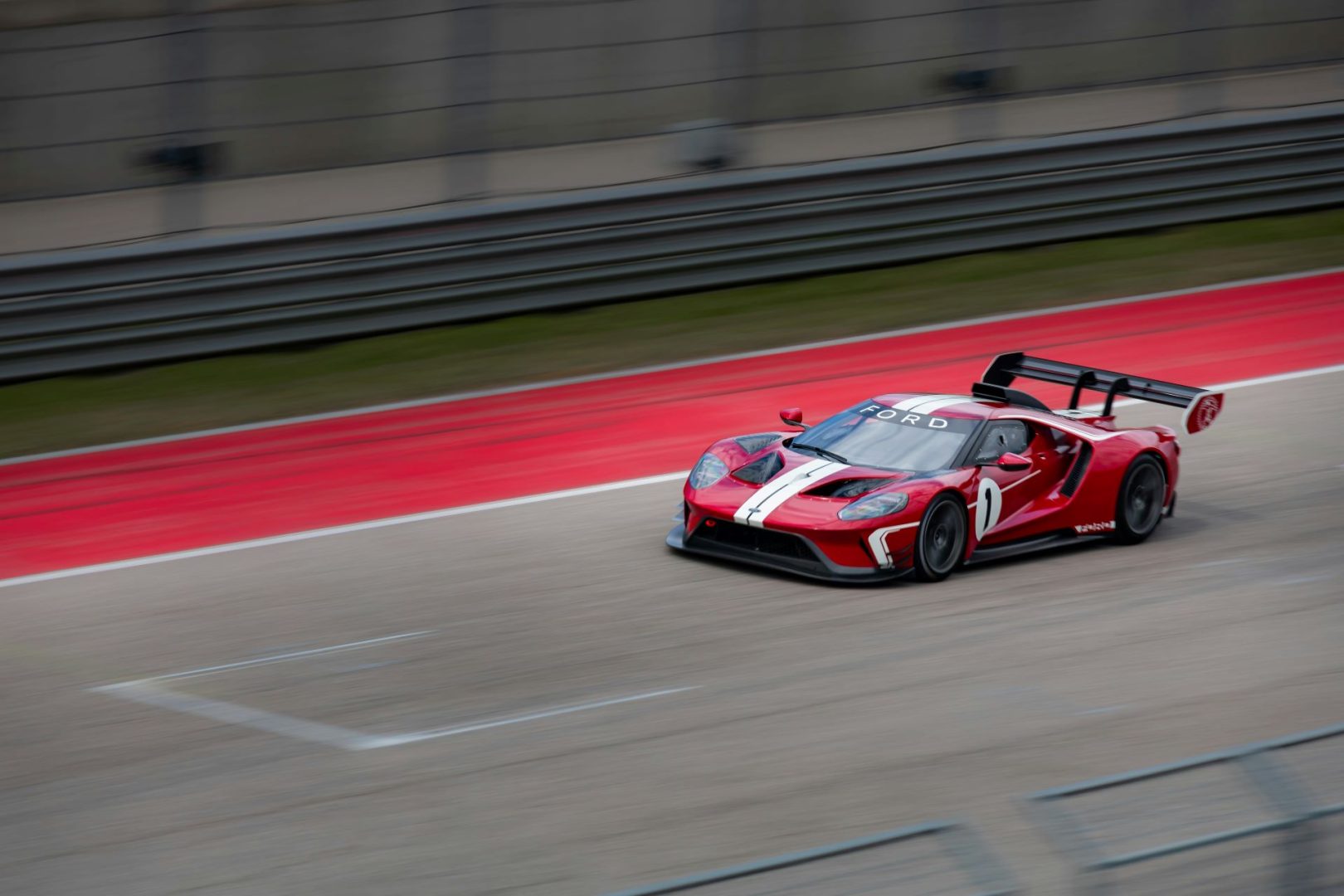
The relationship between race cars and consumer vehicles is a testament to the enduring power of motorsport. From technological breakthroughs to captivating marketing campaigns, the influence of the track is felt in every aspect of the automotive world. For enthusiasts, this connection is more than just engineering; itÔÇÖs a celebration of performance, passion, and the pursuit of excellence. As racing continues to evolve, its impact on the cars we drive will remain as dynamic and exciting as the sport itself.
Breyten Odendaal
Specializing in high-performance automotive advertising and digital marketing solutions, delivering cutting-edge insights and the latest news shaping the automotive industry in South Africa.
More From Advertising

Automotive Advertising in 2026: Selling Confidence in a More Competitive Market
As South Africa’s vehicle market becomes more competitive, automotive advertising needs to do more than announce a price or specification. It needs to help buyers understand value, ownership costs and why a vehicle suits their lives.

Automotive Digital Ads in South Africa: A Shift
Exploring how South Africa’s automotive advertising evolved from print and broadcast to data-driven, programmatic digital ecosystems.

The Video Shift in Car Buying Decisions in SA
Explore how video content shapes car purchase decisions in South Africa, comparing short-form and long-form strategies for automotive marketers.