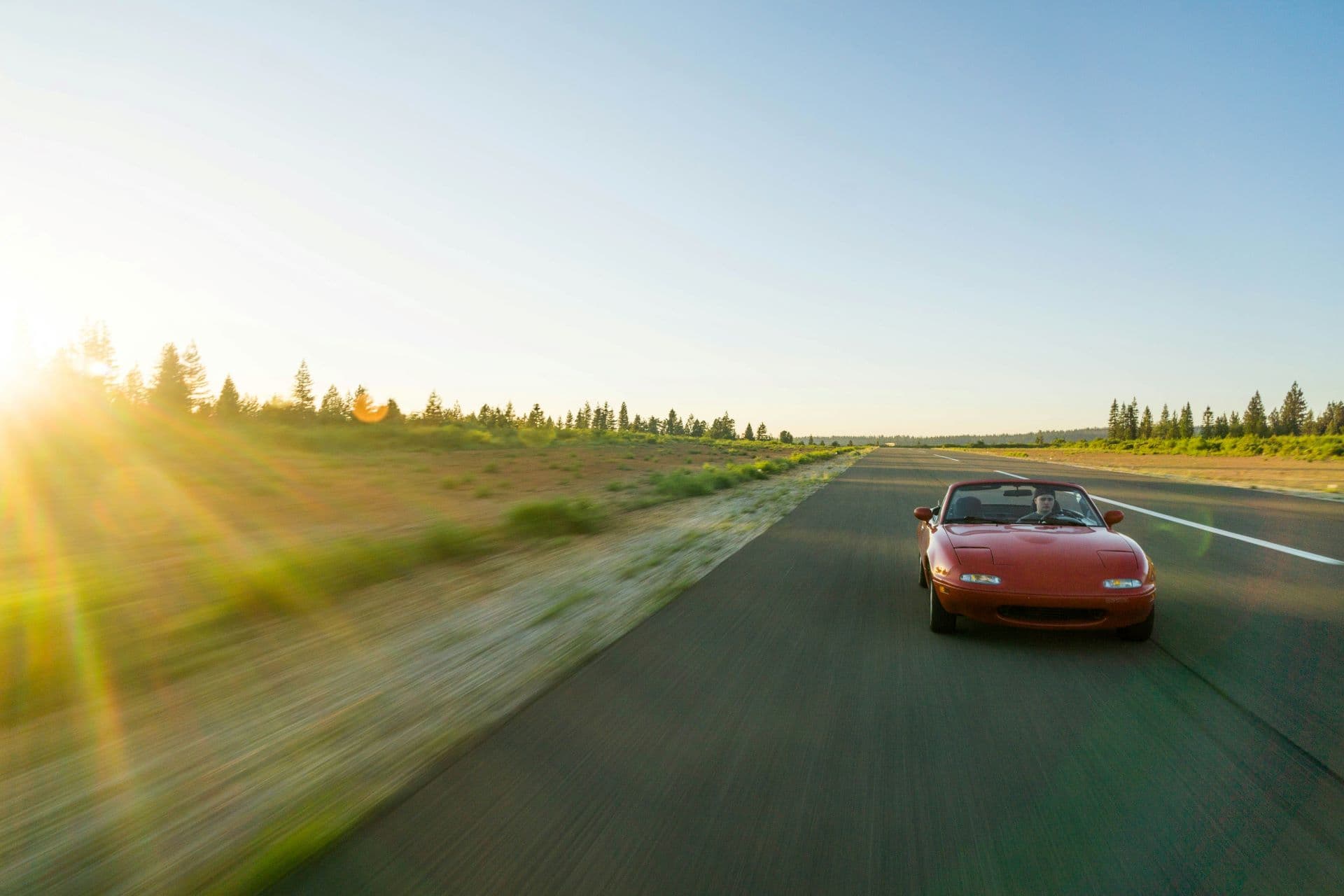
In an era defined by fleeting attention spans and digitally saturated channels, the way automotive brands engage consumers has evolved. No longer confined to static showroom displays or glossy print campaigns, the industry has embraced experiential marketing as a key differentiator. Track days, pop-up activations, and immersive brand experiences are redefining how drivers, enthusiasts, and casual consumers alike interact with vehicles, forging connections that feel deeply personal and enduring. The modern automotive experience is no longer about the product aloneÔÇöit is about crafting a story, a sensation, and a memory.
The Shift from Product-Centric Marketing to Experience-Centric Engagement
For decades, automotive marketing was built around the car. Advertisements highlighted horsepower, safety features, and fuel efficiency. Showrooms became temples of aspiration, yet they were often passive, transactional spaces. Today, brands recognize that consumersÔÇöespecially younger generationsÔÇövalue engagement over mere exposure. Experiential marketing leverages environments, emotions, and multi-sensory storytelling to turn brand interactions into moments worth remembering.
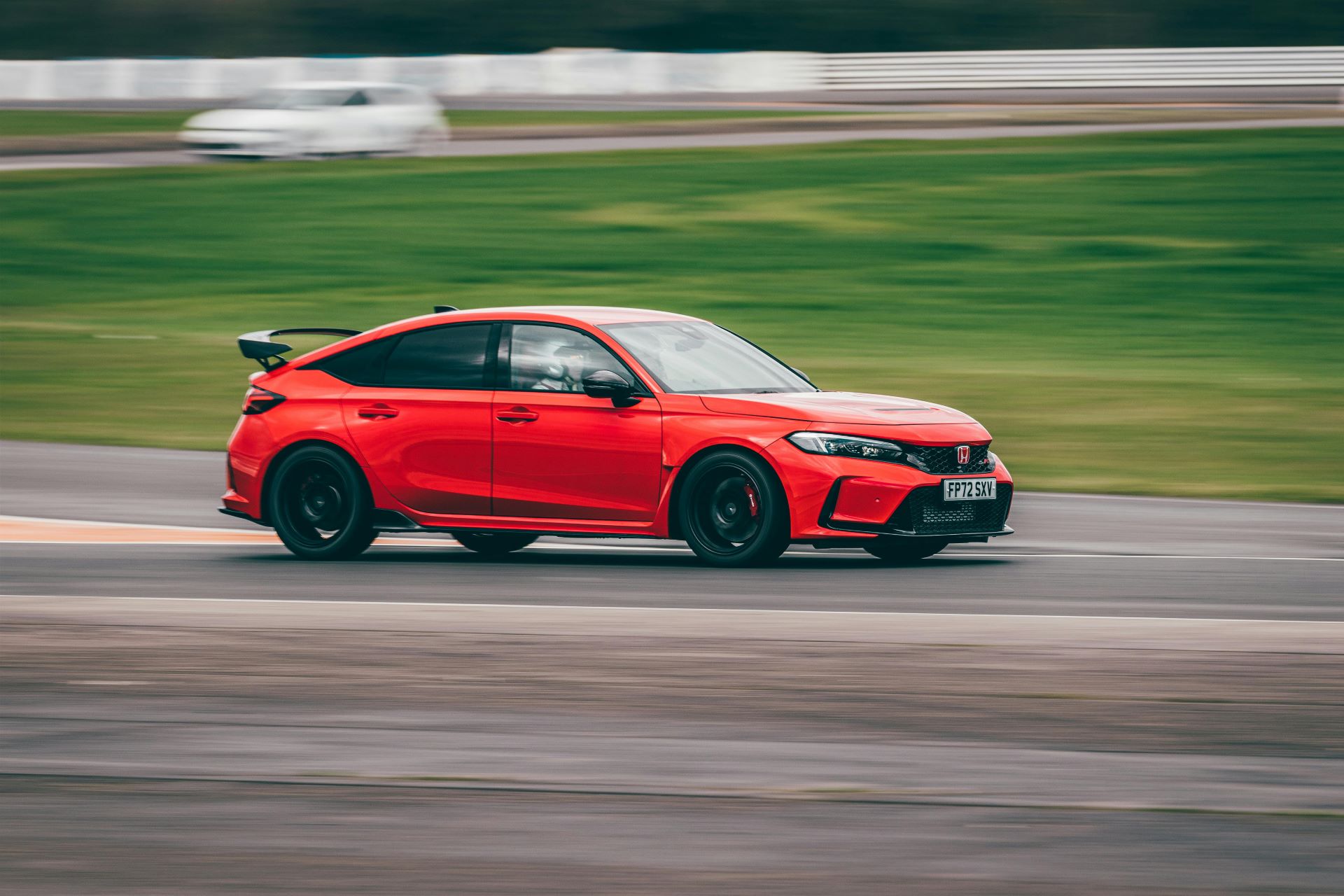
Take, for example, the rise of track days. Traditionally the domain of enthusiasts and professional drivers, track days have been reimagined as accessible, branded experiences. BMWÔÇÖs M Track Days allow participants to push performance vehicles to their limits under controlled conditions, while PorscheÔÇÖs Driving Experience centres immerse guests in advanced handling techniques, giving them a tangible connection to engineering prowess. These experiences create an emotional imprint that advertising alone cannot achieve.
Pop-Up Experiences: The Urban Playground for Automotive Storytelling
Pop-up activations have emerged as a dynamic tool for automotive marketers seeking to engage urban audiences. By temporarily transforming unconventional spacesÔÇöwarehouses, public squares, or luxury mallsÔÇöbrands can craft immersive micro-worlds that communicate ethos, technology, and lifestyle. The beauty of a pop-up lies in its adaptability: it is intimate, flexible, and inherently exclusive.
Mercedes-Benz, for instance, has deployed pop-ups showcasing electric mobility, allowing visitors to experience vehicles, interact with charging technology, and engage with augmented reality visualizations of future models. Meanwhile, brands like MINI UK blend nostalgia and innovation in pop-up installations that pair heritage storytelling with cutting-edge design concepts. Such experiences transform spectators into participants, embedding brand loyalty through participation rather than persuasion.
The Role of Personalization in Automotive Experiences
Personalization has become a cornerstone of effective automotive marketing. Beyond the showroom configurator, brands are now designing experiences around individual preferences. When a driver is guided through a tailored test drive or immersed in an interactive exhibit aligned with their interests, the brand achieves resonance on a personal level.
Jaguar Land Rover has experimented with VIP track experiences where participants are coached by professional drivers, choosing from a curated selection of vehicles that align with their style and driving ambitions. On the mass-market end, FordÔÇÖs experiential showcases allow attendees to customize off-road courses and performance demonstrations based on their vehicle interest, demonstrating a democratization of access while still delivering a sense of exclusivity.
Technology as a Gateway to Engagement
The intersection of technology and physical experience is where automotive marketing finds its most compelling opportunities. Augmented reality (AR), virtual reality (VR), and mixed-reality applications are no longer novelties; they are essential tools for immersive storytelling. Brands can simulate performance dynamics, visualize customization options, and introduce future vehicle concepts without the logistical constraints of physical assets.
Tesla, for instance, leverages VR for both educational and experiential purposes, enabling users to explore futuristic design concepts and interact with autonomous features before they hit production. Mass-market brands like Hyundai and Kia have embraced mobile AR pop-ups that overlay digital information onto live vehicles in urban centers, enhancing curiosity and engagement in a compact, shareable format.
Beyond the Track and the Pop-Up: Lifestyle Integration
Automotive experiences are increasingly woven into broader lifestyle contexts, aligning brands with activities, passions, and community. Festivals, food events, and luxury retreats provide platforms for vehicles to become part of a larger aspirational narrative. The success of these activations lies in subtlety: the car is not the only star, but it exists as a seamless component of a compelling lifestyle.
For example, Lamborghini has partnered with high-end yacht shows, offering curated driving experiences that complement the maritime environment, creating a narrative of adventure, exclusivity, and craftsmanship. Meanwhile, ToyotaÔÇÖs TGR (Gazoo Racing) pop-ups at adventure expos fuse motorsport excitement with outdoor lifestyle, appealing to younger, experience-driven consumers who value authenticity over ostentation.
Micro-Moments and Social Amplification
In todayÔÇÖs digital ecosystem, experiential marketing is incomplete without a social amplification strategy. Attendees are not just participantsÔÇöthey are potential brand ambassadors. Carefully designed experiences generate micro-moments: sharable snippets of joy, thrill, or surprise that extend reach far beyond the physical footprint.
Consider how track day photography, interactive VR stations, and curated hashtags encourage attendees to share moments online, turning private experiences into public endorsements. The mass-market brand must design with social virality in mind, while luxury brands focus on curated exclusivity, creating a tension that fuels desirability and aspirational identity.

Sustainability and Responsibility as Experiential Drivers
Modern consumers increasingly weigh sustainability and social responsibility in brand evaluations. Automotive experiences are evolving to reflect this consciousness. Electric vehicle test drives, eco-conscious track events, and carbon-offset activations provide audiences with a sense that enjoyment can coexist with responsibility.
Polestar, Volvo, and BMWÔÇÖs i sub-brand have integrated sustainability storytelling into their immersive experiences, allowing participants to understand the impact of battery technology, recycling programs, and future mobility solutions. This transparency reinforces trust and positions the brand as not only aspirational but conscientious.
Designing for Memory, Emotion, and Engagement
At the heart of these initiatives is an understanding of human psychology. Memorable automotive experiences operate on three levels: sensory, emotional, and cognitive. The roar of an engine, the tactile feedback of a steering wheel, the smell of leather, the exhilaration of speedÔÇöall engage senses. Emotional resonance emerges from exclusivity, personalization, and storytelling, while cognitive engagement is achieved through education, technology, and interactive elements.
This triad ensures that the experience lingers long after participants leave. They remember not only the vehicle but also the feelings it evoked, the people they shared the moment with, and the stories they carry forward. Brands that master this formula build lasting loyalty and advocacy, transforming transient interactions into enduring relationships.
Cross-Generational Considerations
Experiential automotive marketing must navigate generational nuances. Baby Boomers may value heritage and craftsmanship, seeking refined, informative experiences. Millennials often crave social connectivity and authenticity, favoring hands-on test drives and interactive pop-ups. Gen Z gravitates toward digital integration, gamification, and shareable moments. The most successful brands calibrate experiences to resonate across demographics without diluting the core identity.
Audi, for example, curates layered experiences: track days for performance enthusiasts, pop-ups with interactive design workshops for younger audiences, and VR showcases for digital nativesÔÇöall anchored by consistent brand storytelling. This cross-generational approach enhances reach, relevance, and brand equity simultaneously.
Measuring Impact and ROI
While the allure of experiential marketing is clear, brands must quantify impact. Engagement metrics extend beyond footfall to include time spent interacting, social media amplification, emotional resonance, and post-event conversion. Sophisticated automotive marketers now employ integrated tracking, from RFID-enabled interactions to mobile app analytics, to assess the true value of immersive activations.
For luxury brands, success may be measured in lead quality and brand prestige, while mass-market players may prioritize sales conversion, test drive bookings, and social engagement metrics. Regardless of segment, a data-informed approach ensures that creativity aligns with commercial objectives.
The Future: Blending Physical and Digital Realms
The future of automotive experiences lies in seamless integration of physical and digital touchpoints. Hybrid events, digital twins of vehicles, and extended reality enhancements will redefine engagement paradigms. Consumers will expect flexibility, accessibility, and personalization, navigating experiences across multiple channels yet feeling a coherent, authentic connection to the brand.
As AI, AR, and autonomous technologies evolve, the possibilities multiply: personalized simulations of future vehicles, predictive experiences tailored to driving style, and immersive storytelling that extends from the showroom to the living room. The brands that succeed will be those that craft narratives as compelling as their engineering, ensuring every touchpoint resonates emotionally and memorably.
Crafting Immersive, Personal Connections
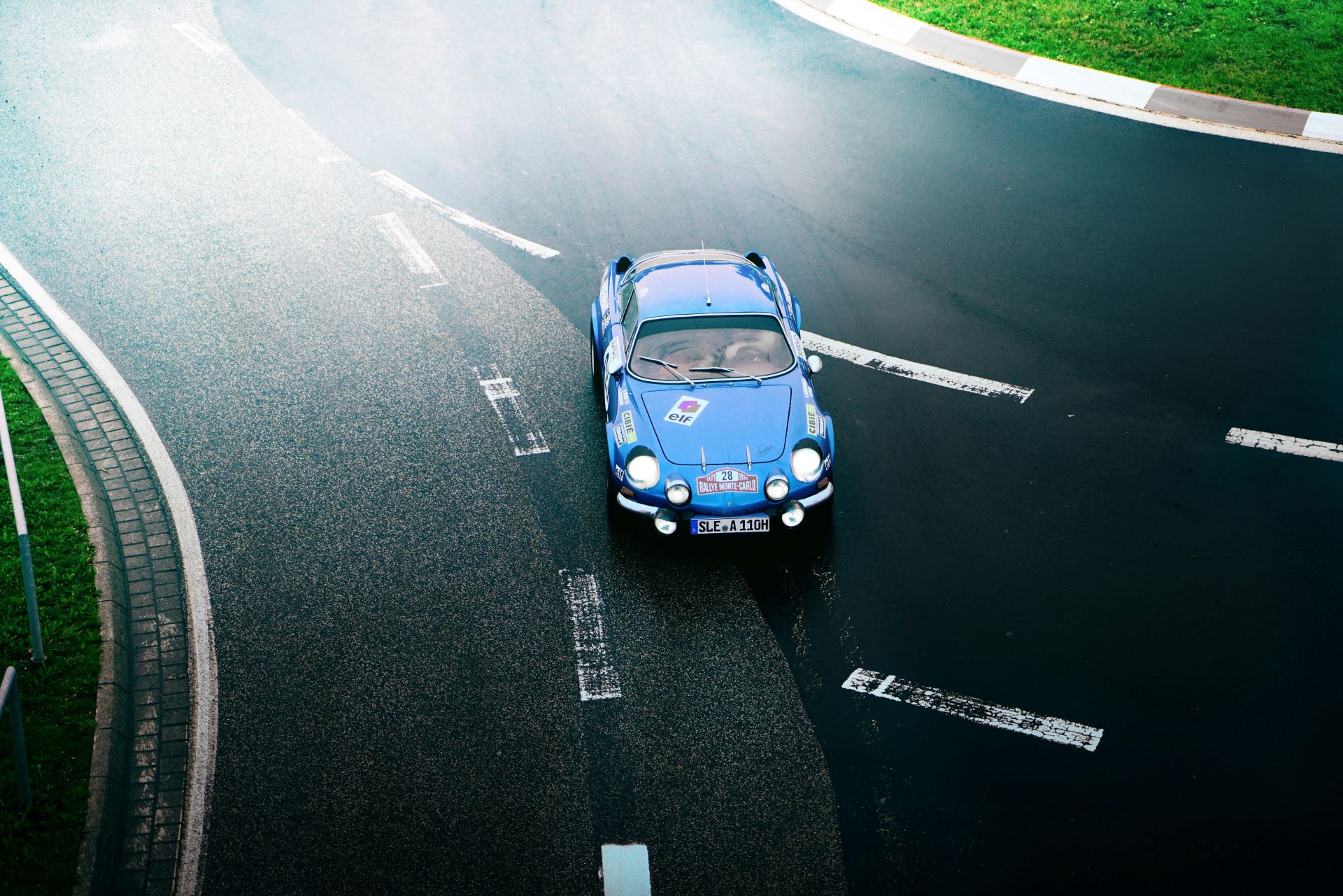
Track days, pop-ups, and integrated lifestyle experiences represent more than marketing gimmicksÔÇöthey are strategic platforms for building lasting brand relationships. Automotive marketing has transcended the transactional and entered the realm of the experiential, where memory, emotion, and storytelling converge. From luxury supercars to mass-market models, the principle is universal: engagement is strongest when it feels personal, dynamic, and immersive.
The brands that embrace this evolution, designing experiences that blend excitement, personalization, technology, and responsibility, will not only capture attentionÔÇöthey will capture hearts. In an age where consumers crave connection and authenticity, automotive experiences are no longer optional; they are the new frontiers of brand excellence.
Breyten Odendaal
Specializing in high-performance automotive advertising and digital marketing solutions, delivering cutting-edge insights and the latest news shaping the automotive industry in South Africa.
More From Advertising
Automotive Advertising in 2026: Selling Confidence in a More Competitive Market
As South Africa’s vehicle market becomes more competitive, automotive advertising needs to do more than announce a price or specification. It needs to help buyers understand value, ownership costs and why a vehicle suits their lives.

Automotive Digital Ads in South Africa: A Shift
Exploring how South Africa’s automotive advertising evolved from print and broadcast to data-driven, programmatic digital ecosystems.

The Video Shift in Car Buying Decisions in SA
Explore how video content shapes car purchase decisions in South Africa, comparing short-form and long-form strategies for automotive marketers.