
Where the Rubber Meets the Road in Modern Automotive Marketing
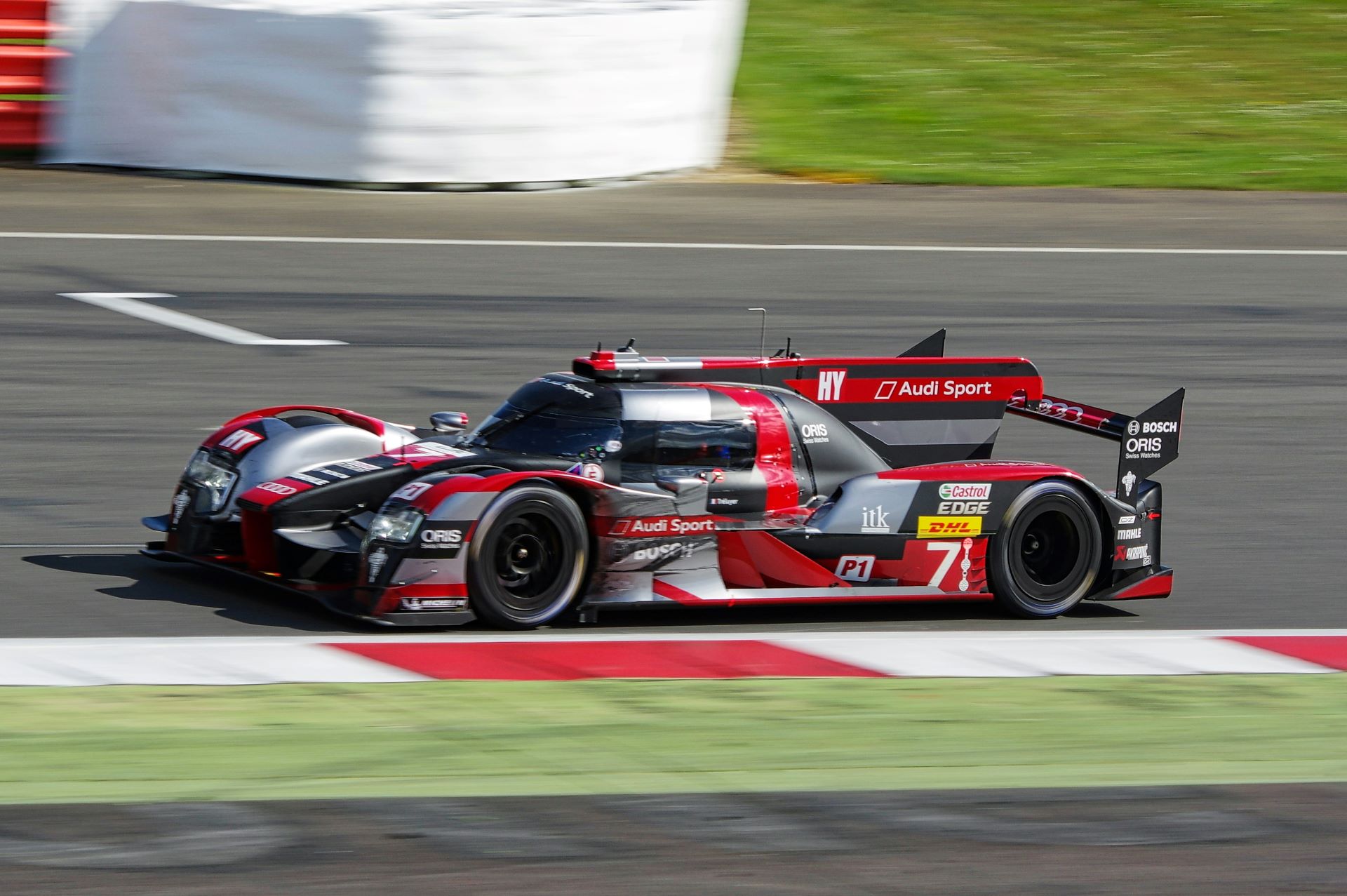
For more than a century, automotive marketing has evolved from newspaper classifieds and glamorous print spreads to immersive digital campaigns and influencer-led social media strategies. Yet despite this technological revolution, nothing ignites brand loyalty quite like the visceral thrill of driving a performance machine at its limits. Among the most potent tools in the marketerÔÇÖs kit is the high-adrenaline track day: an experience that blends spectacle and participation, transforming casual customers into passionate brand advocates.
Track days provide a unique convergence of product demonstration, emotional storytelling and peer-to-peer influence. They represent far more than an afternoon of fast laps; they are immersive brand theatres, where a manufacturerÔÇÖs heritage, engineering prowess and future vision can be felt in the vibrations of a steering wheel and the echo of an exhaust note. For automotive marketers seeking authentic engagement, these events have become indispensable.

From Product Demo to Immersive Brand Theatre
Traditional test drives, typically constrained by public-road speed limits and everyday traffic, reveal only a fraction of what a car can do. By contrast, a track day removes those limitations, giving customers an unfiltered encounter with performance, safety systems and cutting-edge engineering. The closed circuit allows manufacturers to demonstrate what their vehicles are truly capable ofÔÇöwhether it is the instantaneous torque of an electric hypercar or the razor-sharp handling of a lightweight sports coup├®.
This direct experience transforms the customerÔÇÖs perception. Instead of merely hearing about horsepower or reading about lateral G-forces, participants feel themÔÇöbody and soul. That emotional impact lingers long after the event, forging a memory far stronger than any advertisement. For marketers, this sensory connection is pure gold. It turns features and specifications into lived experiences, translating brand values into something a customer can recount to friends with genuine enthusiasm.
Building an Ecosystem of Advocacy
Track days are more than a thrilling outing; they are carefully curated ecosystems of brand storytelling. From the moment guests receive their invitation to the final farewell, every touchpoint reinforces the manufacturerÔÇÖs identity. The journey often begins weeks in advance with personalised communicationsÔÇöemails or even elegantly packaged invitations that convey exclusivity and anticipation. This pre-event engagement primes customers, turning the day itself into the climax of a longer narrative.
On-site, every detail contributes to a cohesive brand experience. Hospitality lounges are designed to echo a manufacturerÔÇÖs design language, while pit lanes become galleries of engineering art. Professional instructors double as brand ambassadors, guiding participants through driving techniques while highlighting unique technologiesÔÇöbe it active aerodynamics, hybrid powertrains or driver-assistance systems.
Post-event follow-up is equally crucial. Personalised thank-you notes, professional photography, and opportunities for continued dialogueÔÇösuch as advanced driver training or early access to new modelsÔÇöextend the relationship beyond the circuit. The customer, once merely curious, now becomes an advocate eager to share their story across social media, car clubs and personal networks.
The Psychology of High-Adrenaline Loyalty
Why do track days create such devoted advocates? At the heart of the experience lies the psychology of adrenaline and accomplishment. Driving at speed in a controlled environment sparks a release of endorphins and dopamine. When a brand facilitates this rush in a safe, expertly managed setting, the positive emotions become anchored to the marque itself.
Moreover, the sense of masteryÔÇölearning new driving skills, conquering corners at high speedÔÇöfosters pride and personal achievement. Customers do not simply associate the brand with excitement; they associate it with their own growth and capability. That combination of exhilaration and empowerment is a potent driver of long-term loyalty. Participants are more likely to defend the brand in conversation, recommend it to peers, andÔÇöcruciallyÔÇöchoose it again when it is time for their next vehicle purchase.
Data-Driven Insights: Turning Experiences into Strategy
While track days might appear purely experiential, they are also a rich source of data. Registrations provide demographic profiles, on-site surveys capture customer preferences, and post-event engagement metrics reveal who is most likely to convert from enthusiast to buyer. For marketing teams, these insights are invaluable.
By analysing attendance patterns and follow-up interactions, manufacturers can identify high-value prospects and tailor future campaigns. Data from telemetry systems can even show how customers interact with performance features, informing product development and training materials. The track becomes not only a playground but also a laboratoryÔÇöwhere marketers and engineers gather intelligence to refine both the brand message and the cars themselves.
Integrating Digital and Social Amplification
No modern marketing initiative can thrive without digital amplification. Track days are inherently shareable, and when brands provide professional photography, on-board video, or even live-streamed highlights, participants become co-creators of content. Social platforms then become a multiplier of the experience.
Encouraging attendees to share their own footageÔÇöbacked by event hashtags and brand guidelinesÔÇöextends the reach far beyond the dayÔÇÖs guest list. A single exhilarating lap captured on a participantÔÇÖs smartphone can inspire thousands of followers. This peer-generated content is perceived as authentic and trustworthy, carrying more influence than a traditional advertisement. For marketers, each participant becomes a micro-influencer, carrying the brand story into their personal networks.

Case Studies: From Supercar Marques to Everyday Heroes
Luxury marques were among the first to harness the power of track days. Brands such as Ferrari, Porsche and Aston Martin have long offered exclusive driving events for VIP clients, blending high-performance thrills with gourmet hospitality. These programs reinforce their aspirational status and keep affluent customers engaged between vehicle purchases.
However, the concept is no longer confined to the elite. Mainstream manufacturers now leverage track days to showcase technological innovationÔÇöthink of an electric SUV proving its dynamic credentials on a tight circuit, or a mass-market performance hatch demonstrating its motorsport DNA. Even fleet and commercial vehicle brands have adapted the model, hosting events where business customers can safely explore towing capacity, stability systems and driver-assistance features.
This democratisation of the track day underscores its marketing power across all segments. Whether the objective is to sell six-figure supercars or reinforce the practicality of a workhorse pickup, the core principle remains: a direct, emotional experience outperforms passive advertising.
Operational Excellence: Safety and Professionalism as Marketing Assets
To deliver on their promise, track days must be meticulously organised. Safety is paramountÔÇönot only for participantsÔÇÖ wellbeing but also for brand reputation. Professional instructors, well-maintained vehicles, and rigorous safety protocols create an environment where customers can push limits with confidence.
This operational excellence becomes part of the marketing message. When guests witness the brandÔÇÖs commitment to their safety and comfortÔÇöfrom carefully choreographed pit-lane procedures to medical teams on standbyÔÇöthey internalise those qualities as intrinsic to the product itself. The event becomes a live demonstration of reliability and attention to detail, reinforcing trust in the brandÔÇÖs engineering and customer care.
Beyond the Circuit: Extending the Brand Narrative
The influence of a track day does not end when the engines cool. Follow-up contentÔÇöhighlight reels, exclusive behind-the-scenes interviews with engineers, early teasers of upcoming modelsÔÇöprolongs the engagement. Some brands invite participants to join dedicated owner communities or loyalty programmes, where the shared experience of the track day becomes a gateway to long-term membership.
Partnerships with lifestyle brandsÔÇöluxury watchmakers, high-end audio companies, premium travel providersÔÇöcan further enhance the narrative. These collaborations position the automotive brand within a broader lifestyle ecosystem, appealing to customersÔÇÖ aspirations beyond the vehicle itself. The track day thus serves as both an introduction and a bridge to a wider, more enduring relationship.
Measuring Return on Emotion
Automotive marketers have long debated the measurement of experiential campaigns. Track days may not always deliver immediate, quantifiable sales, but their impact can be assessed through a blend of metrics: post-event test-drive bookings, social media impressions, net promoter scores, and ultimately, conversion rates over time.
Yet the most significant return is often emotional. Brand advocacyÔÇöthe willingness of a customer to recommend or defend a brandÔÇöstems from a deep, positive connection. Track days cultivate this connection by providing an unforgettable, adrenaline-fuelled encounter with the product. In marketing terms, the event pays dividends long after the last chequered flag.
The Future: Electric Performance and Virtual Extensions
As the industry pivots toward electrification and autonomous technologies, track days will continue to evolve. Electric vehicles bring new dimensions to the experience: instant torque, whisper-quiet acceleration, and regenerative braking techniques. Brands can use track days to dispel myths about EV performance and to educate drivers on the nuances of battery management and energy recovery.
Simultaneously, digital innovations such as augmented reality and live-streaming will allow virtual audiences to share in the excitement. Hybrid eventsÔÇöwhere on-site participants drive while online viewers interactÔÇöwill broaden reach and democratise access without diluting the exclusivity of the in-person experience.
Accelerating Advocacy Through Experience
In an era of fragmented media and declining trust in traditional advertising, automotive marketers must deliver experiences that cut through the noise. Track days do precisely that. They merge spectacle with substance, giving customers not only a story to tell but a memory to treasure.
By orchestrating these high-adrenaline events with precision and creativity, brands convert fleeting interest into enduring advocacy. Each participant leaves the circuit not merely as a driver who tested a car, but as a storyteller, an enthusiast, andÔÇömost importantlyÔÇöa brand ambassador. In the fast-moving world of automotive marketing, few strategies offer such a direct and lasting route from ignition to inspiration.
Breyten Odendaal
Specializing in high-performance automotive advertising and digital marketing solutions, delivering cutting-edge insights and the latest news shaping the automotive industry in South Africa.
More From Advertising
Automotive Advertising in 2026: Selling Confidence in a More Competitive Market
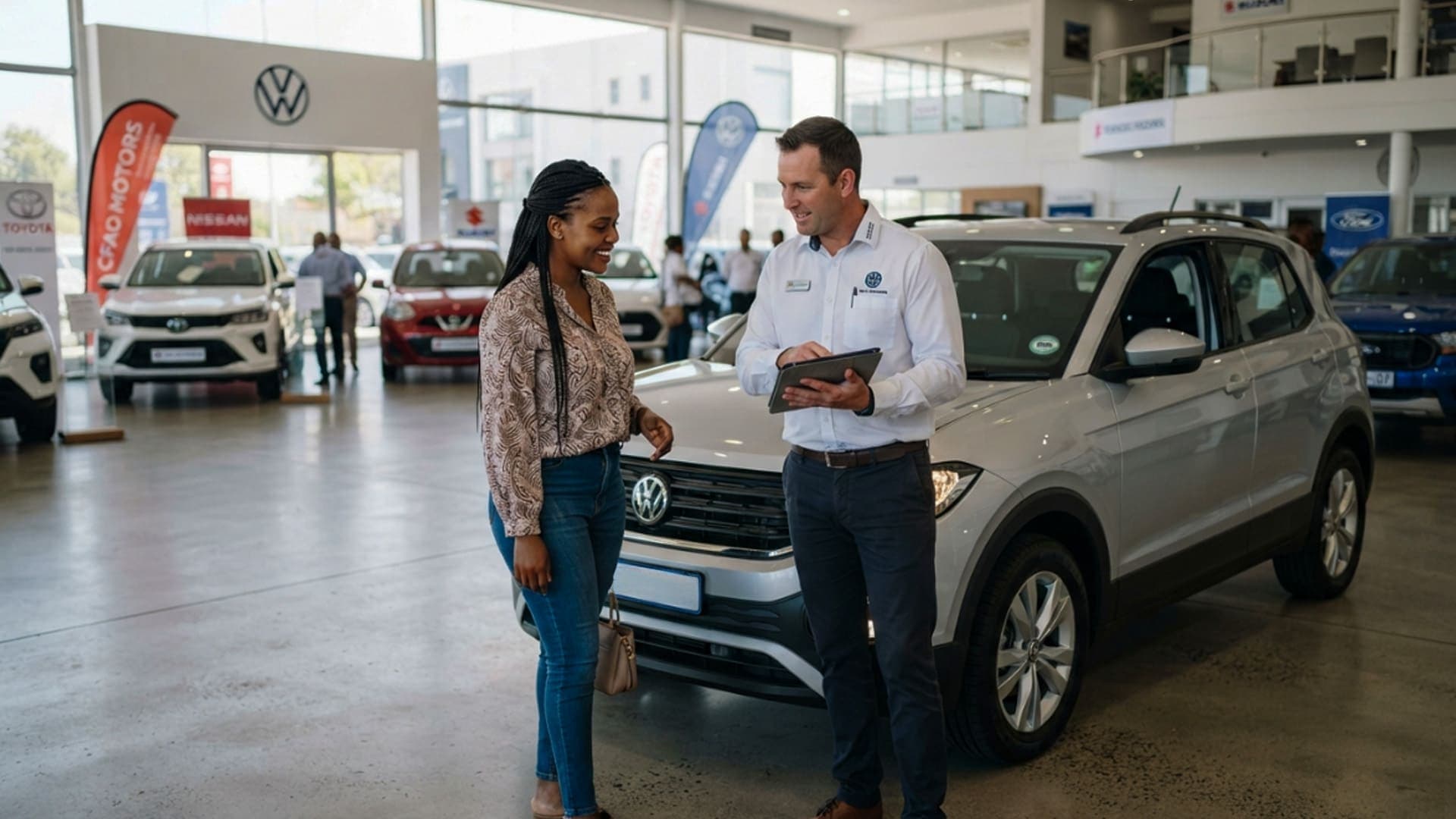
As South Africa’s vehicle market becomes more competitive, automotive advertising needs to do more than announce a price or specification. It needs to help buyers understand value, ownership costs and why a vehicle suits their lives.

Automotive Digital Ads in South Africa: A Shift
Exploring how South Africa’s automotive advertising evolved from print and broadcast to data-driven, programmatic digital ecosystems.

The Video Shift in Car Buying Decisions in SA
Explore how video content shapes car purchase decisions in South Africa, comparing short-form and long-form strategies for automotive marketers.