
From Utility to Ubiquity
Not long ago, the SUV was a niche vehicleÔÇöfavoured by outdoor enthusiasts, large families, and off-road purists. Today, itÔÇÖs the default choice for millions of drivers across the globe. In the wake of this transformation, advertising has not merely mirrored the shiftÔÇöitÔÇÖs helped to propel it. From rugged trailblazers to city-slicking status symbols, the SUV and crossover category has undergone a dramatic evolution, and with it, so too has the language of persuasion.
This article explores how automotive marketing has adapted to the SUV surge, tracing how ad messaging transformed alongside cultural values, consumer behaviour, and technological progress.
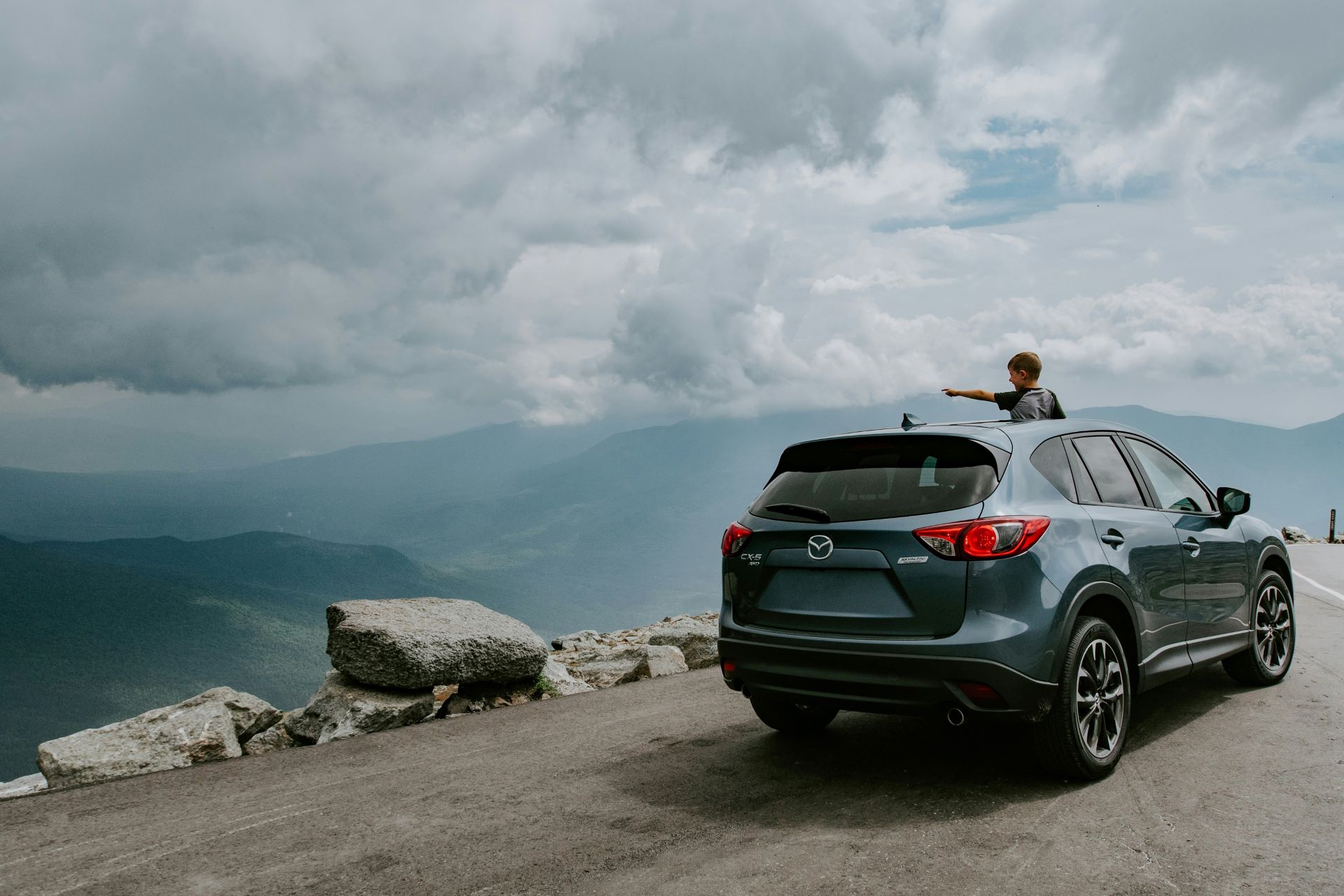
The Early Days: "Built for the Wild"
The SUVÔÇÖs roots lie in utility. Models like the Jeep Cherokee, Toyota Land Cruiser, and Ford Bronco were marketed as tools of liberationÔÇövehicles that freed drivers from the confines of paved roads and mundane routines. Advertising in the late 1980s and early 1990s leaned heavily on masculine tropes: wilderness, grit, and adventure.
Taglines like "Built Ford Tough" and "The toughest 4-letter word on wheels: Jeep" were not just catchyÔÇöthey reinforced the SUVÔÇÖs rugged persona. This was an era when capability was king. Marketing prioritised off-road prowess, durability, and an image that bordered on aspirational escapism.
But the audience was still relatively narrow. SUVs were big, inefficient, and expensive. They didnÔÇÖt yet speak to urban commuters, young professionals, or suburban families. That would soon change.
The Crossover Breakthrough: Ushering in a New Era
The turn of the millennium marked a seismic shift in automotive design and consumer priorities. As fuel efficiency and comfort became non-negotiables for the average driver, automakers introduced the ÔÇ£crossoverÔÇØÔÇöa softer, more road-friendly SUV built on a car platform.
This technological evolution gave birth to a marketing revolution. The crossover, by design, straddled the line between the practical and the aspirational. Messaging pivoted accordingly.
Gone were the gravel-spitting wilderness ads. In their place came campaigns that sold lifestyle over location. Consider the marketing of the Toyota RAV4 or Honda CR-V: the focus was no longer on rocky terrain but on school runs, weekend getaways, and urban agility.
Here, we began to see the rise of narrative-driven adsÔÇöones that framed the crossover as a partner in modern life. Safety, versatility, and fuel efficiency became the new buzzwords.
A New Language of Inclusivity and Empowerment
As the SUV market matured, it also diversifiedÔÇöboth in terms of product offerings and target demographics. The marketing followed suit.
By the 2010s, SUVs and crossovers were being marketed to everyone: millennials, Gen Xers, retirees, single parents, first-time buyers. This era saw a pronounced shift in toneÔÇöfrom macho to mindful. Emotional resonance, not mechanical spec sheets, drove the pitch.
Ad campaigns started to reflect evolving social values. HyundaiÔÇÖs ÔÇ£Smart DoesnÔÇÖt Have to Be BoringÔÇØ campaign for the Tucson focused on intelligence and innovation. Subaru positioned its Outback as the vehicle for ethical adventurers, leaning into narratives of dog adoption, sustainable living, and emotional safetyÔÇöa sharp contrast to the alpha-male bravado of the 1990s.
Inclusivity became paramount. Brands featured diverse families, same-sex couples, and solo female travellers in ways that felt authentic rather than tokenistic. The SUV was no longer a symbol of dominanceÔÇöit was a symbol of freedom, safety, and connection.
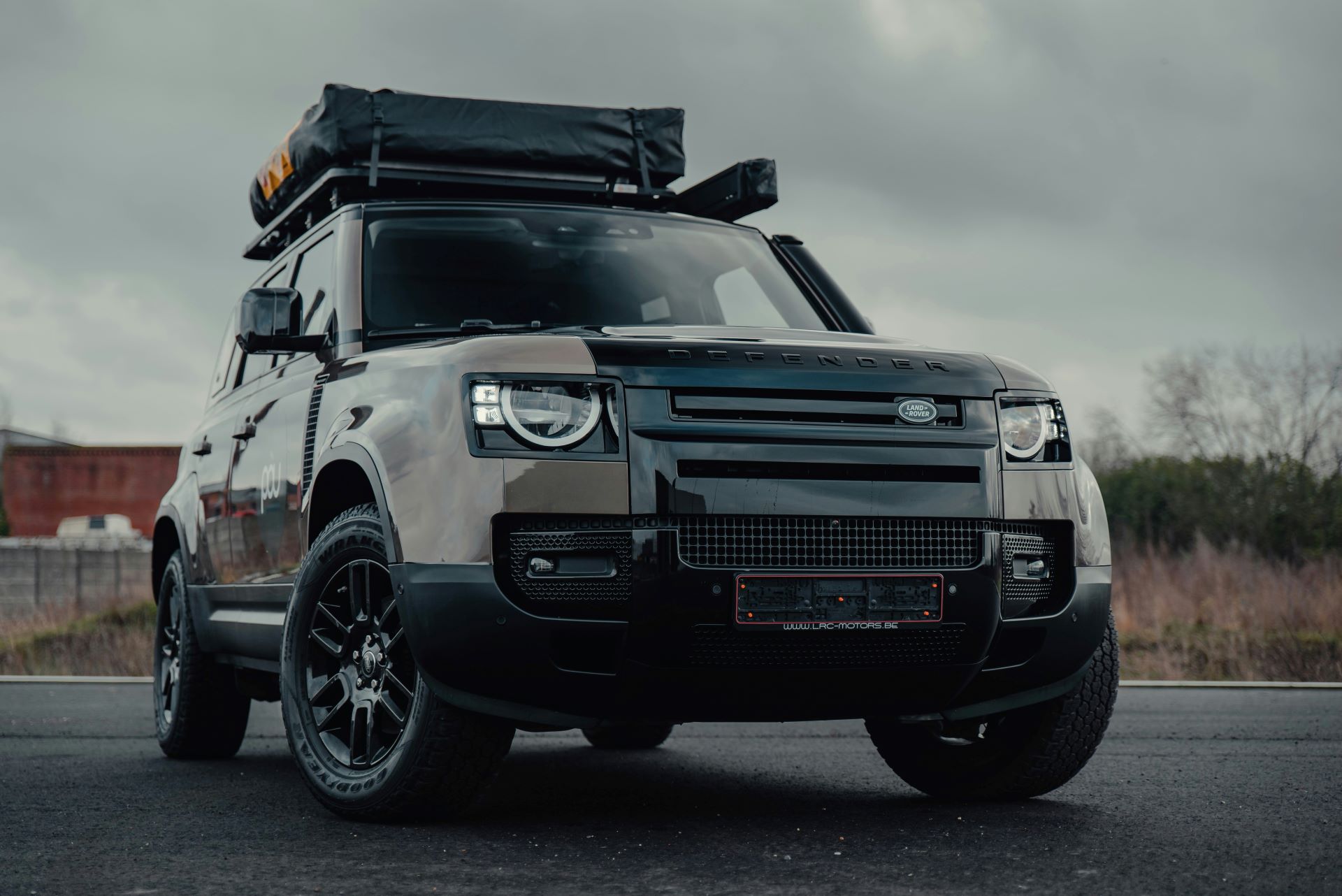
Electrification and the Eco-Conscious Rebrand
The SUVÔÇÖs ascent was not without criticism. Environmental groups long vilified these vehicles as gas-guzzlers and climate offenders. As automakers introduced hybrid and fully electric SUVs, marketing was once again compelled to pivot.
Enter the era of green luxury and tech-forward exploration. TeslaÔÇÖs Model X marketing highlighted sleek design and environmental performance, eschewing traditional automotive messaging altogether. Ford's ads for the Mustang Mach-E drew from its muscle car heritage but paired it with phrases like ÔÇ£zero emissionsÔÇØ and ÔÇ£the freedom to go furtherÔÇØ.
The contradiction of an eco-friendly SUV required delicate storytelling. Advertising took on a confident tone: ÔÇ£Yes, you can have it all.ÔÇØ Campaigns for EV crossovers emphasized innovation, autonomy, and the kind of technological confidence once reserved for Silicon Valley startups. It was no longer just about where a vehicle could take youÔÇöit was about how smart and sustainable the journey could be.
The Influence of Social Media and User-Generated Content
In the age of Instagram and TikTok, the SUV has become a lifestyle prop as much as a transportation device. And while traditional ads still hold sway, todayÔÇÖs messaging increasingly relies on user-generated content and influencer storytelling.
#VanLife, #SUVlife, and digital road trip diaries have reshaped how audiences interact with vehicles. Crossovers and compact SUVs feature prominently in lifestyle contentÔÇöfrom camping hacks to mobile workstations. Automakers have leaned in, often building marketing strategies around content creator partnerships rather than large-scale TV buys.
Messaging now lives in the feed, not just the showroom. A well-staged image of a Subaru Forester at sunrise or a Toyota Corolla Cross parked on a clifftop does more emotional heavy lifting than a spec-laden brochure ever could.
Safety, Technology, and the SUV as Sanctuary
More recently, SUV messaging has moved towards sanctuary and safety. Amid global uncertaintyÔÇöfrom pandemics to economic anxietyÔÇöthe SUV has become a symbol of protection. Campaigns emphasise driver-assist systems, infotainment connectivity, and wellness-enhancing interiors.
Volvo, for instance, has positioned its SUV lineup as ÔÇ£the ultimate expression of Scandinavian serenity.ÔÇØ Mercedes-Benz describes its EQB crossover as a ÔÇ£personal refuge.ÔÇØ AudiÔÇÖs Q-series messaging consistently leans on ÔÇ£refined strengthÔÇØ and ÔÇ£technological foresight.ÔÇØ
Today, the SUV isnÔÇÖt just a utility vehicle. ItÔÇÖs a mobile living room, a shield from chaos, a command centre for the digitally connected family. This emotional positioning underpins much of modern advertising in the segment.
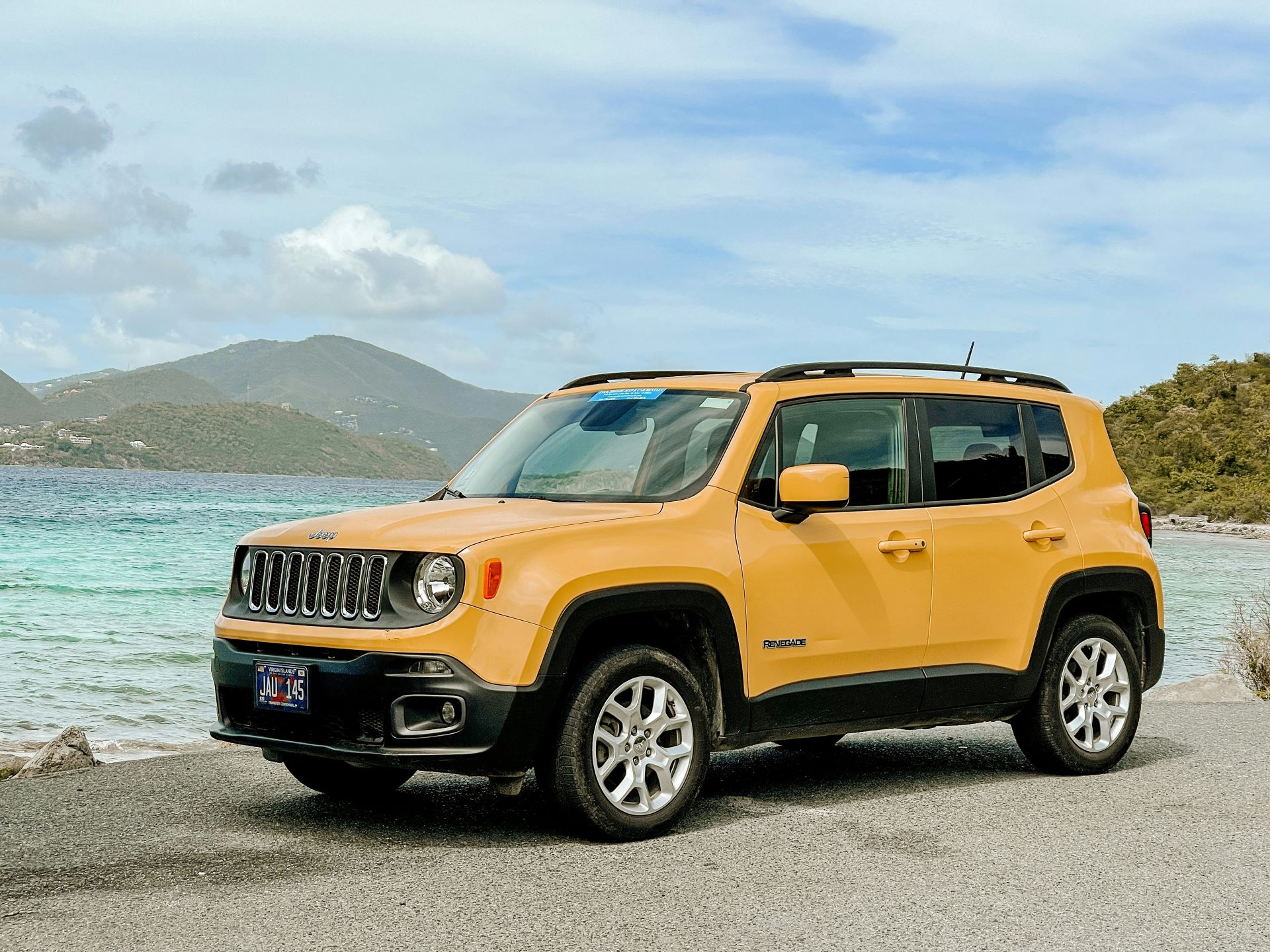
Conclusion: The Message is the Medium
The story of SUV advertising is more than a reflection of automotive evolutionÔÇöitÔÇÖs a case study in how marketing adapts to shifting cultural landscapes. From rugged escapism to tech-savvy sanctuary, the SUVÔÇÖs narrative has been reimagined countless times to resonate with each new generation of drivers.
As we head into an era of autonomous vehicles, smart cities, and post-carbon consciousness, SUV marketing will no doubt evolve once again. What will stay constant is the strategic agility of automotive messagingÔÇöforever adapting to both what people need and what they aspire to be.
In the end, the SUV surge isnÔÇÖt just a product story. ItÔÇÖs a story of perception, persuasion, and the power of narrative to move markets as much as it moves people.
Breyten Odendaal
Specializing in high-performance automotive advertising and digital marketing solutions, delivering cutting-edge insights and the latest news shaping the automotive industry in South Africa.
More From Advertising

Automotive Advertising in 2026: Selling Confidence in a More Competitive Market
As South Africa’s vehicle market becomes more competitive, automotive advertising needs to do more than announce a price or specification. It needs to help buyers understand value, ownership costs and why a vehicle suits their lives.

Automotive Digital Ads in South Africa: A Shift
Exploring how South Africa’s automotive advertising evolved from print and broadcast to data-driven, programmatic digital ecosystems.

The Video Shift in Car Buying Decisions in SA
Explore how video content shapes car purchase decisions in South Africa, comparing short-form and long-form strategies for automotive marketers.