
"Cars and musicÔÇöthey both stir the soul, they both move you." This phrase rings true for anyone who's ever revved an engine or felt their heart pound in sync with a pulsating soundtrack. But what if the two were intertwined in a way that reshaped how you experience them? In the world of automotive advertising, this fusion is no accident. Sound designÔÇöspecifically, the harmonious blend of music, engine roars, and meticulously crafted effectsÔÇöcreates an emotional connection that transcends the visual allure of a car. ItÔÇÖs the unsung hero that makes your pulse quicken as a supercar blazes across the screen, or brings a tear to your eye as a family sedan drives through an idyllic countryside.
In this article, weÔÇÖll dive into how music and sound design play a crucial role in automotive ads, exploring their psychological impact, technical artistry, and how theyÔÇÖve shaped some of the most iconic campaigns in the industry. Buckle up, and letÔÇÖs listen to the sound of speed.
The Psychology of Sound in Advertising
Overview
Sound is more than just an auditory experience; itÔÇÖs a language of emotion. Studies have shown that music can influence a viewer's mood, buying decisions, and brand recall. When it comes to car ads, sound is used not just to tell a story but to craft a feelingÔÇöone that can evoke excitement, adventure, or even nostalgia.
Emotional Connection
Think back to the last time you saw a car ad that left a lasting impression. Chances are, the music was as memorable as the visuals. Whether itÔÇÖs the soaring notes of an electric guitar underscoring a sports carÔÇÖs power, or the gentle hum of piano keys complementing the smooth lines of a luxury sedan, music sets the emotional tone. Research suggests that specific sounds can tap into deep-seated emotions, making us feel more connected to the product.
For instance, VolkswagenÔÇÖs iconic "Night Drive" ad, set to the atmospheric track "The Clapping Song" by Shirley Ellis, uses sound to create a dream-like quality. The ad doesnÔÇÖt need flashy visuals; the calm yet catchy beat syncs perfectly with the slow, graceful glide of the car, creating an almost hypnotic effect. The sound is the heartbeat of the ad, a subtle reminder that the driving experience can be just as soothing as it is exciting.
Case Studies
One of the best examples of soundÔÇÖs role in shaping automotive ads is Ford's Mustang Mach-E ÔÇ£Revolution OneÔÇØ campaign. The ad features a pulsating beat that mirrors the electric car's cutting-edge technology. The crescendo of the music aligns perfectly with the visuals of the carÔÇÖs acceleration, evoking feelings of power and innovation.
Similarly, the 2021 Lexus IS commercial, featuring a remixed version of QueenÔÇÖs ÔÇ£We Will Rock You,ÔÇØ merges the growling engine with the unmistakable beat of the song. This not only pumps up the viewer but aligns Lexus with the boldness and energy of the track, suggesting that driving this car is nothing short of electrifying.
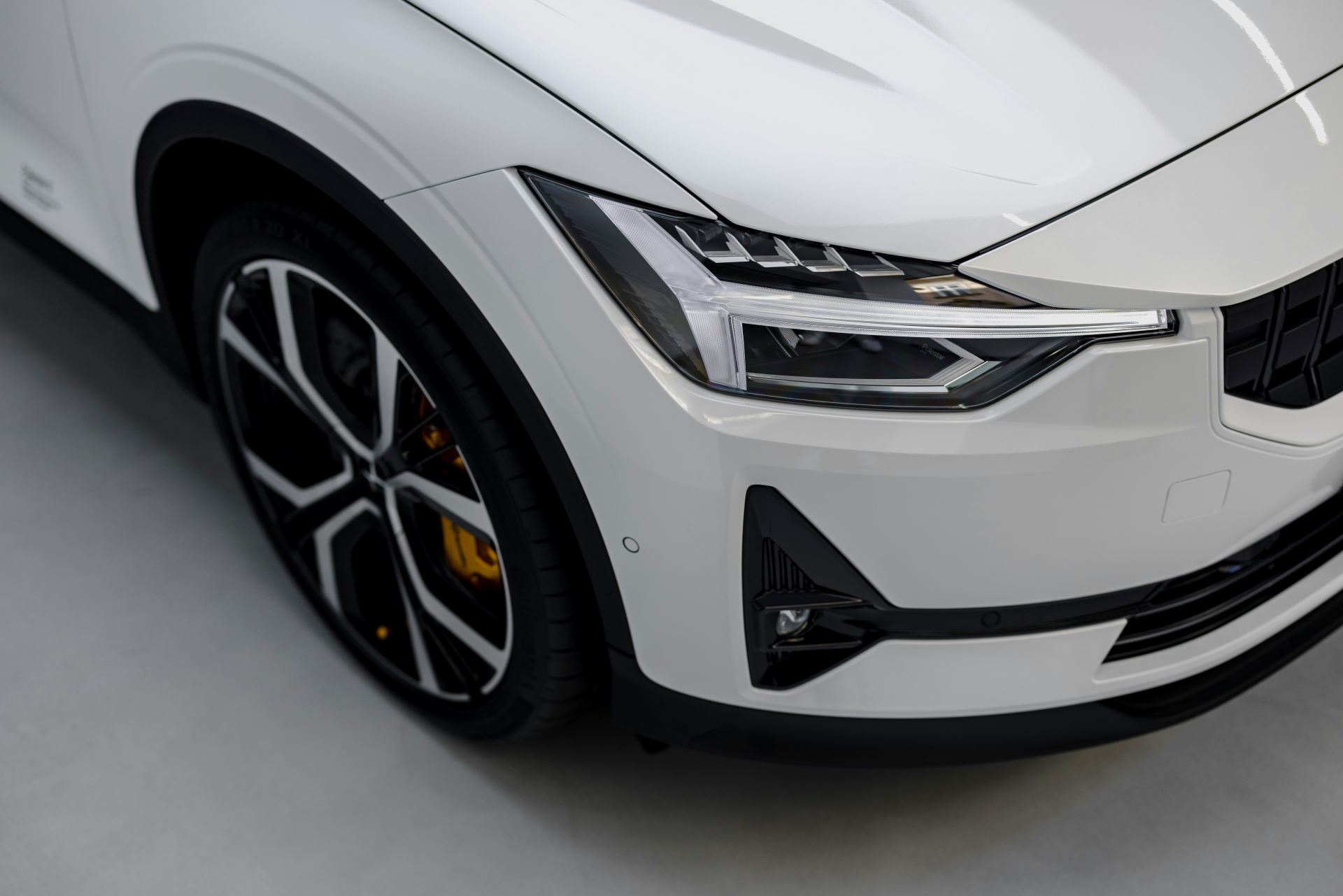
Components of Sound Design in Automotive Ads
Music Choice
The first step in crafting a sound-rich automotive ad is choosing the right music. But itÔÇÖs not as simple as picking a trending track. Every genre, tempo, and instrument choice must reflect the carÔÇÖs personality and the message the brand aims to deliver. Is the car a nimble, city-friendly hatchback? Then youÔÇÖll likely hear an upbeat, fast-paced track that reflects agility and energy. Is it a luxurious, high-end sedan? Expect a slower, more refined compositionÔÇömaybe even classical musicÔÇöthat exudes sophistication.
Advertisers also consider the tempo. Fast beats signify speed, urgency, and thrillÔÇöperfect for performance cars. Slower tempos, meanwhile, might be used for luxury vehicles or family cars, instilling a sense of calm or safety.
Engine Sounds
While music often takes center stage, thereÔÇÖs one sound that every automotive ad must get right: the engine. An engine's roar is the soul of the car, the unique auditory fingerprint that can instantly tell a driver what to expect. A throaty V8 growl can communicate brute power, while the near-silent hum of an electric motor might emphasize futuristic technology and environmental consciousness.
Take, for instance, PorscheÔÇÖs 911 ads, where the engine is treated almost as a musical instrument. The roar is more than just noise; itÔÇÖs an auditory manifestation of performance. This isnÔÇÖt just background soundÔÇöitÔÇÖs part of the narrative, a signal that this car is built for adrenaline junkies.
Other Sound Effects
Beyond the engine, sound designers weave in a tapestry of auditory cues to enhance realism. The screech of tires, the crunch of gravel under wheels, the swoosh of windÔÇöthey all serve to create a sense of immersion. These sound effects amplify the story being told on-screen. For example, tire screeches are often associated with daring maneuvers, while softer ambient sounds like wind or birds can signify a peaceful, scenic drive.
In Jaguar's F-Type "British Villains" campaign, tire screeches and the crisp sounds of the engine shifting gears add to the sense of raw power and control, immersing viewers in the high-stakes action that mirrors the villainous characters portrayed.

Techniques in Creating Sound-Rich Ads
Sound Engineering
Creating an effective soundscape for a car ad isnÔÇÖt just about picking the right sounds; itÔÇÖs about blending them seamlessly. This is where sound engineering comes in. A sound engineerÔÇÖs role is to balance music, engine noise, and sound effects in a way that enhances the visuals without overpowering them. Precision is key; a misaligned sound cue can break the illusion and pull the viewer out of the experience.
Sound engineers often layer multiple sounds to create a rich, dynamic auditory experience. A simple engine rev might consist of several recordings: one for the low rumble, one for the high-pitched acceleration, and another for the echo or reverberation as the car speeds through a tunnel.
Synchronization
Synchronizing sound with visuals is crucial for immersion. When done correctly, every engine rev, gear shift, and music note aligns with the on-screen action. This synchronization ensures that the sound doesn't just accompany the visuals but enhances them. For example, the moment a car hits top speed, the music swells to match the intensity, creating a visceral reaction in the viewer.
MazdaÔÇÖs ÔÇ£Feel AliveÔÇØ campaign beautifully synchronizes the pulsating beats of the soundtrack with the sharp turns and fast accelerations of the car, making the audience feel as though theyÔÇÖre experiencing the thrill of driving firsthand.
Innovative Practices
In recent years, sound designers have started experimenting with techniques like binaural audio, which creates a 3D sound experience when heard through headphones. This immersive audio can make viewers feel as if they are sitting in the driverÔÇÖs seat. Another innovation is the use of AI-generated soundscapes, where algorithms analyze the visual content and generate corresponding audio tracks tailored to match the mood and tempo of the ad.
Case Studies of Iconic Automotive Ads
Historical Perspective
LetÔÇÖs take a trip down memory lane. One of the most iconic examples of sound design in automotive advertising is the 1984 Audi Quattro commercial, where the car is seen climbing up a snow-covered hill. The ad features no music, just the crisp, mechanical sounds of the car in actionÔÇöthe engine revving, the wheels turning, the tires gripping the icy surface. The absence of music serves to amplify the sheer engineering prowess of the vehicle, making the sound of the car itself the star of the show.
Modern Day
Fast forward to today, and the landscape of automotive ads has evolved with more sophisticated sound design. Tesla, for example, often uses minimalist music in their ads, focusing on the eerie, almost otherworldly silence of their electric engines. This sound design choice reinforces the futuristic, environmentally friendly identity of the brand.
Impact Analysis
What makes these ads so effective is their ability to evoke emotion and create a lasting impression. The marriage of sound and visuals doesn't just tell you about the carÔÇöit makes you feel the car. Studies have shown that ads with strong auditory elements increase brand recall by up to 90%. This isnÔÇÖt just about selling cars; itÔÇÖs about creating an experience that lingers in the mind long after the ad has ended.
Future Trends
Technological Advances
As technology advances, the world of sound design in automotive ads is set to become even more immersive. Virtual and augmented reality experiences are becoming more common, allowing viewers to "test drive" a car through a 360-degree video where the sound changes based on their perspective.
Consumer Expectations
Consumers are also becoming more attuned to sound design. With the rise of platforms like Spotify and podcasts, listeners are developing a more sophisticated ear for high-quality audio. This shift means that automotive advertisers will need to continue pushing the boundaries of sound to keep up with evolving tastes.
Predictions
Looking ahead, we can expect to see more personalized sound experiences in car ads. With the use of AI, ads may one day adjust their soundtrack based on the viewerÔÇÖs preferences, offering a customized auditory experience that resonates on a deeper, more personal level.
From the first note of a song to the last echo of an engine roar, sound is the secret sauce that makes automotive ads memorable. ItÔÇÖs not just about hearingÔÇöitÔÇÖs about feeling. Music and sound design work in harmony to create an emotional connection that transcends the screen, pulling viewers into the world of the car. Whether itÔÇÖs the rev of an engine or the swell of an orchestral score, sound design in automotive advertising is here to stayÔÇöand itÔÇÖs only getting more sophisticated.
Next time you watch a car commercial, donÔÇÖt just watchÔÇölisten. You might just hear the sound of speed.
Breyten Odendaal
Specializing in high-performance automotive advertising and digital marketing solutions, delivering cutting-edge insights and the latest news shaping the automotive industry in South Africa.
More From Advertising

Automotive Advertising in 2026: Selling Confidence in a More Competitive Market
As South Africa’s vehicle market becomes more competitive, automotive advertising needs to do more than announce a price or specification. It needs to help buyers understand value, ownership costs and why a vehicle suits their lives.

Automotive Digital Ads in South Africa: A Shift
Exploring how South Africa’s automotive advertising evolved from print and broadcast to data-driven, programmatic digital ecosystems.

The Video Shift in Car Buying Decisions in SA
Explore how video content shapes car purchase decisions in South Africa, comparing short-form and long-form strategies for automotive marketers.