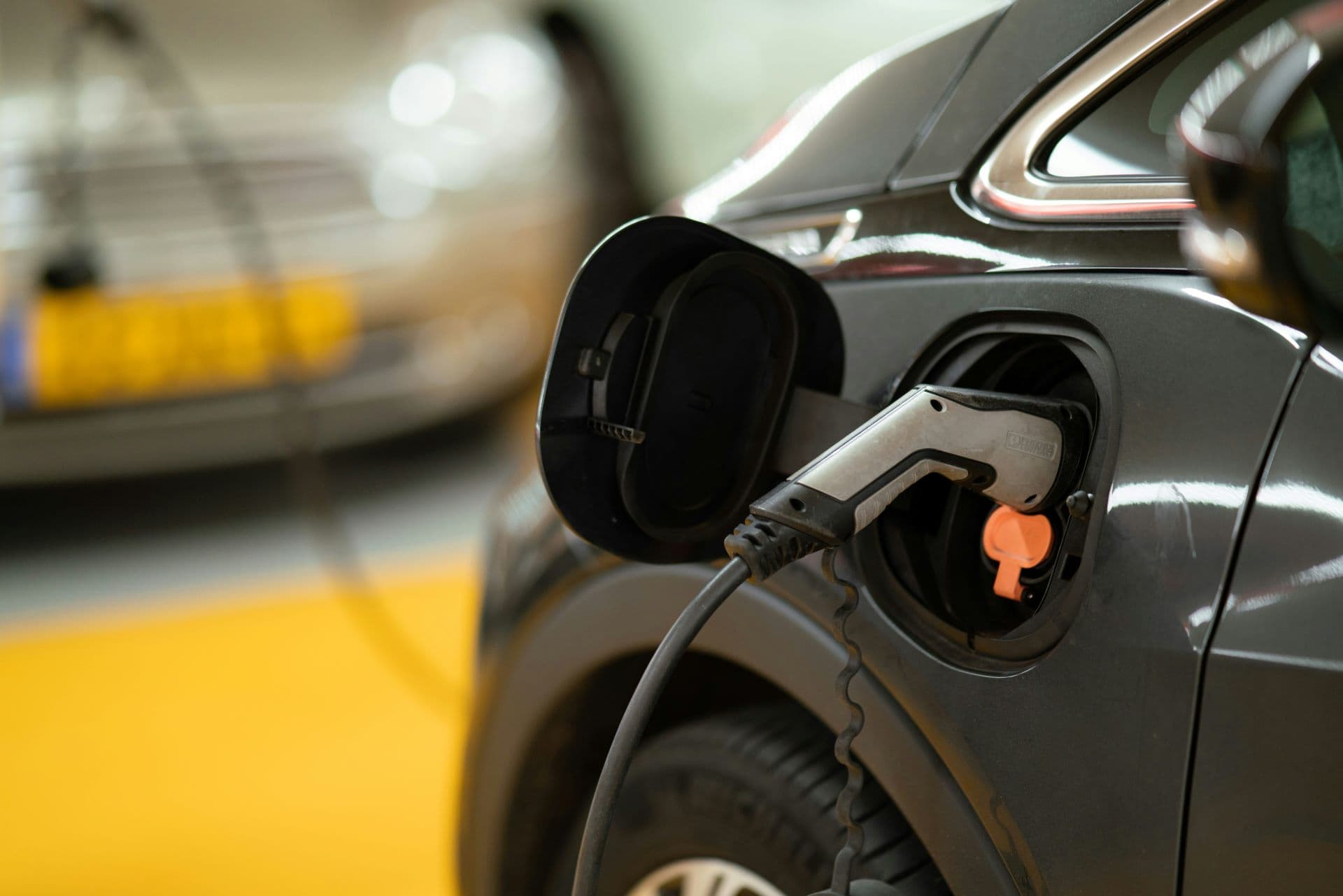
The rise of electric vehicles (EVs) represents more than just a technological evolution in the automotive industry; itÔÇÖs a silent revolution. As engines hum into quiet oblivion, the advertising world is facing a unique transformation. How do you sell the excitement of a vehicle when the roar of an engine is replaced by near-silence? How do you inspire enthusiasm for a product that many still view with skepticism, despite its futuristic appeal?
Electric vehicles arenÔÇÖt just reshaping the way we think about drivingÔÇöthey're rewriting the rulebook for how cars are sold. For automotive enthusiasts, this is a thrilling new frontier. As the industry pivots towards sustainability and innovation, advertising strategies must evolve just as rapidly. The shift brings both challenges and remarkable opportunities for creativity in ways weÔÇÖve never seen before. In this article, weÔÇÖll explore how the rise of EVs is pushing advertisers to rethink their approach, inspiring a whole new wave of marketing ingenuity that will captivate consumers and accelerate change.
The Shift to Electric: A Background
The shift from internal combustion engines (ICE) to electric vehicles didnÔÇÖt happen overnight. Environmental concerns, stringent emissions regulations, and advances in battery technology set the stage for what has become one of the most significant shifts in automotive history. As governments across the world commit to phasing out gasoline-powered cars in favor of cleaner alternatives, the momentum towards electric mobility is unstoppable.
Pioneers like Tesla sparked this revolution, positioning themselves as more than car manufacturersÔÇöthey became symbols of innovation, clean energy, and a sustainable future. Following in their wake, established giants like Ford, General Motors, and Volkswagen began shifting their focus to electric vehicles. Each new EV launch, from PorscheÔÇÖs Taycan to FordÔÇÖs Mustang Mach-E, has demonstrated that electric doesnÔÇÖt mean compromiseÔÇöit can mean progress, performance, and a new standard of luxury.
Yet with this revolution comes an entirely new challenge: how to communicate these advances to the public. Advertising has always relied on sensory experiencesÔÇöthe growl of an engine, the thrill of acceleration. So, how does one capture that same emotional response when the experience of driving an EV is so different?
Challenges in Advertising EVs
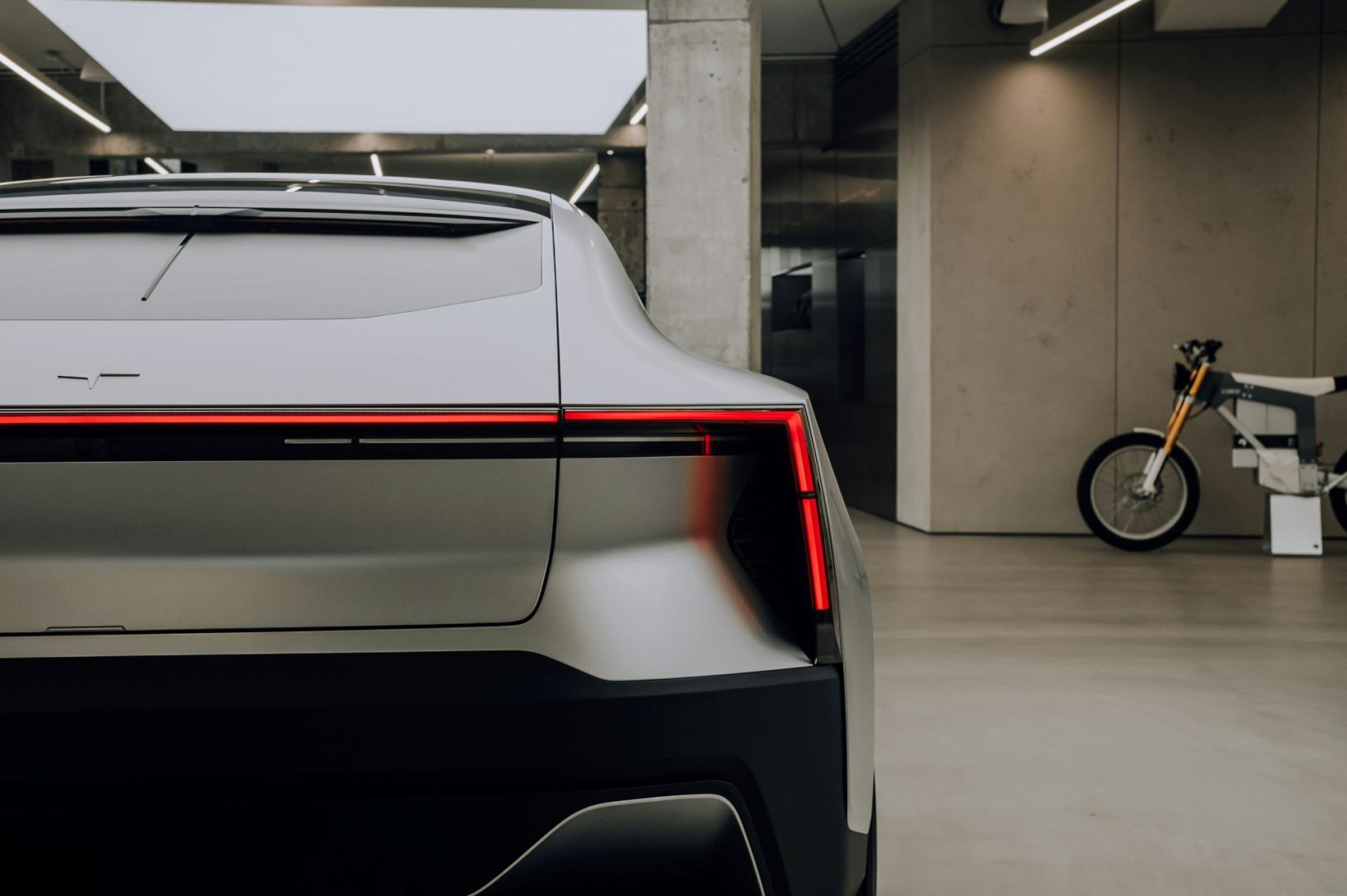
Advertising a traditional car has always been about excitement, speed, and visceral experiences. You hear the rev of the engine, feel the power of the car, and imagine yourself behind the wheel, conquering the open road. But EVs operate differentlyÔÇöboth literally and in the minds of consumers. One of the greatest challenges in advertising EVs is how to replace the auditory thrill of a gasoline engine with something equally compelling.
Without the familiar sounds of an engine to stir the soul, advertisers must find new ways to engage their audience. Additionally, common misconceptions about electric vehiclesÔÇösuch as concerns over range, charging infrastructure, or perceived lack of performanceÔÇöpose additional hurdles. "Range anxiety" is a particularly tough issue, as many potential buyers fear running out of charge before they can reach a station, despite the fact that most modern EVs offer sufficient range for daily needs.
The challenge is psychological as well as technical. Many consumers still associate power with noise; the roar of a sports car conveys authority and excitement. In contrast, the silence of an EV can feel unfamiliar, even unsettling, to some. How do you sell the future when parts of the market are still emotionally tied to the past?
Innovative Opportunities for EV Advertising
Despite these challenges, the rise of EVs has also sparked a wave of innovation in automotive advertising. Instead of relying on old tropes, advertisers are turning to digital platforms and interactive technology to create immersive experiences that showcase the benefits of EVs in a fresh light.
Augmented reality (AR) and virtual reality (VR) are two technologies that have become game-changers in the EV advertising space. Brands like Audi have created VR experiences where potential buyers can virtually ÔÇ£test driveÔÇØ electric models from the comfort of their own homes. This not only allows consumers to experience the carÔÇÖs features firsthand but also taps into the futuristic narrative that surrounds EVsÔÇöshowcasing their cutting-edge technology in an equally innovative way.
Interactive advertisements have also made waves, where users can explore the environmental benefits of EVs, calculate potential savings on fuel, and visualize themselves in the car. TeslaÔÇÖs minimalist advertising, for example, focuses not on selling the car but selling the concept of a better, cleaner future. ItÔÇÖs less about raw power and more about aligning consumers with a lifestyle.
Brands like Hyundai have capitalized on their EV technology by creating emotionally charged campaigns that focus on sustainability and hope for future generations. One recent campaign encouraged viewers to think beyond themselves and consider the legacy theyÔÇÖll leave behindÔÇödrawing on the emotional and environmental benefits of owning an EV. This type of storytelling has proven to be particularly effective in creating an emotional connection between the consumer and the product.
Shaping the Future: The Role of Branding and Storytelling
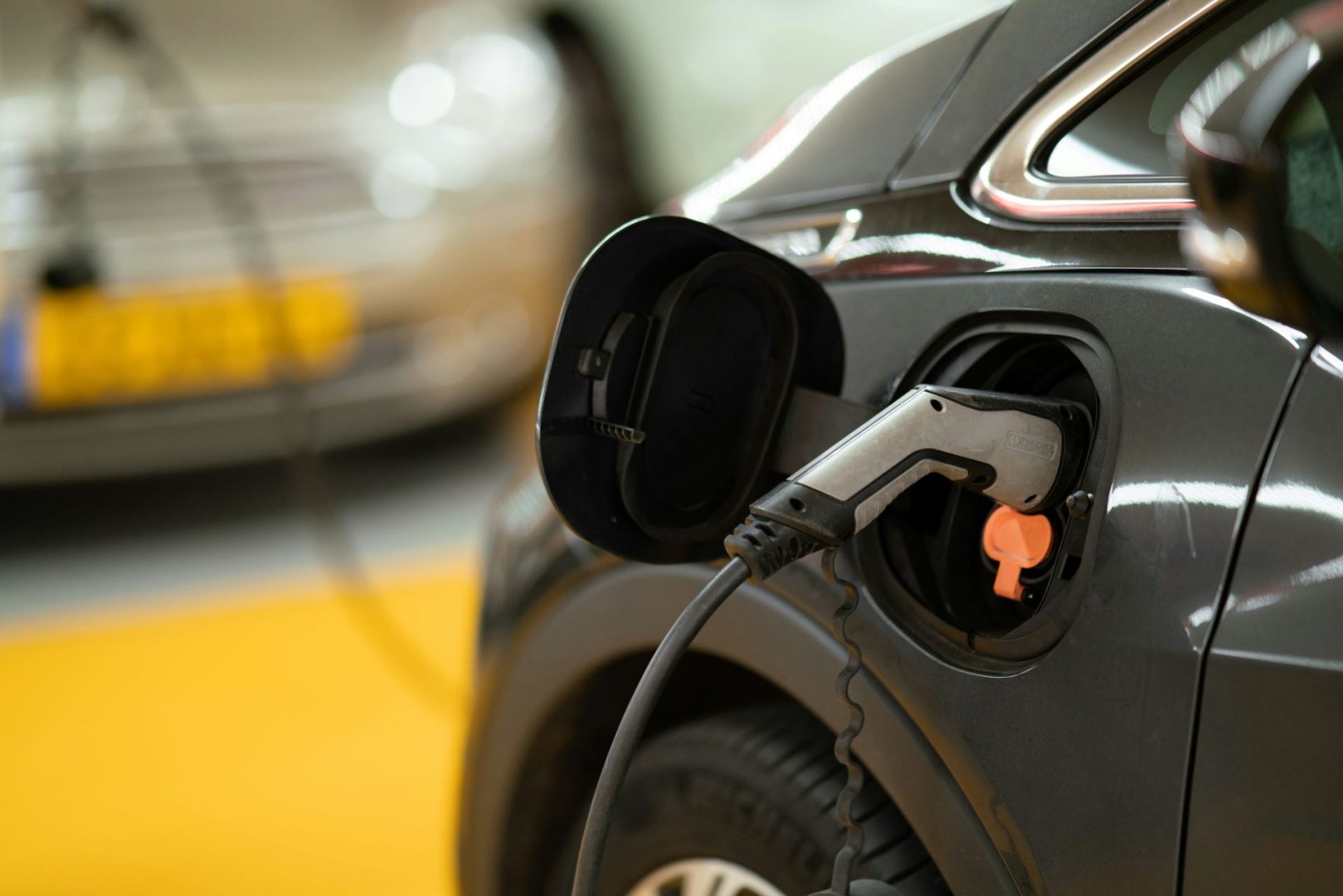
As electric vehicles continue to evolve, so too does the importance of brand identity in advertising. For EV brands, the story is no longer just about performance or speedÔÇöitÔÇÖs about values. Consumers increasingly expect the brands they support to reflect their own personal values, particularly when it comes to sustainability.
Tesla, for example, doesnÔÇÖt just sell cars; it sells the future. Its brand is built around the vision of a cleaner, greener planet where cutting-edge technology solves the problems of today. Similarly, brands like Volvo and BMW have positioned themselves as leaders in safety and sustainability, embedding these core messages into their advertising campaigns.
But storytelling doesnÔÇÖt just help build a brandÔÇöit creates loyalty. When consumers believe that a brand stands for something larger than the product, theyÔÇÖre more likely to form an emotional attachment, which can drive long-term success. In the case of EVs, this attachment often revolves around the idea that purchasing an electric vehicle isnÔÇÖt just buying a car; itÔÇÖs making a statement. ItÔÇÖs a commitment to the environment, to future generations, and to progress.
The Motivational Edge: Encouraging Change and Adoption
This transition isnÔÇÖt just a shift in technology; itÔÇÖs a cultural and societal change. For automotive enthusiasts, itÔÇÖs an exciting time to witness this evolution firsthand and play a role in shaping the future of driving.
Brands leading the EV revolution arenÔÇÖt just selling carsÔÇötheyÔÇÖre driving change. Take NissanÔÇÖs ÔÇ£Electrify the WorldÔÇØ campaign, which calls on consumers to join a global movement towards sustainability. Or VolkswagenÔÇÖs ÔÇ£Way to ZeroÔÇØ initiative, which highlights the companyÔÇÖs commitment to becoming carbon neutral by 2050. These campaigns tap into a deep well of motivation by encouraging consumers to see themselves as part of a larger, positive transformation.
ItÔÇÖs not just about buying a car anymoreÔÇöitÔÇÖs about contributing to a better world. For enthusiasts, this is an opportunity to embrace the future of automotive innovation while supporting the environmental cause.

As the automotive industry pivots towards electric mobility, the world of advertising is evolving just as quickly. EVs bring unique challengesÔÇöhow do you replace the sound of power with the silence of progress? But they also open up remarkable new opportunities for creativity and innovation.
For automotive enthusiasts, this is an exciting time to witness the next chapter in the industryÔÇÖs story. EVs arenÔÇÖt just vehicles; theyÔÇÖre symbols of change, progress, and a brighter future. As advertising strategies evolve to reflect this shift, itÔÇÖs clear that the silent sellerÔÇöthe electric vehicleÔÇöis leading a revolution that will redefine the way we think about cars for generations to come.
Now, more than ever, the future of driving is in our hands. LetÔÇÖs embrace it.
Breyten Odendaal
Specializing in high-performance automotive advertising and digital marketing solutions, delivering cutting-edge insights and the latest news shaping the automotive industry in South Africa.
More From Advertising

Automotive Advertising in 2026: Selling Confidence in a More Competitive Market
As South Africa’s vehicle market becomes more competitive, automotive advertising needs to do more than announce a price or specification. It needs to help buyers understand value, ownership costs and why a vehicle suits their lives.

Automotive Digital Ads in South Africa: A Shift
Exploring how South Africa’s automotive advertising evolved from print and broadcast to data-driven, programmatic digital ecosystems.

The Video Shift in Car Buying Decisions in SA
Explore how video content shapes car purchase decisions in South Africa, comparing short-form and long-form strategies for automotive marketers.