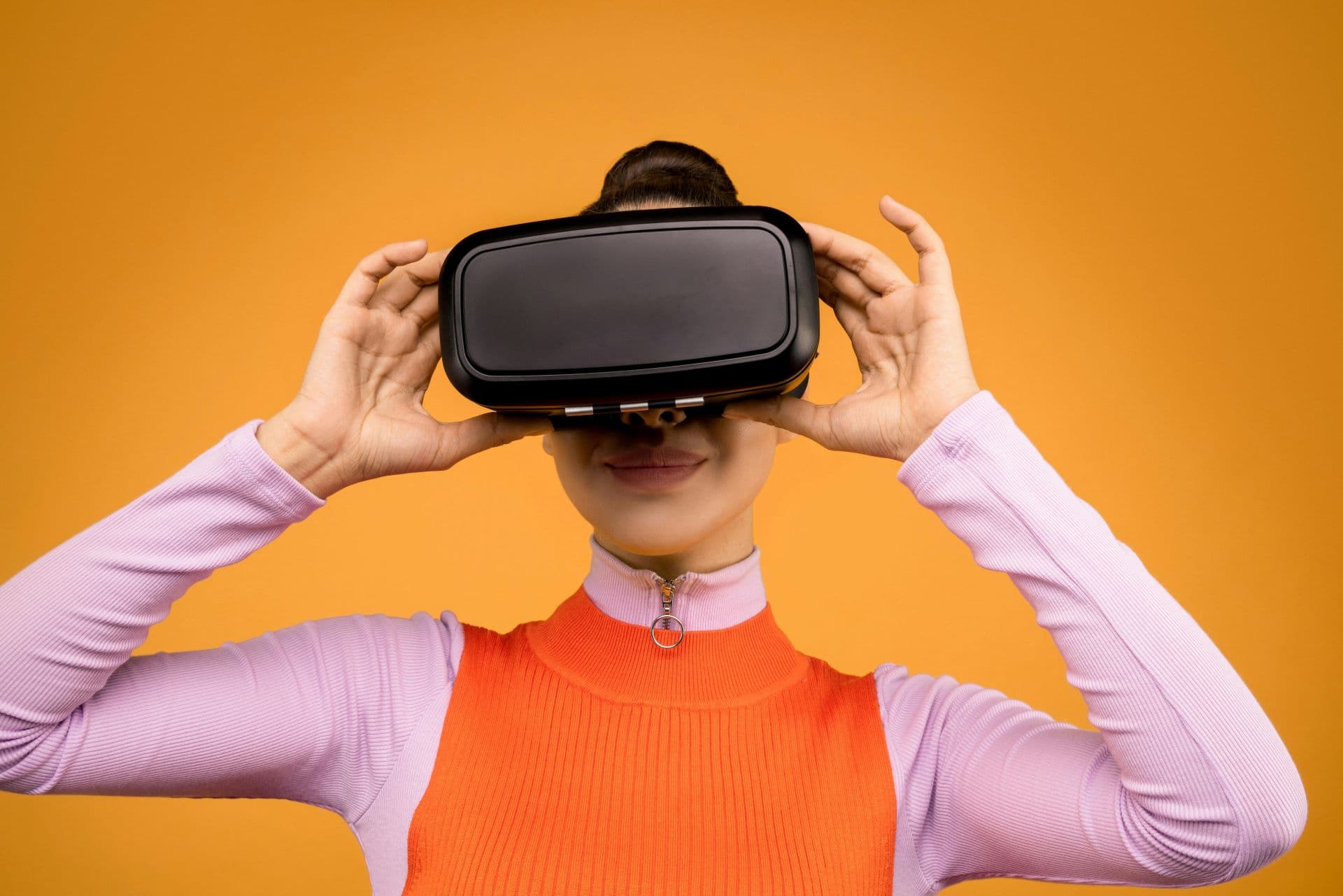
The fascination with cars goes beyond mere admiration; itÔÇÖs an experience of emotion and aspiration, fueled by the thrill of driving and the allure of cutting-edge design. As automotive enthusiasts, we revel in the evolution of the vehicles we adore. Now, the automotive showroomÔÇötraditionally a space of glossy displays and static presentationsÔÇöis undergoing a remarkable transformation. Enter Virtual Reality (VR), a technological marvel that is redefining how we engage with automotive advertising. This innovation is not just a passing trend; itÔÇÖs a revolution, offering a portal into immersive experiences that transcend the limitations of conventional showrooms.
The Evolution of Automotive Showrooms
Automotive showrooms have come a long way from their humble beginnings. In the early 20th century, car showrooms were simple spaces where customers could view and test drive vehicles. As decades passed, these spaces evolved with better lighting, sophisticated displays, and interactive features. Despite these advancements, traditional showrooms have their constraintsÔÇölimited space, static displays, and a lack of interactive elements often hinder the full appreciation of a vehicle's capabilities.
The growing demand for more dynamic and engaging experiences has paved the way for VR. As consumers seek more personalized and interactive ways to explore vehicles, the automotive industry has recognized the need for innovation in showroom presentation. VR promises to bridge this gap, offering an engaging solution that captures the imagination of car enthusiasts and potential buyers alike.
Introduction to Virtual Reality (VR)
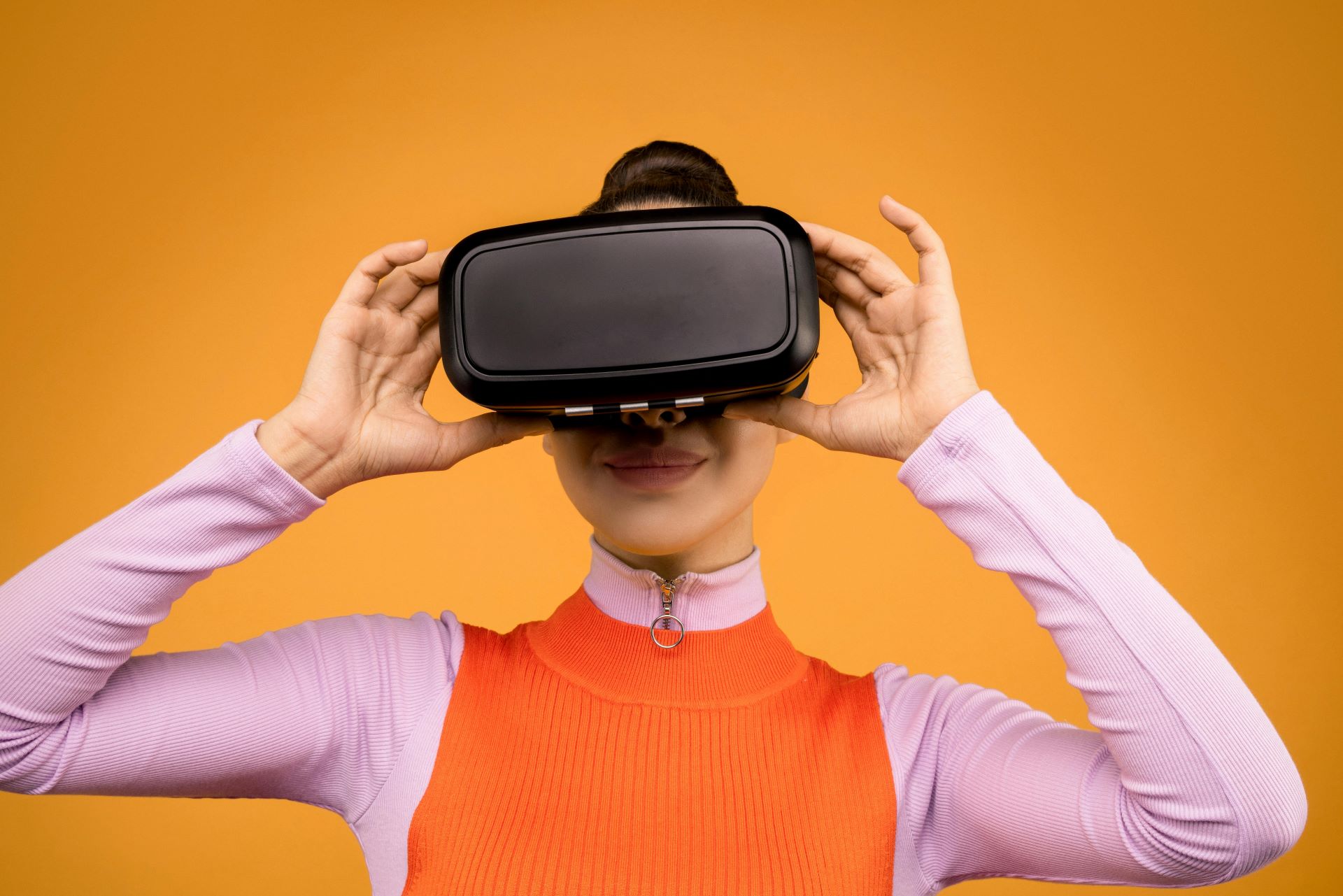
Virtual Reality (VR) is a technology that creates a simulated environment, immersing users in a digital world that can mimic or completely differ from the real one. At its core, VR relies on headsets equipped with sensors and displays to create a sense of presence in a virtual space. Advanced VR systems also incorporate hand controllers and haptic feedback to enhance the interactive experience.
While VR has found applications across various sectorsÔÇöfrom gaming to educationÔÇöthe automotive industry is discovering its potential for transforming showroom advertising. The ability to create realistic, interactive 3D environments makes VR an ideal tool for showcasing vehicles in a way that goes beyond traditional advertising methods.
Impact of VR on Automotive Showroom Advertising
The integration of VR into automotive showrooms represents a leap forward in customer engagement. VR technology allows for immersive, 360-degree views of vehicles, enabling customers to explore every detail of a car as if they were physically present. This level of interaction is a game-changer, as it provides a deeper connection to the vehicle, fostering a stronger emotional response.
Furthermore, VR allows customers to customize and visualize various car features and configurations in real-time. Whether it's changing the color of the exterior, adjusting the interior materials, or exploring different trims, VR provides a hands-on experience that traditional showrooms struggle to offer. Leading automotive brands have embraced this technology with successful VR campaigns that not only captivate potential buyers but also drive higher engagement and conversion rates.

Technical Aspects and Implementation
Setting up a VR showroom involves several technical considerations. Hardware requirements include high-resolution VR headsets, powerful computers or gaming consoles, and motion tracking systems. On the software side, creating a VR experience involves 3D modeling of vehicles, developing interactive elements, and ensuring a seamless integration with VR platforms.
The process of developing VR content requires collaboration between automotive designers, VR developers, and creative teams. While challenges such as high development costs and technical complexities exist, solutions are emerging. Advances in VR technology and decreasing costs are making it increasingly feasible for dealerships to implement VR showrooms.
Benefits to Customers and Dealerships
For customers, VR enhances the showroom experience by offering a more engaging and informative way to explore vehicles. The ability to interact with a car virtually allows for better-informed purchasing decisions, as buyers can experience different configurations and features before making a choice. Convenience is also a significant advantage, as VR showrooms can offer a virtual tour from the comfort of oneÔÇÖs home.
Dealerships benefit from VR by standing out in a competitive market. Enhanced customer satisfaction and higher engagement can lead to improved sales conversions. Case studies have shown that dealerships with VR showrooms experience increased foot traffic and a more streamlined sales process. For instance, brands like Audi and Volvo have successfully implemented VR to great effect, demonstrating the technologyÔÇÖs potential to revolutionize automotive advertising.
Future Prospects of VR in Automotive Advertising
The future of VR in automotive advertising is brimming with potential. Emerging trends such as enhanced VR realism, integration with Augmented Reality (AR), and advancements in Artificial Intelligence (AI) could further transform the showroom experience. These technologies promise to create even more immersive and personalized customer interactions, making automotive shopping more dynamic than ever.
As VR technology continues to evolve, its impact on the automotive industry will likely expand. From seamless integration with online platforms to the creation of fully interactive virtual dealerships, the possibilities are exciting. The broader implications for the industry could include a reimagined approach to car buying, where virtual and physical experiences blend harmoniously.
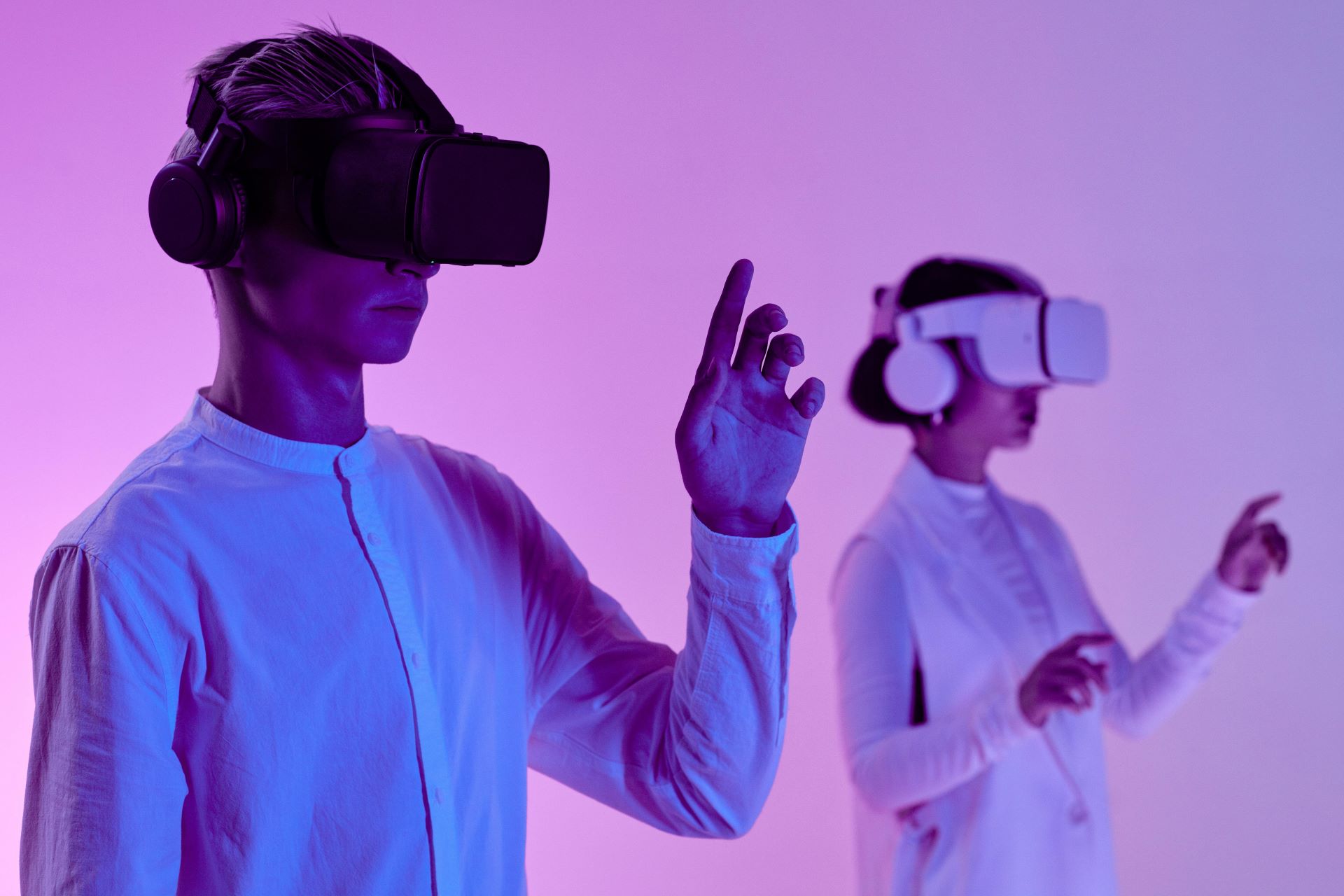
Virtual Reality is not just a fleeting innovation; itÔÇÖs a transformative force in automotive showroom advertising. By offering immersive and interactive experiences, VR is reshaping how we explore and engage with vehicles. As the technology continues to advance, it promises to further revolutionize the automotive industry, creating new opportunities for both customers and dealerships.
Automotive enthusiasts eager to experience the future of car showrooms should visit dealerships and brands that are leading the way in VR adoption. Explore virtual showrooms, engage with interactive car models, and witness firsthand the next frontier of automotive advertising. Stay informed about the latest developments in VR and automotive innovation to ensure youÔÇÖre at the forefront of this exciting transformation.
Breyten Odendaal
Specializing in high-performance automotive advertising and digital marketing solutions, delivering cutting-edge insights and the latest news shaping the automotive industry in South Africa.
More From Advertising

Automotive Advertising in 2026: Selling Confidence in a More Competitive Market
As South Africa’s vehicle market becomes more competitive, automotive advertising needs to do more than announce a price or specification. It needs to help buyers understand value, ownership costs and why a vehicle suits their lives.

Automotive Digital Ads in South Africa: A Shift
Exploring how South Africa’s automotive advertising evolved from print and broadcast to data-driven, programmatic digital ecosystems.

The Video Shift in Car Buying Decisions in SA
Explore how video content shapes car purchase decisions in South Africa, comparing short-form and long-form strategies for automotive marketers.