
In an age where digital innovation is paramount, the automotive industry stands at the forefront of technological advancement. A staggering 70% of car buyers now rely on online resources before visiting a dealership, highlighting the necessity for a captivating showroom experience. This statistic underscores the critical role of virtual reality (VR) in transforming how customers interact with vehicles before making a purchase.
Virtual reality, a technology that immerses users in a computer-generated environment, has transcended its gaming roots and is now revolutionizing various sectors, including healthcare, education, and notably, automotive. From enhancing customer engagement to streamlining the purchasing process, VR is poised to redefine the automotive landscape. This article aims to explore the multifaceted role of virtual reality in automotive showrooms and advertising, shedding light on how it enhances customer experiences and influences buying behavior.
The Evolution of Automotive Showrooms
Traditional Showroom Experience
For decades, the traditional automotive showroom experience has revolved around the physical interaction between potential buyers and the vehicles on display. Customers typically entered showrooms with a set list of models in mind, greeted by sales representatives eager to provide information. While this setup fostered a degree of engagement, it also presented significant limitations. Space constraints meant that dealerships could only display a limited selection of vehicles, and customers often felt pressured by sales tactics, which detracted from a relaxed, informative shopping experience.
The Integration of VR Technology
The initial integration of VR technology into showrooms began as a curiosity but quickly evolved into a necessity as automotive brands recognized its potential to enhance the customer experience. Pioneering brands like Audi and BMW embraced VR, introducing immersive experiences that allowed customers to explore vehicle features in ways that were previously unimaginable. The early adoption of VR in showrooms marked a pivotal moment, demonstrating the potential to break free from the confines of traditional automotive retail.
Key Milestones in VR Evolution
Several milestones highlight the evolution of VR within the automotive sector. One significant turning point was the launch of AudiÔÇÖs "Virtual Showroom" in 2015, enabling customers to engage with a 3D model of their desired vehicle. This innovation was soon followed by BMWÔÇÖs use of VR headsets at various auto shows, allowing attendees to experience a virtual test drive of their latest models. Today, the use of VR has become more sophisticated, integrating not only 3D modeling but also interactive features that cater to customer preferences and needs.
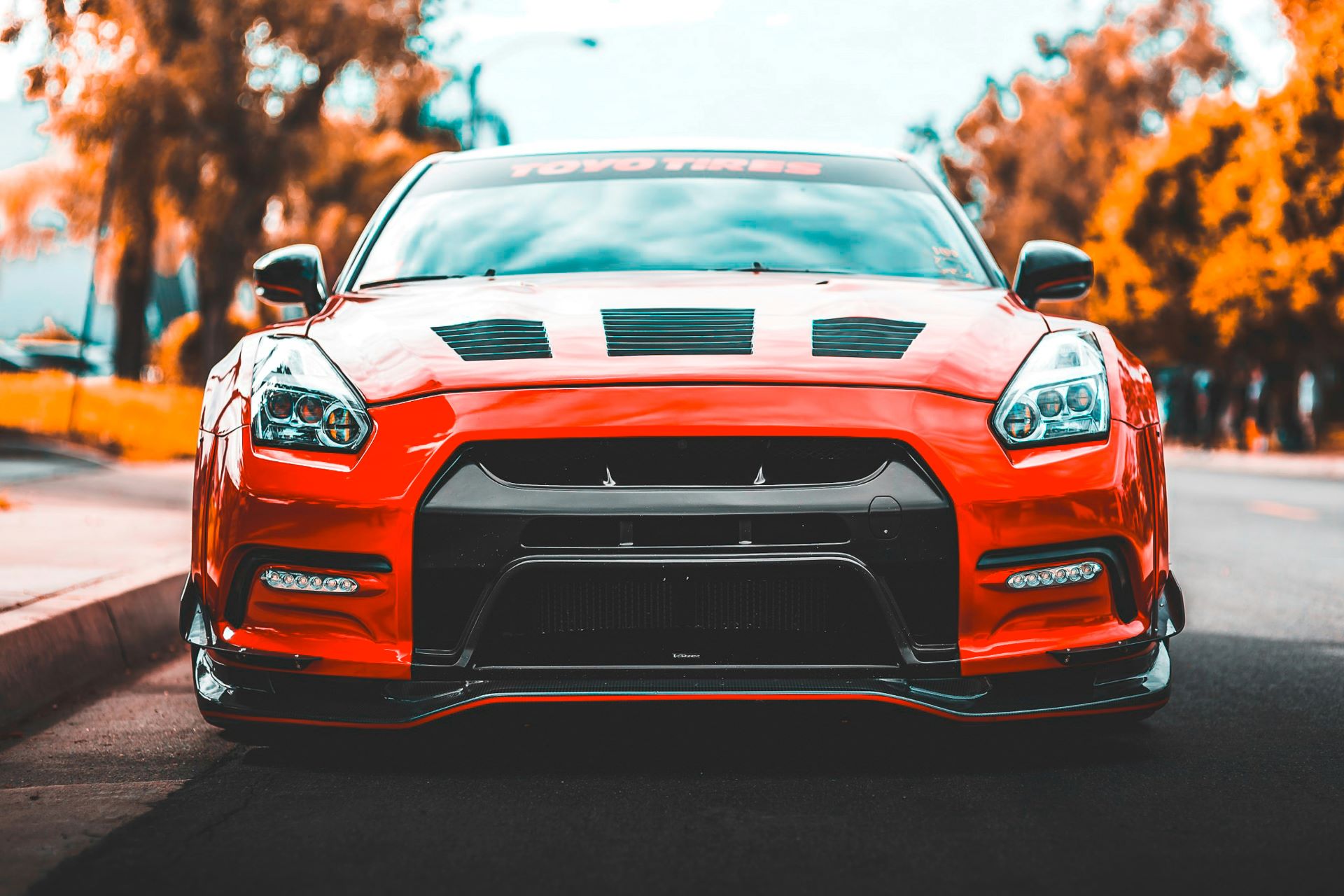
Virtual Reality in Automotive Showrooms
Enhancing Customer Experience
Today, VR technology is utilized in automotive showrooms to create a more engaging and informative customer experience. Instead of merely viewing a car, customers can don a VR headset and step into a virtual environment where they can customize vehicles, explore various models, and even experience a virtual test drive. This immersive experience not only engages customers but also empowers them to make informed decisions.
Major Brands Leading the Charge
Several major automotive brands have successfully implemented VR into their showrooms. Audi, for example, offers an immersive experience where customers can virtually customize their vehicles, from choosing paint colors to selecting interior finishes. This level of personalization not only captivates customers but also enhances their emotional connection to the brand.
BMW has also embraced VR technology with their "Virtual Experience" platform, where customers can interact with 3D models of vehicles, exploring intricate details up close. Furthermore, Tesla has utilized VR in their showrooms to allow customers to experience their vehiclesÔÇÖ features and performance in a simulated environment, breaking down the barriers of traditional test drives.
Technical Aspects of VR Applications
The technical aspects of VR applications in showrooms are equally fascinating. Using high-resolution 3D modeling, VR applications can create lifelike representations of vehicles, allowing customers to view every angle and detail. Additionally, advanced motion tracking technology enables users to interact with the virtual environment naturally, simulating real-world movements and experiences.
Furthermore, virtual test drives offer a unique opportunity for customers to experience a vehicle's performance without ever leaving the showroom. These simulations allow customers to feel the thrill of driving a new car, providing a compelling reason to consider a purchase.
Benefits for Customers
The benefits of VR technology in automotive showrooms are manifold. Customers enjoy a more personalized experience, where they can explore various models and customizations without the constraints of physical inventory. This freedom enhances satisfaction and fosters a sense of ownership, ultimately leading to more informed purchasing decisions. Moreover, the absence of high-pressure sales tactics often found in traditional dealerships allows for a more relaxed and enjoyable shopping environment.
Virtual Reality in Automotive Advertising
Revolutionizing Marketing Strategies
The impact of VR extends beyond the showroom floor; it is revolutionizing automotive advertising and marketing strategies. Traditional advertising methods, while still relevant, often fail to create lasting impressions in a crowded marketplace. In contrast, VR advertising creates immersive experiences that engage consumers on a deeper level, fostering a stronger connection with the brand.
Successful VR Advertising Campaigns
Several automotive brands have successfully leveraged VR in their advertising campaigns. For instance, Jaguar launched a campaign titled "I-PACE: The Drive," allowing consumers to virtually experience the electric vehicle's capabilities through immersive storytelling. This campaign not only showcased the vehicle's features but also positioned Jaguar as a forward-thinking brand in the EV space.
Another notable example is Ford's "Go Further" campaign, which used VR to provide customers with a virtual tour of their vehicles' advanced technology and safety features. This innovative approach helped Ford communicate its brand values and connect with consumers in a memorable way.
Impact on Consumer Engagement
The impact of VR on consumer engagement is profound. Studies show that immersive experiences can significantly enhance brand perception, with consumers more likely to recall and share their experiences with others. Additionally, VR advertising enables brands to create interactive experiences that encourage participation, leading to higher engagement rates compared to traditional media.
Creating Memorable Experiences
VR advertising has the potential to create memorable and interactive experiences that leave a lasting impression. Unlike static ads or traditional video commercials, VR allows consumers to engage with the brand in a dynamic and interactive manner. This not only enhances brand recall but also fosters emotional connections, increasing the likelihood of customer loyalty.

The Impact of VR on Consumer Buying Behavior
Influencing Purchasing Decisions
The integration of VR technology into the automotive purchasing journey has significant implications for consumer buying behavior. Research indicates that VR experiences can enhance consumersÔÇÖ emotional connections to products, which is a crucial factor in their decision-making processes. By immersing customers in a virtual environment, automotive brands can create a sense of ownership and excitement around their vehicles.
Customer Behavior Insights
Studies conducted on customer behavior insights gleaned from VR showroom experiences reveal that consumers are more likely to convert after engaging with VR technology. According to a study by the University of Southern California, customers who participated in VR experiences reported a 25% increase in likelihood to purchase a vehicle compared to those who did not.
Increasing Sales Conversion Rates
The potential for VR to increase sales conversion rates is evident in the automotive sector. By offering virtual test drives and immersive experiences, brands can overcome common objections to purchasing, such as the fear of buyer's remorse or uncertainty about vehicle features. This heightened confidence translates to higher sales conversion rates and improved customer satisfaction.
Challenges and Future Prospects
Current Limitations and Challenges
Despite the numerous advantages of VR in the automotive industry, several challenges remain. High implementation costs, technological barriers, and the need for ongoing maintenance can deter some dealerships from fully embracing VR. Additionally, not all consumers are familiar with or comfortable using VR technology, which may limit its reach.
Potential Solutions and Innovations
To overcome these challenges, automotive brands can explore partnerships with technology companies to reduce costs and streamline implementation. Continued advancements in VR technology, such as improved accessibility and affordability, will also facilitate broader adoption in the automotive sector.
Future Prospects: AR and MR Technolog
Looking ahead, the future prospects of VR in automotive showrooms and advertising are promising. The integration of augmented reality (AR) and mixed reality (MR) technologies offers exciting opportunities for enhancing customer experiences further. Imagine a scenario where customers can use AR applications to visualize how a new car would look in their driveway or customize features in real-time during a virtual showroom visit.
As these technologies continue to evolve, the automotive industry will likely see an even greater fusion of digital and physical experiences, reshaping how consumers engage with vehicles and brands.
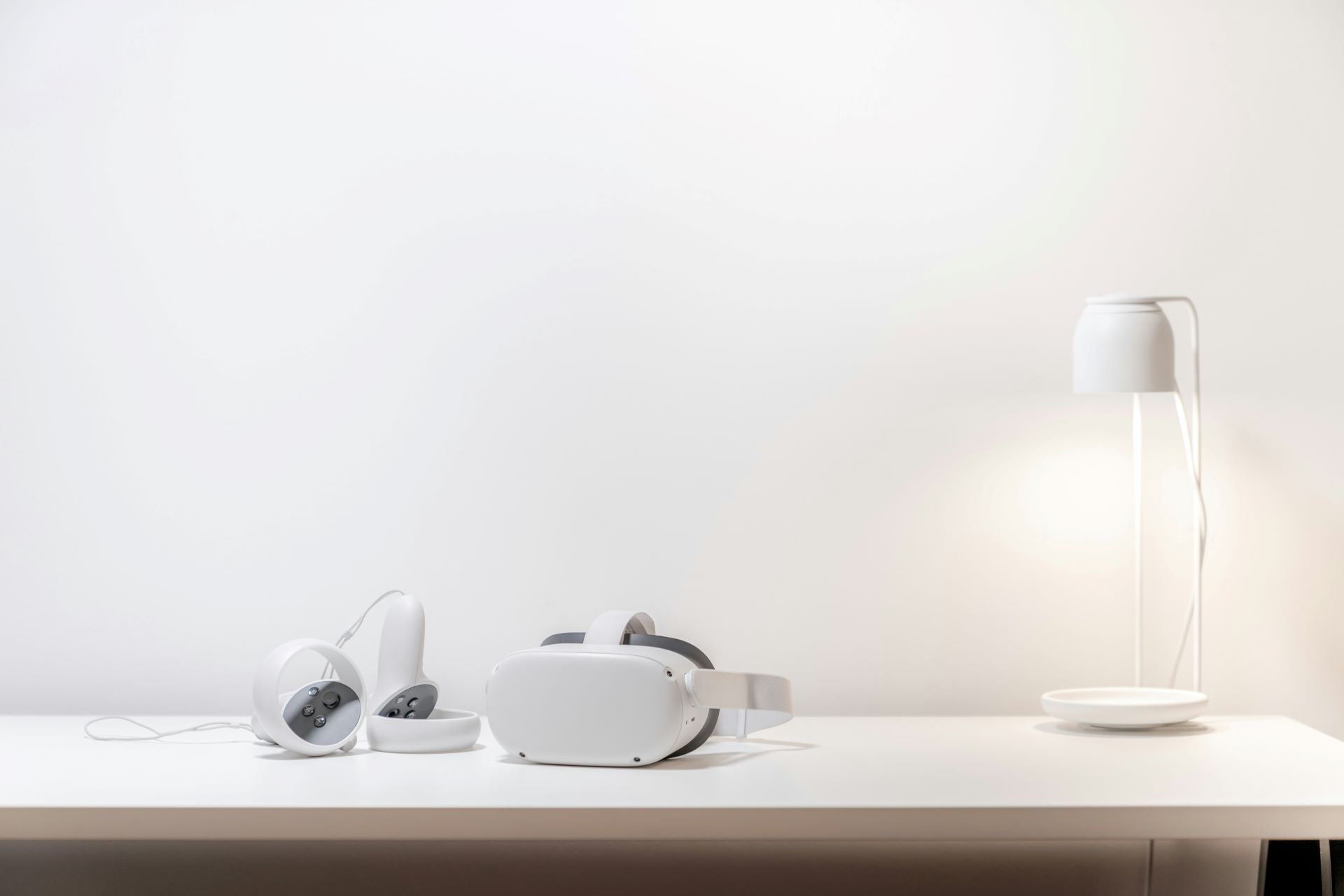
In conclusion, the role of virtual reality in automotive showrooms and advertising is a transformative force in the industry. From enhancing customer experiences to revolutionizing marketing strategies, VR technology has the potential to reshape the automotive customer journey fundamentally. As brands continue to innovate and embrace new technologies, the future of automotive retail and advertising looks increasingly immersive and engaging.
As we move forward, the integration of VR, AR, and MR technologies will further enhance how consumers interact with vehicles, creating a more personalized and memorable experience that will ultimately drive sales and foster brand loyalty. The automotive industry is on the brink of a digital revolution, and virtual reality is leading the charge.
Breyten Odendaal
Specializing in high-performance automotive advertising and digital marketing solutions, delivering cutting-edge insights and the latest news shaping the automotive industry in South Africa.
More From Advertising

Automotive Advertising in 2026: Selling Confidence in a More Competitive Market
As South Africa’s vehicle market becomes more competitive, automotive advertising needs to do more than announce a price or specification. It needs to help buyers understand value, ownership costs and why a vehicle suits their lives.

Automotive Digital Ads in South Africa: A Shift
Exploring how South Africa’s automotive advertising evolved from print and broadcast to data-driven, programmatic digital ecosystems.

The Video Shift in Car Buying Decisions in SA
Explore how video content shapes car purchase decisions in South Africa, comparing short-form and long-form strategies for automotive marketers.