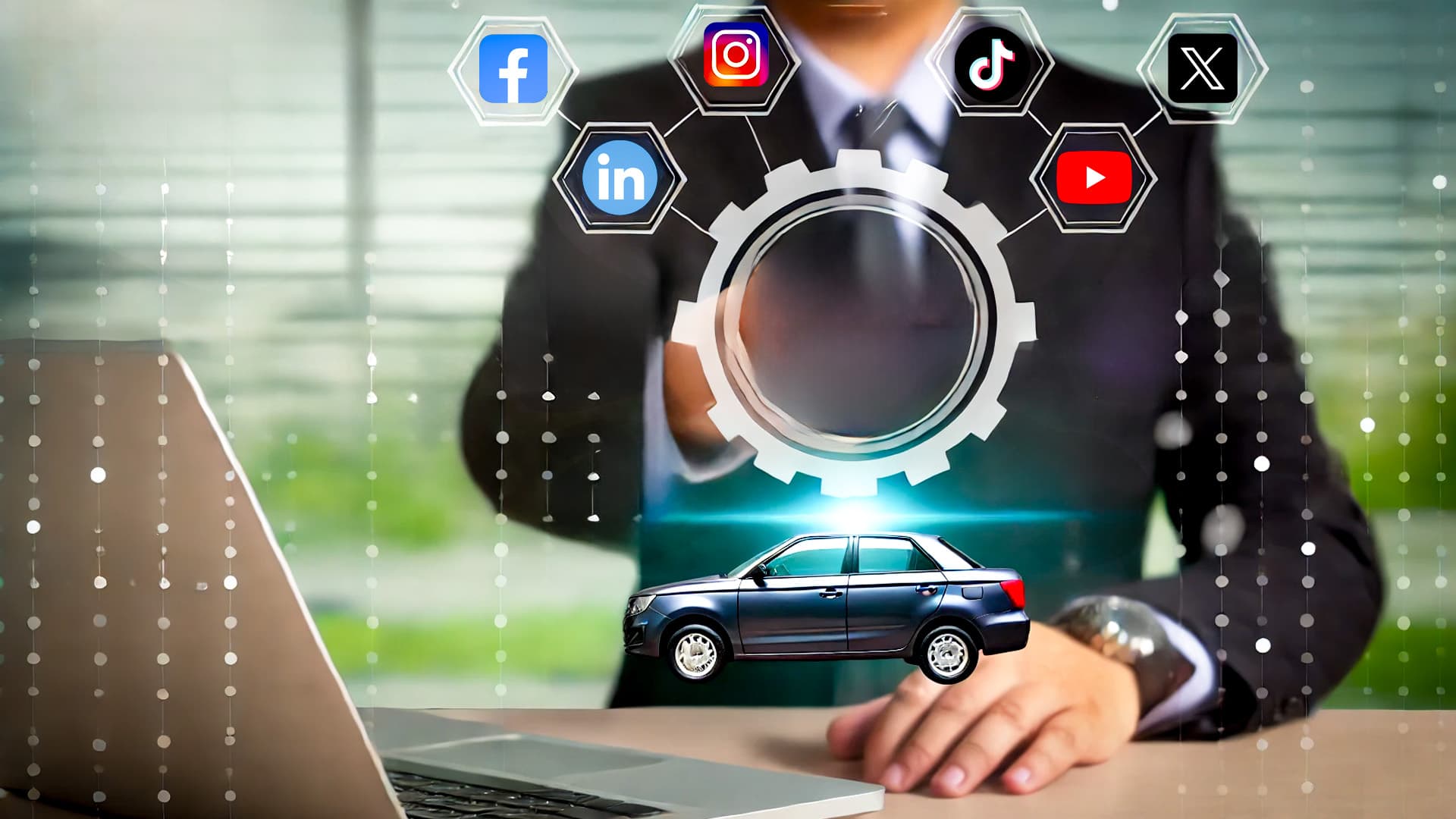
In an era where technology has seamlessly intertwined with every facet of daily life, the automotive industry has experienced a profound transformation. No longer confined to the traditional methods of advertising, car manufacturers and dealers have embraced the digital age with fervor. Social media, in particular, has become a pivotal tool in reshaping how cars are marketed, allowing brands to reach a broader and more diverse audience than ever before. Platforms like Instagram, Facebook, and YouTube have revolutionized the advertising landscape, offering innovative ways to engage with consumers, build brand loyalty, and drive sales.
The Evolution of Automotive Advertising
From Billboards to Smartphones: A Brief History
Automotive advertising has come a long way since the days of static billboards and print ads. The early 20th century saw car manufacturers utilizing simple, yet effective, print advertisements to reach potential buyers. Billboards, radio spots, and television commercials soon followed, each offering a new avenue for reaching the masses. These traditional methods, while powerful in their time, were often one-dimensional, relying heavily on a brandÔÇÖs ability to craft a compelling message that resonated with a broad audience.
As the digital revolution took hold in the late 20th and early 21st centuries, the automotive industry began to pivot. The advent of the internet introduced new opportunities for targeted advertising, but it was the rise of smartphones and social media platforms that truly marked a turning point. Today, car ads are no longer confined to specific time slots or locationsÔÇöthey follow consumers wherever they go, seamlessly integrated into their daily digital experiences.
Traditional vs. Digital: How the Landscape Has Shifted
The shift from traditional to digital advertising has been nothing short of seismic. Traditional advertising relied heavily on a "one size fits all" approach, where the success of a campaign depended largely on its ability to appeal to a mass audience. Digital advertising, however, offers a level of precision that was previously unimaginable. Through social media, automotive brands can now target specific demographics, interests, and behaviors, ensuring that their messages reach the right people at the right time.
This shift has also changed the dynamics of consumer interaction. Traditional advertising was largely a one-way street, with brands communicating to consumers without much opportunity for direct feedback. In contrast, social media has opened up a dialogue between brands and consumers, allowing for real-time interactions that can significantly influence purchasing decisions. This two-way communication has not only enhanced the consumer experience but has also provided brands with valuable insights into consumer preferences and behaviors.
Why Social Media is a Game-Changer in the Automotive Industry
Social media's ability to reach vast audiences, coupled with its interactive nature, has made it an indispensable tool for automotive advertising. Platforms like Instagram, Facebook, and YouTube allow brands to showcase their vehicles in a more dynamic and engaging way than traditional media ever could. Whether through visually stunning images, compelling videos, or interactive ads, social media enables automotive brands to create a more immersive experience for consumers.
Moreover, social media provides an unparalleled level of accessibility. Potential buyers no longer need to visit a dealership to learn about a new carÔÇöthey can explore it from the comfort of their home, compare it with other models, and even see how it fits into their lifestyle through the experiences of others. This convenience, combined with the ability to target specific audiences, has made social media a game-changer in the automotive industry.
Instagram: The Visual Playground for Car Enthusiasts
Capturing the Aesthetic: How Instagram Fuels Car Culture
Instagram, with its emphasis on visual content, has become a hub for car enthusiasts and automotive brands alike. The platformÔÇÖs visually-driven nature allows car manufacturers to showcase their vehicles in all their glory, capturing the sleek lines, powerful engines, and luxurious interiors that define their brands. High-quality images and videos, paired with carefully crafted captions, can convey a carÔÇÖs aesthetic appeal in a way that words alone cannot.
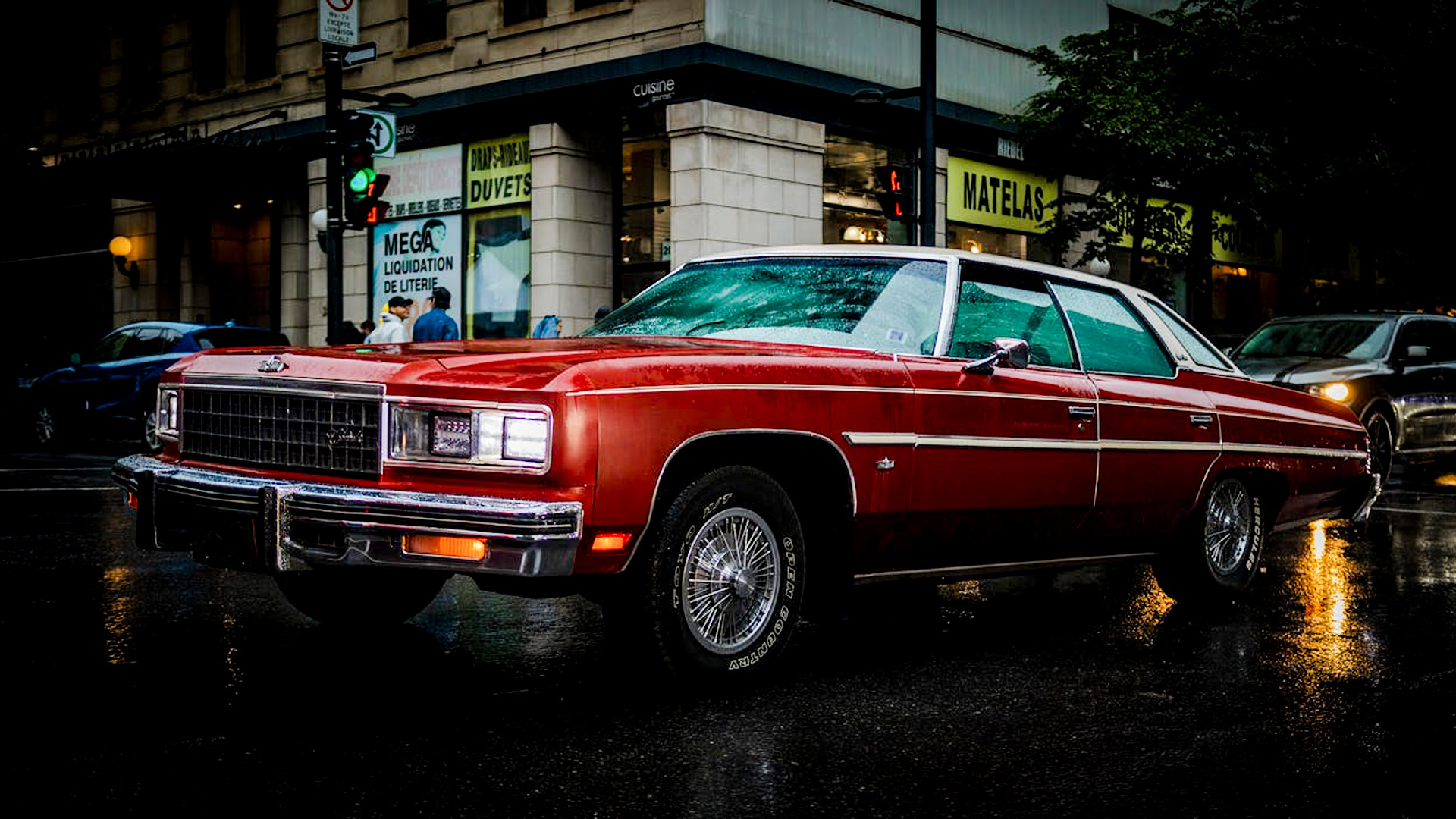
But Instagram is not just about showcasing carsÔÇöit's about celebrating car culture. From exotic supercars to classic vintage models, Instagram has cultivated a vibrant community of car lovers who share their passion through posts, stories, and reels. This culture has not only helped automotive brands reach a dedicated audience but has also turned everyday users into brand ambassadors who share their love for specific models and brands with their followers.
Influencers and User-Generated Content: The Power of Authenticity
One of the most powerful aspects of Instagram is its ability to leverage influencer marketing and user-generated content. Influencers, with their large and engaged followings, have become invaluable partners for automotive brands looking to reach new audiences. By collaborating with influencers, brands can tap into the trust and authenticity that these individuals have built with their followers, creating a more genuine connection with potential buyers.
User-generated content also plays a crucial role in building brand credibility. When real people share their experiences with a carÔÇöwhether it's through a stunning photo, a video review, or a simple postÔÇöother users are more likely to trust the brand and consider purchasing the vehicle themselves. This type of content not only boosts brand visibility but also fosters a sense of community and loyalty among consumers.
The Role of Instagram Stories and Reels in Driving Engagement
Instagram Stories and Reels have added a new dimension to automotive advertising on the platform. Stories, with their ephemeral nature, allow brands to share real-time updates, behind-the-scenes content, and exclusive offers that keep their audience engaged and coming back for more. Reels, on the other hand, offer a way to create short, impactful videos that can showcase a carÔÇÖs features, performance, and personality in a fun and creative way.
These features are particularly effective for reaching younger audiences, who are often more inclined to engage with content that is dynamic and easily digestible. By utilizing Stories and Reels, automotive brands can keep their content fresh, relevant, and engaging, ensuring that they remain top-of-mind for potential buyers.

Facebook: Targeted Advertising and Community Building
Facebook Ads: Precision Targeting for Maximum Impact
Facebook's advertising platform is one of the most sophisticated in the digital space, offering automotive brands the ability to target their ads with incredible precision. Through a combination of demographic data, interests, behaviors, and even life events, brands can tailor their messages to reach the exact audience most likely to be interested in their vehicles.
This level of targeting allows for more effective ad spend, as brands can focus their resources on the consumers who are most likely to convert. Whether it's a new car launch, a special promotion, or a brand awareness campaign, Facebook Ads provide the tools needed to reach the right people at the right time, maximizing the impact of every advertising dollar.
Building Brand Loyalty Through Facebook Groups and Communities
Beyond its advertising capabilities, Facebook is also a powerful tool for building and nurturing communities. Facebook Groups, in particular, offer automotive brands the opportunity to create dedicated spaces where fans and customers can connect, share their experiences, and engage with the brand on a deeper level.
These communities are invaluable for fostering brand loyalty. By providing a platform where users can interact with like-minded individuals and receive direct communication from the brand, automotive companies can build stronger relationships with their customers. These groups also serve as a valuable source of feedback, offering insights into what customers love about the brand and what could be improved.
The Importance of Facebook Marketplace for Automotive Sales
Facebook Marketplace has emerged as a significant player in the automotive sales space, offering a user-friendly platform for buying and selling vehicles. For automotive brands and dealerships, Marketplace provides a way to reach local buyers in a more informal and direct manner than traditional classified ads or dealership websites.
The integration of social features, such as the ability to message sellers directly and view their profiles, adds a layer of trust and transparency to the buying process. This has made Facebook Marketplace an increasingly popular choice for consumers looking to purchase a vehicle, further cementing FacebookÔÇÖs role in the automotive advertising ecosystem.
YouTube: Video Marketing and the Automotive Industry
Visual Storytelling: How YouTube Showcases Car Features
YouTube is the go-to platform for video content, making it a natural fit for automotive advertising. Through video, car manufacturers can engage in visual storytelling, showcasing the features, performance, and craftsmanship of their vehicles in a way that static images simply cannot. Whether it's a cinematic commercial, a detailed walkaround, or a thrilling test drive, YouTube allows brands to bring their cars to life.
This form of storytelling is particularly effective for conveying the emotions and experiences associated with driving a particular car. A well-produced video can capture the exhilaration of accelerating down an open road, the serenity of a quiet cabin, or the thrill of navigating sharp turnsÔÇöall elements that can significantly influence a buyer's decision.
Collaborations with Content Creators: Reaching New Audiences
One of YouTubeÔÇÖs most potent tools for automotive brands is its vast network of content creators. These creators, who range from professional reviewers to car enthusiasts, have built loyal followings that trust their opinions and recommendations. By collaborating with these influencers, automotive brands can reach new audiences in an authentic and engaging way.
These collaborations often take the form of sponsored content, where the creator produces a video reviewing or featuring a specific vehicle. The credibility and relatability of these creators make their endorsements highly influential, often leading to increased interest and sales for the featured vehicles.
The Impact of YouTube Reviews and Test Drives on Consumer Decisions
YouTube has become a primary source of information for consumers researching their next vehicle purchase. Video reviews and test drives offer an in-depth look at a carÔÇÖs performance, features, and overall value, helping potential buyers make informed decisions.
The detailed nature of these videos allows consumers to get a feel for a car without ever stepping into a dealership. They can see how the vehicle handles, listen to the engine, and even experience a virtual test driveÔÇöall from the comfort of their home. This accessibility has made YouTube an indispensable tool in the automotive buying process, influencing consumer decisions more than any other platform.
The Power of Social Media Analytics in Automotive Advertising
Understanding Your Audience: Leveraging Data for Better Campaigns
Social media platforms provide a wealth of data that automotive brands can use to better understand their audience. From demographic information to engagement metrics, these insights allow brands to tailor their campaigns to meet the specific needs and preferences of their target market.
By analyzing this data, brands can identify trends, track the effectiveness of their ads, and make data-driven decisions that enhance the performance of their campaigns. This level of insight is invaluable for creating targeted and effective advertising strategies that resonate with consumers.
Real-Time Feedback: Adapting Strategies Based on Performance
One of the key advantages of social media advertising is the ability to receive real-time feedback. Unlike traditional advertising, where results are often not seen until after a campaign has ended, social media allows brands to monitor the performance of their ads as they run. This real-time data enables brands to make adjustments on the fly, optimizing their campaigns for better results.
Whether itÔÇÖs tweaking the targeting parameters, adjusting the creative elements, or changing the ad placement, the ability to adapt in real-time ensures that brands get the most out of their advertising budget. This agility is particularly important in the fast-paced automotive industry, where consumer preferences can shift quickly.
Success Stories of Automotive Brands on Social Media
Numerous automotive brands have successfully leveraged social media to drive sales and build brand awareness. These case studies offer valuable insights into what works and what doesnÔÇÖt in the world of social media advertising. From viral campaigns to influencer partnerships, these success stories demonstrate the power of social media in reaching and engaging consumers.
By analyzing these case studies, automotive brands can learn from the successes of others and apply those lessons to their own campaigns. Whether itÔÇÖs a creative Instagram campaign, a targeted Facebook ad, or a compelling YouTube video, these examples provide a roadmap for success in the digital age.
Challenges and Considerations in Social Media Automotive Advertising
Navigating Platform Algorithms: Ensuring Visibility and Reach
One of the biggest challenges in social media advertising is navigating the ever-changing algorithms that determine which content gets seen by users. These algorithms are designed to prioritize content that is relevant and engaging, but they can also make it difficult for brands to ensure that their ads reach their intended audience.
To overcome this challenge, automotive brands must stay up-to-date with the latest changes to these algorithms and adjust their strategies accordingly. This may involve experimenting with different types of content, optimizing ad targeting, or investing in paid promotion to boost visibility.
Balancing Paid and Organic Content for Optimal Results
Another key consideration in social media advertising is finding the right balance between paid and organic content. While paid ads are essential for reaching a larger audience, organic content plays a crucial role in building brand credibility and engagement. The challenge is to create a cohesive strategy that leverages the strengths of both.
Brands must focus on creating high-quality organic content that resonates with their audience while also investing in targeted paid campaigns that amplify their reach. This balanced approach ensures that brands not only attract new customers but also foster long-term relationships with their existing audience.
Legal and Ethical Considerations in Automotive Social Media Campaigns
As with any form of advertising, social media campaigns must adhere to legal and ethical standards. This includes ensuring that all claims made in ads are truthful and substantiated, respecting consumer privacy, and avoiding any practices that could be considered deceptive or misleading.
For automotive brands, this means being transparent about the features and performance of their vehicles, clearly disclosing any sponsored content, and complying with all relevant advertising regulations. By adhering to these standards, brands can build trust with their audience and avoid potential legal issues.

The Future of Social Media in Automotive Advertising
Emerging Platforms: WhatÔÇÖs Next for Automotive Marketing?
The social media landscape is constantly evolving, with new platforms emerging that offer exciting opportunities for automotive advertising. From TikTok to emerging niche platforms, the future of social media in automotive marketing is full of potential.
Brands that stay ahead of the curve by experimenting with these new platforms can gain a competitive edge, reaching new audiences and exploring innovative ways to engage with consumers. As these platforms continue to evolve, they will undoubtedly play an increasingly important role in the automotive advertising ecosystem.
The Role of AI and Automation in Social Media Advertising
Artificial intelligence and automation are poised to revolutionize social media advertising, offering new ways to optimize campaigns and engage with consumers. From automated ad placements to AI-driven content creation, these technologies are set to transform the way automotive brands approach social media marketing.
By leveraging AI and automation, brands can improve the efficiency and effectiveness of their campaigns, ensuring that they reach the right audience with the right message at the right time. This not only enhances the performance of their ads but also frees up valuable resources that can be used to focus on other aspects of their marketing strategy.
Predictions and Trends: How Social Media Will Continue to Evolve the Industry
As social media continues to evolve, it will undoubtedly play an even more significant role in the automotive industry. From the rise of immersive technologies like augmented reality to the increasing importance of video content, the future of social media in automotive advertising is full of exciting possibilities.
Brands that embrace these trends and adapt their strategies accordingly will be well-positioned to thrive in the digital age. Whether it's through innovative content, targeted campaigns, or cutting-edge technology, the future of automotive advertising is bright, and social media will be at the forefront of this evolution.
The role of social media in automotive advertising cannot be overstated. Platforms like Instagram, Facebook, and YouTube have transformed the way cars are marketed, offering new opportunities for brands to connect with consumers and drive sales. As the digital landscape continues to evolve, social media will remain a critical tool for automotive brands looking to stay ahead of the competition and reach new heights in their marketing efforts.
The Future Of Social Media In Automotive Advertising
Breyten Odendaal
Specializing in high-performance automotive advertising and digital marketing solutions, delivering cutting-edge insights and the latest news shaping the automotive industry in South Africa.
More From Advertising

Automotive Advertising in 2026: Selling Confidence in a More Competitive Market
As South Africa’s vehicle market becomes more competitive, automotive advertising needs to do more than announce a price or specification. It needs to help buyers understand value, ownership costs and why a vehicle suits their lives.

Automotive Digital Ads in South Africa: A Shift
Exploring how South Africa’s automotive advertising evolved from print and broadcast to data-driven, programmatic digital ecosystems.

The Video Shift in Car Buying Decisions in SA
Explore how video content shapes car purchase decisions in South Africa, comparing short-form and long-form strategies for automotive marketers.