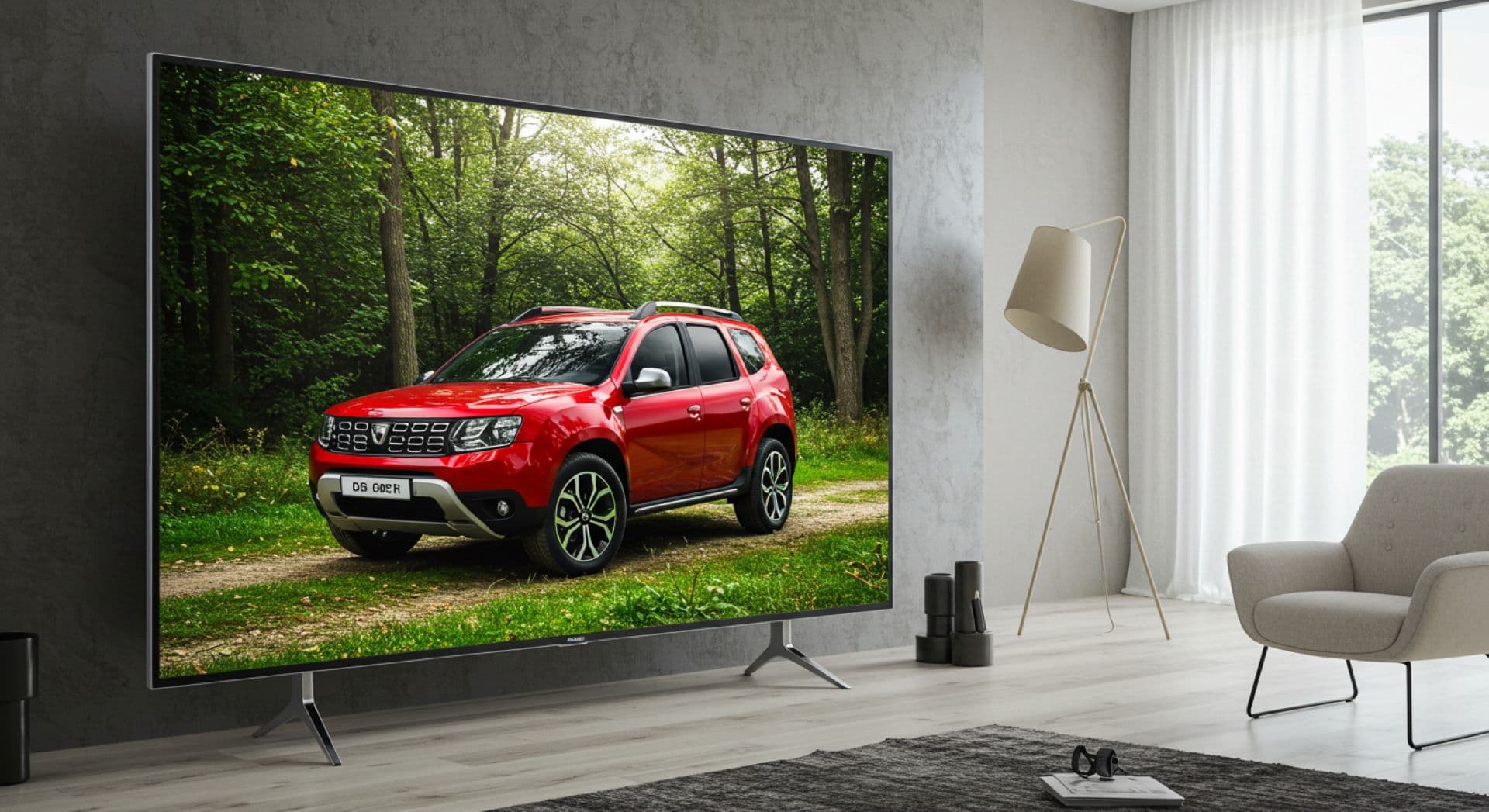
Reality TV has evolved from a niche genre into a cultural phenomenon that captivates millions across the globe. From high-octane competition shows like The Amazing Race to adrenaline-pumping series such as Top Gear and The Grand Tour, reality TV offers something for everyone. What makes reality TV so compelling is its blend of drama, real-life stakes, and relatable characters. And in recent years, it's not just the contestants or hosts getting all the attentionÔÇöautomotive brands have found an unexpected ally in reality TV shows.
Take the partnership between The Bachelor and Chevrolet, where contestants drove the Chevrolet Camaro on group dates. Or, consider Top Gear's epic road trip challenges featuring the latest luxury and performance vehicles. These partnerships have changed the way automotive brands approach marketing, creating moments that not only showcase their products but also weave them seamlessly into the fabric of the showÔÇÖs storyline.
The goal of this article is to explore and analyze how these partnerships have become an influential tool in automotive brand promotion. WeÔÇÖll delve into how reality TVÔÇÖs broad appeal allows automotive brands to reach their target audiences in more dynamic and innovative ways than traditional advertising methods could ever achieve. Whether through product placement, sponsorships, or full-blown collaborations, reality TV serves as a modern-day canvas for automotive brands to paint their narrative, engaging enthusiasts along the way.
Background and Context
Reality TV is not just a passing trend; itÔÇÖs a global movement that has been steadily gaining ground since its inception in the early 2000s. Shows like Survivor and American Idol set the stage for a wave of formats that have since expanded to include everything from cooking contests (MasterChef) to home renovation (The Block). Over time, reality TV has diversified, introducing subgenres that speak to a variety of audiences and interests. In particular, shows focused on automobiles, adventure, and high-stakes competitions have become central to this landscape.
On the flip side, automotive brands have long been recognized for their heavy investments in marketing. Historically, car manufacturers relied on television commercials, billboards, and print ads to communicate their messages to the masses. But with the digital age ushering in an era of social media and influencer marketing, traditional advertising models began to lose their effectiveness. Consumers are becoming more ad-averse, tuning out or skipping commercials at every opportunity. This has left automotive companies scrambling for new, creative ways to connect with their audiences. Enter reality TV.
Automotive brands have always been keen to associate themselves with power, speed, and prestigeÔÇövalues that are often highlighted in reality TV formats. Whether itÔÇÖs a competitive show, a lifestyle drama, or even a survival contest, the presence of a luxury sports car or rugged 4x4 vehicle adds layers of aspiration and lifestyle alignment. As reality TV grew in popularity, automotive brands quickly realized its potential as a marketing tool. Brands could now reach millions of viewers with targeted messages without the limitations of conventional advertising.
Types of Reality TV Partnerships
The collaboration between automotive brands and reality TV shows can take many forms, each offering unique opportunities for engagement and brand visibility. Here are some of the most common models of partnership:
Successful examples of these partnerships include the relationship between The Voice and Chrysler. The automaker's sponsorship of the show provided exclusive access to their newest vehicles through dedicated segments, all while highlighting the connection between music and driving.
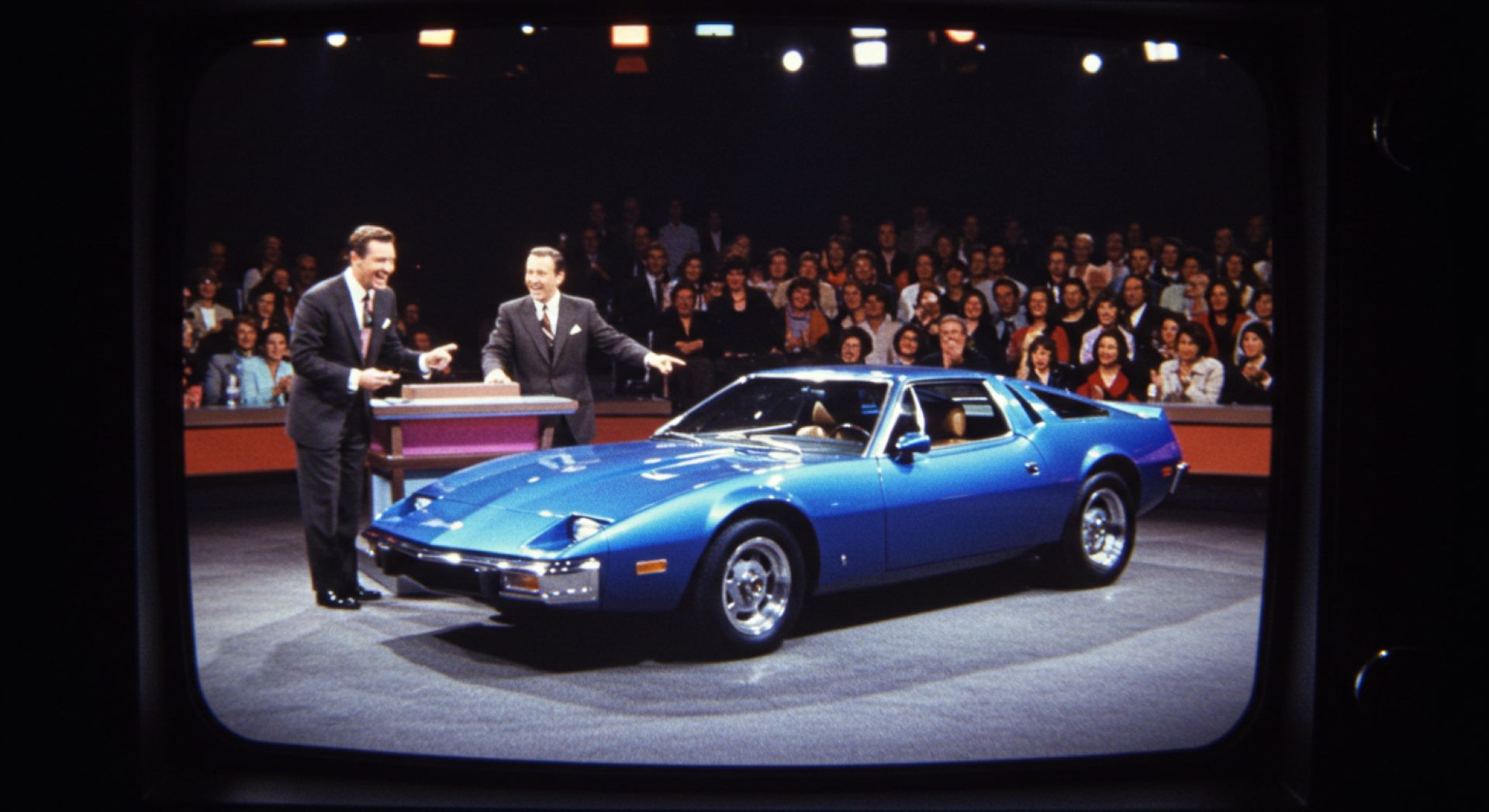
Benefits to Automotive Brands
The advantages of partnering with reality TV shows are numerous, and they extend far beyond simply getting a car on screen. Here are some of the key benefits:
Challenges and Considerations
While reality TV partnerships offer numerous benefits, they are not without their challenges. One potential drawback is the fine line between seamless product placement and blatant advertising. If a brand's inclusion feels too forced or out of place, it risks alienating viewers.
Additionally, reality TV is unscripted, which means brands have limited control over how their product is portrayed. If a car breaks down or a contestant struggles with its features, the brand may experience negative publicityÔÇösomething thatÔÇÖs difficult to manage in a non-fiction format.
Finally, brands must ensure their values align with the showÔÇÖs content. A luxury car brand promoting itself on a down-to-earth cooking show, for example, might come across as tone-deaf, whereas the same brand in a racing context would feel more authentic.
The Future of Reality TV and Automotive Brand Partnerships
Looking ahead, the future of reality TV partnerships between automotive brands and TV shows seems bright. With the rise of streaming platforms like Netflix and Amazon Prime, the opportunity for more customized and targeted advertising is expanding. Reality TV on these platforms allows brands to engage with audiences in innovative ways, especially when integrated with social media campaigns or live-streamed events.
The integration of emerging technologies, such as virtual reality and augmented reality, could also further enhance these partnerships. Imagine a Top Gear episode where viewers can virtually explore a carÔÇÖs features, or a Survivor challenge that allows viewers to participate in a virtual race against contestants while driving their favorite car model in a digital world.
As long as reality TV continues to captivate audiences, the automotive world will likely find new and creative ways to collaborate with these shows, resulting in even more groundbreaking partnerships in the years to come.
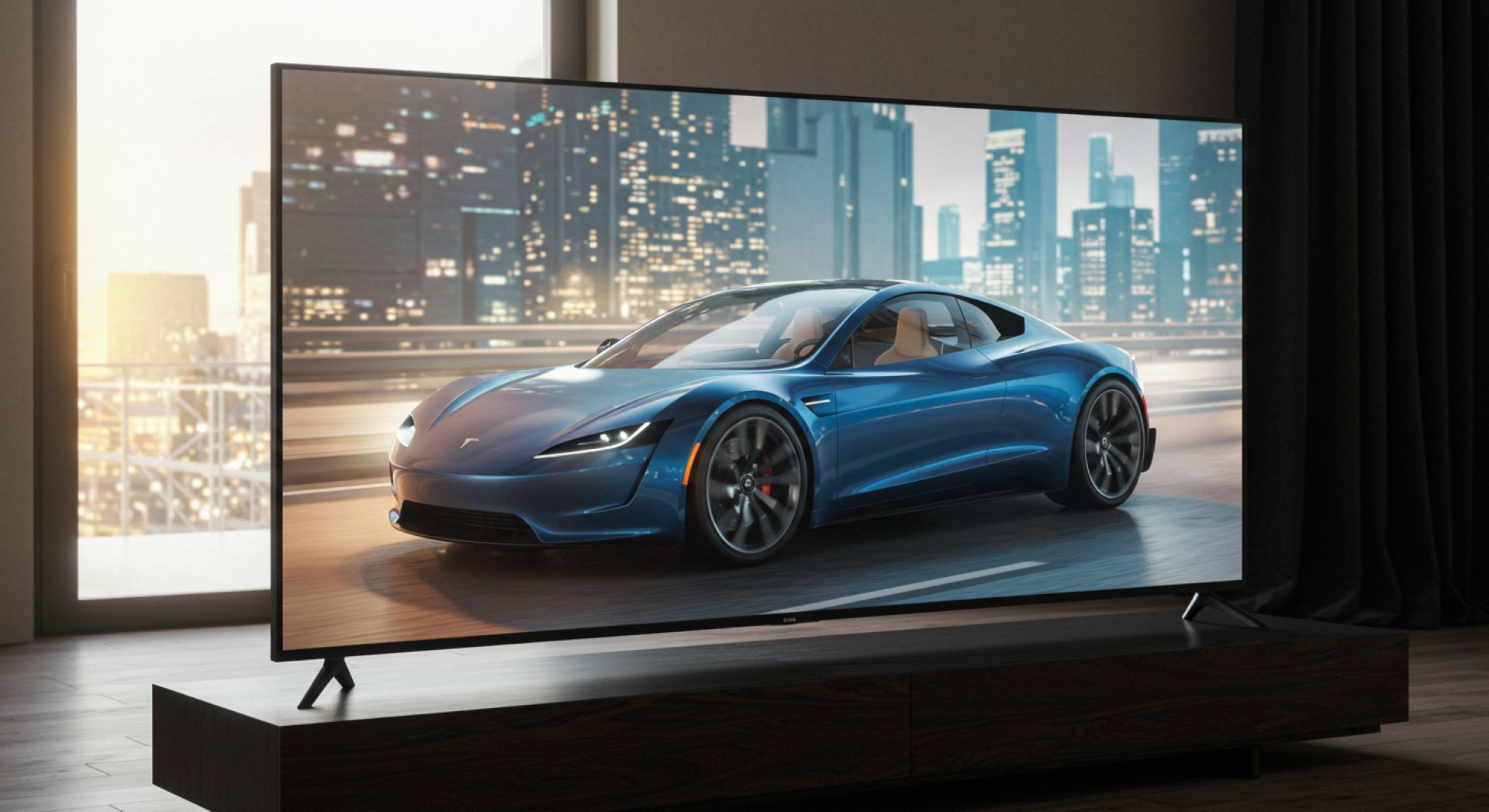
Automotive brand partnerships with reality TV have proven to be a powerful and dynamic force in the world of marketing. By strategically integrating cars into the high-stakes, emotionally charged world of reality TV, brands are able to reach millions of viewers in ways traditional ads could never achieve. With the ability to target niche audiences, build brand image, and engage viewers in meaningful ways, itÔÇÖs no wonder these partnerships continue to thrive. The future is bright for these collaborations, as both the automotive industry and reality TV continue to evolve and push the boundaries of storytelling.
Breyten Odendaal
Specializing in high-performance automotive advertising and digital marketing solutions, delivering cutting-edge insights and the latest news shaping the automotive industry in South Africa.
More From Advertising
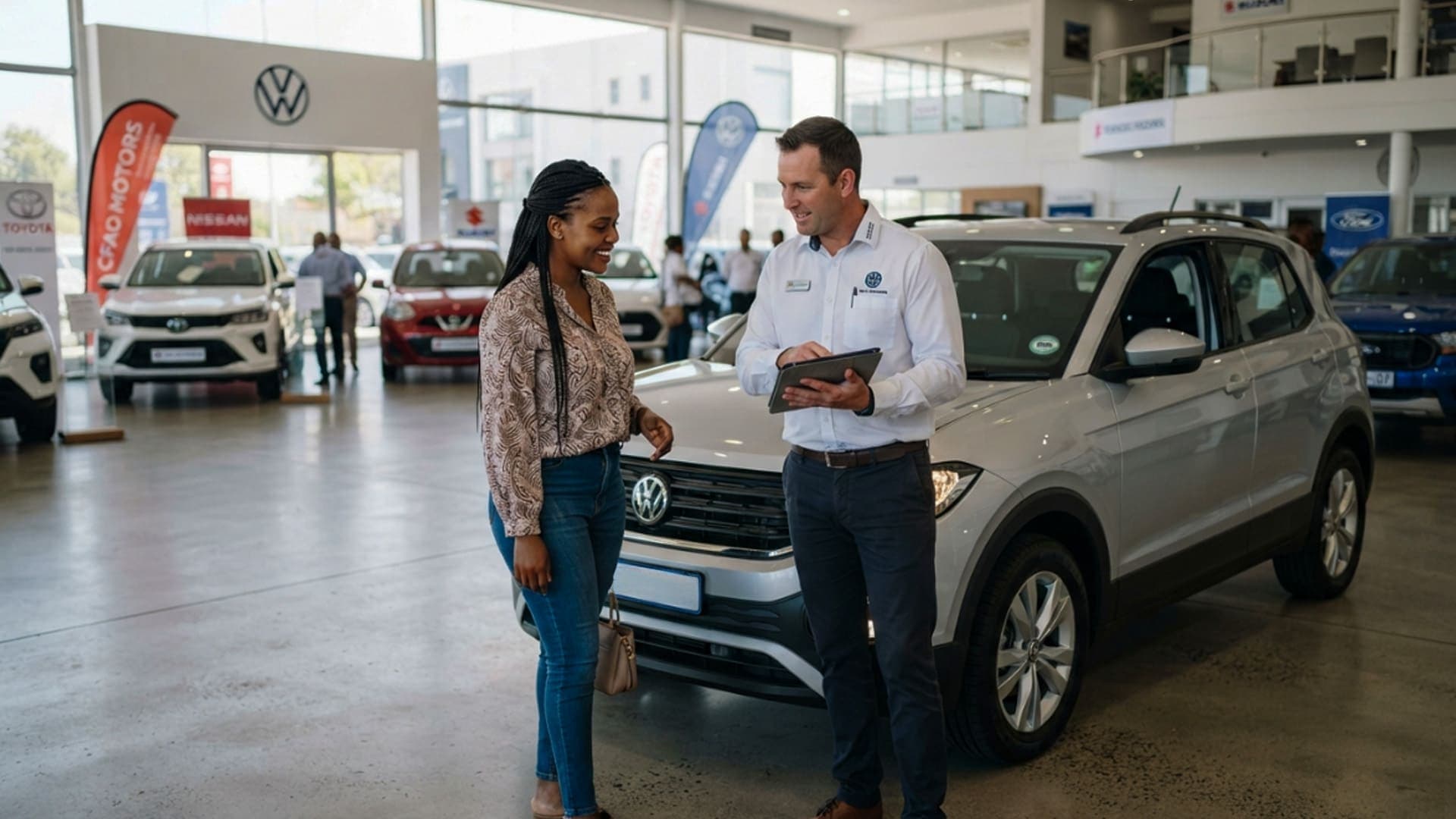
Automotive Advertising in 2026: Selling Confidence in a More Competitive Market
As South Africa’s vehicle market becomes more competitive, automotive advertising needs to do more than announce a price or specification. It needs to help buyers understand value, ownership costs and why a vehicle suits their lives.

Automotive Digital Ads in South Africa: A Shift
Exploring how South Africa’s automotive advertising evolved from print and broadcast to data-driven, programmatic digital ecosystems.

The Video Shift in Car Buying Decisions in SA
Explore how video content shapes car purchase decisions in South Africa, comparing short-form and long-form strategies for automotive marketers.