
The automotive industry has long been at the forefront of innovation, not just in design and technology, but also in the way it connects with consumers. As brands vie for consumer attention in an increasingly crowded market, advertising has become more dynamic, creative, and targeted. Among the most exciting and effective ways automotive brands have found to reach their audiences is through live eventsÔÇöan advertising strategy that goes beyond the traditional mediums of TV, print, and digital. In this article, we will explore the role live events play in automotive advertising, how they foster real-time engagement with consumers, and why they continue to be a critical tool for brands striving to make lasting connections in an ever-evolving landscape.
The Evolution of Automotive Advertising
Advertising in the automotive industry has undergone a seismic shift over the past century. Initially dominated by print and TV ads, brands communicated with consumers through one-way messages, attempting to capture attention through clever slogans and eye-catching visuals. These traditional methods were effective, but they lacked an interactive element. As the digital age dawned, so too did the rise of online advertisingÔÇöemails, social media, and search engines became crucial in the automotive marketing mix. Digital platforms enabled brands to target consumers more precisely, offering personalized ads based on online behavior and preferences.
Yet, even in the age of hyper-targeted digital ads, there is something irreplaceable about the human connection. ThatÔÇÖs where live events come in. They represent a powerful hybrid strategyÔÇöcombining the intimacy and excitement of in-person experiences with the far-reaching power of digital content. Live events have the potential to connect brands and consumers in real-time, creating an immersive and memorable experience that fosters a sense of belonging and loyalty.
Defining Live Events in the Automotive Context
In the context of automotive advertising, live events can take many forms. These events might include high-profile car shows, thrilling car launches, exclusive test drive experiences, or even engaging virtual events that combine online content with live interaction. Whatever the format, the goal remains the same: to offer consumers a chance to engage directly with the brand, products, and experts in a way that feels immediate, impactful, and real.
There are three primary formats of live events in the automotive world.
In-Person Events
These include car exhibitions, brand activations at motorsport events, and public test drives, where consumers physically interact with the cars, meet brand representatives, and experience the vehicles up close.
Virtual Events
With the rise of digital engagement, virtual car launches, live streaming of events, and online showcases have become increasingly popular. These events are accessible to a global audience, breaking down geographical barriers and offering instant access to the latest models and updates.
Hybrid Events
As the name suggests, hybrid events combine the best of both worlds. For example, a major car show might include a live broadcast of product reveals or a live Q&A with car designers, enabling fans from around the world to participate while the in-person event continues.
Each of these formats serves a different purpose and audience, but they all leverage the power of live engagement to amplify the reach and impact of a brandÔÇÖs marketing efforts.
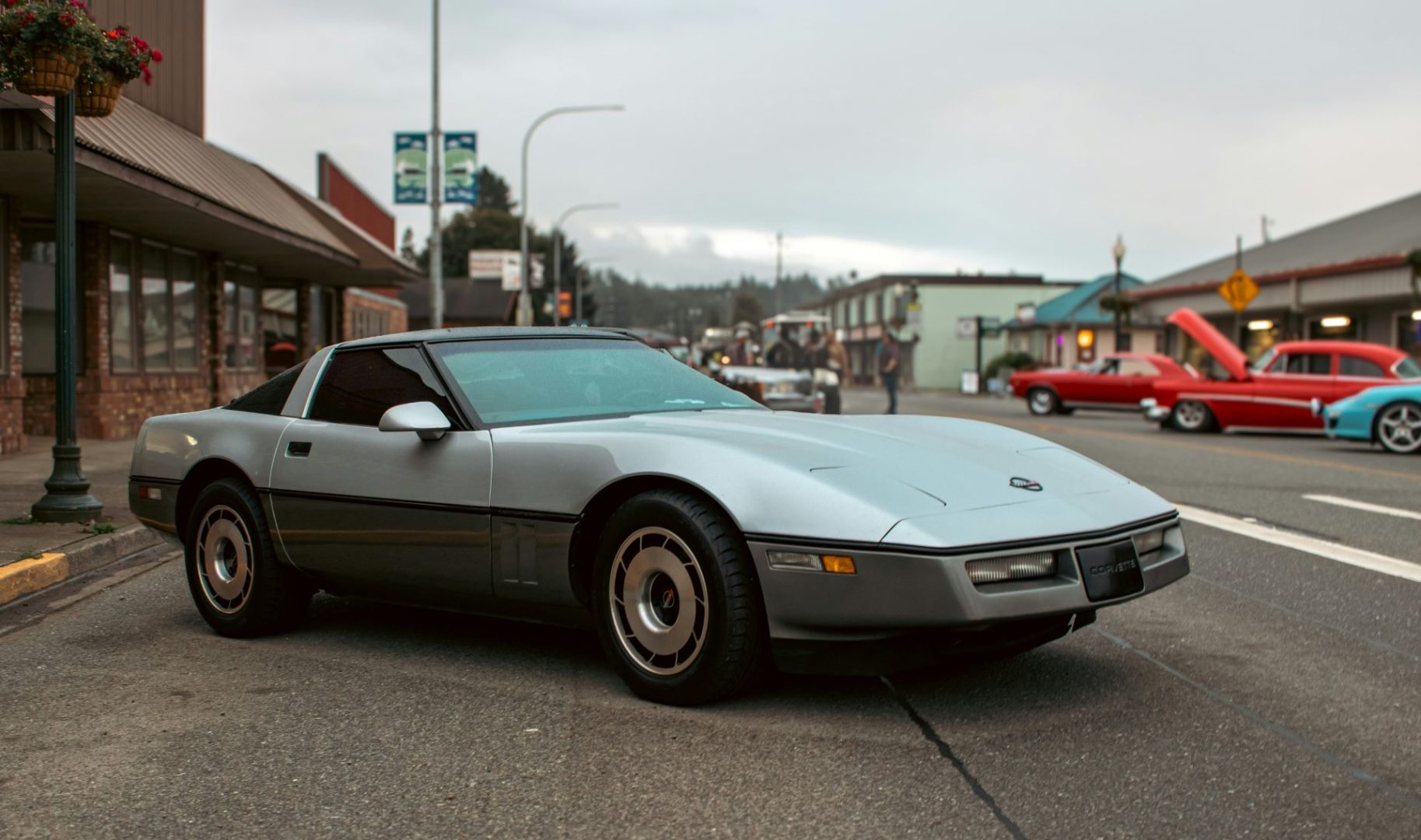
Benefits of Live Events for Automotive Brands
Live events offer unique benefits that other forms of advertising simply cannot match. One of the most notable advantages is the ability to interact with consumers in real-time. This allows brands to build genuine relationships, answer questions directly, and engage in meaningful conversations that foster trust and loyalty. For automotive brands, this is particularly important. A car is a significant investment, and live events give potential buyers the opportunity to ask detailed questions, feel the product, and hear directly from the experts behind it.
Real-Time Interaction
Live events are the perfect environment for creating personal, real-time interactions. Whether itÔÇÖs through live demos, product launches, or meet-and-greets with brand ambassadors, these events allow brands to capture the attention of consumers at the exact moment theyÔÇÖre most interested. For example, BMWÔÇÖs ÔÇÿWorld of BMWÔÇÖ experience at major car shows has provided consumers with the chance to not only see their latest models but to interact with engineers and designers, gaining insight into the technology and design processes behind the cars.
Memorable Experiences
One of the primary ways live events contribute to brand loyalty is by creating unforgettable experiences. These experiences leave a lasting impression on consumers, who often become more likely to share their positive interactions on social media or with friends and family. For instance, when Audi hosted a live test track experience for the launch of the Audi RS7, it wasnÔÇÖt just about the carÔÇöit was about offering an exclusive, heart-pounding experience that automotive enthusiasts could not replicate from the comfort of their homes. This sense of exclusivity and excitement creates a deeper connection between the consumer and the brand.
Direct Feedback
Live events offer immediate feedback that digital ads or TV commercials simply cannot provide. Whether through informal conversations at the event or more structured forms of consumer research, live events allow brands to gauge real-time reactions to their products. This feedback can be invaluable in tweaking future marketing campaigns, developing new product features, or adjusting brand messaging.
Reaching Automotive Enthusiasts Through Events
Automotive enthusiasts, by their very nature, are passionate, knowledgeable, and discerning. They want more than just a glimpse of the latest car; they want to dive deep into the design, the technology, and the heritage behind it. For these consumers, live events offer the opportunity to experience a brand on a more profound level.
Car shows such as the Geneva International Motor Show and the Goodwood Festival of Speed offer automotive enthusiasts the chance to see their favorite brands up close, often in an environment where the experience feels as exciting as the cars themselves. At these events, the focus is not just on the car, but on the stories behind the brand. From the technological innovations behind a new electric vehicle to the history and craftsmanship of a luxury marque, live events immerse fans in the culture and philosophy of the brand.
Tailored Strategies
To attract and retain automotive enthusiasts, brands often employ tailored strategies at live events. These might include offering exclusive previews of upcoming models, inviting well-known industry experts for panel discussions, or providing VIP access to special events. Offering these exclusive opportunities helps build a community around the brand, making fans feel like insiders.

Technological Integration in Live Events
Technology plays a significant role in enhancing the impact of live events. From virtual reality to augmented reality, the use of cutting-edge technologies allows brands to engage consumers in innovative ways. One standout example is the use of virtual reality (VR) by brands like Jaguar Land Rover. At various auto shows, attendees can experience a virtual test drive, immersing themselves in the carÔÇÖs capabilities and features without ever leaving the show floor.
Furthermore, live streaming has become a cornerstone of modern automotive advertising. Many brands now broadcast their events live to a global audience, giving those who cannot attend in person a chance to engage with the brand virtually. Social media platforms like Instagram, Facebook, and Twitter also extend the reach of these events, allowing real-time updates, behind-the-scenes access, and immediate audience engagement.
Challenges and Considerations
While live events offer numerous benefits, they also present a set of challenges that brands must address to ensure success. One major hurdle is the cost. Hosting a large-scale eventÔÇöwhether physical or virtualÔÇöcan be expensive. For many brands, the question becomes not just about how to put on the best event, but how to ensure that it delivers enough return on investment (ROI) to justify the expenditure.
Another challenge lies in logistical coordination. Managing an event, especially one that blends physical and digital elements, requires careful planning and coordination to avoid technical glitches, scheduling conflicts, or customer dissatisfaction.
Finally, brands must always be prepared to adapt based on audience feedback. Post-event surveys, social media reactions, and in-person conversations can provide valuable insight into what worked and what didnÔÇÖt, allowing brands to refine their approach for future events.
Future Trends and Opportunities
The future of live events in automotive advertising is bright, with several exciting trends emerging. As artificial intelligence and data analytics become more sophisticated, brands will be able to tailor live event experiences even further, providing more personalized content for attendees. Additionally, with the continued growth of virtual and augmented reality, we can expect even more immersive and interactive experiences that go beyond anything seen before.
As brands continue to innovate, the post-pandemic world will also see an increased demand for hybrid events that offer the flexibility of in-person and online participation. The rise of sustainability will also impact event planning, with brands increasingly looking to reduce the environmental footprint of their events while still providing memorable experiences.
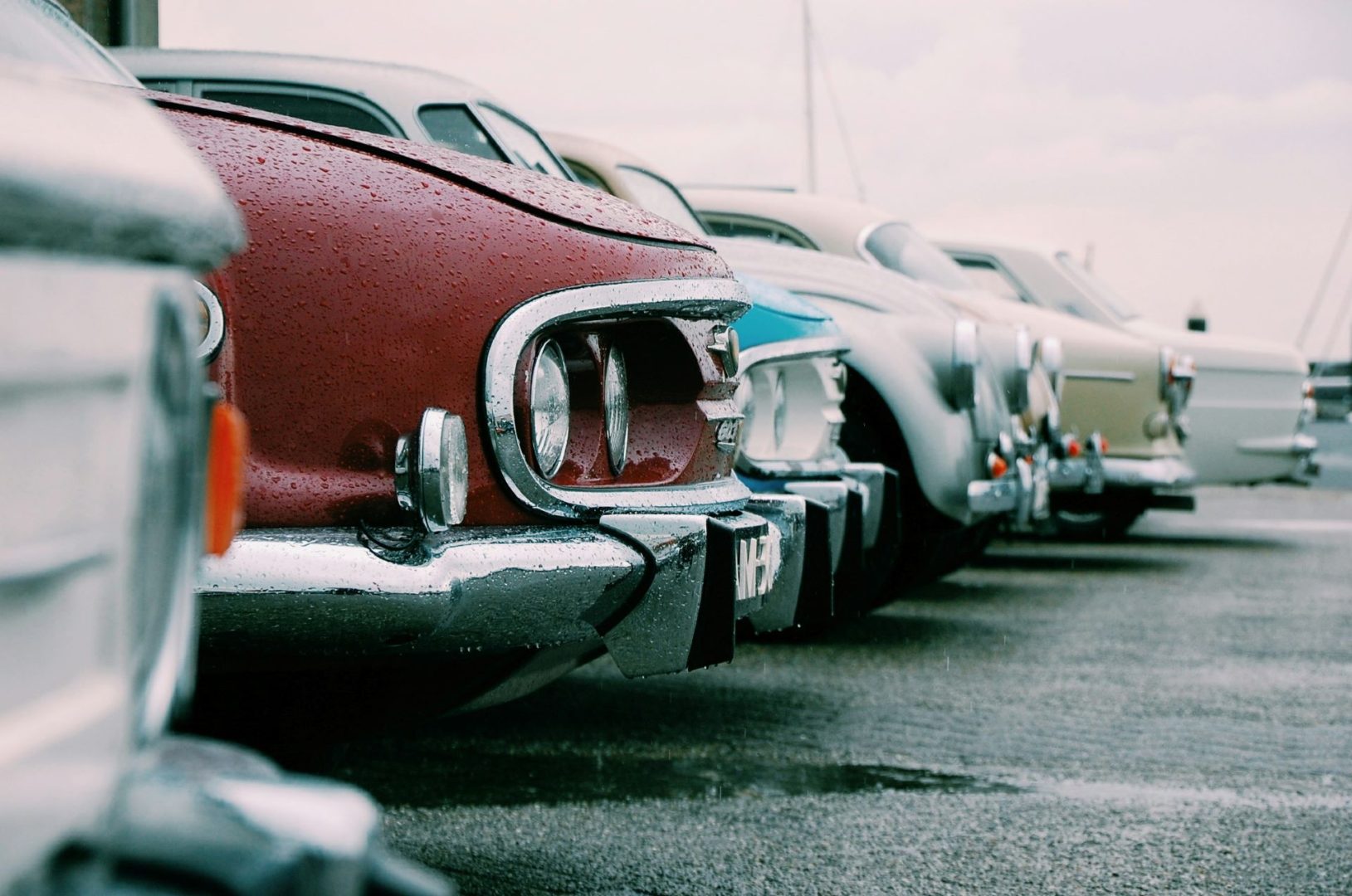
Live events are no longer just an occasional marketing tacticÔÇöthey are a vital part of the automotive advertising landscape. Offering real-time engagement, memorable experiences, and direct feedback, these events provide automotive brands with an opportunity to connect with their audience in ways that digital ads cannot. As the automotive world continues to evolve, live events will remain at the forefront, helping brands foster deeper connections, create loyal communities, and drive the future of automotive advertising.
Breyten Odendaal
Specializing in high-performance automotive advertising and digital marketing solutions, delivering cutting-edge insights and the latest news shaping the automotive industry in South Africa.
More From Advertising
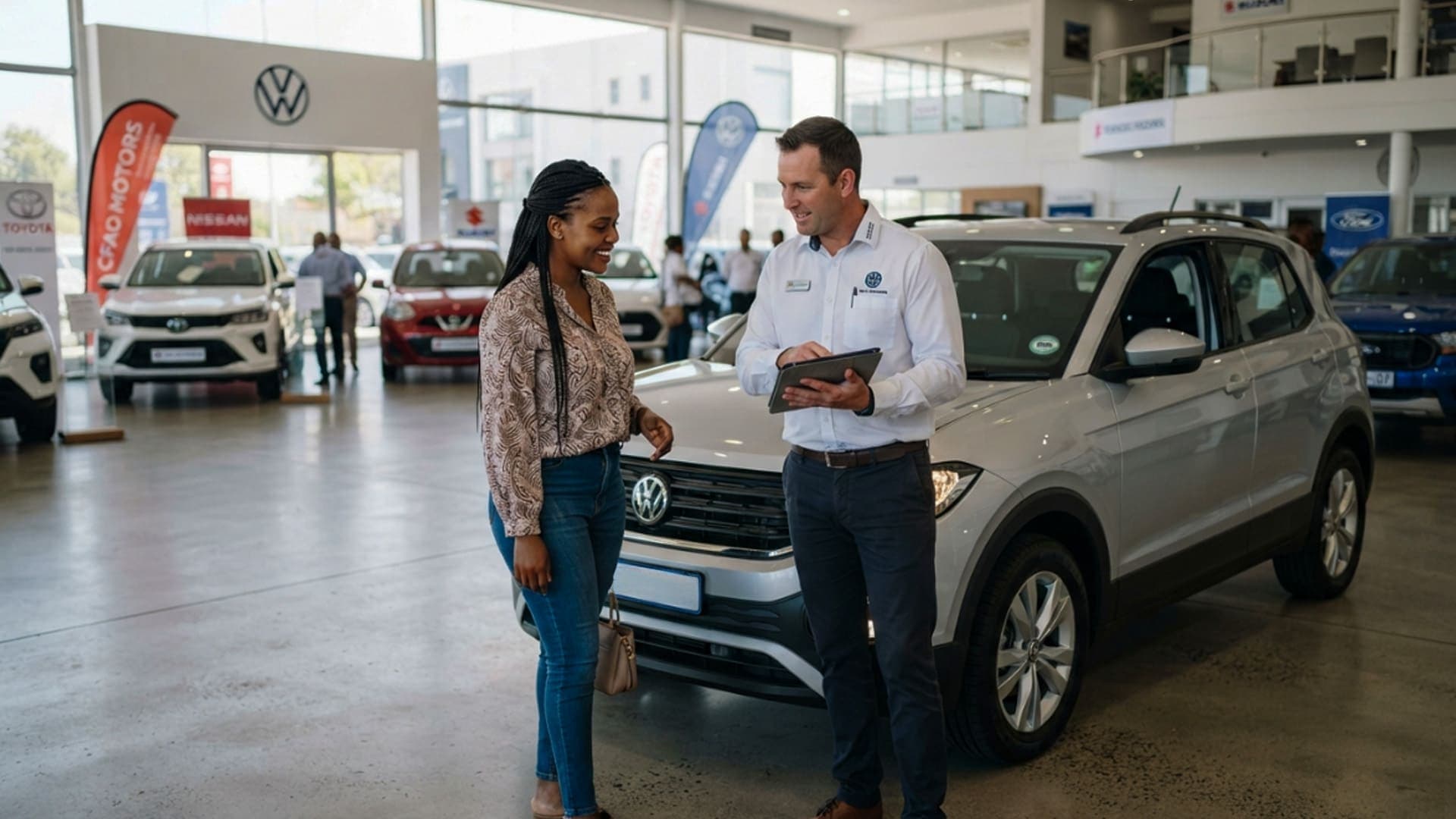
Automotive Advertising in 2026: Selling Confidence in a More Competitive Market
As South Africa’s vehicle market becomes more competitive, automotive advertising needs to do more than announce a price or specification. It needs to help buyers understand value, ownership costs and why a vehicle suits their lives.

Automotive Digital Ads in South Africa: A Shift
Exploring how South Africa’s automotive advertising evolved from print and broadcast to data-driven, programmatic digital ecosystems.

The Video Shift in Car Buying Decisions in SA
Explore how video content shapes car purchase decisions in South Africa, comparing short-form and long-form strategies for automotive marketers.