
The automotive world is witnessing an electrifying transformation, and at the forefront of this change is the rise of electric vehicles (EVs). With growing environmental concerns and a drive toward sustainable energy, the shift from traditional gasoline-powered cars to electric vehicles is no longer a distant dreamÔÇöitÔÇÖs a reality unfolding at an accelerated pace. As the global automotive market adapts to this seismic shift, government incentives have played an undeniably influential role in propelling the adoption of EVs.
Government incentives, whether in the form of tax credits, rebates, or grants, have become essential in not only making electric cars more affordable but also in driving consumer interest. For automotive manufacturers, these incentives provide a unique opportunity to communicate the financial benefits of EV ownership through well-crafted advertising campaigns. However, while these incentives have undoubtedly spurred growth in the EV market, they also present unique challenges for automakers as they navigate complex marketing strategies and the potential risks of dependency on temporary government support.
This article delves into the role of government incentives in shaping EV advertising strategies. WeÔÇÖll explore how these incentives have impacted the EV market, how automakers incorporate them into their campaigns, and the challenges they present. WeÔÇÖll also look to the future of EV advertising in a world of evolving policies and shifting consumer trends. With the electrification of transportation on the rise, understanding how government incentives influence advertising is essential to appreciating how far the industry has comeÔÇöand where itÔÇÖs headed.
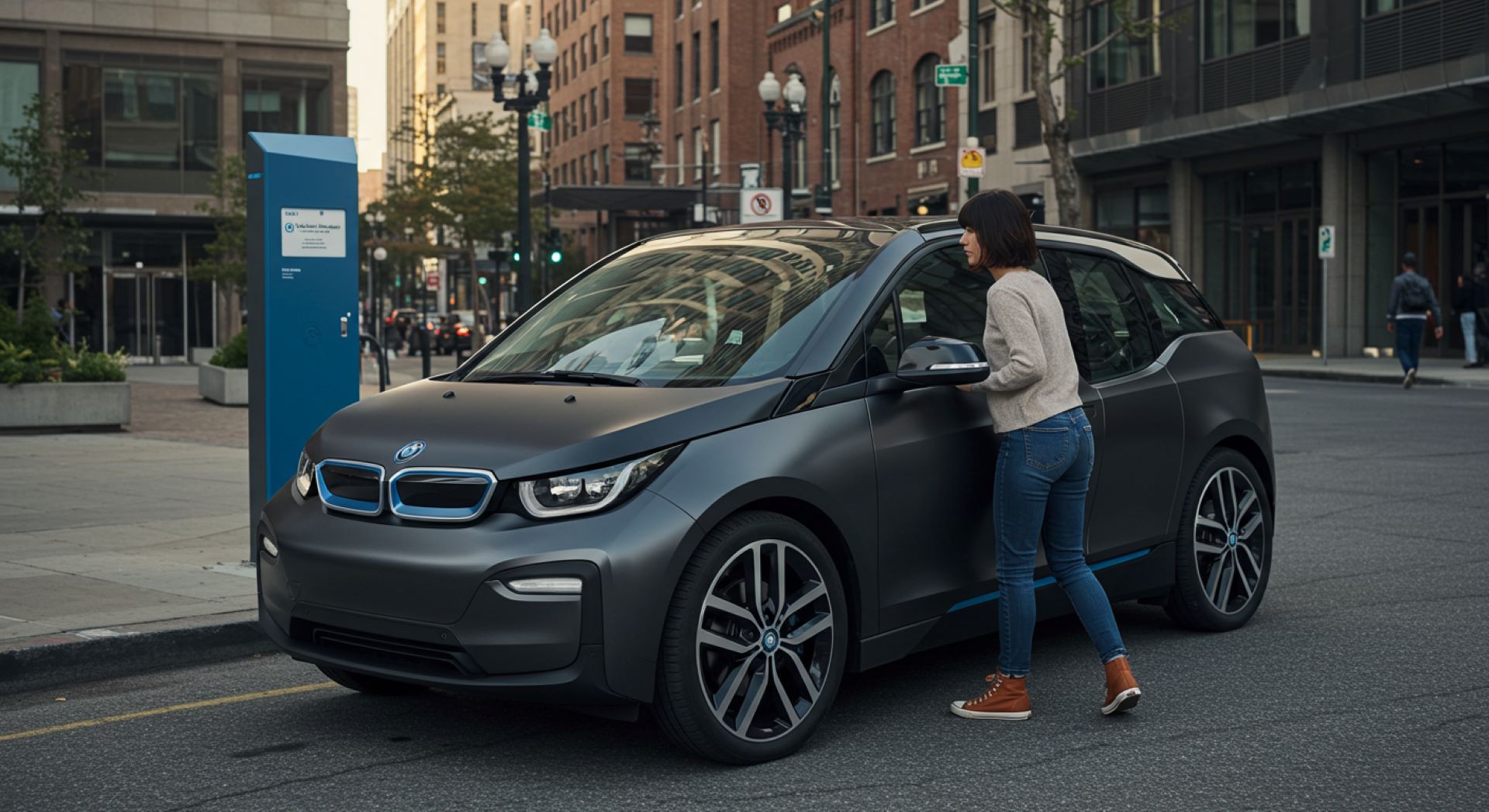
Understanding Government Incentives
To understand the role of government incentives in promoting EV adoption, it's important first to define what these incentives typically entail. At the most basic level, government incentives are financial benefits provided to individuals or organizations that purchase or manufacture electric vehicles. These incentives can take several forms, including:
The objectives behind these incentives are twofold: economic stimulation and environmental sustainability. From an economic perspective, governments aim to spur the growth of the EV market by making electric cars more affordable to a broader segment of the population. As electric vehicles continue to grow in demand, the automotive industry sees an increase in job creation, innovation, and investment.
Environmentally, incentives are designed to reduce carbon emissions and promote the adoption of cleaner, more sustainable energy sources. With climate change presenting an ever-growing challenge, governments around the world have turned to electric vehicles as a key component of their environmental policies.
Examples of notable government incentives include the European UnionÔÇÖs Green Deal, which supports the transition to a zero-emissions economy, and ChinaÔÇÖs substantial subsidies for electric vehicles, which have made the country the largest EV market globally. In the United States, the Biden administrationÔÇÖs infrastructure plan promises $7.5 billion for EV charging networks and additional tax credits for electric vehicle buyers, helping to accelerate adoption rates.
Impact of Incentives on the EV Market
The introduction of government incentives has had a dramatic effect on the electric vehicle market. Studies and data from across the globe show a direct correlation between the availability of incentives and the increase in EV adoption.
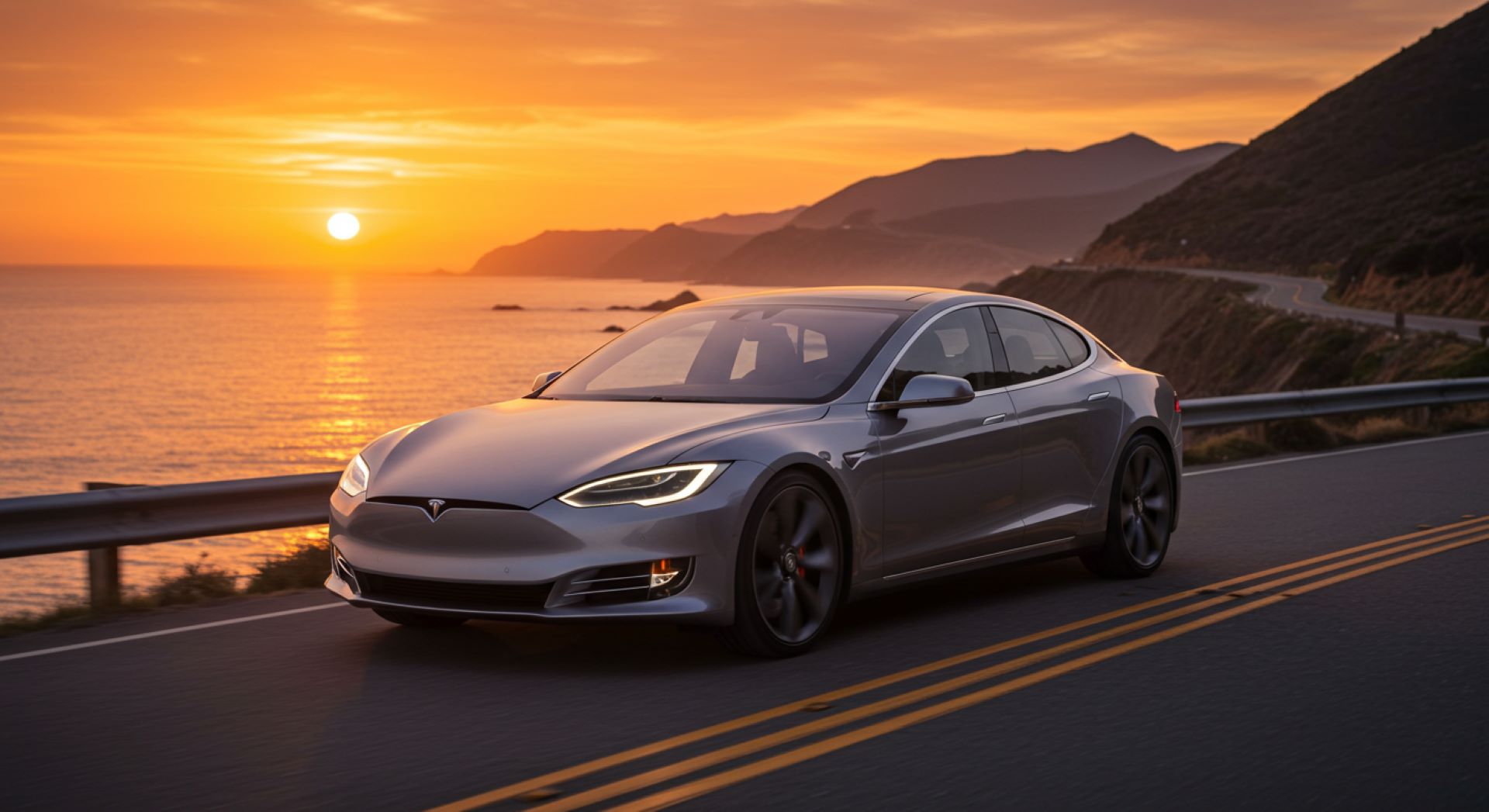
In the U.S., the Tesla Model 3, one of the most popular electric vehicles on the market, owes much of its success to government incentives. TeslaÔÇÖs ability to offer the Model 3 at a competitive price point, combined with federal tax incentives, helped it become the best-selling EV in the U.S. market. Similarly, in Europe, the surge in EV sales can be largely attributed to the EUÔÇÖs incentive programs, which include tax exemptions and government-backed loans for EV buyers.
The European market saw a 40% increase in the adoption of electric vehicles in 2020, largely driven by both environmental regulations and incentives. Countries like Norway, which offers generous tax breaks for EVs, have seen electric vehicles make up over 50% of new car sales, setting a global benchmark for EV adoption.
Data from ChinaÔÇÖs market tells a similar story. With some of the worldÔÇÖs most significant subsidies, China has become the largest EV market globally. In 2020, China sold more than 1.3 million electric vehicles, and with continued government support, the country is set to meet its goal of having 20% of all new cars be electric by 2025.
However, the effects of government incentives on the EV market are not limited to sales figures alone. These incentives have also reshaped consumer behavior, making EVs a more attractive option for a larger pool of buyers. The availability of tax credits, grants, and subsidies has helped dispel misconceptions that electric vehicles are out of reach for average consumers, making them more financially viable.
Advertising Strategies Leveraging Incentives
As EV adoption grows, automakers are increasingly looking for ways to incorporate government incentives into their marketing strategies. The advertising campaigns of many leading EV manufacturers emphasize not only the environmental benefits of EVs but also the financial advantages of purchasing an electric vehicle with government-backed incentives.
One notable example is TeslaÔÇÖs advertising strategy, which focuses heavily on the federal tax credit available for its Model 3. TeslaÔÇÖs marketing materials often highlight how the incentives can reduce the cost of purchasing a car, making EVs a more accessible option for a wider demographic. Their online campaigns and social media advertisements are designed to emphasize affordability, eco-consciousness, and cutting-edge technologyÔÇöall while keeping the financial benefits of government incentives front and center.
Another example is NissanÔÇÖs campaign for the Nissan Leaf. The Japanese automakerÔÇÖs advertising prominently showcases government rebates and tax credits, as well as lower long-term ownership costs due to the elimination of fuel and maintenance expenses. The advertisements often include real-life consumer testimonials, stressing the economic savings afforded by both the EV itself and the available incentives.
In Europe, Volkswagen has tailored its marketing strategy to leverage various local incentives. Their campaigns for the ID.3 include clear references to the subsidies and tax breaks offered in different European countries. VolkswagenÔÇÖs advertisements emphasize how these incentives make the ID.3 more affordable and help potential buyers see the switch to an electric vehicle as a savvy financial decision.
Creative advertising has also become a hallmark of campaigns using government incentives. Automakers have increasingly used interactive tools and calculators in their advertisements, where consumers can see how much they would save in tax credits or rebates when purchasing an EV. This approach not only educates but also engages potential buyers in a way that drives conversion rates.
Challenges and Criticisms
Despite the positive impact of government incentives on the EV market, there are challenges and criticisms surrounding their use in advertising strategies. One of the main concerns is the dependency on government incentives. Many critics argue that EVs should be able to stand on their own merit, without relying on external financial support. While incentives have undoubtedly helped EVs gain traction, there are concerns that the market may struggle if incentives are scaled back or eliminated.
Additionally, there are regional disparities in incentives that can lead to uneven growth. For instance, the financial benefits in the U.S. vary by state, and some areas may not offer enough incentives to drive significant EV adoption. This can create confusion and frustration for consumers, especially when automakers advertise incentives that may not apply universally.
The changing political landscape also adds an element of uncertainty. With governments constantly adjusting policies and budgets, automakers are faced with the challenge of crafting long-term advertising campaigns that may need to be altered if government support changes unexpectedly.
Future of EV Advertising and Incentives
Looking forward, the future of EV advertising will likely be shaped by continued government support and evolving consumer behavior. As governments worldwide aim to reach ambitious carbon reduction targets, the role of government incentives will only grow. Automakers will need to continue adapting their advertising strategies to align with shifting policies and incentives.
In the future, digital marketing and data-driven advertising will play an even larger role in communicating the benefits of government incentives to consumers. As incentives become more complex and region-specific, automakers will increasingly turn to targeted online campaigns and personalized offers to ensure that the right consumers are reached with the right message.
Moreover, as the EV market matures, automakers may no longer need to rely so heavily on financial incentives in their marketing. As consumer awareness and demand for EVs grow, the focus of advertising may shift to the other unique selling points of electric vehicles, such as cutting-edge technology, performance, and sustainability.
Government incentives have played an indispensable role in driving the growth of the EV market and shaping advertising strategies. TheyÔÇÖve made electric vehicles more affordable and accessible to a larger audience, enabling automakers to communicate the financial benefits of EV ownership through engaging and creative advertising campaigns. While there are challenges and criticisms surrounding these incentives, their continued role in supporting the adoption of electric vehicles is clear. As the world moves toward a more sustainable future, government incentives will remain a key tool in promoting the widespread adoption of electric vehicles, and the automotive industry will continue to evolve its advertising strategies to match the shifting landscape.
The future of electric vehicles looks bright, and with the ongoing support of government incentives, the journey toward a cleaner, greener future is just getting started.
Breyten Odendaal
Specializing in high-performance automotive advertising and digital marketing solutions, delivering cutting-edge insights and the latest news shaping the automotive industry in South Africa.
More From Advertising

Automotive Advertising in 2026: Selling Confidence in a More Competitive Market
As South Africa’s vehicle market becomes more competitive, automotive advertising needs to do more than announce a price or specification. It needs to help buyers understand value, ownership costs and why a vehicle suits their lives.

Automotive Digital Ads in South Africa: A Shift
Exploring how South Africa’s automotive advertising evolved from print and broadcast to data-driven, programmatic digital ecosystems.

The Video Shift in Car Buying Decisions in SA
Explore how video content shapes car purchase decisions in South Africa, comparing short-form and long-form strategies for automotive marketers.