
Imagine stepping into a world where every car isnÔÇÖt just built for the road, but built for you. In todayÔÇÖs electrifying automotive landscape, customization and personalization have shifted from niche desires to mainstream expectations. Gone are the days of oneÔÇÉsizeÔÇÉfitsÔÇÉall vehicles; modern car sales marketing now offers tailorÔÇÉmade experiences that thrill enthusiasts and casual drivers alike. From bespoke paint jobs to cuttingÔÇÉedge technology packages that mirror personal style, the car buying journey has become as exciting as taking a spin in your dream machine. This transformation isnÔÇÖt merely cosmeticÔÇöitÔÇÖs a revolution that has redefined what it means to own a car. Manufacturers and dealers are not only responding to consumer demands but are actively inviting you to coÔÇÉcreate a ride that speaks to your personality. Buckle up as we explore how these trends are accelerating the automotive industry into a future where every vehicle is as unique as its owner.
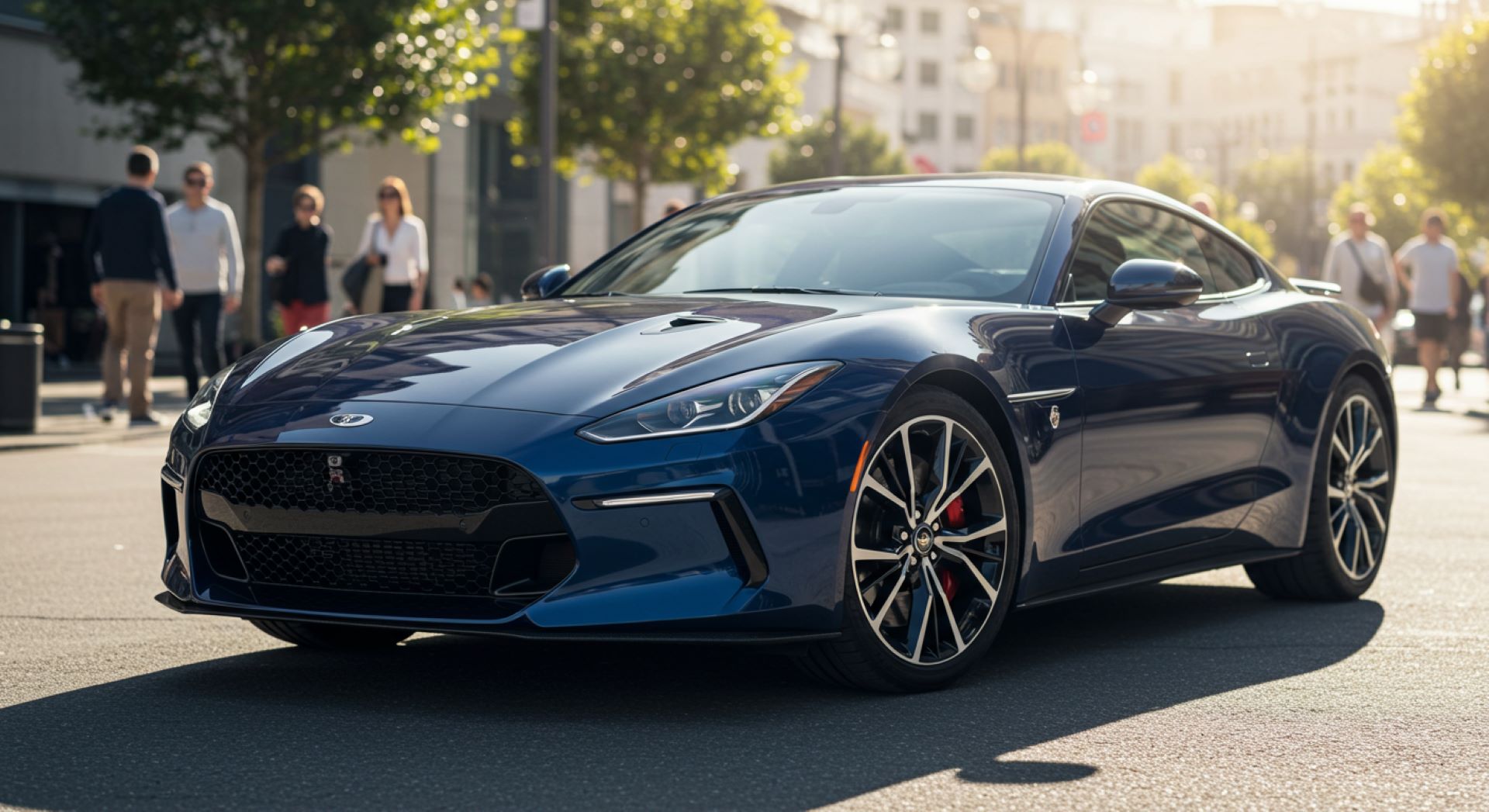
Historical Context and Evolution
The passion for making cars uniquely yours isnÔÇÖt a recent phenomenon. The roots of automotive customization can be traced back to the early days of the motor industry when enthusiasts began tinkering with engines and body kits in their spare time. Back then, customization was an underground movementÔÇöa way for hobbyists to express creativity and improve performance. As car culture evolved through the 1950s and 1960s, hot rodders and muscle car aficionados began to establish a more defined identity, turning ordinary vehicles into personalized works of art on wheels.
Throughout the decades, the concept of personalization grew increasingly sophisticated. The 1980s saw the rise of aftermarket parts industries, where specialized companies emerged to supply everything from custom rims to advanced sound systems. As global communication improved, so did the sharing of ideas and techniques; what started in small garages soon became a worldwide trend. By the turn of the millennium, advancements in digital technology paved the way for manufacturers to integrate personalization directly into the sales process. Now, digital configurators let buyers experiment with colors, trims, and tech options online before ever stepping into a showroom. This evolutionÔÇöfrom handÔÇÉcrafted modifications to state-of-the-art digital designÔÇöhighlights a rich history of innovation, passion, and a relentless pursuit of individuality that continues to drive the industry today.
Current Trends in Customization
TodayÔÇÖs automotive landscape is abuzz with innovative customization options that leave no detail untouched. Car enthusiasts are diving deep into personalization, selecting everything from striking exterior hues to sophisticated interior ambient lighting that creates a mood unique to each journey. One of the hottest trends is the explosion of exterior design options. Manufacturers now offer a spectrum of custom paint finishesÔÇömetallics, mattes, and even color-changing finishesÔÇöthat can be fine-tuned to catch the eye and spark conversation. Beyond paint, modern vehicles now come with an array of body kit options, custom spoilers, and exclusive wheel designs that allow drivers to transform their carÔÇÖs silhouette at the push of a button.
Inside the cabin, personalization has reached a whole new level. Buyers can choose from a wide selection of materialsÔÇöfrom sumptuous leathers in varying textures to eco-friendly fabricsÔÇöand even decide on bespoke stitching patterns that reflect their personal style. Advanced infotainment systems are designed to learn and adapt to user preferences, ensuring that every drive is accompanied by a soundscape, climate, and seating configuration perfectly tuned to the ownerÔÇÖs taste.
Dealers and manufacturers have taken note of this shift. The modern showroom isnÔÇÖt merely a place to view carsÔÇöitÔÇÖs an interactive studio where customers can experiment with virtual models, explore limitless customization options, and even preview their dream car in lifelike detail. Limited edition models and exclusive packages are now part of regular offerings, tapping into the desire for individuality while also boosting brand prestige. This trend is driven not only by consumer demand but also by the competitive edge it provides in a saturated market. By embracing customization, automotive brands create deeper connections with their customers, turning every purchase into a celebration of personal identity and lifestyle.
The Role of Technology in Personalization
Technology is the secret engine powering todayÔÇÖs personalization revolution in car sales marketing. Digital configurators and augmented reality (AR) platforms have redefined the buying experience by transforming traditional showrooms into interactive, immersive environments. With a few taps on a touchscreen or swipes on a smartphone, potential buyers can now visualize every nuance of their future vehicleÔÇöfrom the precise shade of their chosen paint to the layout of custom interior details. This seamless integration of tech not only enhances convenience but also elevates the emotional connection between the buyer and the car.
Artificial intelligence (AI) has also played a pivotal role. By analyzing vast datasets, AI-driven platforms can predict and suggest personalization options tailored to individual tastes and driving habits. For instance, a digital assistant might recommend specific upgrades based on your lifestyleÔÇöwhether you crave sporty performance enhancements or luxurious comfort features. In some cutting-edge models, AI even learns from previous interactions, continuously refining its suggestions as it gathers more data about your preferences.
Virtual reality (VR) has further pushed the boundaries by allowing customers to ÔÇ£test driveÔÇØ their customizations in a virtual space. Imagine donning a VR headset to virtually step inside your dream car, adjusting the ambient lighting and dashboard layout to see how each element feels before making a decision. This technology not only excites buyers but also reduces uncertainty and post-purchase dissonance, as customers are confident that every detail aligns with their vision.
Data analytics underpins all these technological advances. Manufacturers use insights gleaned from consumer behavior to refine customization options, ensuring that offerings stay ahead of evolving trends. The result is a highly personalized buying journey where technology transforms abstract ideas into tangible experiences. This blend of digital innovation and hands-on customization creates a market dynamic that is as thrilling as it is efficientÔÇöinviting buyers to participate actively in the creation of a car that is unmistakably theirs.
Benefits of Customization and Personalization
The perks of customization and personalization extend far beyond aesthetics; they touch every facet of the automotive experience. For consumers, a personalized car isnÔÇÖt just a means of transportationÔÇöitÔÇÖs an expression of individuality. Choosing features that resonate with personal tastes leads to greater satisfaction and an emotional bond with the vehicle. This deep connection enhances pride in ownership and can even transform a routine drive into a statement of personal style.
For manufacturers and dealers, these strategies translate into significant commercial benefits. Customized vehicles often command premium prices, boosting profit margins while also fostering customer loyalty. When buyers are involved in the design process, they feel a sense of investment that can drive repeat business and enthusiastic word-of-mouth referrals. The personalized experience creates a lasting impression that goes far beyond the showroom, solidifying brand identity and trust.
Moreover, studies have shown that personalized marketing not only increases initial sales but also improves customer retention. With data-backed insights, companies can offer timely upgrades and services that anticipate customer needs, ensuring that the relationship continues well after the purchase. The ability to adapt and offer tailor-made solutions in a competitive market is a winÔÇôwin scenario, driving sales while cultivating a dedicated customer base.
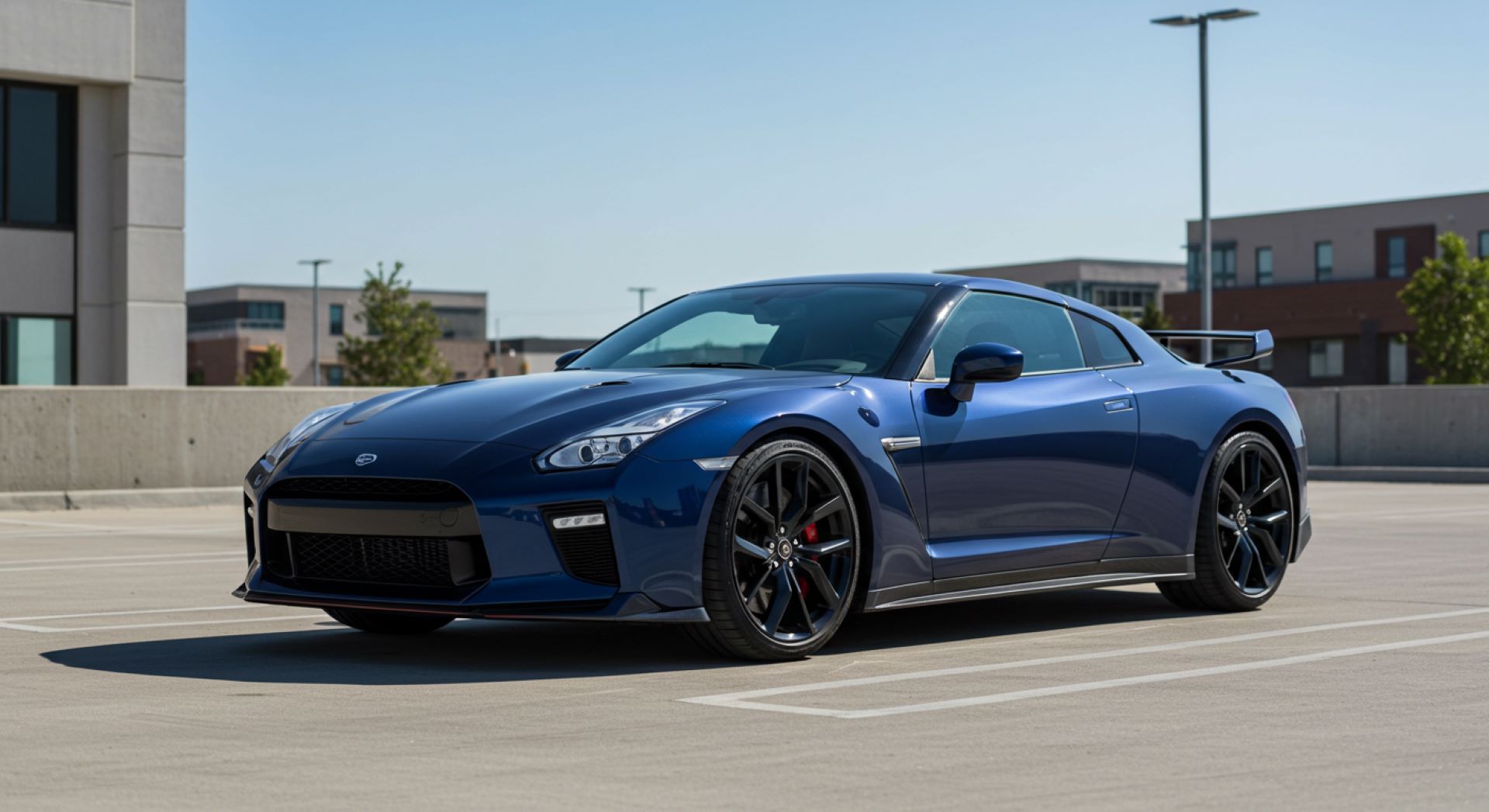
Case Studies
Real-world examples underscore the transformative impact of customization and personalization in the automotive realm. One striking case is that of a renowned luxury brand that launched an online design studio allowing customers to personalize every inch of their vehicle. By leveraging digital tools, the brand enabled buyers to choose from exclusive materials, bespoke color palettes, and unique performance enhancements. The result was an outpouring of enthusiastic customer feedback and a significant uptick in sales, proving that when customers are empowered to express their individuality, the rewards are substantial.
Another notable example is an innovative sports car manufacturer that integrated augmented reality into its sales process. Prospective buyers could step into a virtual environment and experiment with different configurationsÔÇöfrom aerodynamic body kits to advanced in-car technologyÔÇöbefore making a purchase decision. This high-tech approach not only enhanced the buying experience but also drove media buzz, reinforcing the brandÔÇÖs reputation as a forwardÔÇôthinking leader in customization.
A third instance involves a midÔÇôrange brand that partnered with aftermarket specialists to offer limitedÔÇôedition customization packages. These exclusive bundles, available only through select dealerships, combined performance upgrades with luxury interior options, creating a unique selling proposition that resonated strongly with enthusiasts. The strategy led to a surge in dealership visits and a boost in customer engagement, proving that even brands operating outside the luxury segment can benefit immensely from personalized offerings.
Challenges and Considerations
While the allure of customization and personalization is undeniable, the journey is not without its challenges. For manufacturers and dealers, one of the biggest hurdles is balancing cost with creativity. Customization often requires complex logistics and additional investments in technology, which can drive up production costs. ThereÔÇÖs also the risk of diluting brand standards if too many individual modifications stray from a cohesive identity.
Another critical consideration is decision fatigue. With an overwhelming number of options at their fingertips, some consumers may feel paralyzed by choice, leading to delays or even cancellations in the purchase process. ItÔÇÖs a delicate balance between offering freedom and ensuring the process remains streamlined and enjoyable.
Logistical challenges abound as well. Coordinating bespoke orders can complicate supply chains and extend delivery times, which may frustrate buyers eager to hit the road. Dealers must invest in advanced systems to track and manage customized orders effectively, ensuring that each vehicle is built to exacting standards. Despite these obstacles, the industry continues to innovate, developing strategies to overcome these challenges while keeping the customer experience at the forefront.
Future of Customization and Personalization
Looking ahead, the horizon for automotive customization is filled with promise and innovation. Emerging technologies such as blockchain could soon offer unprecedented levels of transparency and traceability in the customization process, ensuring that every bespoke detail is authenticated and recorded. As connectivity and the Internet of Things (IoT) evolve, vehicles may soon be able to adapt in real time to the preferences of their drivers, adjusting settings on the fly for an even more personalized experience.
We may also see a greater integration of sustainable practices, with manufacturers offering ecoÔÇôfriendly customization options that align with growing environmental consciousness. The future could bring cars that not only reflect personal style but also incorporate green technology and sustainable materials. As artificial intelligence matures, digital assistants might guide buyers through the design process, offering realÔÇôtime recommendations based on evolving trends and personal history.
Ultimately, the next chapter in customization will be defined by its blend of technology, sustainability, and artistryÔÇöensuring that every car is not just a mode of transport, but a dynamic extension of its ownerÔÇÖs identity.
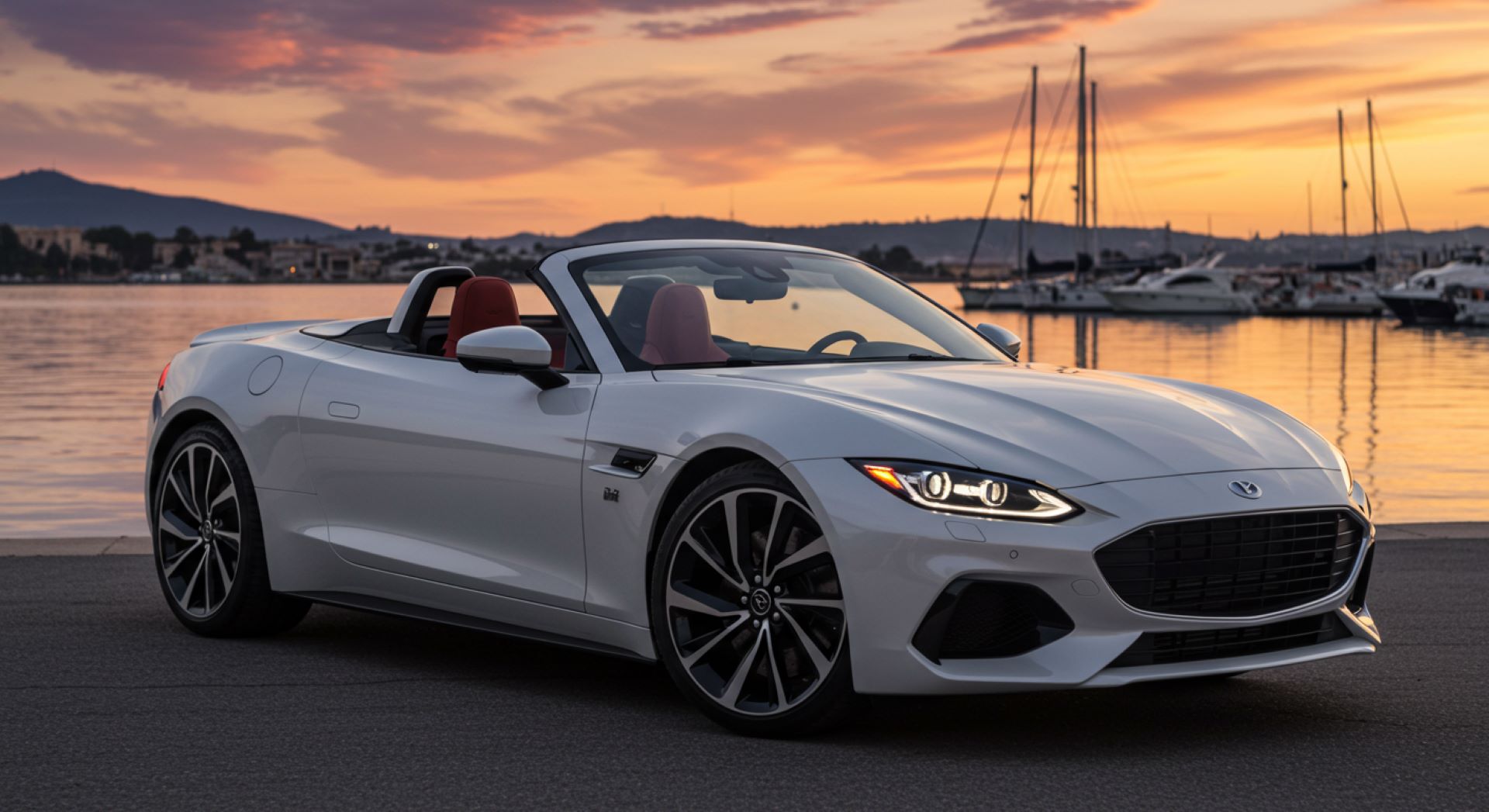
The automotive world is in the midst of a revolutionÔÇöa shift toward a future where every car tells a personal story. Customization and personalization have evolved from fringe hobbies into essential marketing strategies that benefit both consumers and industry players alike. As manufacturers continue to innovate, technology and creativity converge to offer buyers an unparalleled experience, one that transforms every drive into a celebration of individuality. The impact is clear: more satisfied customers, deeper brand loyalty, and a renewed sense of excitement in the car buying journey. In todayÔÇÖs fastÔÇôpaced market, the personalized approach isnÔÇÖt just a trendÔÇöitÔÇÖs a paradigm shift that promises to redefine mobility for generations to come.
Call to Action
Ready to transform your drive? Imagine every detail of your dream car, from the paint to the tech, tailored exclusively for you. Stay informed on the latest trends in automotive customization and start planning your perfect ride today!
Breyten Odendaal
Specializing in high-performance automotive advertising and digital marketing solutions, delivering cutting-edge insights and the latest news shaping the automotive industry in South Africa.
More From Advertising
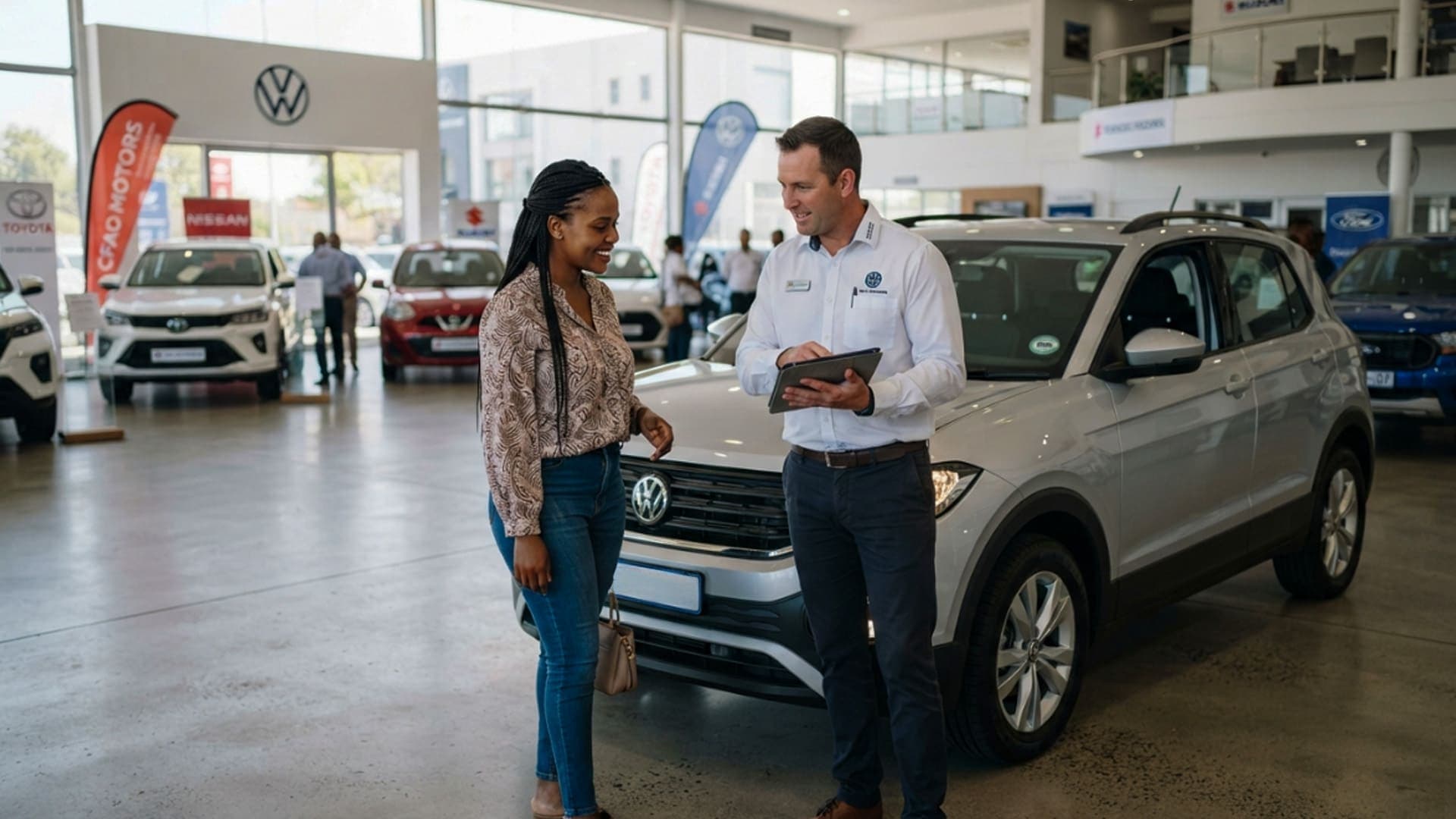
Automotive Advertising in 2026: Selling Confidence in a More Competitive Market
As South Africa’s vehicle market becomes more competitive, automotive advertising needs to do more than announce a price or specification. It needs to help buyers understand value, ownership costs and why a vehicle suits their lives.

Automotive Digital Ads in South Africa: A Shift
Exploring how South Africa’s automotive advertising evolved from print and broadcast to data-driven, programmatic digital ecosystems.

The Video Shift in Car Buying Decisions in SA
Explore how video content shapes car purchase decisions in South Africa, comparing short-form and long-form strategies for automotive marketers.