
Advertising has always been an integral part of the automotive industry, shaping consumer perception and influencing purchasing decisions. Traditionally, car manufacturers invested heavily in elaborate photoshoots and high-budget video productions to showcase their latest models in stunning landscapes and dynamic settings. However, with the rapid advancement of technology, Computer-Generated Imagery (CGI) has emerged as a game-changer in automotive advertising.
From hyper-realistic digital renderings to entire commercial campaigns built in virtual environments, CGI has revolutionized the way car brands market their vehicles. But does this mean the end of traditional car shoots? This article delves into the evolving role of CGI in automotive advertising, weighing its advantages against the timeless artistry of traditional photography and filming.
Understanding CGI in Automotive Advertising
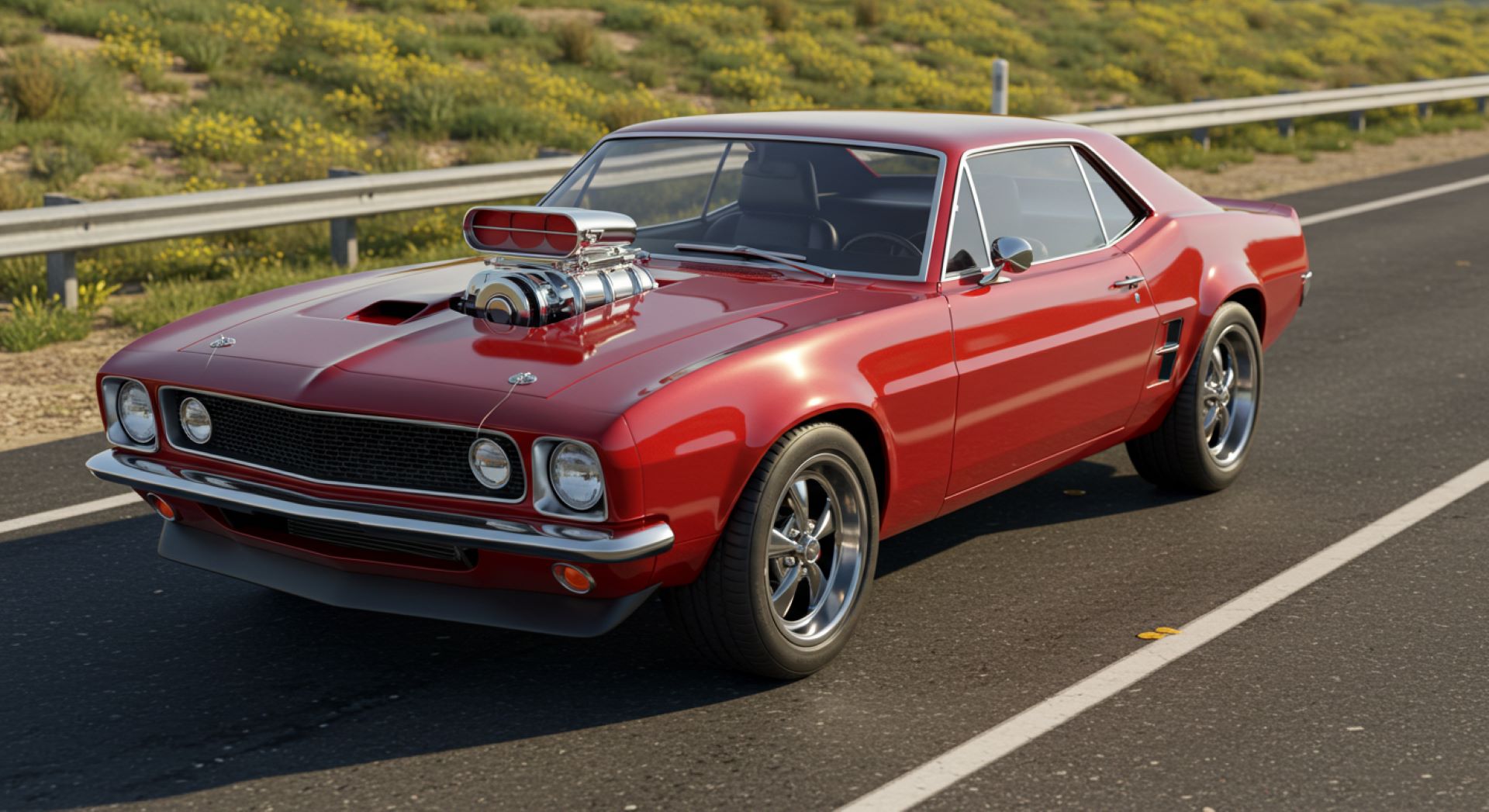
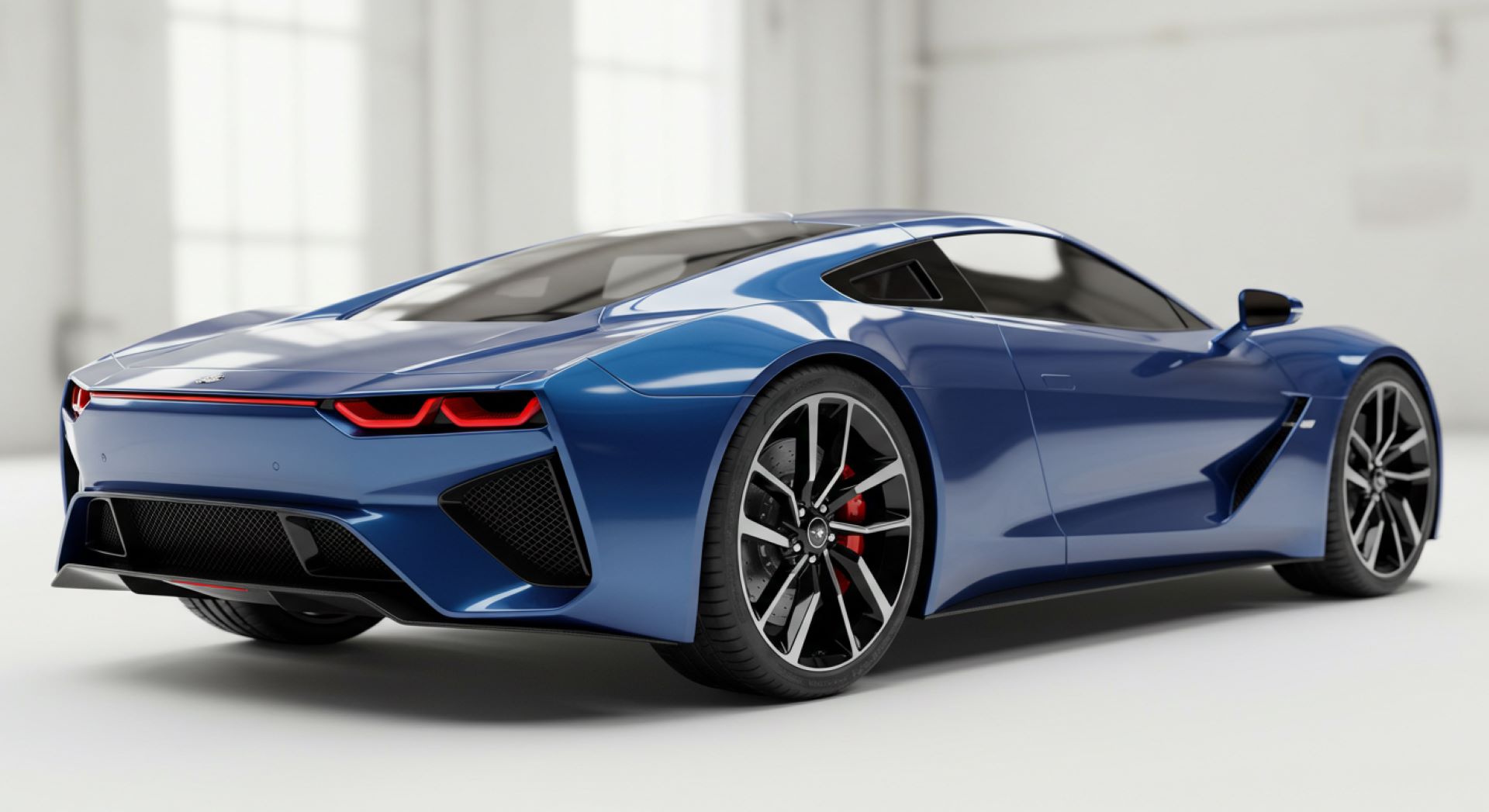
CGI refers to the creation of digital images and animations using computer software, allowing designers to build realistic, high-resolution visuals of vehicles without the need for a physical shoot. This technology has seen widespread adoption in the automotive industry, with brands leveraging it to create advertisements that are visually striking, cost-effective, and incredibly versatile.
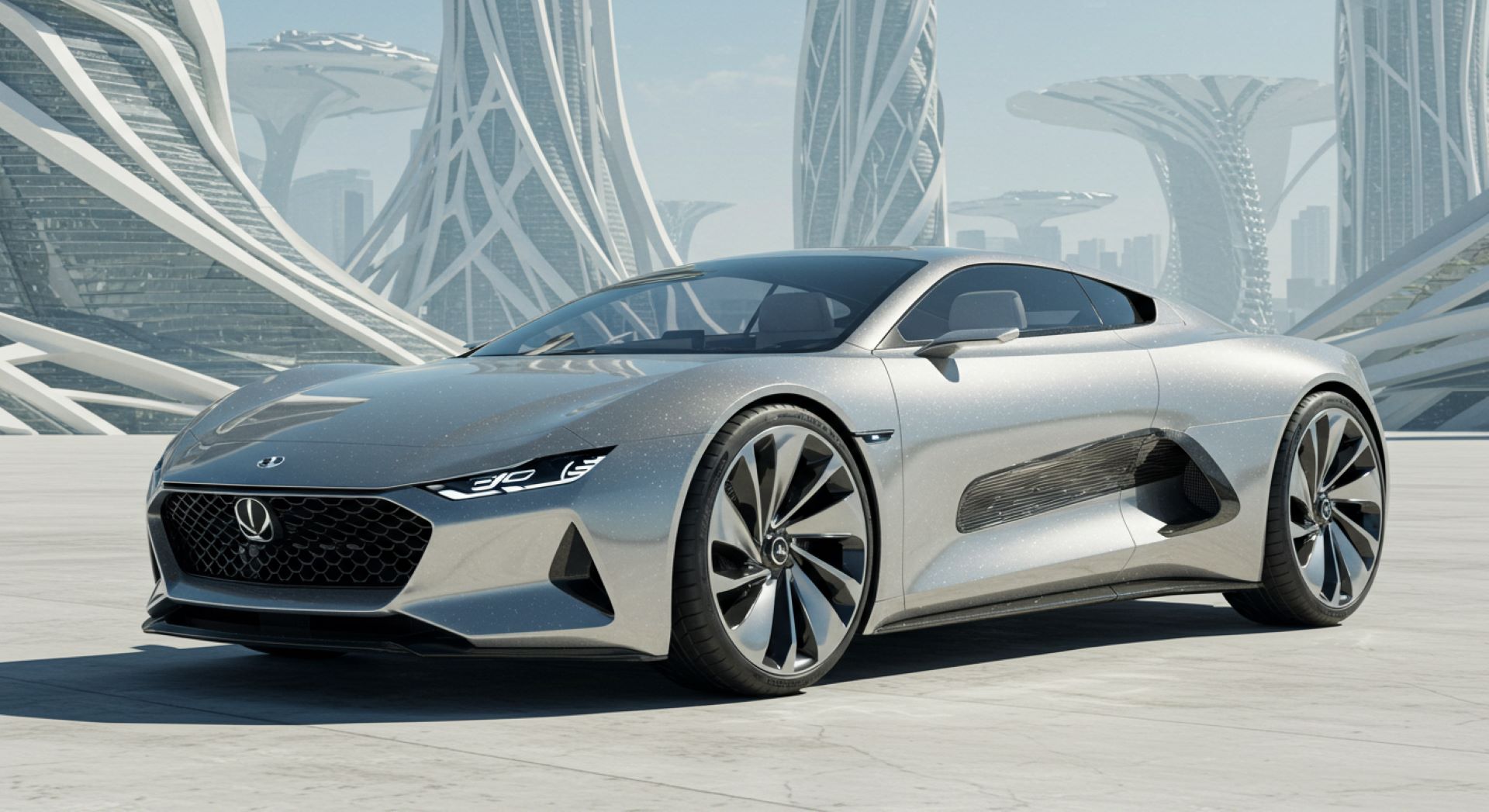
The technical aspects of CGI involve advanced 3D modeling, lighting, texturing, and rendering techniques that mimic real-world physics. High-profile car manufacturers like Audi, BMW, and Tesla have embraced CGI to craft seamless commercials featuring their latest models navigating through digitally-created environments. With CGI, brands can modify details on the fly, experiment with lighting conditions, and even create impossible scenariosÔÇösuch as a car driving through a futuristic city or floating on water.
Among the notable advantages of CGI is its ability to cut costs associated with location scouting, travel, and logistical challenges. It also provides brands with greater flexibility, allowing them to launch global campaigns without geographic limitations. Moreover, the level of control over the final visual output ensures that every detail, from reflections on the carÔÇÖs surface to tire tread imprints on the road, appears flawless.
The Traditional Car Shoot: A Legacy
Despite the rise of CGI, traditional car shoots remain a revered art form in automotive advertising. These shoots typically involve meticulously planned locations, professional drivers, high-end camera equipment, and teams of photographers and videographers capturing every detail of a vehicle in real-world conditions.
The authenticity of a traditional car shoot is difficult to replicate. The way natural light interacts with a carÔÇÖs bodywork, the movement of dust as it speeds along a gravel road, and the spontaneity of dynamic motion shots contribute to an irreplaceable realism that CGI sometimes struggles to match.
Over the years, some of the most iconic car advertisements have been created through traditional shoots. Think of PorscheÔÇÖs cinematic commercials on winding mountain roads, FerrariÔÇÖs high-speed track footage, or the famous Land Rover campaigns capturing rugged off-road adventures. These visuals create an emotional connection with viewers, grounding the experience in reality and making the car feel tangible.
The Pros and Cons: CGI vs. Traditional Car Shoots
Both CGI and traditional car shoots come with their own set of advantages and limitations. HereÔÇÖs a breakdown:
Pros of CGI:
Cons of CGI:
Pros of Traditional Shoots:
Cons of Traditional Shoots:
Case Studies
Audi e-tron Campaign
Audi has been a pioneer in integrating CGI into their marketing. The brandÔÇÖs e-tron campaign featured photorealistic renderings of their electric vehicles in digital environments, allowing for precise control over reflections, textures, and lighting.
Porsche Taycan Launch
Porsche blended traditional filming with CGI enhancements for the TaycanÔÇÖs global launch campaign. The brand utilized real-world driving footage, then augmented it with digital effects to highlight the carÔÇÖs speed and futuristic features.
Lexus ÔÇÿDriven by IntuitionÔÇÖ
Lexus took CGI to the next level by using AI-driven CGI to create an advertisement directed by artificial intelligence. This innovative approach demonstrated the potential of machine learning in automotive marketing.
The Future of Automotive Advertising
As technology continues to evolve, the future of automotive advertising is likely to see a hybrid approach, where CGI and traditional techniques complement each other. The integration of real-world footage with CGI enhancements can offer the best of both worldsÔÇömaintaining authenticity while leveraging the creative possibilities of digital imagery.
Virtual production, a technique made famous by the film industry, is also making its way into car advertising. Brands can now shoot cars against LED screens displaying hyper-realistic CGI backgrounds, reducing the need for extensive location shoots while maintaining a sense of realism.
The rise of CGI has undoubtedly transformed automotive advertising, offering cost-effective, highly customizable, and visually stunning alternatives to traditional car shoots. However, the emotional connection and authenticity of real-world photography and videography continue to hold value.
Rather than signaling the death of traditional car shoots, CGI serves as an evolution of the craft, providing new creative avenues for brands to explore. In the end, the most successful campaigns will be those that strike the perfect balance between digital innovation and the timeless artistry of real-world storytelling.
Call to Action
What do you think? Do CGI-driven ads captivate you, or do you prefer the raw authenticity of traditional car shoots? Share your thoughts in the comments or join the discussion on social media!
Breyten Odendaal
Specializing in high-performance automotive advertising and digital marketing solutions, delivering cutting-edge insights and the latest news shaping the automotive industry in South Africa.
More From Advertising

Automotive Advertising in 2026: Selling Confidence in a More Competitive Market
As South Africa’s vehicle market becomes more competitive, automotive advertising needs to do more than announce a price or specification. It needs to help buyers understand value, ownership costs and why a vehicle suits their lives.

Automotive Digital Ads in South Africa: A Shift
Exploring how South Africa’s automotive advertising evolved from print and broadcast to data-driven, programmatic digital ecosystems.

The Video Shift in Car Buying Decisions in SA
Explore how video content shapes car purchase decisions in South Africa, comparing short-form and long-form strategies for automotive marketers.