Celebrity endorsements have become an integral part of the automotive advertising landscape, shaping how brands engage with consumers. These powerful collaborations between automotive manufacturers and well-known figures have proven to be more than just marketing toolsÔÇöthey have become cultural phenomena. Whether it's a famous athlete driving a luxury sedan or a beloved actor showcasing a futuristic electric vehicle, the presence of celebrities in car commercials undeniably influences public perception and drives consumer behavior. But what makes these partnerships so effective, and why do they resonate with audiences, particularly automotive enthusiasts? This article delves into the role of celebrity endorsements in car advertising, exploring how they impact consumer decision-making and brand perception, and why they hold such significance in the automotive sector.
For automotive enthusiasts, these endorsements are not just about flashy marketingÔÇöthey represent an intersection of culture, performance, and identity. Car brands carefully select their celebrity ambassadors to align with their vehiclesÔÇÖ ethos, leveraging their influence to create aspirational narratives that resonate with their target audience. By examining the history, psychology, successes, challenges, and future trends surrounding celebrity endorsements in automotive advertising, this article provides a comprehensive look at the power these partnerships wield and how they shape the way enthusiasts interact with brands.

The History of Celebrity Endorsements in Automotive Advertising
The use of celebrity endorsements in automotive advertising is not a new phenomenon; in fact, it can be traced back to the early 20th century. The origins of this practice lie in the evolving nature of consumer marketing and the growing recognition of the value of fame. Initially, automotive advertising relied on traditional forms of media, such as print and radio, to reach a broad audience. But as television became a dominant platform in the 1950s and 1960s, the idea of using celebrities to sell cars gained traction.
One of the first notable examples came from the Ford Motor Company in 1954 when they enlisted the popular actor and singer Frank Sinatra to promote the Ford Thunderbird. SinatraÔÇÖs charm and appeal made him the perfect spokesperson for the brand, and the campaign was deemed a success. This marked the beginning of an enduring trend in automotive advertising that would evolve with the times. As the years passed, the scale of celebrity involvement in car advertising grew exponentially. The 1980s and 1990s saw iconic partnerships such as Michael JordanÔÇÖs endorsement of Nike and ToyotaÔÇÖs collaborations with action stars like Bruce Willis and James Bond actor Pierce Brosnan. These collaborations exemplified how celebrity endorsements could elevate a brandÔÇÖs status and create lasting associations between the celebrityÔÇÖs image and the product being sold.
The 21st century brought with it even more strategic celebrity partnerships. In the digital age, car manufacturers began to work with celebrities not only in commercials but also across digital and social media platforms. The rise of social media influencers has redefined what it means to be a "celebrity" in car advertising. These days, a social media star with millions of followers can have just as much, if not more, influence than traditional movie stars or athletes, transforming the landscape of automotive marketing.
The Psychology Behind Celebrity Endorsements
At the core of celebrity endorsements lies a deep psychological connection that consumers form with famous figures. The effectiveness of these endorsements is driven by several psychological principles, which include the halo effect, aspirational buying, and social proof. Each of these principles plays a role in making celebrity endorsements compelling and effective in shaping consumer perceptions and purchasing decisions.
The halo effect is perhaps the most prominent psychological concept that explains the success of celebrity endorsements. This phenomenon refers to the tendency for people to associate positive qualities of a celebrity with the product they are promoting. If a consumer admires a particular celebrity, they are more likely to view the endorsed product favorably, simply because the celebrity endorses it. For example, the endorsement of a high-performance sports car by a famous athlete like Formula 1 driver Lewis Hamilton can create a positive halo effect that boosts the carÔÇÖs perceived performance and desirability.
Another key principle is aspirational buying, which involves consumers purchasing products that reflect their ideal self-image or social aspirations. Celebrities often represent an idealized version of success, lifestyle, or status. When a celebrity endorses a car brand, they are not only showcasing the productÔÇöthey are embodying the lifestyle that the car brand promises. For automotive enthusiasts, this is particularly powerful. A luxury brand like Aston Martin, for instance, uses celebrity endorsements to align their vehicles with the world of high-profile actors and executives. By associating their cars with successful individuals, the brand taps into the consumerÔÇÖs desire to emulate that success.
Finally, social proof comes into play when consumers observe others, particularly famous figures, adopting a particular product or brand. If a celebrity is seen driving a specific car, it provides validation to the consumer that this car is desirable and worth purchasing. The presence of a popular celebrity behind a car brand can create a social cue, indicating that owning the car is both socially acceptable and aspirational. This is especially impactful in car advertisements, where the value of the product is not just about performance or design but also about social status.
Impact on Consumer Behavior
Celebrity endorsements in car advertising have a profound effect on consumer behavior, especially when it comes to purchasing decisions. A successful celebrity partnership can significantly shift public perception of a brand, turning it from just another car manufacturer into a symbol of status, lifestyle, or innovation. Consumers are drawn to cars that represent more than just transportationÔÇöthey are attracted to cars that align with their values, desires, and aspirations.
The success of these endorsements depends on several factors. First and foremost is the relevance of the celebrity to the target audience. The celebrity must resonate with the demographic that the car brand is trying to reach. For instance, the collaboration between luxury car maker Mercedes-Benz and popular footballer David Beckham made sense because both brands share an audience that values sophistication, success, and status. On the other hand, an endorsement by a celebrity whose personal brand does not align with the target market could backfire.
Moreover, the authenticity of the celebrityÔÇÖs involvement also plays a crucial role. Consumers are increasingly savvy and can spot inauthentic endorsements from a mile away. When a celebrity seems to be endorsing a product purely for monetary reasons, without a genuine connection to the brand or its values, it can erode trust. In contrast, an endorsement where the celebrityÔÇÖs personal beliefs align with the brandÔÇÖs mission can create a deeper emotional connection with consumers.
Real-life examples of how celebrity endorsements have shifted consumer attitudes and sales results can be seen in campaigns like NissanÔÇÖs collaboration with actor and activist Leonardo DiCaprio. DiCaprioÔÇÖs endorsement of NissanÔÇÖs electric cars was impactful not only because of his fame but also because of his strong environmental stance, aligning perfectly with the growing consumer demand for sustainable mobility.
Challenges and Risks Involved
While celebrity endorsements can yield significant rewards, they are not without their challenges and risks. One of the primary concerns is the risk of scandal. Celebrities are, after all, human, and their personal lives can sometimes become a liability for the brands they represent. When a celebrity is involved in a scandal, it can tarnish the reputation of the car brand, leading to a loss of consumer trust.
Another challenge is the potential mismatch between the celebrity and the brandÔÇÖs identity. Not every celebrity is a good fit for every car brand. For example, a tech-savvy influencer may be a better fit for a futuristic electric car than an actor known for action movies. If the celebrity does not align with the brandÔÇÖs values or target audience, the endorsement can seem forced and fail to resonate.
Finally, costs can be a significant barrier for many brands. Hiring a top-tier celebrity can come with a hefty price tag, and thereÔÇÖs always the risk that the investment may not lead to the desired sales increase. Brands must carefully weigh the potential return on investment before embarking on a celebrity endorsement campaign.
Future Trends in Celebrity Endorsements in the Automotive Industry
As we move into the future, the landscape of celebrity endorsements in automotive advertising is evolving. Traditional TV commercials are no longer the sole avenue for these partnerships. The rise of digital and social media platforms has opened up new opportunities for brands to connect with consumers on a more personal level. Celebrities now have direct access to their followers through platforms like Instagram, Twitter, and TikTok, where they can promote brands in more authentic and engaging ways.
Moreover, the focus of many automotive brands is shifting toward sustainability and innovation. As consumers become more environmentally conscious, car brands are turning to celebrities who align with these values. In this context, endorsements from figures like Elon Musk, Leonardo DiCaprio, and Emma Watson, known for their environmental advocacy, are becoming more prevalent.
Additionally, influencer marketing is set to play a larger role in the future of automotive advertising. Rather than relying on traditional celebrities, car brands may increasingly collaborate with social media influencers who have built niche followings among younger, more tech-savvy consumers. This shift reflects broader changes in how brands connect with audiences and how consumers perceive authority and authenticity.
Celebrity endorsements will continue to play a pivotal role in the automotive advertising world, shaping brand perceptions and influencing consumer behavior. By tapping into the psychological principles of the halo effect, aspirational buying, and social proof, brands can build strong emotional connections with their audiences. However, these collaborations also come with their fair share of challenges, from the risk of scandal to the potential mismatch between the celebrity and the brandÔÇÖs identity. As we look toward the future, the digital age promises even more opportunities for automotive brands to work with celebrities, influencers, and advocates to engage with consumers in new and exciting ways. Ultimately, the success of these endorsements hinges on authenticity, alignment with brand values, and the ability to create aspirational narratives that resonate with automotive enthusiasts.
Breyten Odendaal
Specializing in high-performance automotive advertising and digital marketing solutions, delivering cutting-edge insights and the latest news shaping the automotive industry in South Africa.
More From Advertising
Automotive Advertising in 2026: Selling Confidence in a More Competitive Market
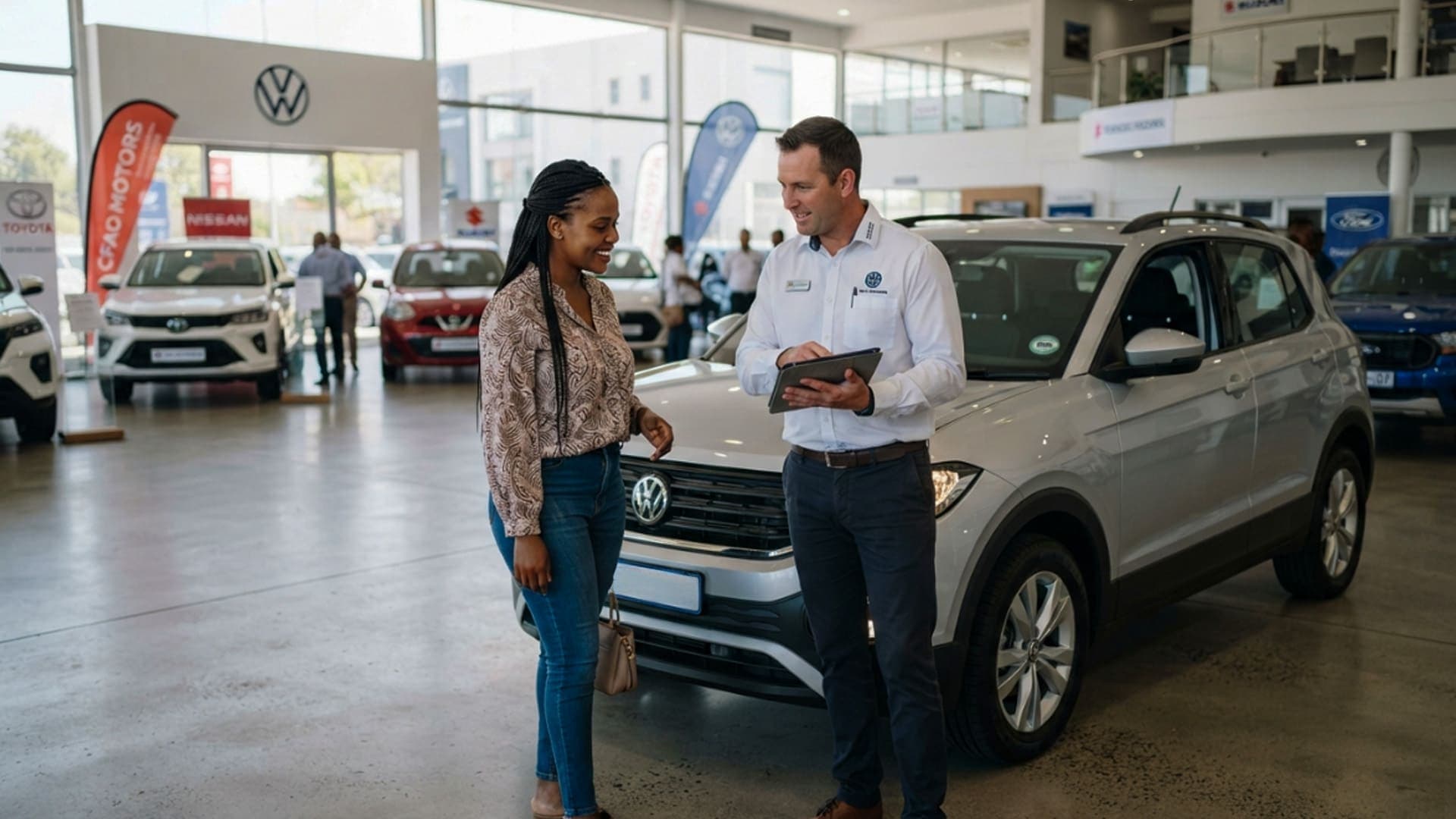
As South Africa’s vehicle market becomes more competitive, automotive advertising needs to do more than announce a price or specification. It needs to help buyers understand value, ownership costs and why a vehicle suits their lives.

Automotive Digital Ads in South Africa: A Shift
Exploring how South Africa’s automotive advertising evolved from print and broadcast to data-driven, programmatic digital ecosystems.

The Video Shift in Car Buying Decisions in SA
Explore how video content shapes car purchase decisions in South Africa, comparing short-form and long-form strategies for automotive marketers.