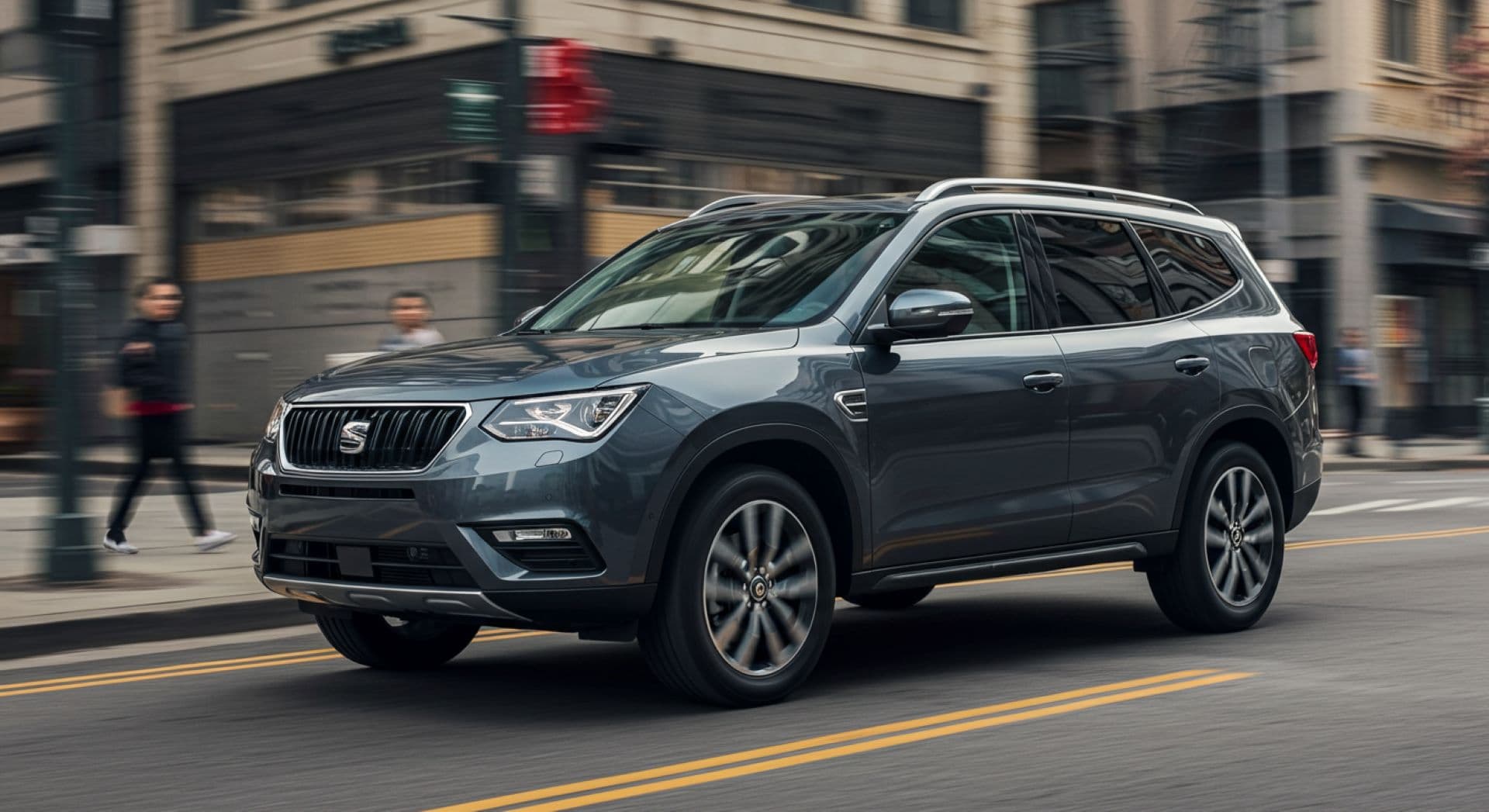
Car advertisements are more than just marketing tools; they are cultural artifacts that reflect and shape how society perceives mobility. From the sleek sports cars that symbolize freedom to the eco-friendly electric vehicles heralding a greener future, automotive advertising has long influenced consumer behavior and urban landscapes. A 2023 study by Nielsen found that 70% of car buyers are influenced by digital advertising in their purchase decisions. This underscores how deeply ingrained car ads are in shaping not just personal choices but also broader urban mobility trends. This article explores the pivotal role car advertisements have played in molding our cities, infrastructure, and transportation habits.

The History of Car Advertising
Since the early 20th century, car advertising has evolved in response to cultural shifts, technological advancements, and urbanization. In the 1920s, advertisements for FordÔÇÖs Model T focused on affordability and accessibility, reflecting the democratization of car ownership. By the 1950s, automobile advertising highlighted status and luxury, mirroring the rise of suburban lifestyles. The 1980s and 1990s saw a shift towards performance-driven messaging, with high-speed imagery and rugged terrain backdrops influencing consumer expectations. Today, sustainability and innovation take center stage, promoting electric vehicles (EVs) and autonomous driving technology. Each era of car advertising has contributed to shaping urban mobility, reinforcing or challenging existing transportation norms.
Key Strategies in Automotive Advertising
Automotive advertisers employ powerful storytelling techniques, emotional appeals, and aspirational imagery to resonate with consumers. Some of the most effective strategies include:
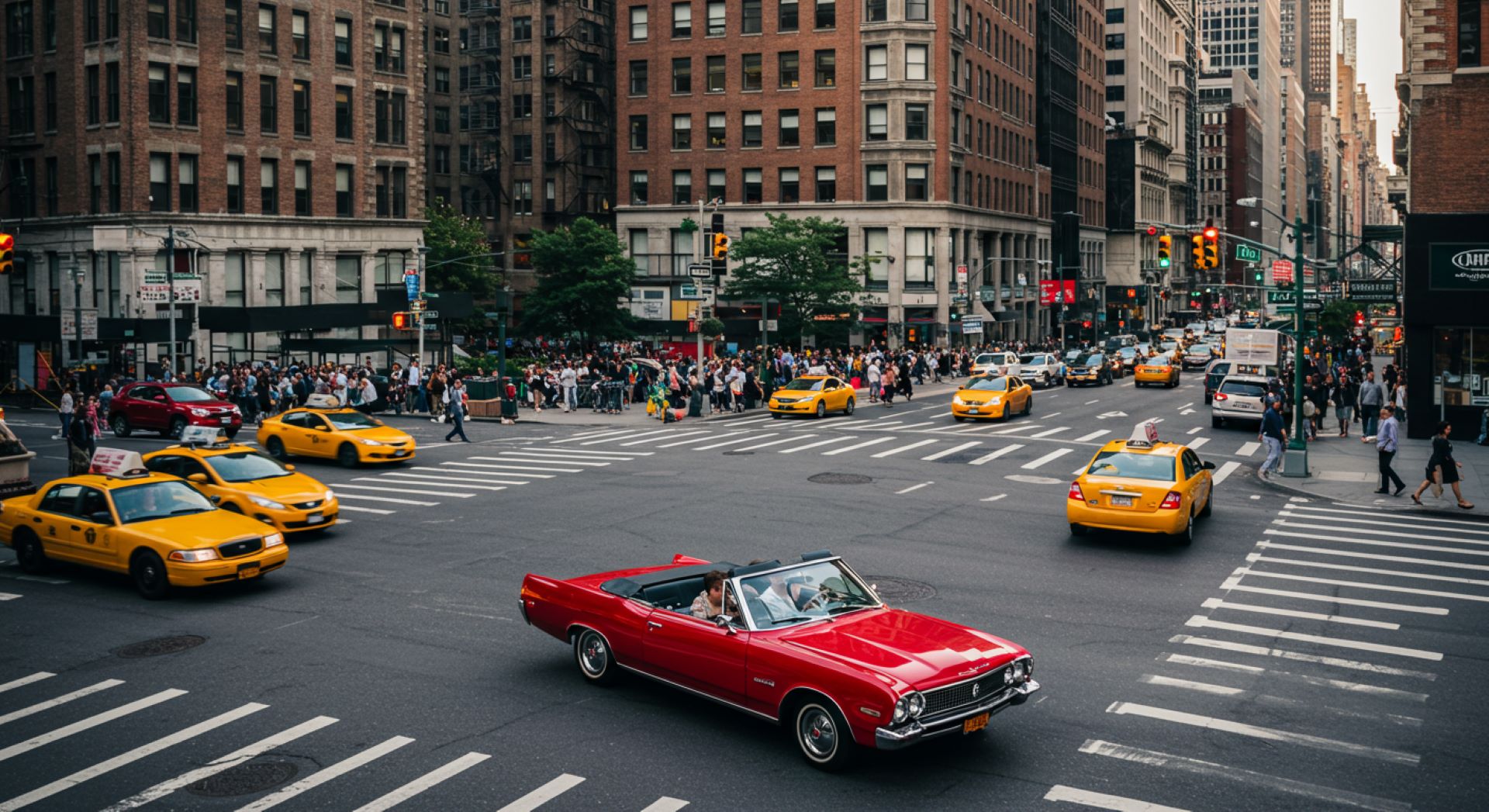
The Influence of Advertising on Urban Mobility Trends
Car advertisements donÔÇÖt just sell vehicles; they influence infrastructure planning, public policy, and societal attitudes toward mobility. In the mid-20th century, aggressive marketing of personal car ownership contributed to urban sprawl and the decline of public transportation in many cities. Today, advertisements for electric vehicles and car-sharing services are shifting the focus towards sustainable and shared mobility solutions. The rise of ride-hailing apps like Uber and Lyft was fueled in part by strategic advertising that promoted convenience and affordability. Additionally, government-backed campaigns for EV adoption highlight the role of advertising in shaping sustainable urban mobility trends.
Technology and Innovation in Car Advertising
Advancements in technology have revolutionized automotive advertising. Social media, augmented reality (AR), and targeted digital campaigns create highly personalized advertising experiences. Features like interactive configurators allow consumers to visualize and customize their vehicles online, while AR experiences let potential buyers test-drive cars virtually. This digital transformation not only enhances consumer engagement but also fosters a shift towards more informed and sustainable mobility choices.
Cultural Influence and Global Trends
Car advertisements reflect and shape cultural identities and mobility aspirations worldwide. In the United States, ads often emphasize freedom and power, reinforcing the countryÔÇÖs car-centric culture. In contrast, European advertisements frequently highlight efficiency and environmental responsibility, aligning with urban planning trends favoring public transport and cycling. In emerging markets, car ads serve as status symbols, driving consumer demand for ownership. Global advertising campaigns, such as ToyotaÔÇÖs ÔÇÿStart Your ImpossibleÔÇÖ initiative, demonstrate how automotive brands leverage cultural narratives to influence mobility trends across different regions.
The power of car advertisements extends beyond mere vehicle sales; they shape how societies move, interact, and develop urban spaces. From influencing infrastructure planning to driving sustainable mobility solutions, advertising remains a pivotal force in urban transportation evolution. As the industry shifts towards electrification, connectivity, and shared mobility, advertisers have an opportunityÔÇöand a responsibilityÔÇöto craft messages that promote sustainable and inclusive urban mobility solutions. The future of mobility lies not just in innovation but in the stories we tell about it.
Breyten Odendaal
Specializing in high-performance automotive advertising and digital marketing solutions, delivering cutting-edge insights and the latest news shaping the automotive industry in South Africa.
More From Advertising

Automotive Advertising in 2026: Selling Confidence in a More Competitive Market
As South Africa’s vehicle market becomes more competitive, automotive advertising needs to do more than announce a price or specification. It needs to help buyers understand value, ownership costs and why a vehicle suits their lives.

Automotive Digital Ads in South Africa: A Shift
Exploring how South Africa’s automotive advertising evolved from print and broadcast to data-driven, programmatic digital ecosystems.

The Video Shift in Car Buying Decisions in SA
Explore how video content shapes car purchase decisions in South Africa, comparing short-form and long-form strategies for automotive marketers.