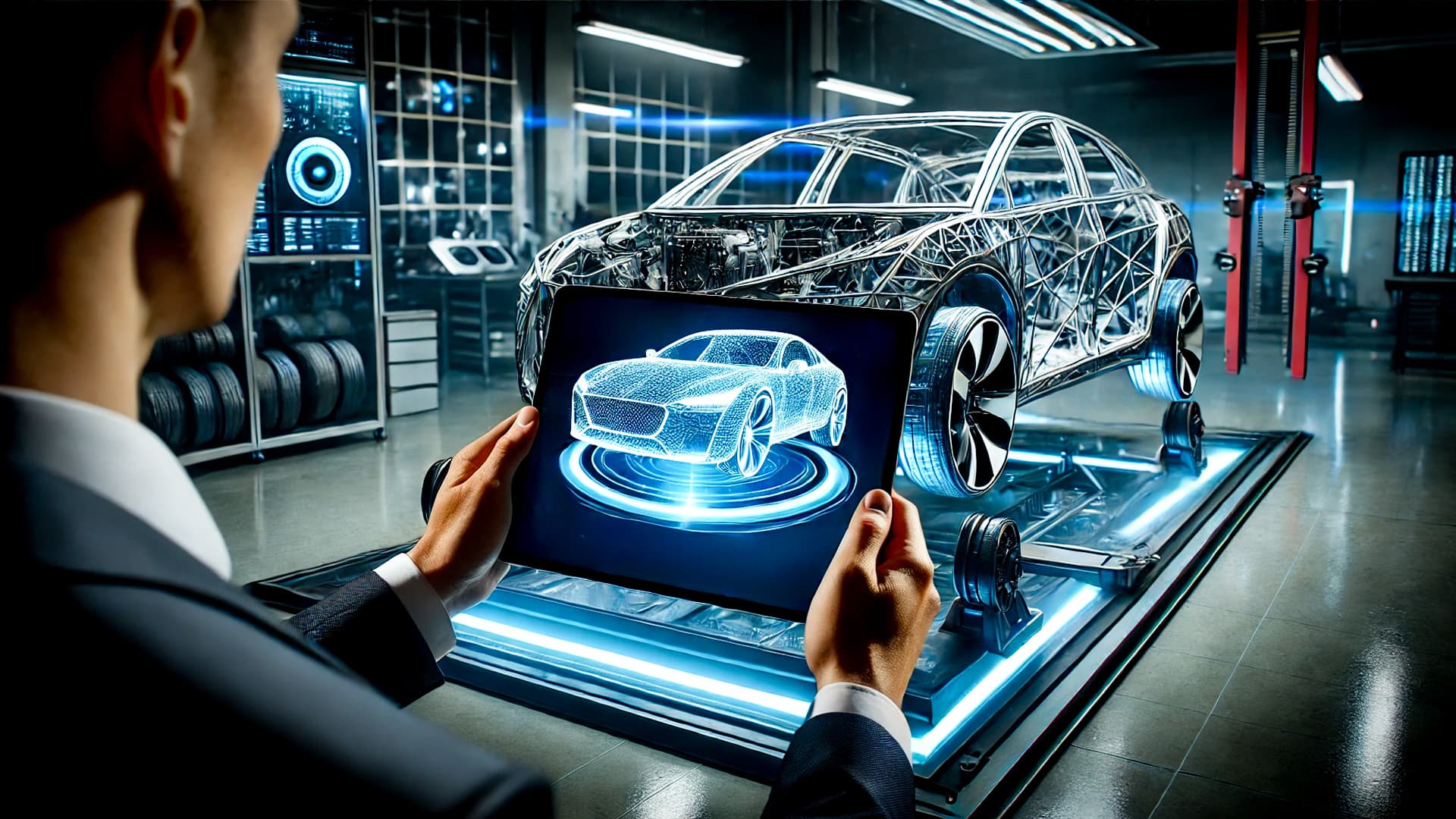
The world of automotive advertising is undergoing a revolutionary transformation, thanks to augmented reality (AR). As digital landscapes evolve, brands are seeking more innovative ways to engage potential buyers, and AR is proving to be the next frontier. By blending the physical and digital realms, AR is not only capturing attention but also redefining the very essence of what automotive advertising can achieve.
Understanding Augmented Reality (AR) in Automotive Advertising
What is Augmented Reality?
Augmented reality is a technology that overlays digital content onto the real world, enriching the viewerÔÇÖs environment with interactive elements. Unlike virtual reality (VR), which immerses users in an entirely virtual world, AR integrates seamlessly with the physical space, allowing users to experience digital enhancements while maintaining a connection to their real-world surroundings. In automotive advertising, AR brings cars to life in ways that traditional media simply cannot.
How AR is Shaping the Automotive Industry
The automotive industry, driven by a hunger for innovation, has embraced AR with open arms. From interactive product visualizations to immersive brand experiences, AR has found its place in marketing strategies worldwide. Car manufacturers can now offer potential buyers a more engaging experienceÔÇöallowing them to visualize car models, explore features, and even test-drive vehicles from the comfort of their living room. This dynamic shift in consumer interaction is paving the way for new opportunities to engage and convert audiences.
Why AR is the Future of Automotive Advertising
AR offers advertisers an unparalleled level of interactivity, customization, and personalization. Its ability to create memorable, hands-on experiences is a game-changer. As consumer expectations for engaging content continue to rise, AR provides a solution that not only meets but exceeds these demands. With continuous advancements in mobile technology and the growing accessibility of AR tools, itÔÇÖs clear that this technology will become a cornerstone in the future of automotive advertising.
Creating Immersive Experiences for Potential Buyers
Transforming Traditional Ads into Interactive Experiences
Gone are the days when static ads or pre-recorded videos dominated the advertising landscape. AR offers a portal to a new dimension where potential buyers can actively participate in the advertisement itself. With a simple smartphone or AR-enabled device, users can place a digital model of a car in their driveway, open its doors, examine its interior, or take a virtual test drive. This level of immersion turns passive observers into active participants, greatly enhancing their connection to the product.
The Power of Virtual Showrooms and Test Drives
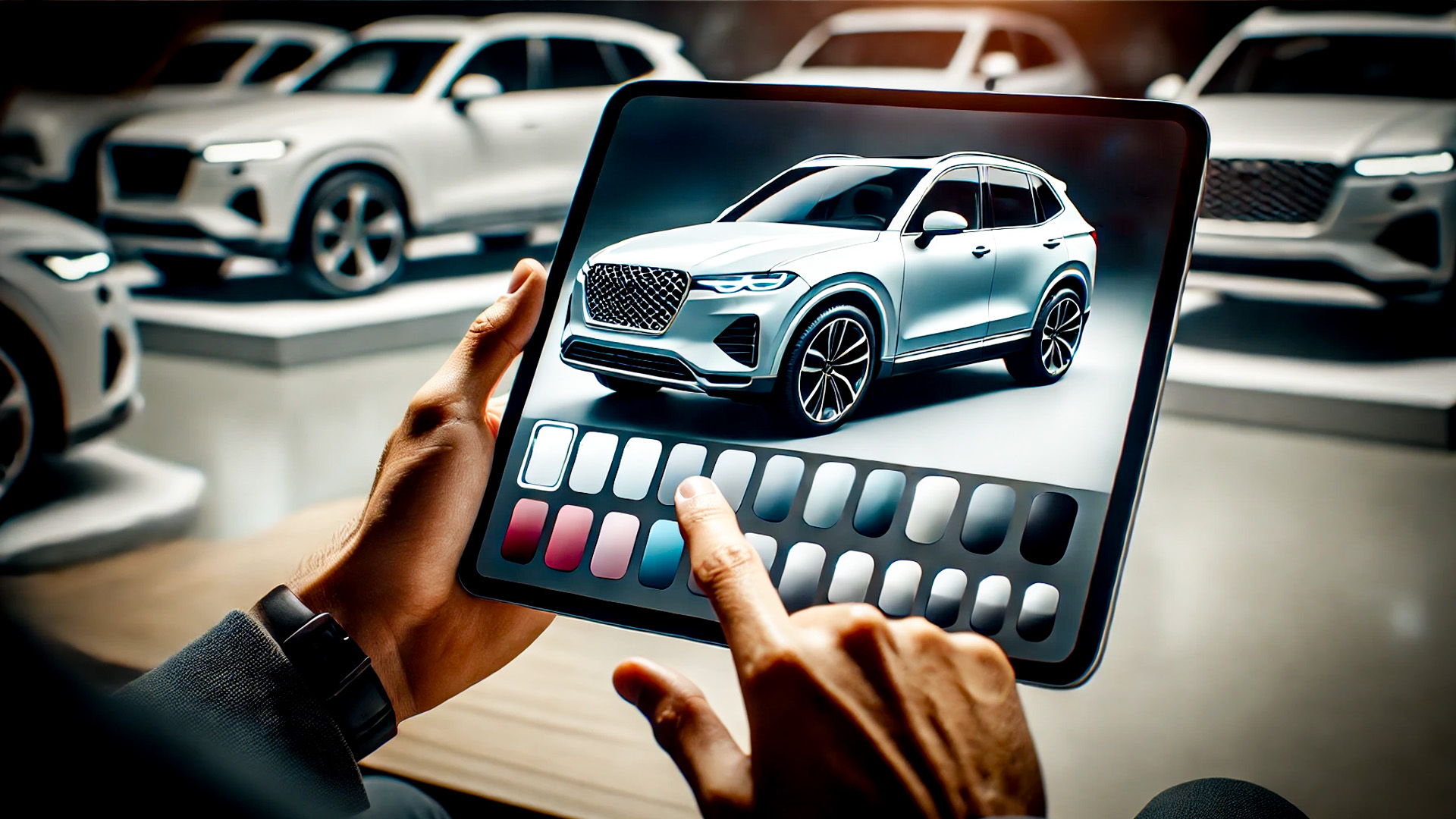
In a world where convenience often dictates consumer choices, virtual showrooms provide an opportunity for buyers to explore multiple models without ever stepping foot into a dealership. Through AR, customers can "walk" around a vehicle, explore its features, and even customize aspects such as color or wheel design. Virtual test drives allow users to experience the thrill of the road, creating an emotional connection with the vehicle long before they even schedule an in-person visit.
Enhancing User Engagement with 3D Car Models
Three-dimensional car models powered by AR give buyers a tangible experience of a vehicle. Unlike traditional 2D visuals, 3D models provide an accurate, life-like representation of the carÔÇÖs design and dimensions. Users can zoom in, rotate, and examine every detail, from the stitching on the seats to the texture of the dashboard. This heightened level of engagement offers an unmatched experience, making it easier for consumers to envision themselves behind the wheel.
Boosting Personalization and Customer Interaction
Tailoring Ads to Individual Preferences Through AR
Personalization is key in todayÔÇÖs competitive marketplace. With AR, brands can tailor advertising experiences to match the preferences and behaviors of individual users. By analyzing user data and purchase history, automotive companies can serve personalized AR experiences that highlight vehicles suited to the individualÔÇÖs needs, be it a luxury sedan or a family SUV. This type of bespoke advertising ensures a deeper, more meaningful connection with the consumer.
Interactive AR Features that Respond to User Behavior
AR isnÔÇÖt just about showcasing productsÔÇöitÔÇÖs about creating an interactive dialogue between the brand and the consumer. Using data-driven insights, AR ads can respond to user input in real-time. Whether itÔÇÖs changing the color of a car, modifying its features, or simulating different driving conditions, AR allows users to engage with the ad on their terms, fostering a sense of control and deepening their investment in the product.
Real-Time Feedback and Customization Options for Consumers
AR technology provides the unique ability to offer real-time feedback during the consumer journey. Imagine customizing a car within an AR app, only to receive immediate suggestions based on your preferences. Whether the system recommends an upgrade to a sportier model or offers a discount on a specific feature package, real-time customization fosters a collaborative shopping experience, enhancing satisfaction and increasing the likelihood of purchase.
Bridging the Gap Between Online and Offline Advertising
Merging Digital and Physical Spaces with AR
AR has the ability to bridge the gap between the digital and physical realms, creating an omnichannel advertising experience. Through AR-enabled apps, users can interact with automotive ads in the digital space while still connected to the physical world. For example, scanning a billboard or print ad with a smartphone can unlock a 3D version of the featured vehicle, instantly bringing the static ad to life.
Utilizing AR for In-Store Interactive Displays
Dealerships are increasingly incorporating AR into their physical spaces. Interactive displays allow customers to visualize different car models, features, and specifications without the need for vast showroom space. Buyers can even simulate the driving experience within the store itself, enhancing their decision-making process and providing valuable data to dealerships about customer preferences.
Increasing Sales Conversions by Connecting Users to Local Dealerships
AR isnÔÇÖt just a noveltyÔÇöitÔÇÖs a tool for driving sales. By integrating location-based technology, AR experiences can connect potential buyers with nearby dealerships, providing a seamless path from exploration to purchase. After interacting with a virtual car, users can be prompted to book a test drive at their closest dealership, making the transition from digital engagement to real-world action smooth and compelling.

Enhancing Brand Perception and Loyalty
Building Stronger Brand Connections with AR Campaigns
AR campaigns offer more than just eye-catching visualsÔÇöthey build long-term relationships between brands and consumers. By offering immersive, memorable experiences, automotive companies can create a sense of connection that transcends traditional advertising. Consumers who engage with AR ads are more likely to remember the brand, feel a personal connection, and return for future interactions.
Creating Memorable, Shareable Ad Experiences
The interactive nature of AR makes it ideal for creating ads that consumers are eager to share. Whether itÔÇÖs a virtual test drive, a customizable 3D model, or an interactive in-app experience, AR ads invite users to spread the word. Shareability is a powerful tool in the digital age, amplifying the reach of automotive campaigns and generating organic buzz.
How AR Helps Automotive Brands Stand Out in a Crowded Market
In an industry as competitive as automotive, standing out is crucial. ARÔÇÖs ability to offer personalized, immersive experiences gives brands a unique advantage. By pushing the boundaries of traditional advertising, automotive companies can create a distinct identity, positioning themselves as forward-thinking, innovative leaders in the market.
Measuring the Impact of AR-Enhanced Automotive Ads
Key Metrics for Gauging AR Campaign Effectiveness
To truly understand the value of AR in automotive advertising, brands need to track specific performance metrics. From user engagement and interaction rates to sales conversions and return on investment (ROI), measuring the effectiveness of AR campaigns is essential. These metrics not only provide insight into how well the campaign is performing but also highlight areas for improvement.
AR as a Tool for Improving Ad Performance
The data generated from AR campaigns offers valuable insights into consumer behavior. By analyzing how users interact with AR ads, automotive brands can refine their future campaigns, improving performance and optimizing their messaging. This feedback loop creates a continuous cycle of improvement, ensuring that AR remains a powerful tool in the advertising toolkit.
Case Studies of Successful AR Automotive Campaigns
Several leading automotive brands have already embraced AR with successful campaigns. From ToyotaÔÇÖs interactive AR app that allows users to visualize hybrid technology, to PorscheÔÇÖs virtual test drives, these case studies demonstrate the potential of AR to captivate audiences and boost sales. These real-world examples serve as proof that AR is more than just a trendÔÇöitÔÇÖs a transformative force in automotive advertising.
Challenges and Opportunities for the Future
Overcoming Technological and Budgetary Constraints
While AR offers tremendous potential, it also comes with challenges. High development costs and the need for advanced hardware can be barriers for smaller automotive brands. However, as AR technology becomes more affordable and accessible, these constraints are gradually diminishing, opening doors for wider adoption.
The Role of 5G in Expanding AR Capabilities
The advent of 5G is set to revolutionize AR experiences. With faster download speeds and lower latency, 5G will enable more seamless and interactive AR applications. This will allow automotive brands to push the boundaries of whatÔÇÖs possible in advertising, creating even more immersive and responsive experiences for consumers.
What the Future Holds for AR in Automotive Advertising
As AR continues to evolve, the future of automotive advertising looks brighter than ever. With advancements in technology, greater accessibility, and a growing demand for interactive experiences, AR is poised to become a standard feature in automotive marketing strategies. Brands that embrace this technology early will be well-positioned to lead the industry into the future.
Augmented reality is not just a tool for todayÔÇöitÔÇÖs the future of automotive advertising. With its ability to create immersive, personalized experiences, connect digital and physical spaces, and enhance brand loyalty, AR is redefining the way consumers interact with car brands. As technology continues to advance, ARÔÇÖs role in shaping the future of automotive advertising will only grow. For brands willing to invest in this innovative approach, the rewards are limitless.
Breyten Odendaal
Specializing in high-performance automotive advertising and digital marketing solutions, delivering cutting-edge insights and the latest news shaping the automotive industry in South Africa.
More From Advertising

Automotive Advertising in 2026: Selling Confidence in a More Competitive Market
As South Africa’s vehicle market becomes more competitive, automotive advertising needs to do more than announce a price or specification. It needs to help buyers understand value, ownership costs and why a vehicle suits their lives.

Automotive Digital Ads in South Africa: A Shift
Exploring how South Africa’s automotive advertising evolved from print and broadcast to data-driven, programmatic digital ecosystems.

The Video Shift in Car Buying Decisions in SA
Explore how video content shapes car purchase decisions in South Africa, comparing short-form and long-form strategies for automotive marketers.